
Explore Artists
Browse through 2,004 talented actors, musicians, dancers, filmmakers and creative professionals from Nepal.
2,618
All Artists
194
Actor
222
Actress
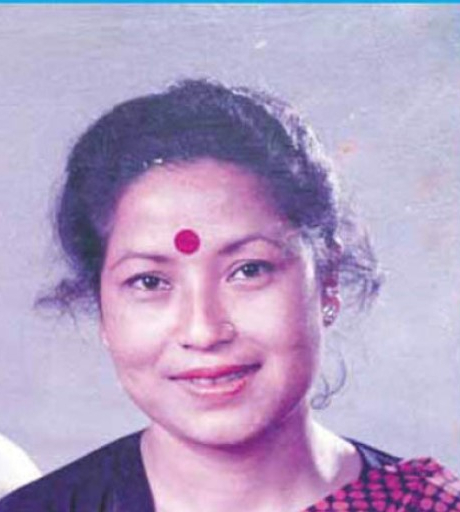
Sakuntala Sharma is a renowned Nepali actress and theatre director, celebrated for her powerful performances on stage, radio, and film. Born in 2008 B.S. in Lazimpat, Kathmandu, she began acting at the age of ten with a memorable role in the play Palansko Phool. In 2033 B.S., she entered an inter‑caste arranged marriage with actor and theatre artist Harihar Sharma. Over the years, she performed in acclaimed plays such as Kosanga Judhaun, Manis ra Mukundo, Pahad Chichyairahechha, Farkera Herdā, Kankal, Chyatitako Parda, and Parkhalbhitra, establishing herself as a leading stage performer. In the 1970s, she gained wide recognition through films like Hijo, Aaja ra Bholi and Badlindo Aakash, followed by strong roles in Vasudev, Mayapriti, Chokho Maya, Chelibeti, Sindoor, and Santaan Tharitharika. She also contributed significantly to Radio Nepal through numerous radio dramas.
Sakuntala Sharma
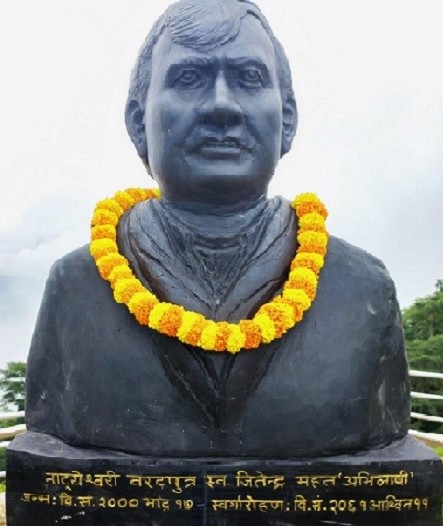
Jitendra Mahat Abhilasi (1956–2004) was a pioneering Nepali stage, radio, television, and film actor known for his powerful voice, disciplined craft, and exceptional contribution to Nepali performing arts. Born on 11 September 1956 in Kabilas, Nuwakot, he began his artistic journey as a student with a deep interest in theatre and literature. Abhilasi wrote, directed, and acted in his first historical play “Shree 5 Ranabahadur Shah” (1969) and went on to perform in over 482 radio dramas, 460 radio scripts, and more than 60 stage plays. He appeared in around 40 telefilms and over three dozen feature films including Manko Baadh, Basudev, Anyaya, Koseli, Chino, Basanti, Lagangatho, and Simarekha. Renowned for his radio drama legacy and versatile screen presence, Abhilasi remained one of Nepal’s most respected multi‑disciplinary artists until his passing on 27 September 2004.
Jitendra Mahat Abhilasi
Theatre Artists, Film Artists, Playwright
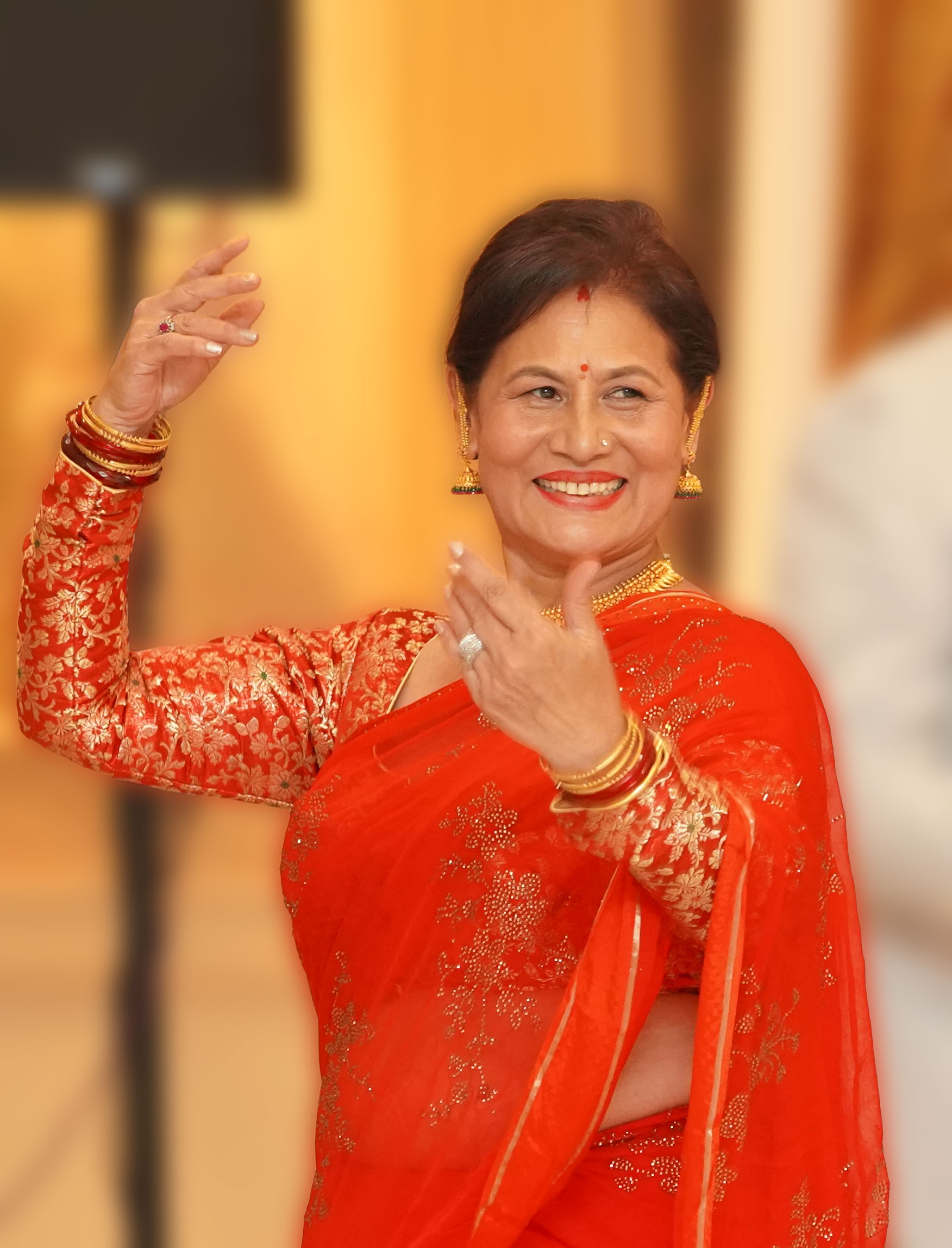
Subarna Chhetri is a respected Nepali film and stage artist known for her expressive performances and long association with Mahajodi’s Maha Sanchar team. She gained wide popularity through the comedy serial Hetterika, where her natural timing and character work made her a household name. Alongside television and stage shows, she appeared in notable films including Badlido Aakash (1983). Her contributions have left a lasting impact on Nepali comedy, performance culture, and mainstream entertainment.
Subarna Chhetri
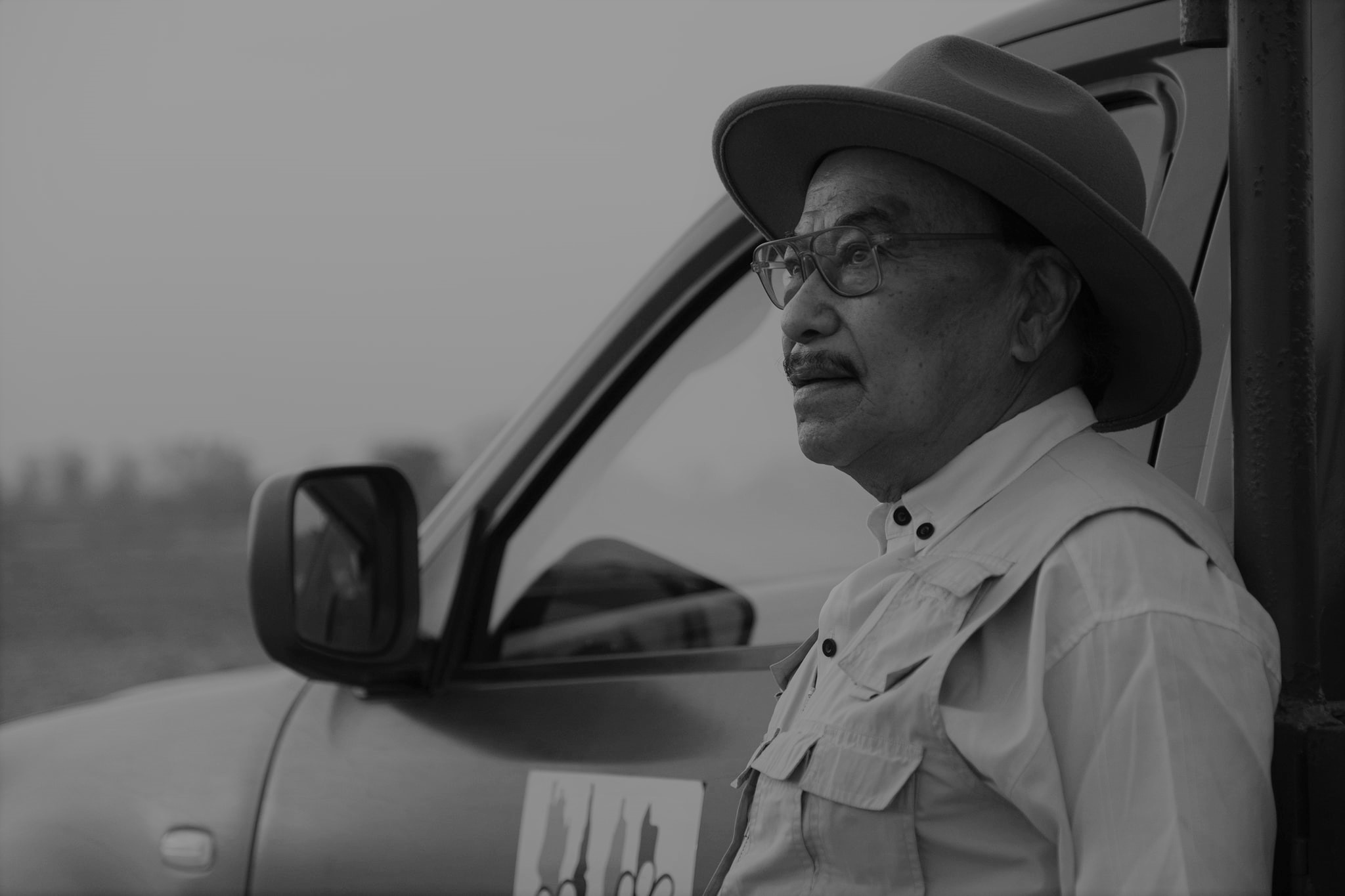
Sanu Tamrakar is a respected senior Nepali actor known for his natural performances, disciplined craft, and long-standing contribution to stage and screen. Active for several decades, he has portrayed diverse characters with emotional clarity and cultural authenticity, earning admiration from audiences and colleagues alike. His work spans theatre, television, and film, where his grounded acting style and commitment to storytelling have made him a trusted and enduring presence in Nepali performing arts.
Sanu Tamrakar
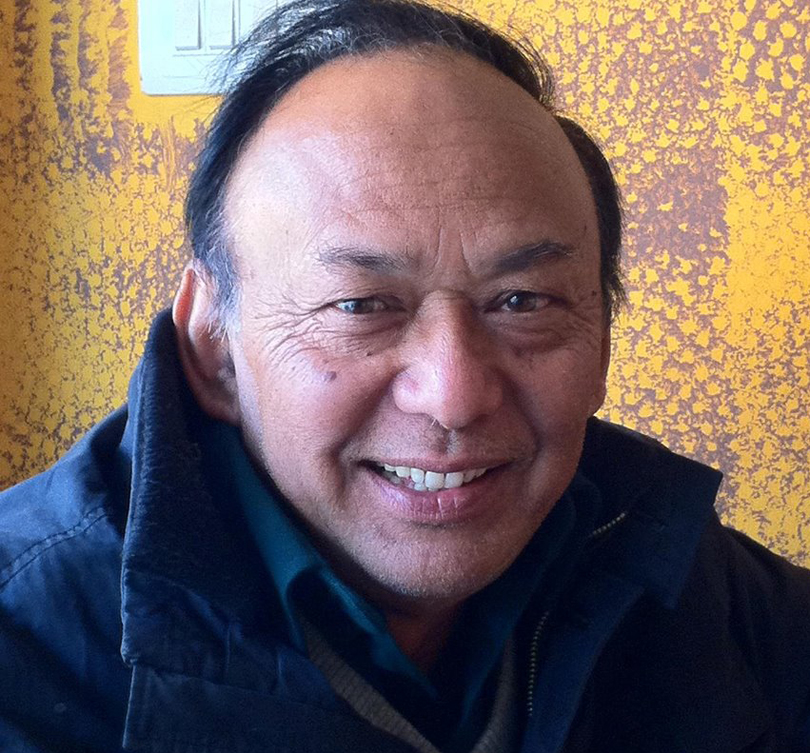
Sambhu Pradhan is a respected Nepali film director, editor, and actor whose work helped define the commercial era of Nepali cinema in the 1980s and 1990s. Emerging as a versatile creative figure, he built his career through disciplined craft in editing and gradually transitioned into directing films known for emotional storytelling, strong musical structure, and audience‑centered narratives. His directorial contributions include memorable Nepali classics such as Samjhana, Behuli, Sapana, Bishwas, and Santaan, works that established him as one of the influential filmmakers of his generation. Active across multiple disciplines—direction, editing, and acting—Pradhan’s career reflects a multi‑layered creative presence that shaped the visual and narrative style of mainstream Nepali cinema during its formative decades.
Sambhu Pradhan
Film Director, Video-film Editor, Colorist
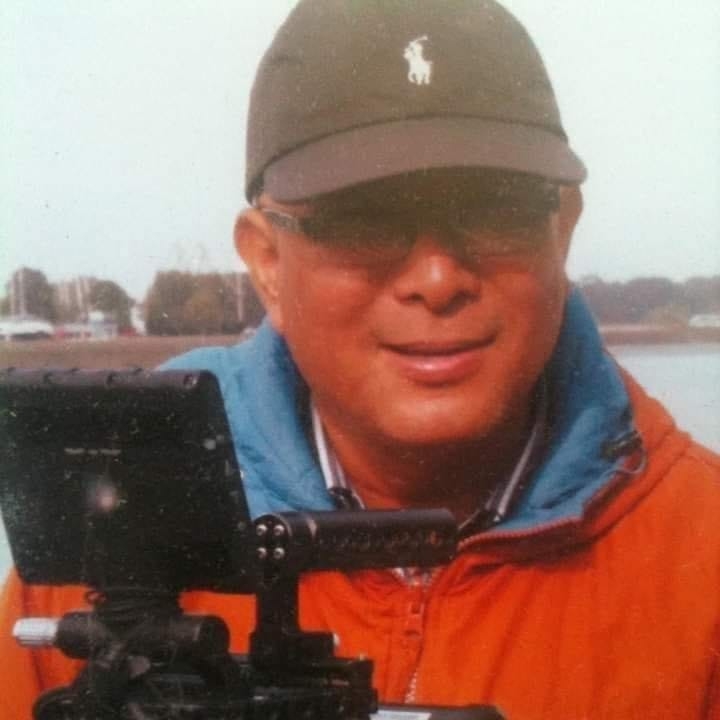
Raju Shah (born 26 February 1965) is one of Nepal’s most influential dance choreographers, with a career spanning over three decades and more than 200 films. Beginning as a dancer in Badalindo Aakash (1982), he became a leading choreographer from Dui Thopa Aansu (1993) and later expanded into film direction and production. He has directed feature films including Sapana Ko Naulo Sansar and Namaste Nepal—one of the first Nepali films shot entirely in Europe. Shah is also the founder chairman of the Nepal Film Dance Association and remains a defining figure in Nepali film choreography and visual storytelling.
Raju Shah
Dance Choreographer
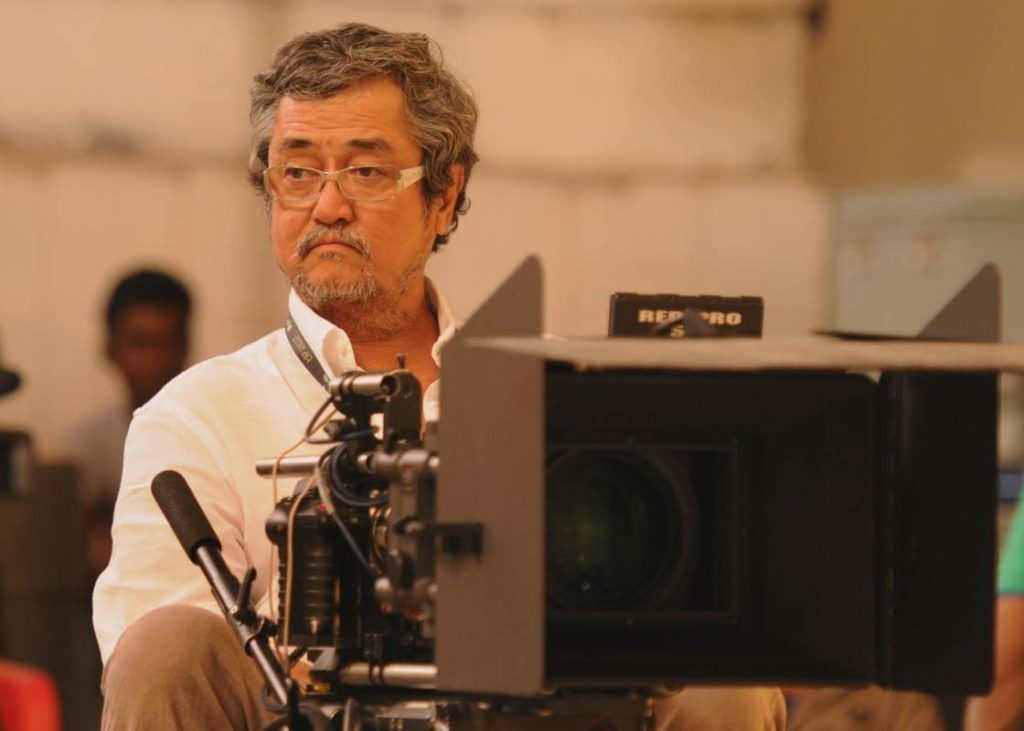
Binod Pradhan is an acclaimed Nepali cinematographer whose visual mastery spans both Nepali and Indian cinema. He began his career in Nepal with films such as Saino, Basudev, and other early Nepali classics, where his naturalistic lighting and emotional framing first gained attention. Pradhan later became one of Bollywood’s most celebrated cinematographers, shaping landmark films including Rang De Basanti, Devdas, Parinda, Mission Kashmir, 1942: A Love Story, and Bhag Milkha Bhag. His poetic realism, technical precision, and storytelling depth have made him one of South Asia’s most influential visual artists.
Binod Pradhan
Cinematographer
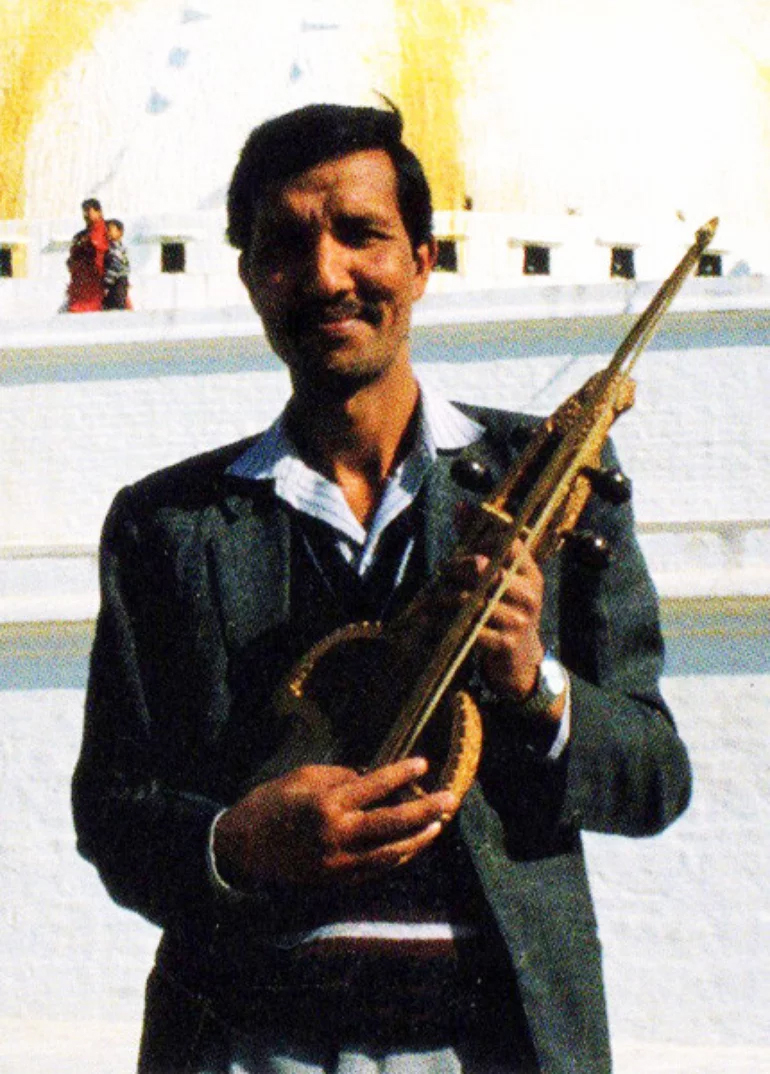
Ram Sharan Nepali was a prominent Nepali folk singer and Sarangi player whose work helped preserve Nepal’s traditional lok‑geet and instrumental heritage. Active from the 1980s onward, he recorded influential albums such as Folk Tunes in Sarangi (1987) and Folk Tunes in Sarangi, Vol. 2 (1988), establishing himself as a leading figure in instrumental folk music. His repertoire includes widely circulated tracks like “Sorathi,” “Sebru Dhun,” “Sanguri Bari Ni,” “Ke Ko Rang Lagyo,” and “Jina Chhake”, many of which remain available on Apple Music and Spotify. His collaborations with artists such as Tika Nepali and Geeta Devi further expanded his impact. Even after his passing, tribute releases like “Yo Keti Kaha Ko” (2025) continue to honor his legacy.
Ram Sharan Nepali

Ram Bahadur Jimba, born on 7th Saun 2023 BS in Sarlahi, was a renowned Nepali folk singer, flutist, and multi‑instrumentalist known for his contribution to traditional Nepali music. Skilled in instruments such as madal, damphu, dholak, and accordion, he served as an officer‑level employee at Radio Nepal. His professional journey began in 2040 BS as a tech‑basis worker and became permanent in 2049 BS. Jimba recorded over 40 folk songs at Radio Nepal, including popular titles like Churimai Kasam Khayera Maile, Gai Bhainsilai Bandheko Kila, and Maya Laun Milla Ki Namilla. He also contributed to the collection and preservation of traditional folk songs.
Ram Bahadur Jimba
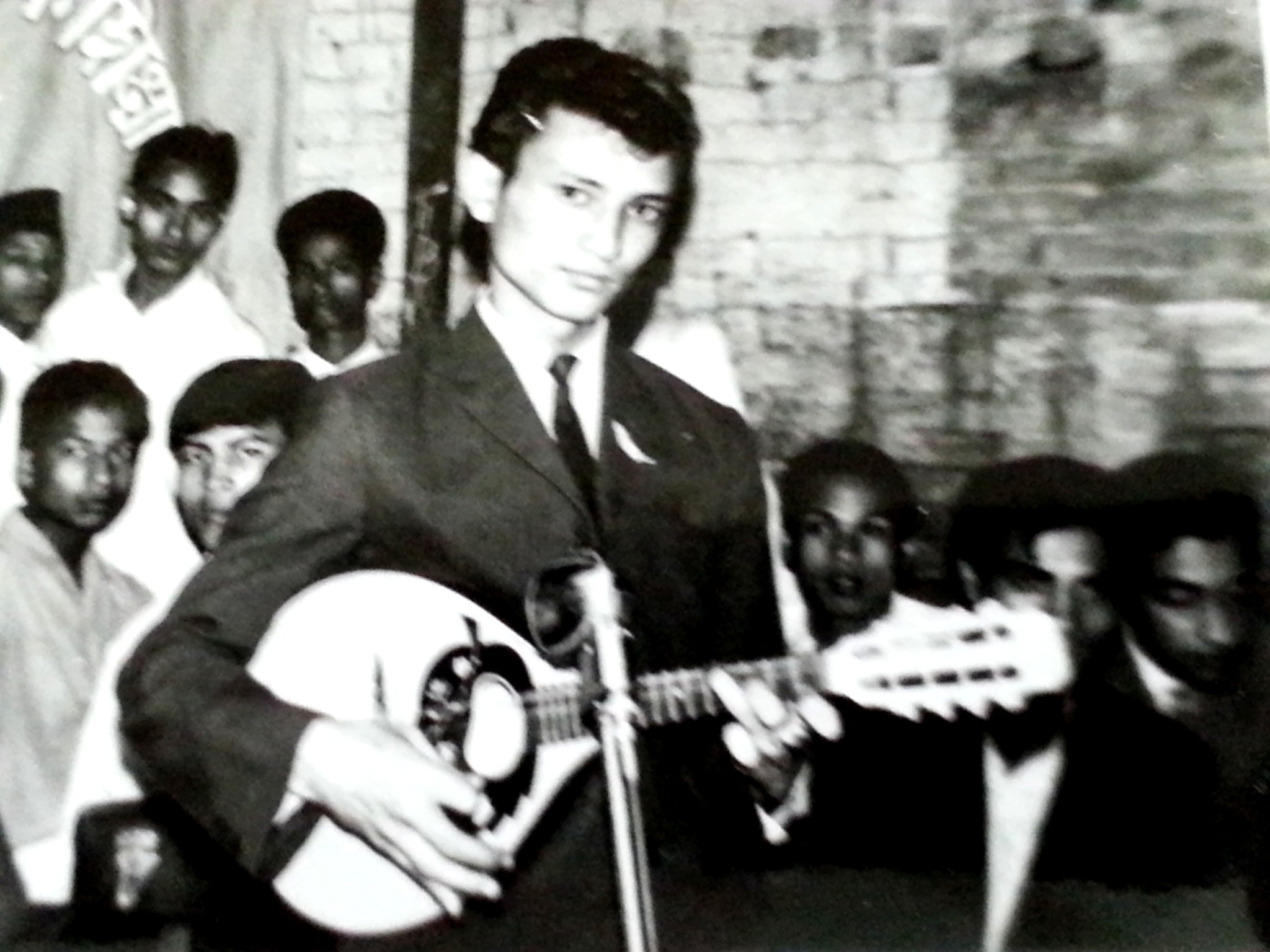
Sharan Pradhan (born May 3, 1943, Darjeeling) was one of the most influential lyricists and music composers in the history of Nepali modern music, emerging as a defining creative force from 2020 BS onward. By the age of 21, he was already an established name, shaping the rise of adhunik geet alongside contemporaries like Aruna Lama and Ranjeet Gajmer. A gifted multi‑instrumentalist, Pradhan mastered banjo, mandolin, and several traditional instruments from a young age — the banjo being his earliest and most beloved. His compositions are known for their emotional depth, poetic clarity, and melodic sophistication, many of which became timeless classics recorded by Nepal’s greatest voices. His lyrical works such as “Ma Aankhama Rakhine” and “Ma Aankhaima” remain widely referenced and studied today. Sharan Pradhan’s legacy endures as a cornerstone of Nepali musical identity — a creator whose artistry elevated the emotional and musical vocabulary of an entire generation.
Sharan Pradhan
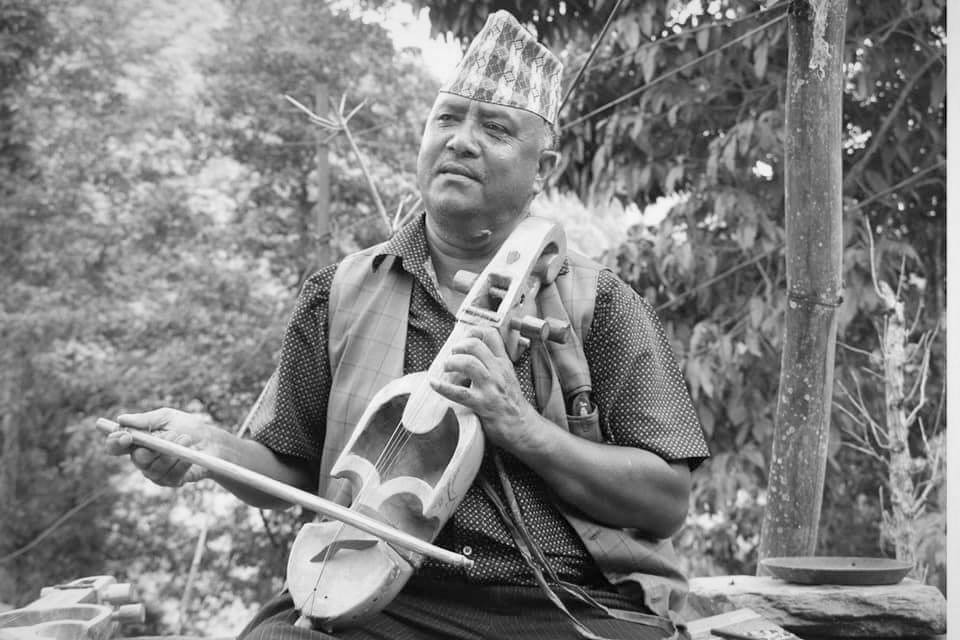
Dhana Bahadur was a leading advocate for sarangi preservation, a respected singer, and a dedicated lyric collector from Batulechaur, Pokhara. He is widely remembered as the creator of the evergreen songs “Naraunu Mayalu” and “Beli ra Chameli,” beautifully performed by singer Prabin Gurung. Committed to safeguarding Nepal’s folk heritage, he operated a Sarangi Pathshala, teaching children and youth and nurturing a new generation of sarangi players. He passed away on Magh 11, 2077, leaving behind a legacy that continues to inspire Nepali folk music and sarangi culture.
Dhana Bahadur
Sarangi Player, Folk Singer
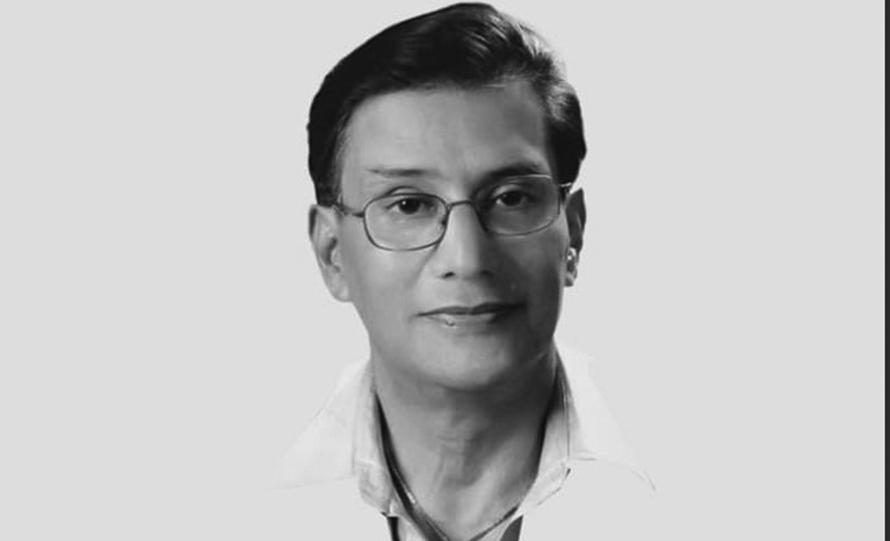
Dhurba KC was a prominent modern Nepali singer whose expressive voice helped shape some of the finest songs of the 2030s era. He reached the peak of national recognition with the evergreen hit “Mayalu Hajar Hunchan,” a song that firmly established him among Nepal’s beloved modern vocalists. He voiced several memorable songs including “Naraunu Naraunu Saili,” “Aru Kalo Relko Dhuwale,” and “Timro Maya Kagajko,” all of which remain timeless among Nepali music listeners. Born on Mangsir 3, 2002 BS to Yagyabahadur KC and Padmakumari KC, he was the eldest son in the family and the uncle of actor Bhuwan KC. Dhurba KC passed away on Magh 8, 2077 (Thursday) at 4:45 PM at Orchid Care Center, Bhaisepati, leaving behind a legacy of soulful modern songs that continue to resonate across generations.
Dhurba KC
Singer/ Performer
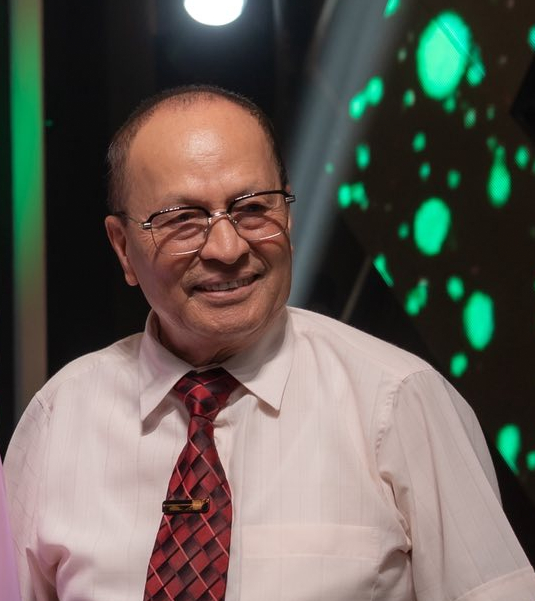
Basanta Shrestha is one of Nepal’s most prolific and influential choreographers, active from the early 1980s to the present, with a career spanning more than 150 films. Known for blending classical Nepali movement with modern cinematic rhythm, he helped define the visual language of Nepali song sequences across multiple eras of filmmaking. His choreography is recognized for precision, expressive storytelling, and the ability to elevate both folk and contemporary compositions. His collaborations with leading actors, directors, and filmmakers reflect his central role in shaping Nepali film dance.
Basanta Shrestha
Dance Choreographer
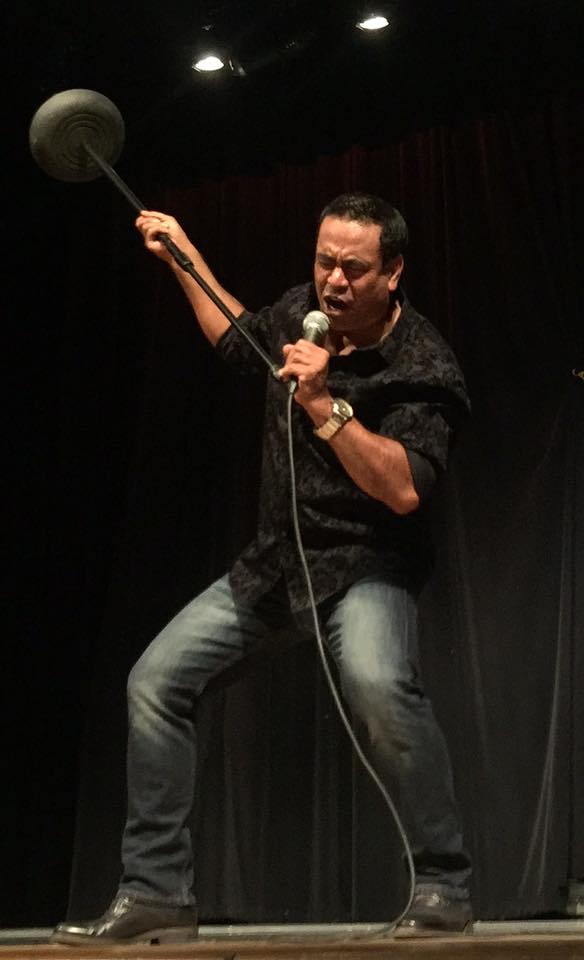
Ratan Subedi is a Nepali singer, comedian, and film actor known for his energetic performances and humorous musical style. Active prominently between 2040–2060 B.S. (1983–2003 A.D.), he appeared in several Nepali films including Aadhi‑Beri, Sapana, Jwala, Apaharan (Ekadeshma), Anartha, Mukundo, Filim, and Nepal Pyaro Cha. Alongside acting, he gained wide popularity as the singer of the hit comedic song “Watti Baler”, which became a staple of stage shows and radio comedy programs. His musical career includes several successful albums, often created in collaboration with Nirmal Raj Paudel, such as Fashion Fashion (7 songs), Maitighar Najau (8 songs), Sansad Dohari – comedy/parody (Gaijatre audio) (7 songs), and Khabardar Hosiyar – comedy/parody (Gaijatre audio) (8 songs). Blending satire, social commentary, and folk humor, Ratan Subedi established himself as a distinctive voice in Nepal’s comedic‑musical tradition and remains a memorable figure in Nepali entertainment
Ratan Subedi
Comedian Artists, Singer/ Performer, Film Artists
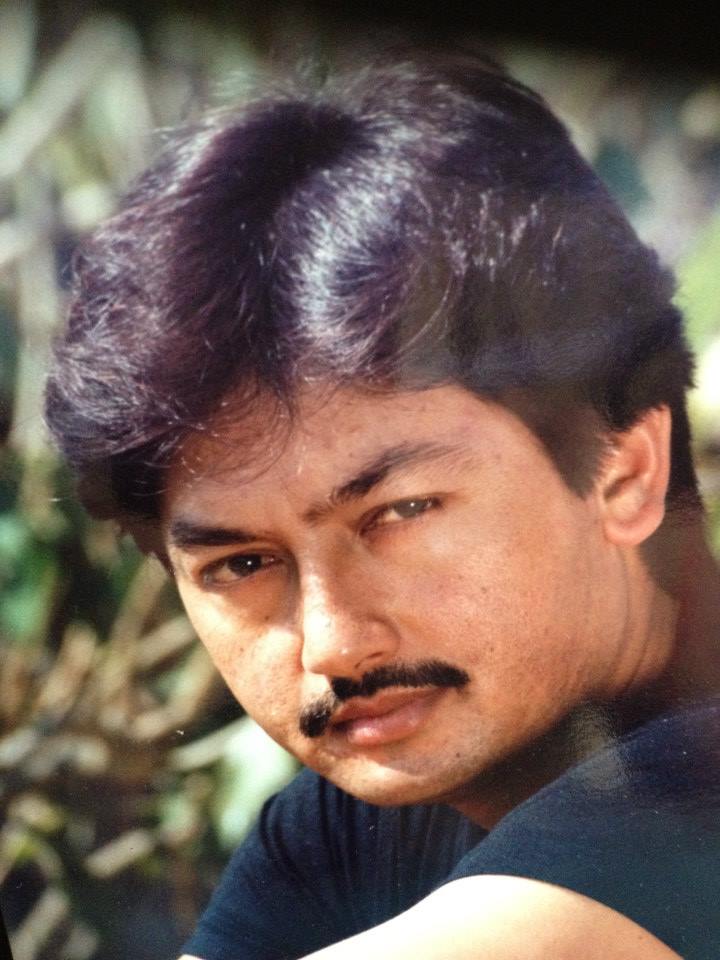
Arjun Jung Shahi is a Nepali film actor known for his work in the early and mid‑modern era of Nepali cinema. Recognized for his calm screen presence and character‑driven performances, he appeared in several notable films across the 2040s and 2050s B.S. His acting career includes roles in Jivan Rekha, Bishwas (2043‑1‑22), Santaan (2044‑8‑14), Shanti‑Dip (2046‑9‑16), Bhumari (2046‑1‑29), Cheli‑Beti (2046‑12‑29), Ghar‑Aangan (2053‑11‑8), and Mohar. Through these films, he contributed to the evolving narrative style of Nepali cinema, portraying family‑centered, emotional, and socially grounded characters. His body of work reflects the transition period of Nepali filmmaking, where traditional storytelling began merging with contemporary themes.
Arjun Jung Shahi
Actor
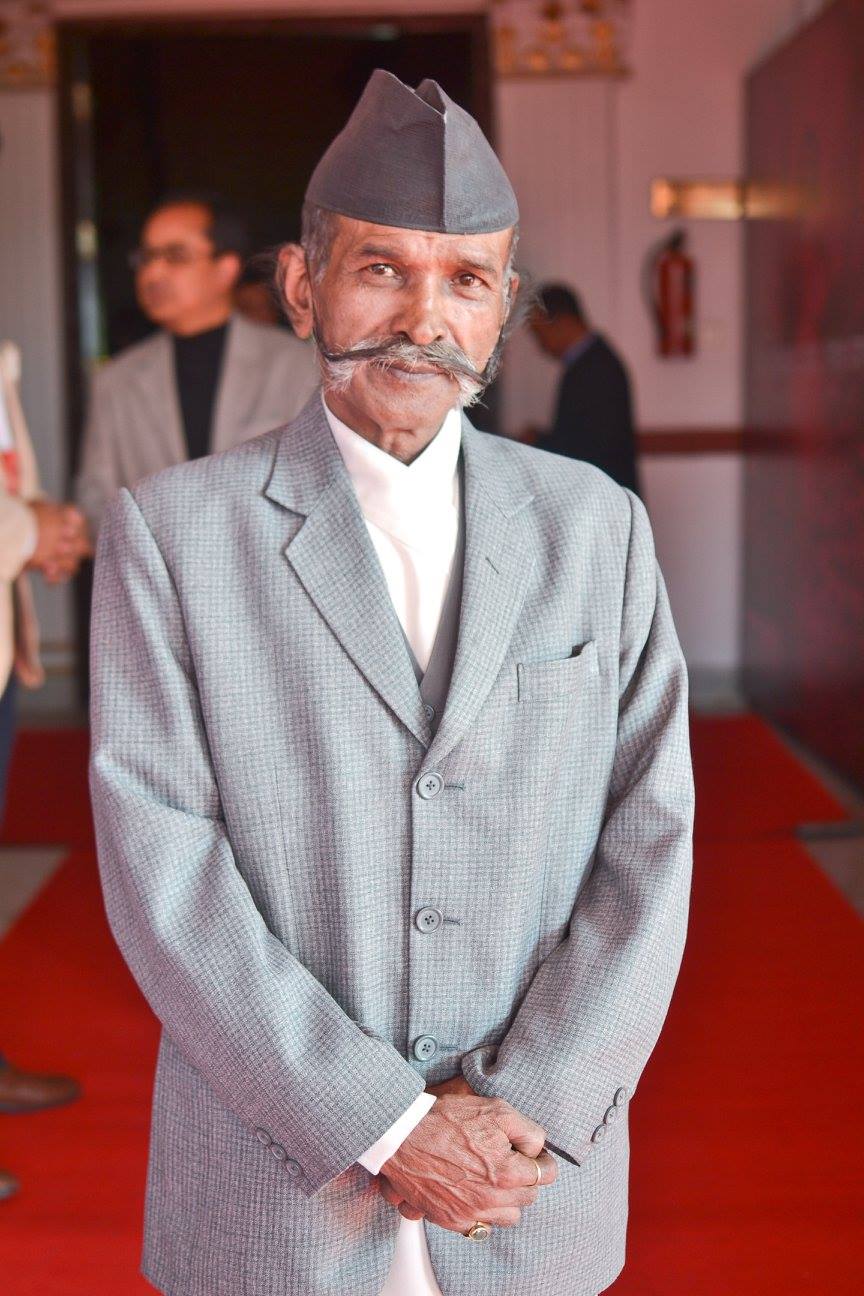
Junge Bhattarai, known professionally as Uddab Raj Bhattarai, is a Nepali actor and comedian recognized for his natural humor, expressive character work, and strong presence in contemporary Nepali entertainment. Active since the early 2010s, he has appeared in feature films such as Pahilo Pahilo Maya (2010), Hamro Maya Juni Junilai (2011), and the cult‑favorite Gaja Baja (2018), where his character performance earned him praise for authenticity and timing. Beyond films, Bhattarai is widely known for his roles in popular comedy series and digital sketches, including Hou Guji, Dera, and other situational comedy formats that highlight everyday Nepali life. His ability to portray relatable, humorous, and emotionally grounded characters has made him a familiar face among Nepali audiences. He continues to work across film, stage, and digital media, contributing to Nepal’s evolving comedic landscape.
Uddab Raj Bhattarai (Junge Bhattarai)
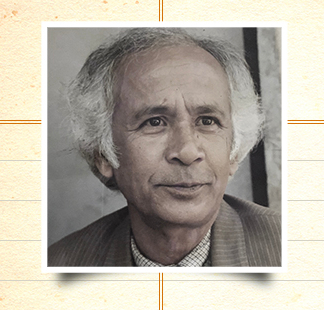
Basu Sashi was a pioneering Nepali poet, playwright, novelist, lyricist, and translator whose creative influence spanned literature, theatre, and cinema. Born on Chaitra 13, 1993 B.S. in Pashupati, Kathmandu, he founded the literary circle Rodi, where he worked alongside Bhupi Sherchan, Krishnabhakta Shrestha, Himanshu Thapa, and Kumar Nepal. Celebrated primarily as a poet, he also excelled in drama, fiction, songwriting, and translation, publishing more than two dozen works in Nepali and Newari. He wrote for the films Maya (2047‑10‑12) and Lobhi‑Papi (2047‑12‑15), the latter being especially associated with his name. He passed away on Chaitra 4, 2049 B.S. at Tata Memorial Hospital in India, and was cremated in Kathmandu the following day.
Basu Sashi
writer-author
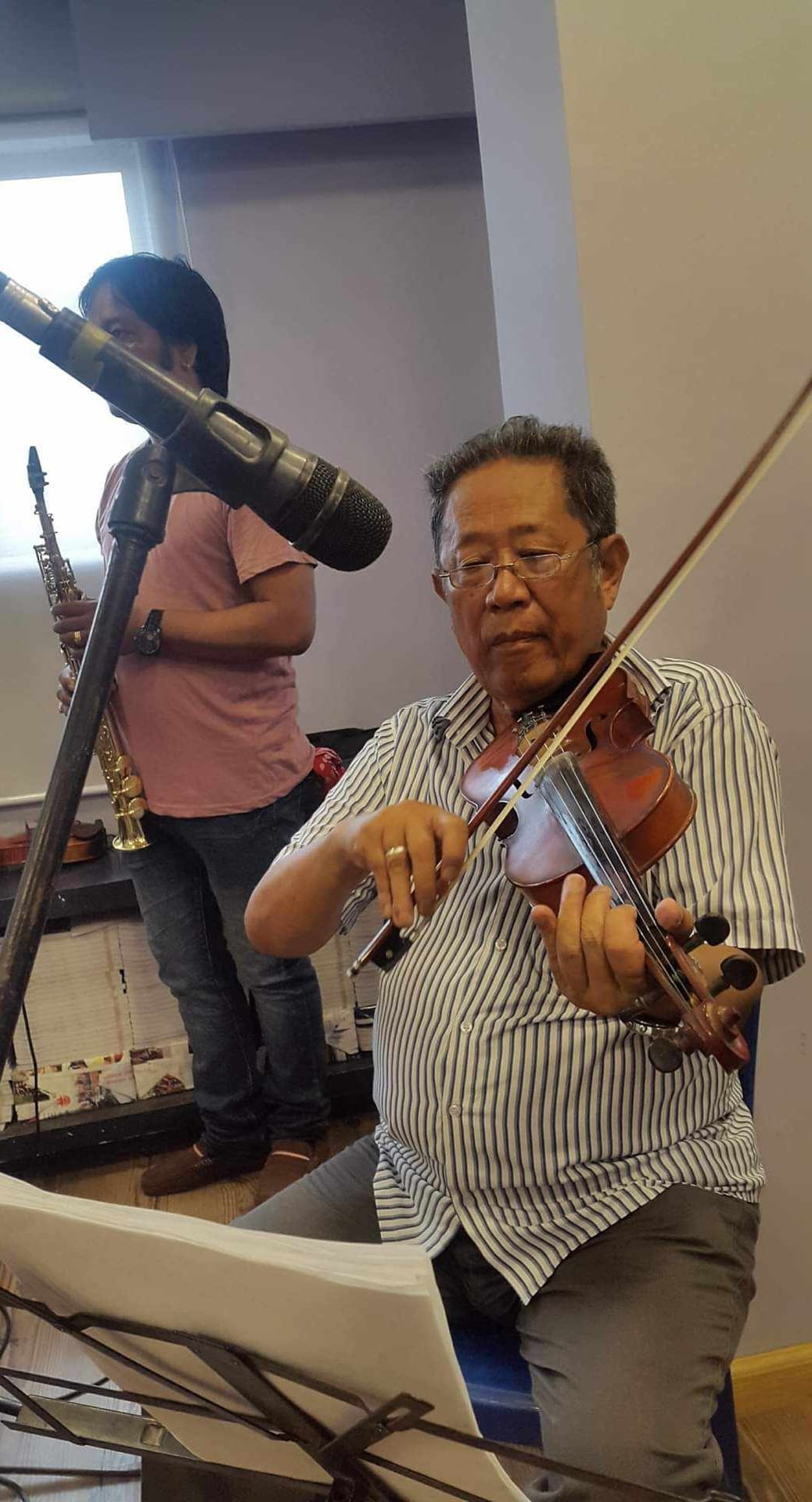
Norbu Tshering is a respected Nepali music director and arranger known for his refined melodic craft and long contribution to modern Nepali music. He began his professional journey as an arranger in 2051 BS, working for many years at the well‑known San Studio, Kupondole, where he shaped the sound of countless recordings. Tshering arranged and composed several celebrated songs, including “Jeevan Bhanũ Ta Ghaat Chha” and “Kina Feri Maya Samjhi Taadpinchha Man,” both of which became widely admired for their emotional depth and clean musical structure. Throughout his career, he collaborated with legendary artists such as Narayan Gopal, Nati Kaji, and Bhakta Raj Acharya, contributing to recordings that helped define the era. His disciplined arrangements, warm instrumentation, and sensitive musical judgment continue to be valued as part of Nepal’s modern musical heritage.
Norbu Tshering

Basant Chaudhary is a celebrated Nepali poet, lyricist, writer, and cultural patron whose work spans poetry, songs, essays, and social commentary. His literary journey began with the poem Tusharolai Piundai (1983), written under the pseudonym Simool, and later expanded into acclaimed collections such as Rashtriyata Nadukhos (2006), Samvad (2008), and the poetry compilation Megha (2011). A prolific lyricist, he has penned widely loved songs including the patriotic Shanti Lukau Kahan, along with numerous musical collaborations across Nepal and India. Known for blending emotional depth with contemporary themes, Chaudhary is also active in promoting art, literature, and heritage conservation, making him one of Nepal’s most influential modern literary voices.
Basant Chaudhary
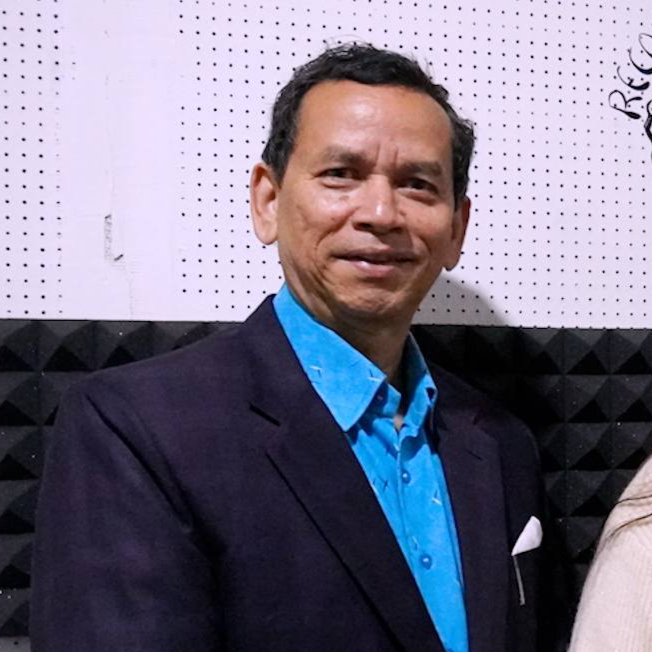
Bhupendra Rayamajhi is a renowned Nepali musician, music director, arranger, and lyricist with over 30 years of experience in the music industry. His passion for music began in childhood and turned professional when he joined Radio Nepal as a guitarist in 1983, later becoming a music arranger in 1990. He earned his Bachelor’s degree in Music from Prayag Samiti, Allahabad, India. In 1998, he was appointed Chief of the Music Department at Radio Nepal, where he played a vital role in nurturing and uplifting Nepali music. He retired from Radio Nepal in 2018 and continues to create heartfelt music that connects with audiences worldwide.
Bhupendra Rayamajhi
Music Artists, Music Director, Music Arranger
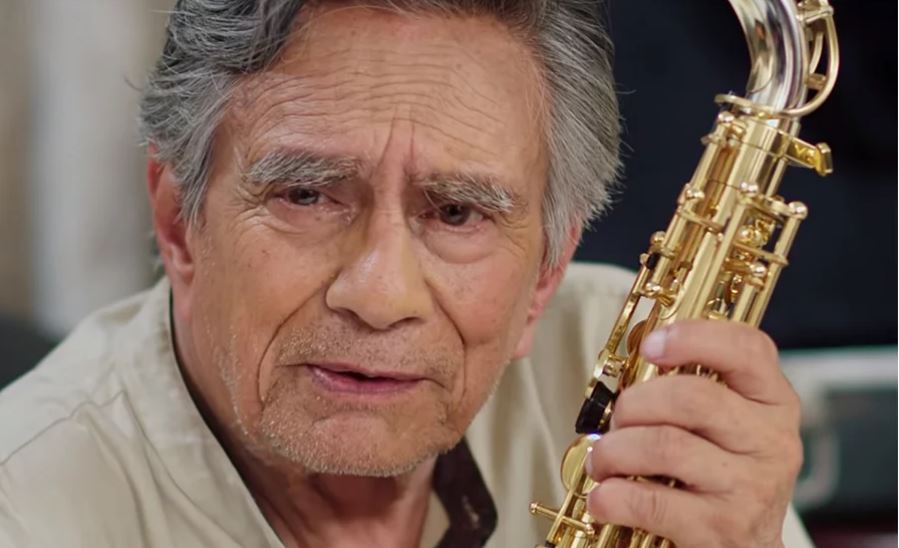
B.S. Rana is a veteran Nepali actor celebrated for his commanding presence and memorable character roles across several decades of Nepali cinema. Known for his natural performance style and disciplined craft, he has appeared in many acclaimed films, contributing depth to social dramas, family stories, and commercial hits alike. Rana’s work in classics such as Basudev, Prem Pinda, Chino, Dakshina, Kanyadan, Muna Madan, and Dharma Sankat helped establish him as one of the industry’s most reliable senior actors. His enduring career reflects a rare combination of versatility, professionalism, and a deep commitment to Nepali storytelling.
BS Rana
Actor, Film Artists
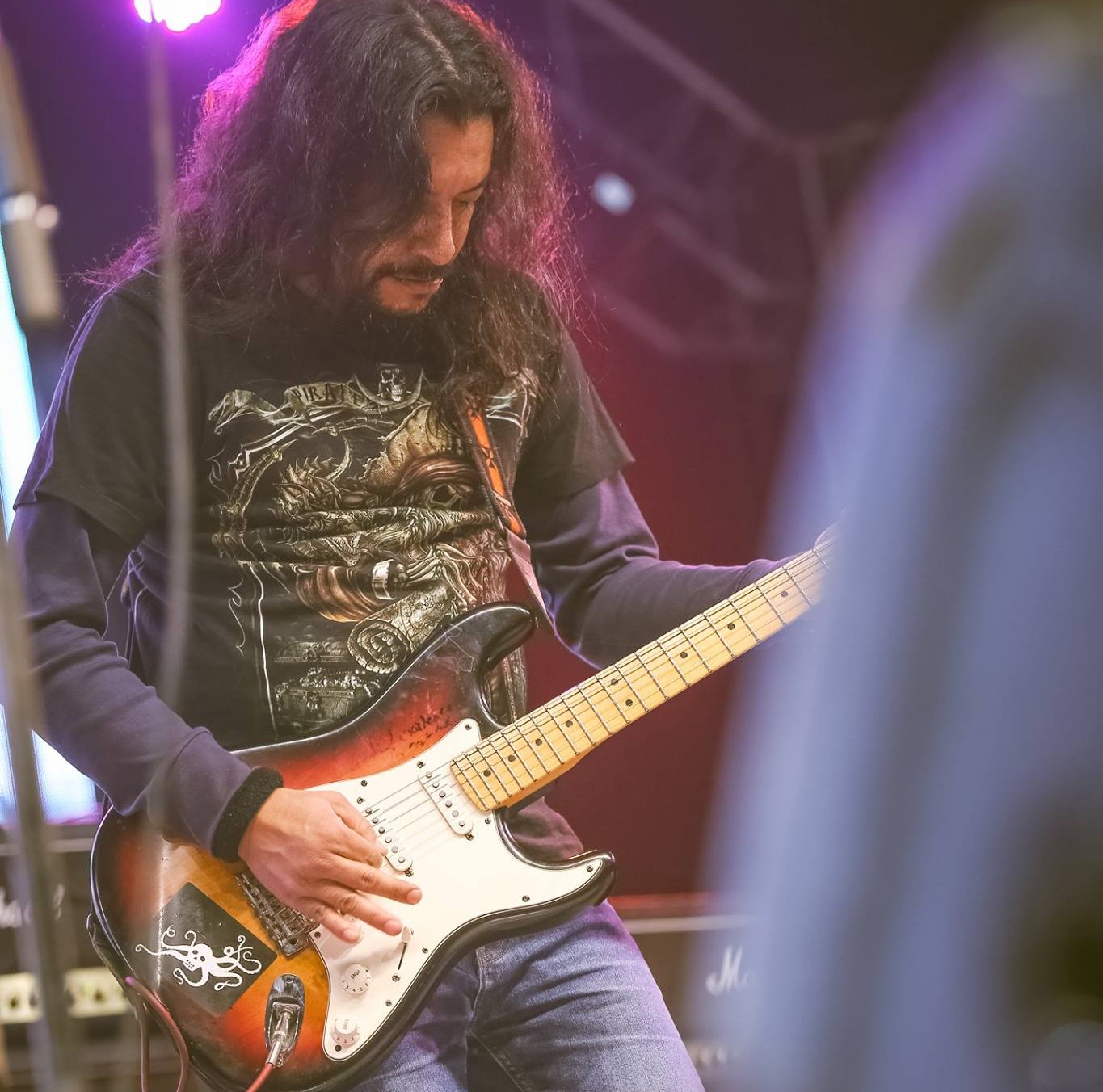
Sarad Shrestha is one of Nepal’s most influential guitarists and genre‑shifting musicians, active for over three decades in the Nepali music scene. Beginning his journey after SLC, he formed his first band Black Band and later became widely known as the guitarist of The Axe Band, contributing 12 years and four albums. A versatile performer, he has worked across rock, stoner metal, ska‑punk, rap‑rock, and grunge, performing with bands such as Black Wizard, The Sound Mill, Kathmandu Mayhem, Intellectual Morons, Tumbleweed Inc., Project One, and Shree 3, where he also sings. Respected for his emotional playing and fearless experimentation, Shrestha remains a defining figure in modern Nepali rock.
Sarad Shrestha
Guitarist, Singer/ Performer
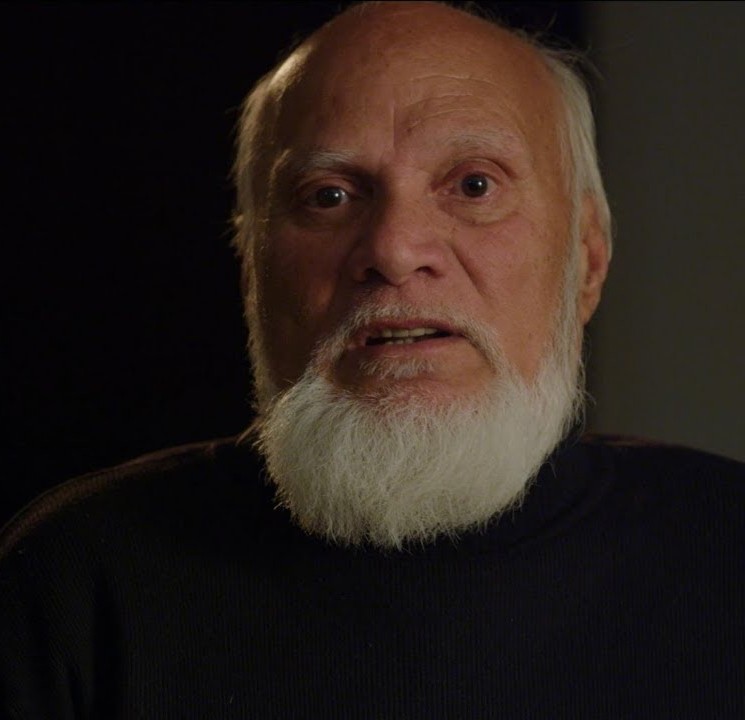
Javed Shah is one of the foundational cinematographers of Nepali cinema’s classic era (1989–2004), known for shaping the visual language of action‑drama films through his signature gritty lighting, bold framing, and dynamic camera movement. His work spans more than 15 major feature films, making him one of the most respected technicians of his generation.
Javed Shah
Cinematographer
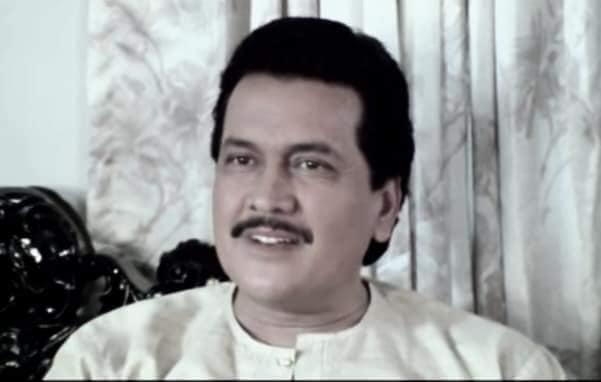
Starting from his early life in Biratnagar, Prakash Pathak was born in 2001 B.S. (1944 AD) and later became a familiar face in Nepali cinema. He entered the Nepali film industry in the early 2040s B.S. (1980s AD), gradually establishing himself through steady, heartfelt performances in social and family‑oriented films.Over the course of nearly three decades, Pathak contributed to a wide range of Nepali feature films and telefilms. He appeared in several well‑known titles, including Mayalu, Tilahari, Gopikrishna, Tuhuro, and Bandhan, along with numerous other productions across the 1980s, 1990s, and early 2000s.Prakash Pathak was known for portraying grounded, relatable characters — often fathers, uncles, community figures, or emotionally layered supporting roles. His natural acting style, calm presence, and ability to reflect everyday Nepali life made him a respected contributor to the golden and transitional eras of Nepali cinema.
Prakash Pathak
Film Artists
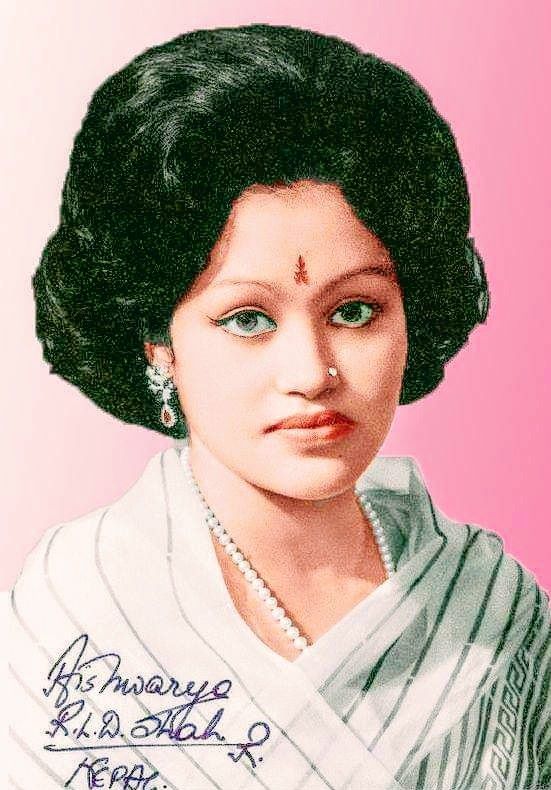
Chandni Shah, known formally as Queen Aishwarya Rajya Lakshmi Devi Shah, was the Queen of Nepal and one of the most admired figures in modern Nepali history. Revered for her grace, intellect, and deep cultural presence, she became a beloved symbol of national pride. Beyond her royal duties, she expressed her artistic spirit through writing — composing heartfelt Nepali songs, poems, and reflective pieces that revealed her emotional depth and patriotic devotion. Her creative works, often shared under the name Chandni Shah, highlight themes of love, humanity, and the Nepali identity. Remembered as the “heart of the Nepali people,” she remains an enduring cultural and emotional icon.
Chandni Shah

Ugen Chhopel (also credited as Ugyen Chopel) is a Nepali film director and screenwriter best known for shaping the emotional, character‑driven style of late‑1980s and 1990s Nepali cinema. He made a landmark debut with the classic Saino (1988), a film that became a cultural milestone and later inspired the Hindi TV series Ajnabi. Chhopel continued his directorial journey with Bandhu (1992), Trishna (1991), Nepali Babu (1999), and the acclaimed fantasy‑drama Badal Paree (2001). His work spans Nepali and Indian productions, marked by emotional depth, strong performances, and cross‑cultural storytelling. Chhopel is also the nephew of actor Danny Denzongpa, linking him to a prominent artistic lineage.
Ugen Chhopel
Film Director
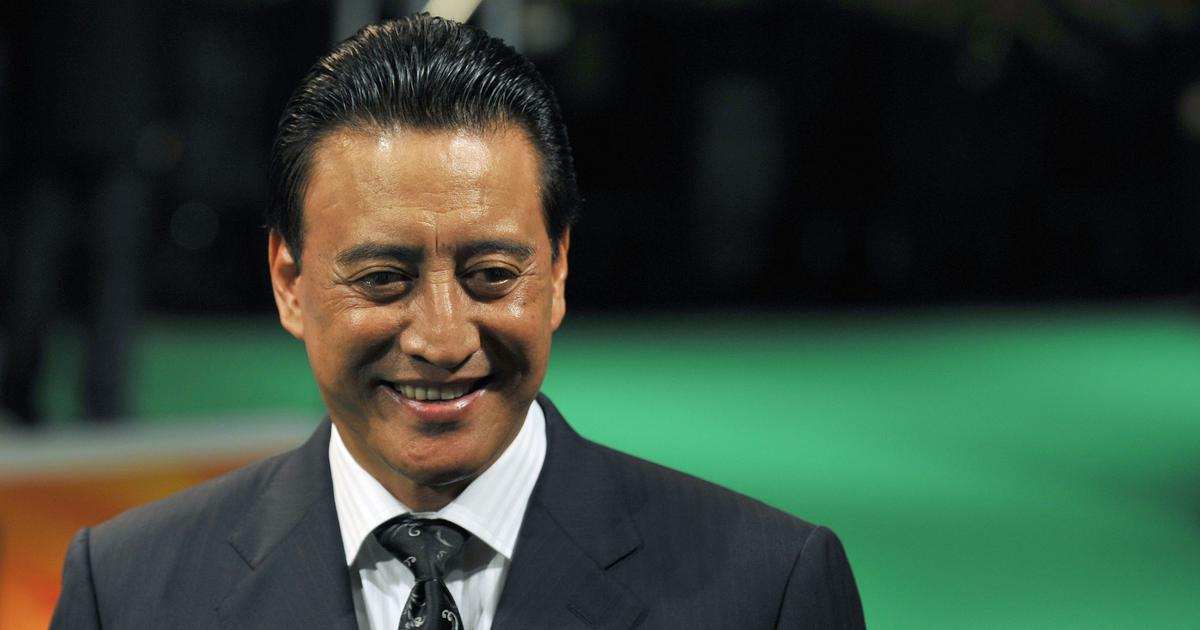
Danny Denzongpa is a legendary Nepali‑origin Indian actor, singer, and filmmaker whose career spans more than five decades, with over 190 films since his debut in 1971.. Born in Yuksom, Sikkim, he rose to prominence in Hindi films through memorable roles in Khuda Gawah, Agneepath, Ghatak, Hum, Andhi Gali, and many others, becoming one of the most respected character actors of his generation. As a singer, he recorded several Nepali hits, including the evergreen “Musu Musu Hasi Deu”,Rato Rani Phulejhai and “Chiso Chiso Hawama”, which remain beloved across Nepal. Danny also acted in the Nepali film Saino, a classic of Nepali cinema.
Danny Denzongpa
Actor, Singer/ Performer

Om Bikram Bista (ॐ विक्रम विष्ट) is a pioneering Nepali musician, singer, and composer widely celebrated as Nepal’s “King of Pop.” Emerging in the 1970s and rising to national fame through his modern, youth‑oriented sound, he helped introduce Western‑influenced pop music to Nepal’s mainstream. His energetic vocals, melodic compositions, and charismatic stage presence made him one of the most influential figures in Nepali contemporary music. With a career spanning decades, Bista’s songs remain timeless, and his contribution continues to shape the identity and evolution of Nepali pop culture.
Om Bikram Bista
Pop Artist, Singer/ Performer
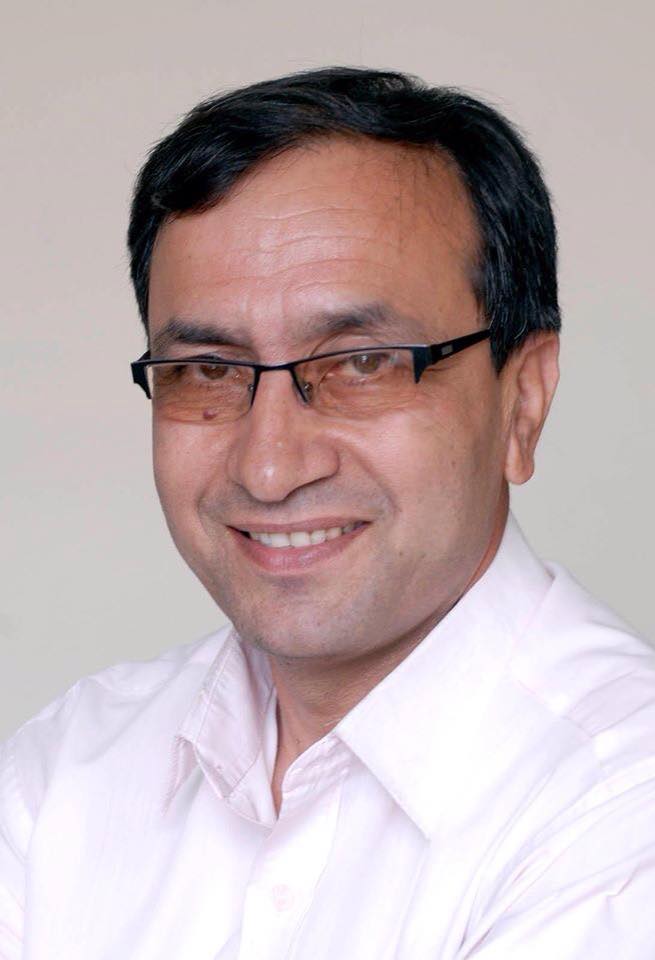
Raman Ghimire is a renowned Nepali lyricist, poet, and literary figure. He has made significant contributions to Nepali literature. Some of his major works include songs such as "Aadhi Bato Hinde Pachhi Timisanga Bhet Bhayo", "Euta Bato Sadhai Bhetghat Bhairahta", and "Kahile Timro Pachauri Ma Aljhe" . He has established his place in Nepali literature, and his creations have influenced many readers.
Raman Ghimire
Lyricist, writer-author
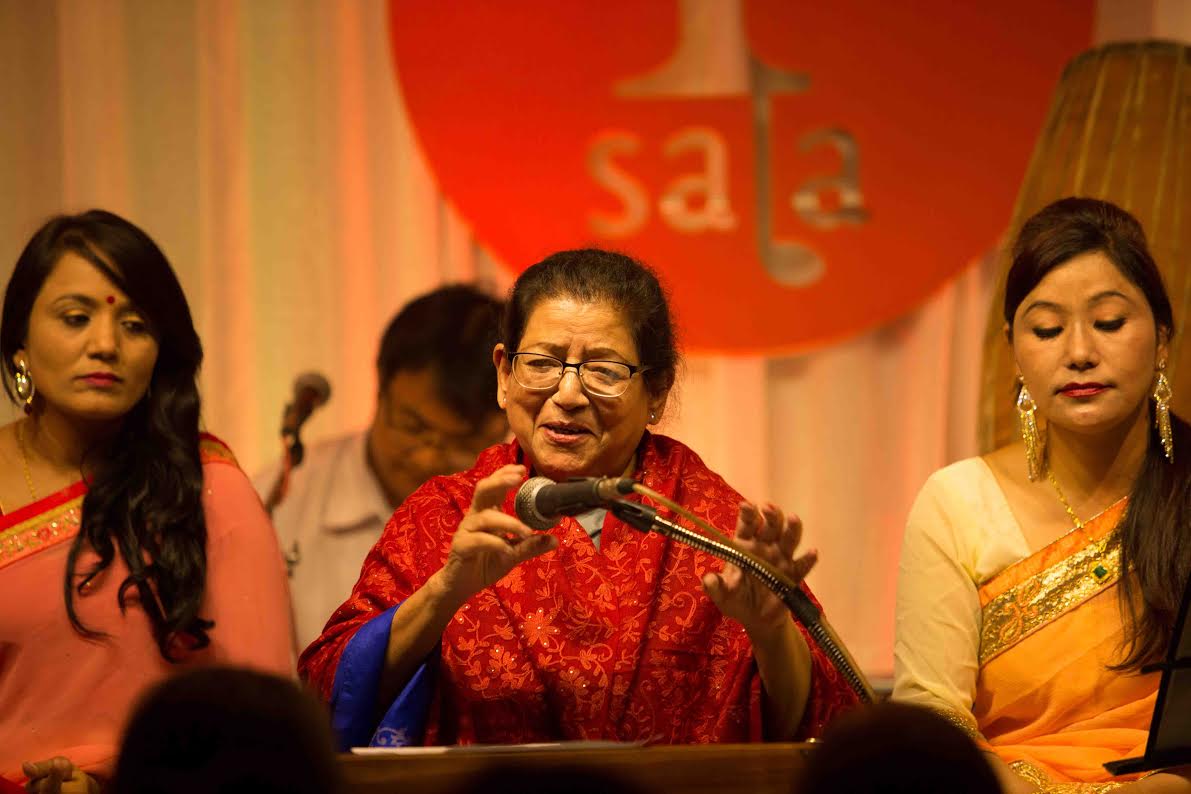
Shanti Thatal (शान्ति ठटाल) is a renowned Nepali music composer and singer known for her contributions to the Nepali film industry. Born on April 4, 1938, in Darjeeling, India, she is celebrated as the first female music composer in the Nepali film industry. Shanti Thatal has composed music for several Nepali films and has more than 200 songs to her credit. Some of her well-known songs include "Mayalu Ley Samjhe Ki Kaso", "Udi Jaun Bhaney Mo Panchi Hoina", and "Samhalera Rakha". Shanti Thatal's work has earned her numerous accolades, including the Jagadamba Shree Puraskar in 2020 for her contribution to Nepali music. She has also been awarded the Master Mitra Sen Smriti Award for Music by the Sikkim government in 2002.
Shanti Thatal
Music Artists, Music Director

Mira Rana (also known as Meera Rana) is a renowned Nepali singer who has made significant contributions to the Nepali music industry. Born on September 24, 1951, she has sung over 1,600 songs in her 55-year musical career. Mira Rana is considered a part of "Nepal's first wave of recording stars," recording folk, classical, and even pop songs during the country's modernization after the fall of the Rana regime. She has collaborated with artists like Narayan Gopal, Gopal Yonjan, Kumar Basnet, Udit Narayan Jha, and Ram Thapa. In addition to her musical career, Mira Rana has also been involved in politics. She joined the Rastriya Prajatantra Party Nepal in 2009 and contested for parliament from the Kathmandu-3 constituency in 2013. She was awarded the Narayan Gopal memorial prize in 2016, shared with Gyanu Rana, in recognition of her contribution to Nepali music.
Mira Rana
Music Artists, Folk Singer
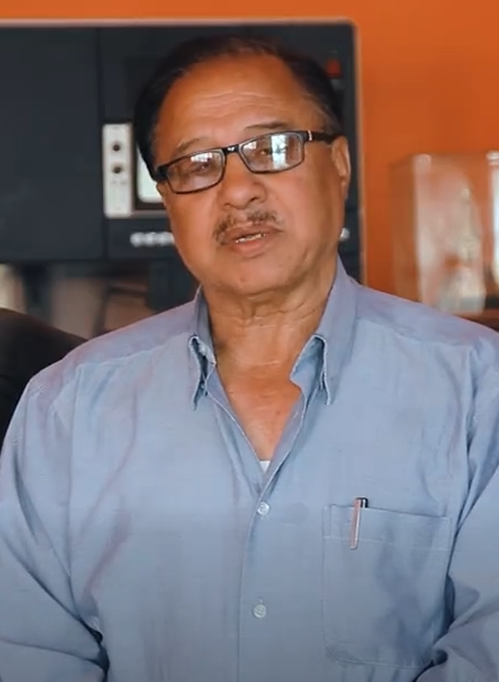
Starting from the foundational years of modern Nepali cinema, Narendra Khadka has built a distinguished career as one of Nepal’s most prolific and respected film editors. Active since 1989, he has edited more than 36 feature films, shaping the narrative rhythm and visual language of Nepali commercial and social‑themed cinema. His editorial work spans classics such as Rajamati (1995), Seemana (1996), Zameen (1998), Basanti (2000), and Prem Yuddha (2005), establishing him as a key technical figure in the industry.Beyond editing, Khadka has contributed as a story writer and chief assistant director, demonstrating a deep understanding of cinematic structure and storytelling. His long service to Nepali cinema was formally honored when he received a Lifetime Achievement Award at the 7th LG Cine Circle Awards, recognizing his decades of dedication and his role as the founding principal of the College of Film Studies.With a career spanning over three decades, Narendra Khadka remains a senior figure whose disciplined craft, technical precision, and editorial leadership continue to influence new generations of Nepali filmmakers.
Narendra Khadka
Video-film Editor, Colorist
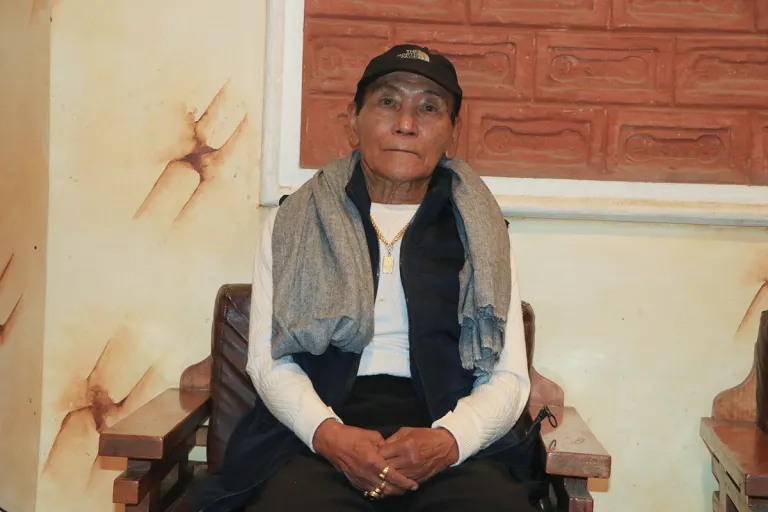
Nabin Kishor Rai is a Nepali folk singer recognized for his contributions to Rai cultural music, including Sakela, Palam, and Eastern Nepali lok‑geet traditions. His works such as “Soi Dhole Soi,” “Hirkauna Lourile Tyak Tyak,” and collaborations with artists like Karna Rai, Shreya Rai, and Manoj Sangson Rai highlight his role in documenting and modernizing indigenous melodies. Rai’s recordings—featured across YouTube, Spotify, and cultural archives—continue to strengthen the preservation of Kirati musical heritage.
Nabin Kishor Rai
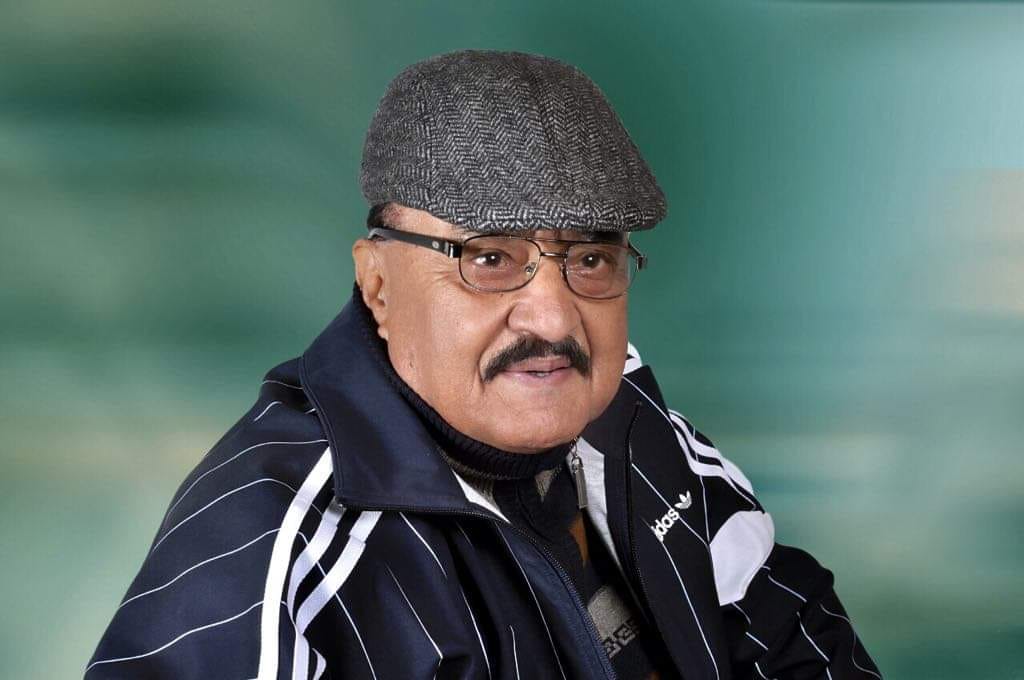
Mukunda Kishor Bhattarai is a veteran Nepali film artist known for his multi‑disciplinary contributions as an actor, writer, screenplay/dialogue creator, and story writer, active since 1989. His work spans some of the most influential films of the 1990s, especially Bhariya, Anartha, and Daju Bhai. As Actor Tilahari (1989) Kanyadan (1990) Pariwar (1991) Deuki (1993) Daju Bhai (1995) Anartha (1996) Bhariya (1996) Pachheuri (1997) Gham Chaya (1998) Timi Nai Baseu Mero Manma (2000) Ko Hola Mero Mayalu (2008) Mero Manko Sathi (2013) Timro Kasam (2013) Euta Mancheko Maya (2014)
Mukunda Kishor Bhattarai
Music Artists, Film Artists
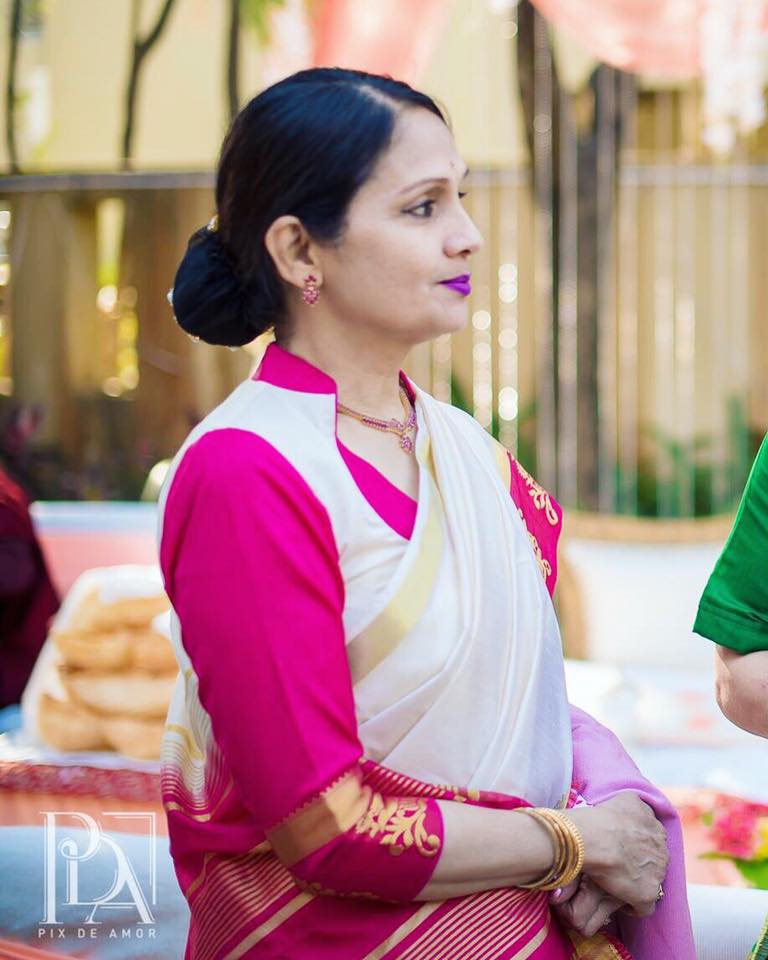
Nutan Pradhan is a versatile Nepali film writer, screenwriter, story writer, actress, lyricist, producer, and playback singer active since the late 1980s. She has contributed to some of Nepali cinema’s most memorable films, including Behuli, Sworga, Saraswati, Sorah Barshe Jowan, Nepal Pyaro Chha, and Rang Baijani. Known for her emotional storytelling and strong character-driven narratives, she has written dialogue, screenplay, and lyrics across multiple genres. Nutan also acted in Saraswati alongside Shiva Shrestha and Gauri Malla, and performed playback vocals in Sworga. Her multi‑disciplinary work has made her one of the most influential women creatives of her era.
Nutan Pradhan
Screenwriter/Script Writer, Film Maker/ Producer, Film Artists
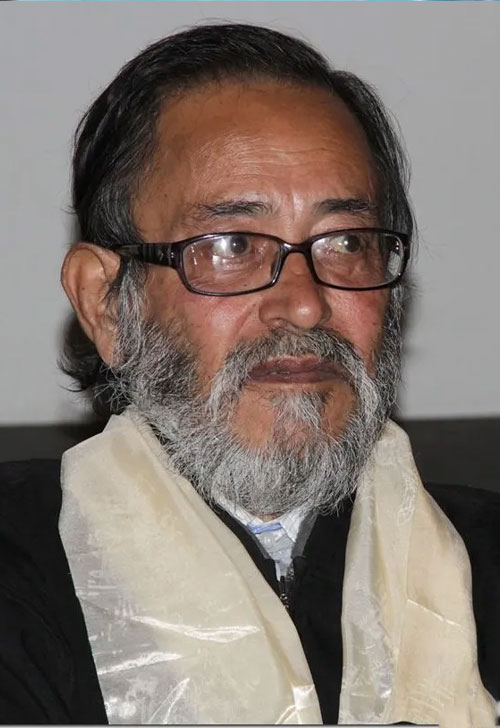
Starting from his early career in the late 1980s, Deepak Dhakal emerged as a dedicated Nepali cinematographer known for his steady contribution to commercial and social‑themed Nepali cinema. He made his debut as a cinematographer with Sindoor and went on to work in more than 20 feature films, shaping the visual tone of 1990s and early‑2000s Nepali filmmaking.Dhakal’s filmography includes notable titles such as Shanti Deep (1989), Cheli Beti (1990), Pheri Bhetaula (1990), Didi (1992), Chokho Maya (1993), Chatyang (1994), Chahana (1994), Sarangi (1994), and Pahilo Prem (1997). His work is remembered for its grounded visual style, clarity in storytelling, and commitment to traditional Nepali cinematographic techniques.Beyond filmmaking, Dhakal served as a professor at Oscar International College, Nepal’s only dedicated film‑teaching institute, and was an active member of NEFTA, contributing to the professional development of the industry. He passed away on 3 December 2015 due to a brain hemorrhage, leaving behind a respected legacy in Nepali cinema.
Deepak Dhakal
Cinematographer
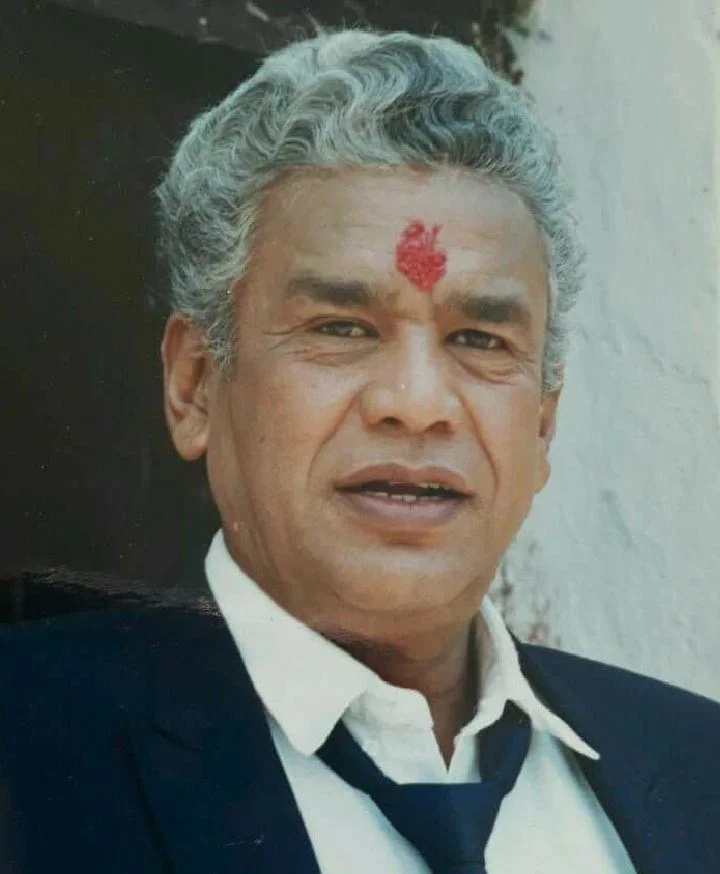
Starting from his early years in Nepali commercial cinema, Ravi Shah established himself as a dependable character actor known for his calm screen presence, expressive delivery, and versatility across drama, family, and social‑themed films. Active since 1985, he has contributed to more than 50 Nepali feature films, often portraying father figures, community elders, and emotionally grounded supporting roles.Shah’s career spans the golden era of 1990s Nepali cinema through the transitional 2000s, with memorable performances in films such as Kanyadaan (1991), Maya Preeti (1989), Pachhis Basanta (1989), Badal Paree (2001), Manmandir (2002), Pahuna (2003), Aankha Lobhi Man Papi (2003), and Godhuli (2003). His long filmography reflects steady, respected participation in mainstream Nepali filmmaking, and he is also credited as a legal advisor in the industry.
Ravi Shah
Film Artists
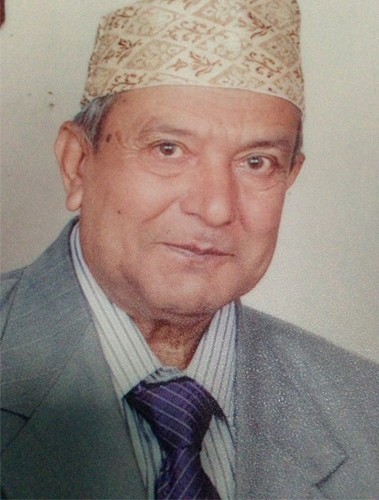
Radio Nepal Icon • Children’s Program Pioneer • Singer • Cultural Broadcaster Basudev Munal (1949–2025) was a beloved Nepali radio presenter, singer, and cultural voice best known for shaping generations of Nepali children through his iconic Radio Nepal program “Pyaara Bhaai Bahini Ho”. Born in Biratnagar, he joined Radio Nepal early in his career and went on to serve for nearly four decades, becoming one of the most recognizable and affectionate voices in Nepali broadcasting. His warm tone, storytelling skill, and musical contributions made him a household name across Nepal. Munal passed away at age 68 while undergoing treatment for throat cancer, leaving behind a legacy deeply rooted in Nepali radio culture.
Basudev Munal
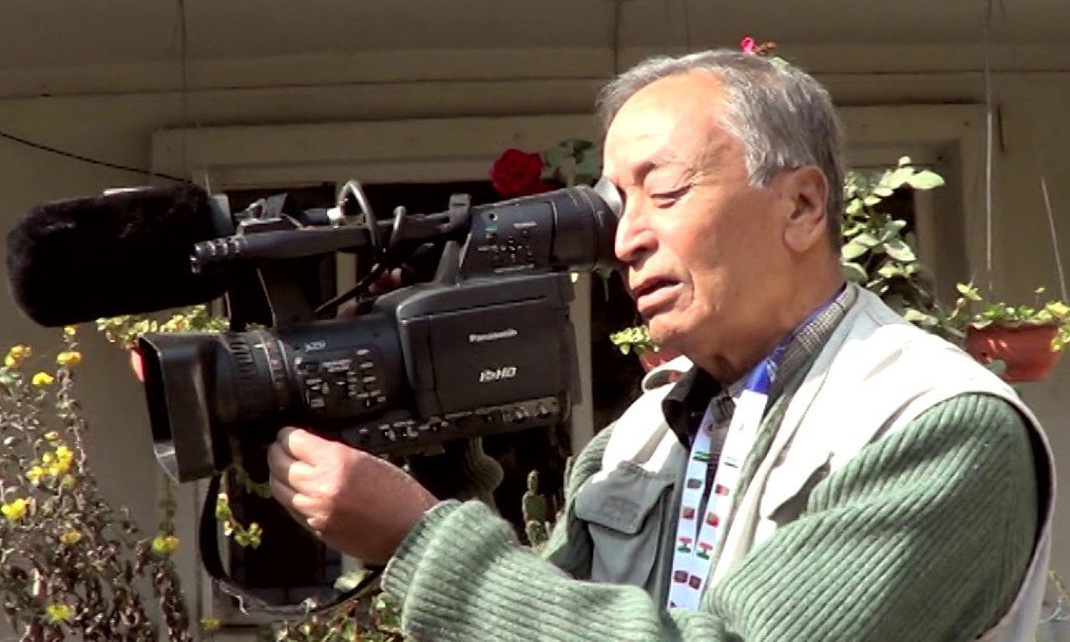
Baikuntha Man Maskey is honored as the first cinematographer of Nepali cinema, a pioneering figure who helped shape the visual foundation of early Nepali films. He earned a Diploma in Cinematography from the Film and Television Institute in Pune, India, in the 1960s, and began his career as the chief cinematographer for “Manko Baadh.” Maskey went on to shoot numerous films, including “Parivartan” and “Hijo Aaja Bholi,” along with extensive work in documentaries and television. He passed away at the age of 83, leaving behind a lasting technical and artistic legacy.
Baikuntha Man Maskey
Cinematographer
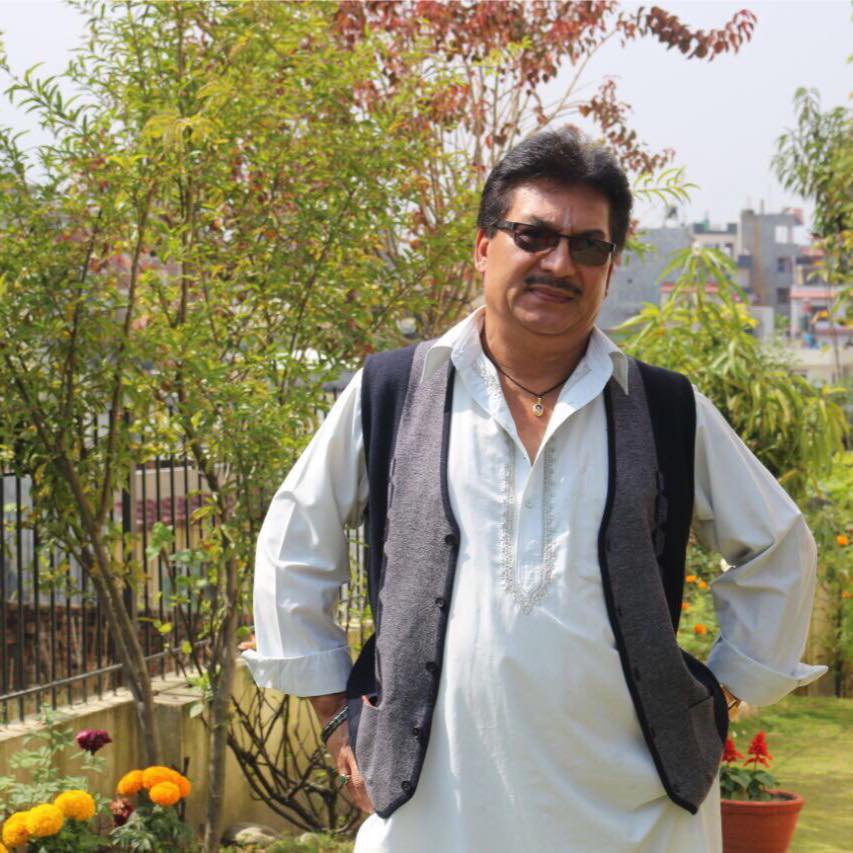
Puran Joshi is a Nepali actor, director, and producer known for his steady contribution to contemporary Nepali cinema and television. Active across multiple creative roles, he has built a reputation for thoughtful storytelling, disciplined craft, and a strong command of both performance and direction. Joshi has worked on a range of projects—from feature films to TV serials—often focusing on socially grounded narratives and character‑driven drama. His involvement in production further highlights his commitment to strengthening Nepal’s film ecosystem, making him a versatile and respected figure in the industry.
Puran Joshi
Actor, Film Maker/ Producer, Film Artists
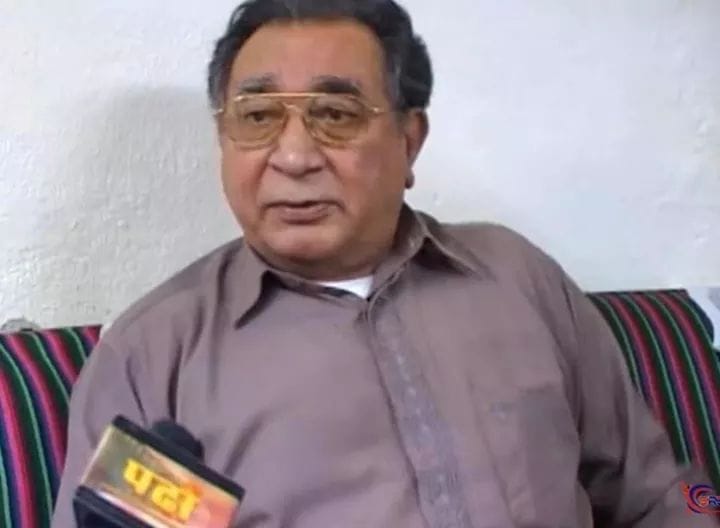
Jayananda Chand Thakuri was a prolific Nepali film actor known for his powerful screen presence and memorable roles across more than 100 films. Active from the early commercial era of Nepali cinema, he became a familiar face in action, patriotic, and social‑drama films, earning respect for his discipline, versatility, and long‑term contribution to the industry. Thakuri worked with leading directors and stars for decades, helping shape mainstream Nepali cinema. He passed away on May 31, 2020, leaving behind a respected legacy as one of Nepal’s most dedicated character actors. Selected Filmography (Representative List) Bishwas Jeevan Rekha Papi Manchhe Badal Bhai Tika Aama (later‑era remake involvement) Jali Rumal Kasam Bhai Mukti Jindagani Pahilo Prem (Note: His filmography spans over 100 titles; this list highlights widely recognized works.)
Jayananda Chand Thakuri
Character Artists, Film Artists
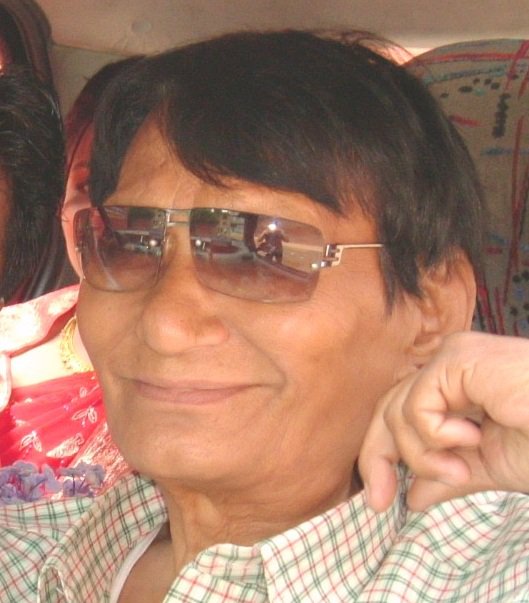
(Lyricist • Poet • Writer • Editor • Adhunik Sangeet Contributor) Bhim Birag (Bhim Bahadur Maharjan) (1991 BS – 2068 BS) was one of Nepal’s most respected lyricists, poets, and literary voices, celebrated for his emotionally rich songs and contributions to Nepali Adhunik Sangeet. Born in Maisthan, Birgunj on Magh 15, 1991 BS, he overcame severe childhood illness and economic hardship to become a defining figure in Nepali music and literature. His lyrics—recorded by legends like Narayan Gopal and Prem Dhoj Pradhan—remain timeless, blending philosophy, pain, romance, and human depth.
Bhim Birag

(Legendary Folk Singer • Composer • Lyricist • Cultural Voice of Nepal) Buddhi Krishna Lamichhane (1955–2021) was a revered Nepali folk singer, composer, and lyricist whose earthy voice and authentic storytelling made him one of the most beloved figures in Nepal’s lok‑geet tradition. Born in Bhaktapur, he rose to national recognition through songs that captured rural life, emotional simplicity, and the cultural soul of Nepal. His classics—especially “Pidi Ma Basera” and “Ghas Katne Khurkera”—remain evergreen staples, widely performed, remixed, and taught across generations. Lamichhane passed away at age 66 after long‑term illness (paralysis and pneumonia), leaving behind a legacy that continues to define Nepali folk identity.
Buddhi Krishna Lamichhane
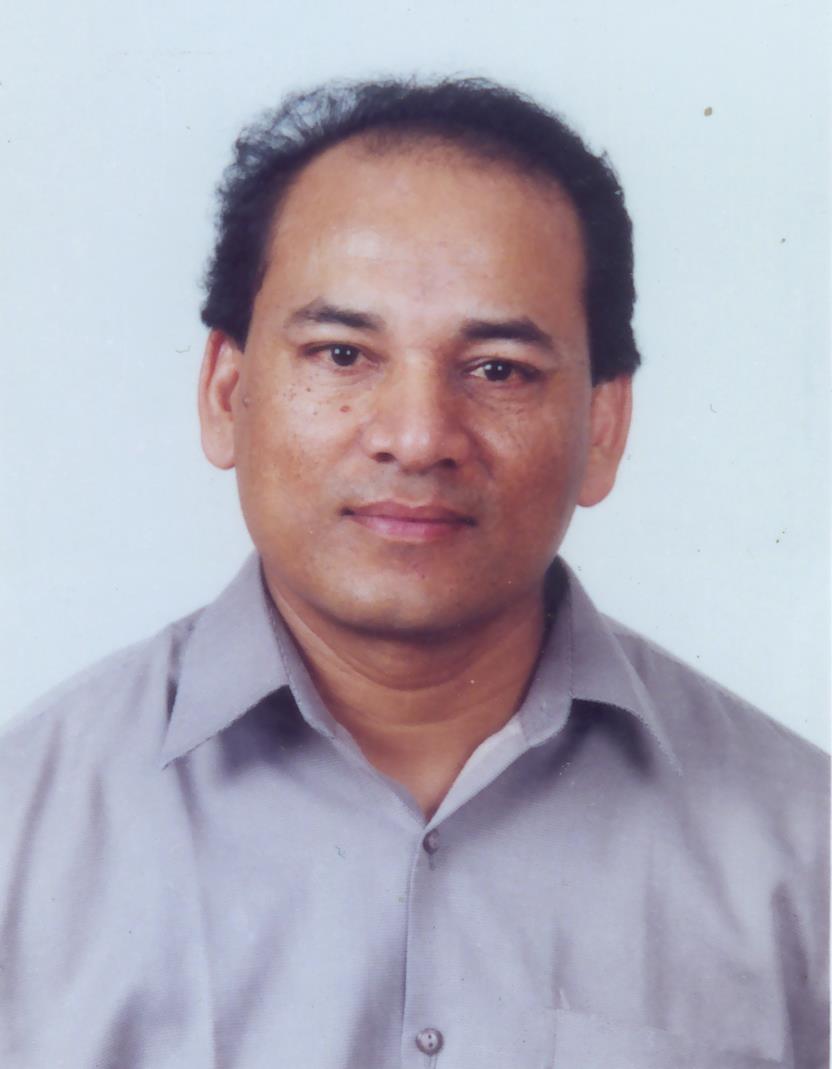
Prakash Shrestha (born January 28 in Birgunj) is one of Nepal’s most enduring and beloved singers, known for his velvety voice and evergreen romantic melodies. Since beginning his musical journey in 1973 (2030 B.S.), he has recorded over 1,000 songs, released 12 albums in cassette and an equal number in CD format, and performed in more than 500 national and international concerts. A versatile playback singer, he has contributed vocals to over 150 Nepali films. Shrestha holds a Bachelor’s in Commerce from Thakur Ram College and a Sangeet Prabhakar diploma from Allahabad University. Before music, he excelled in sports, particularly table tennis, cricket, and football. Over his decades‑long career, he has earned deep admiration for his artistry, humility, and gentlemanly presence. His global performances span Asia, Europe, Australia, and the Middle East, making him a distinguished cultural ambassador of Nepali music.
Prakash Shrestha
Playback Singer
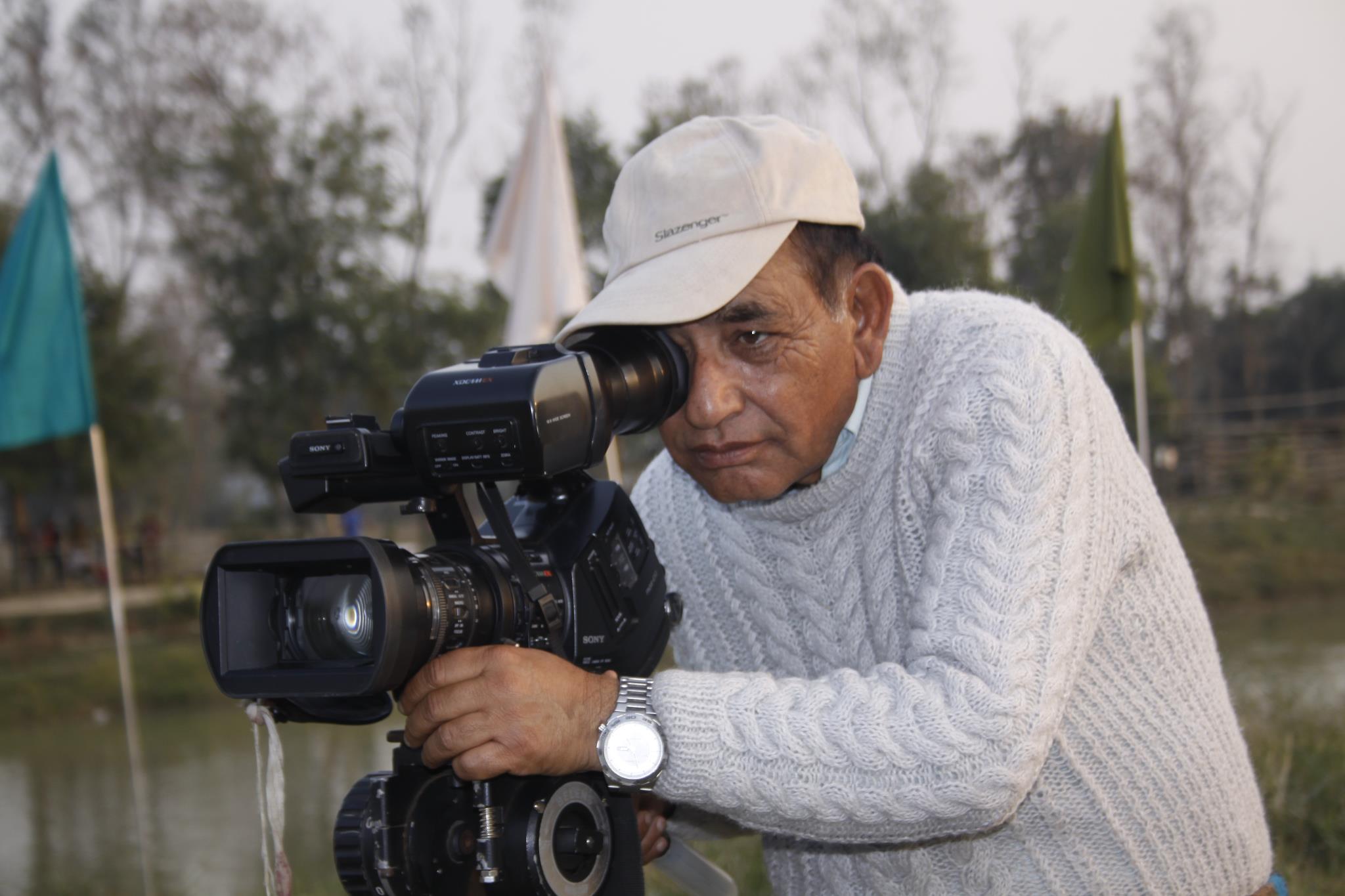
Laxminath Sharma is a pioneering figure in Nepali cinema, known for his multifaceted contributions as a film director, screenwriter, lyricist, production designer, and legal advisor. Born on September 24, 1945 in Barbote, Ilam, he began his career in the early 1970s with the Royal Nepal Film Corporation and later became a leading force in shaping narrative-driven Nepali films Education: MA in History, Tribhuvan University Diploma in Cinema (Direction), FTII Pune (1977) Film/TV/Animation training, AIBD Malaysia (1982) Notable Roles: Director of acclaimed films like Badlindo Aakash (1983), Shanti Deep (1989), Milan (1993), Sarangi (1994), Bidrohi (2002) Screenwriter and lyricist for Bhai Tika, Apaharan (Ekadeshma), Angalo Angaloma Legal advisor for Timro Kasam (2013) Board member at Oscar International College of Film Studies since 2003
Laxminath Sharma
Film Director
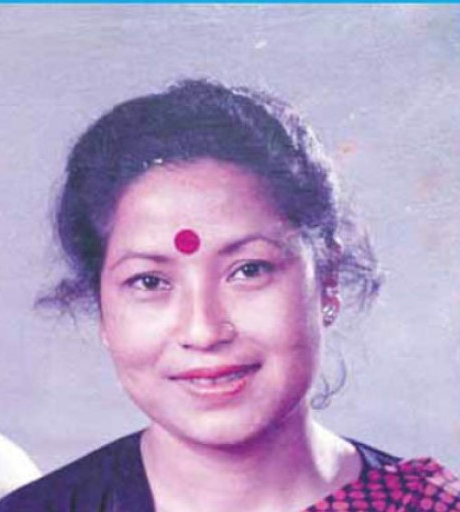
Starting from her early childhood in Lazimpat, Kathmandu, Sakuntala Sharma (born 2008 B.S.) grew into one of Nepal’s most respected theatre artists and actresses, known for her expressive performances and deep commitment to stagecraft. She began acting at the age of ten with the play Palansko Phool, marking the start of a lifelong dedication to Nepali theatre. In 2033 B.S., she entered an inter‑caste arranged marriage with actor and theatre director Harihar Sharma, forming one of Nepal’s most influential artistic partnerships.Sakuntala became widely recognized for her powerful roles in acclaimed plays such as Kosanga Judhaun, Manis ra Mukundo, Pahad Chichyairahechha, Farkera Herdā, Kankal, Chyatitako Parda, and Parkhalbhitra. Her transition to cinema in the 1970s brought memorable performances in Hijo, Aaja ra Bholi, Badlindo Aakash, Vasudev, Mayapriti, Chokho Maya, Chelibeti, Sindoor, and Santaan Tharitharika. She also contributed significantly to Radio Nepal through numerous radio dramas, strengthening her legacy as a versatile and enduring performer in Nepali performing arts.
Sakuntala Sharma
Theatre Artists
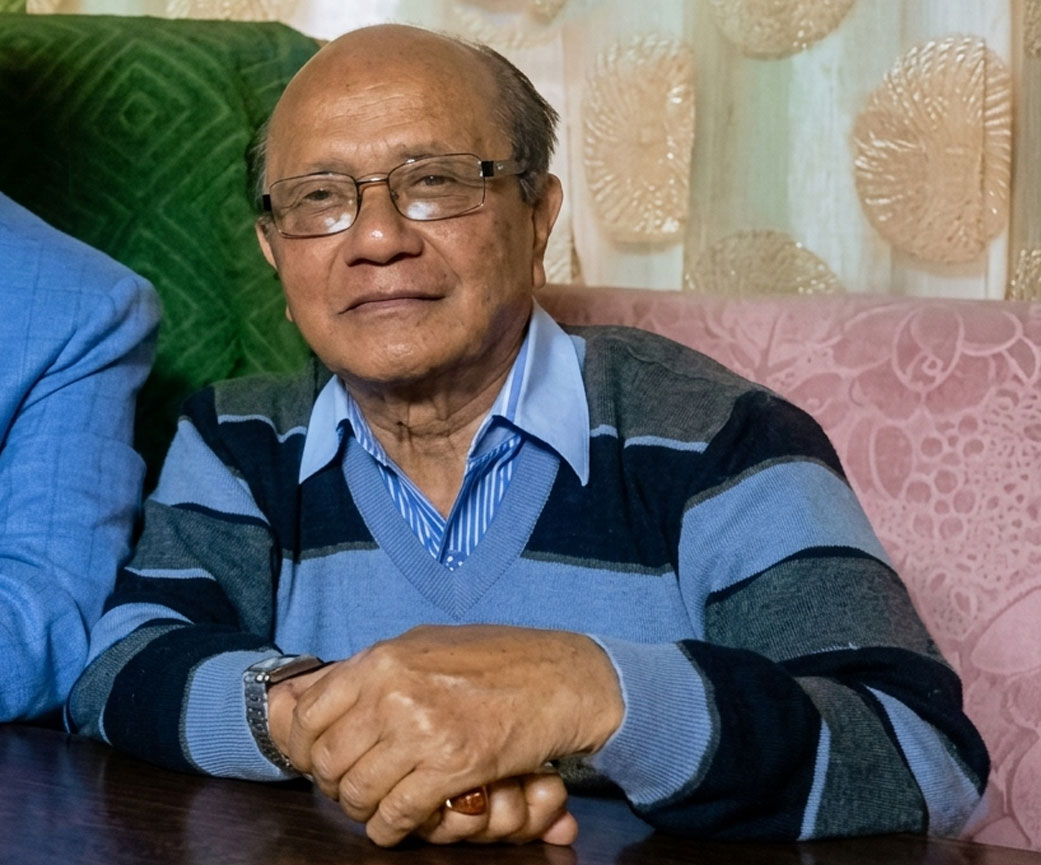
Tirtha Lal Shrestha is recognized as the first film editor of Nepali cinema, establishing his legacy with the landmark film ‘Man Ko Bandh,’ released on Falgun 7, 2030 BS, marking the beginning of credited film editing in Nepal. Working in the era of manual flatbed editing, he shaped the narrative rhythm, emotional tone, and cinematic structure of early Nepali films, earning the industry’s respect as the “second director” for his decisive role in transforming raw footage into cohesive storytelling. Shrestha edited notable films including Man Ko Bandh, Kumari, Ke Ghar Ke Dera, and dozens of other productions, contributing significantly to the foundation of Nepal’s post‑production craft and influencing generations of editors who followed.
Tirtha Lal Shrestha
Video-film Editor, Colorist
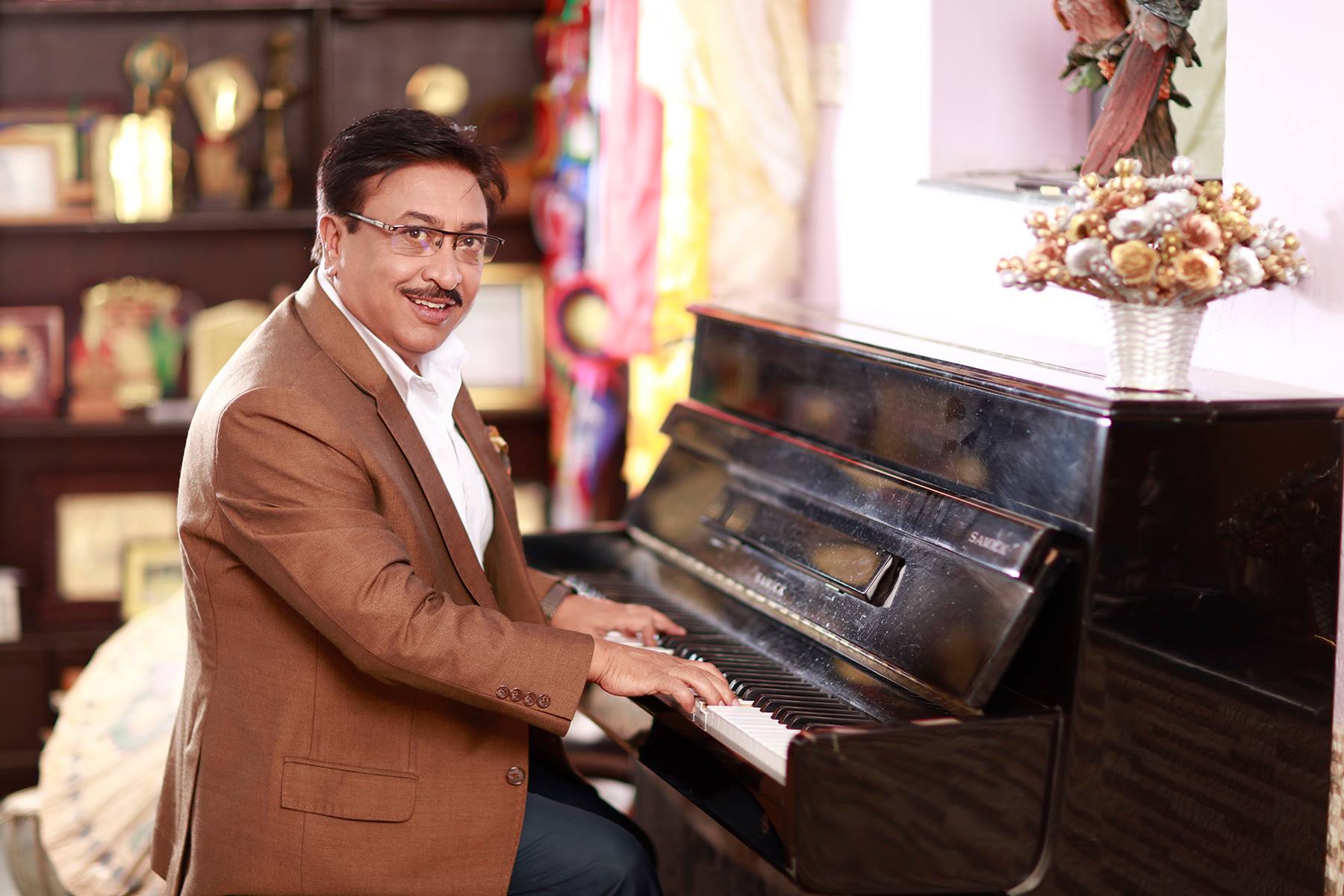
Shambhujeet Baskota (born 15 March 1957, Nepal) is one of the most prolific and influential music composers in Nepali cinema. Active since 1971, he has shaped the sound of modern Nepali film and pop music through his melodic style, emotional depth, and versatility. He has composed music for over 355 Nepali feature films and created more than 2,000 modern songs, folk songs, and bhajans, making him a defining figure in the industry. He is also credited as the director of Nepal’s first music video, Mayalu Timi Tadha (1985), sung by actor Bhuwan KC.Beyond music, he has contributed to social causes, including anti‑drug programs for children.
Shambhujeet Baskota
Music Director
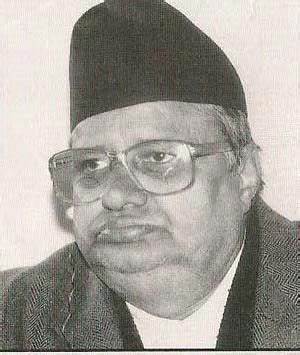
Chandra Raj Sharma was a prominent Nepali musician and composer, celebrated for his contributions to classical and modern Nepali music. Born on Falgun 24, 2000 BS (1943 AD) in Maitidevi, Kathmandu, he was the son of Sangeet Shiromani Yagya Raj Sharma, who introduced him to classical music. Chandra Raj Sharma pursued formal education in music, earning a Bachelor of Music degree from Prayag Sangeet Samiti, Allahabad, and later a Bachelor of Commerce degree. Throughout his career, he composed music for over 350 modern songs and sang more than 50. He gained fame for his work in Giti Natak (musical dramas) such as "Muna Madan," "Bhrikuti," and "Shree Krishna Lila," as well as Nepali movies like "Kumari" and "Jiwan Jyoti." He also served as a music teacher and held various positions in cultural institutions, including the Cultural Department of His Majesty's Government.
Chandra Raj Sharma
Music Artists, Music Director, Music Instructor
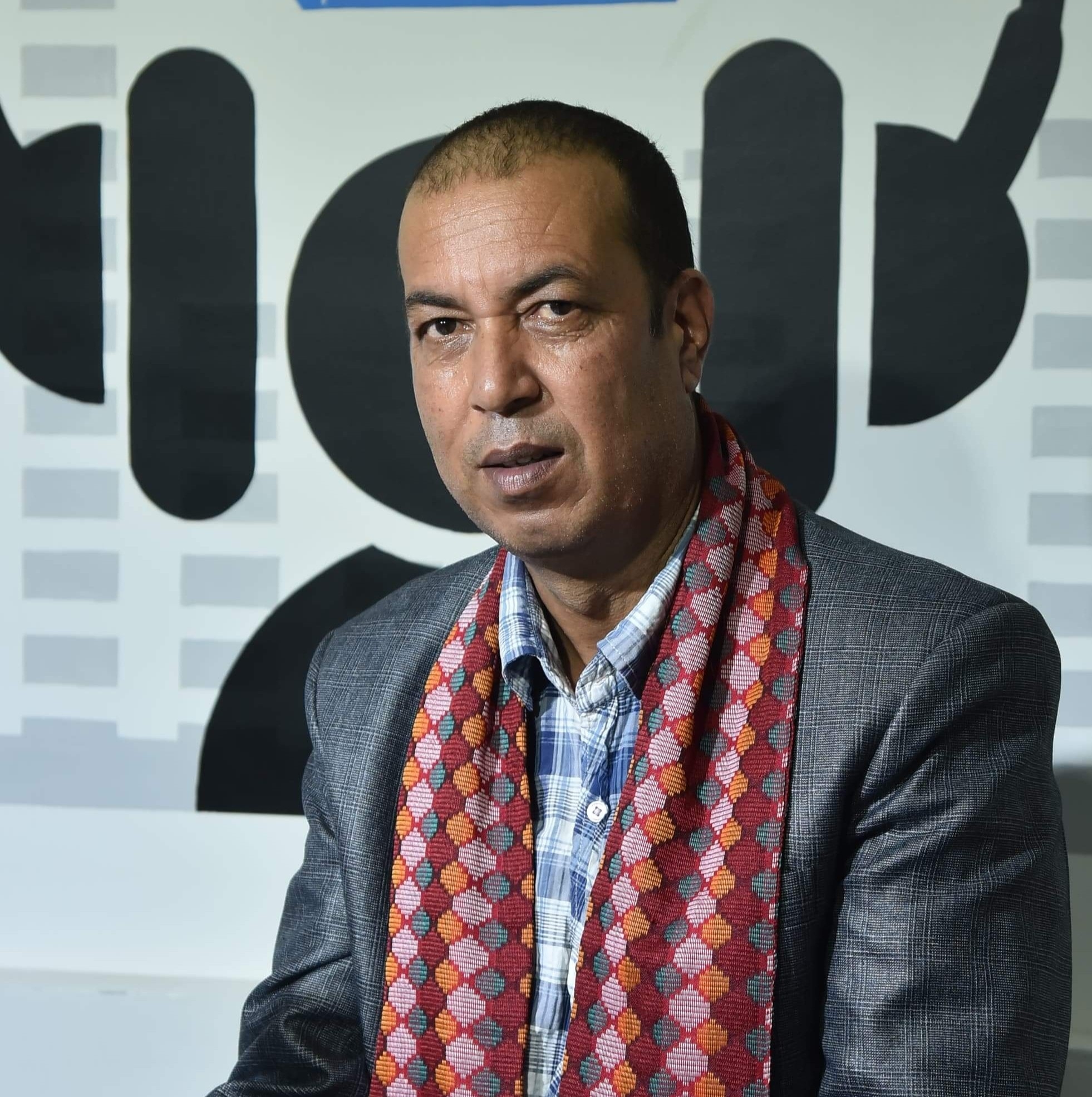
Dayaram Dahal (born 27 May 1970, Kavrepalanchok) is a veteran Nepali filmmaker active since the late 1980s, known for his multi‑disciplinary contributions as a director, actor, producer, writer, lyricist, and music director. He began his career in 1987–1990 as an assistant director before rising to prominence in the 1990s, becoming one of Nepal’s highest‑paid directors of the era. His film Nepal (2007) became the first Nepali feature film partly shot in the United States, marking a milestone in the industry. Dahal has directed, acted in, or contributed musically to over 60 films, including major hits such as Thuldai, Ta Ta Sarai Bigris Ni Badri, Ma Timi Bina Marihalchhu, Farkera Herda, and Dasgaja. He served as the Executive Chairperson of the Film Development Board of Nepal from June 4, 2020 to June 3, 2022, where he focused on policy reform, artist welfare, and institutional strengthening. He is also a founding member of the Film Directors Guild of Nepal and a long‑time contributor to multiple film associations.
Dayaram Dahal
Film Director
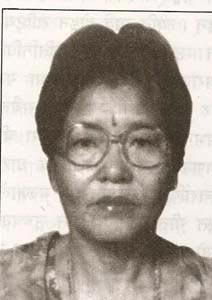
Ganga Rana was one of Nepal’s most influential voices in adhunik (modern) music, celebrated for her effortless singing style and her rare ability to perform both modern and folk songs with equal mastery. Her patriotic songs, emotional depth, and artistic versatility made her a defining figure in Nepal’s musical history. She was not only a singer but also a composer and lyricist, contributing significantly to the creative evolution of Nepali music.Born on Poush 9, 1996 BS in Rumjatar, Okhaldhunga, to Champa Singh Gurung and Chandra Devi Gurung Rana, she moved to Kathmandu at a young age with her elder sister and brother‑in‑law to pursue her education. However, her passion for music soon took precedence. While studying at Gaushala Adhar School, Chabahil, she actively participated in singing, dancing, and acting—laying the foundation for her artistic journey.Ganga Rana recorded her first song at Radio Nepal at age 14, and by 2010 BS, she was working there professionally. Her breakthrough moment came during the coronation of King Mahendra, where her performance captivated the entire audience. In 2011 BS, she gained national and international attention after singing a patriotic song to welcome Chinese Prime Minister Chou En‑lai during his visit to Nepal.She married Nur Pratap Rana in 2018 BS, and they had three children—sons Kundan Pratap and Amir Pratap, and daughter Rakshya Rana, who later became Nepal’s first female pilot.Throughout her career, Ganga Rana earned numerous honors:Gold Medal for acting from Nepal Rastriya Pustakalaya (2016 BS)2nd place in Radio Nepal’s Adhunik Singing Competition (2019 BS)1st place in the same competition (2020 BS)Awarded by King Mahendra for winning again in 2023 BSHonored for acting by the Cultural Association (2030 BS)Shree Panch Birendra Subharajyabhishek Padak (2031 BS)In 2049 BS, her husband established the Nurganga Puraskar Guthi in her memory, honoring artists from Lumbini every year.
Ganga Rana
Folk Singer, Singers & Vocalists
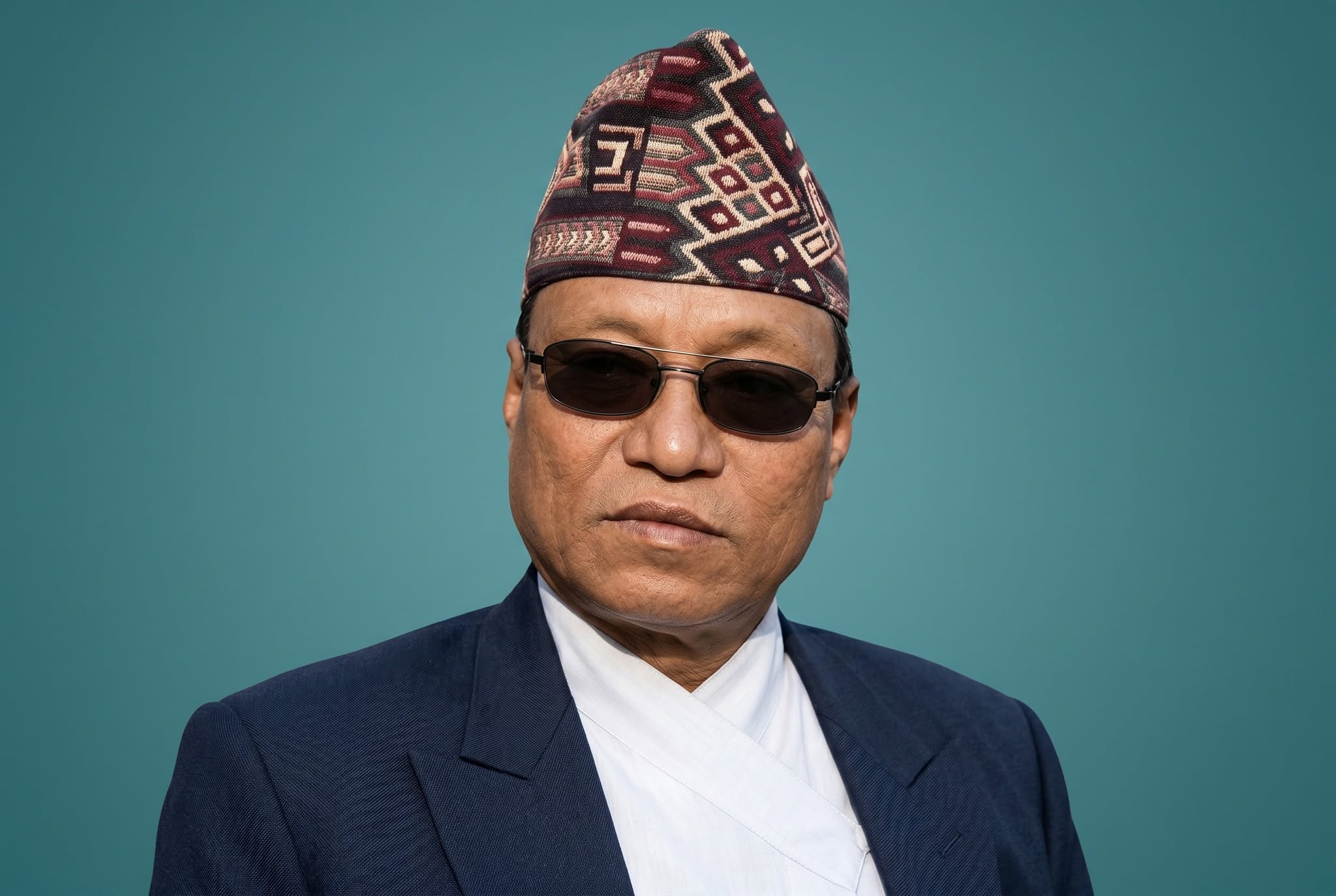
Pandav Sunuwar (पाण्डव सुनुवार) was a celebrated Nepali folk singer and pioneering Radio Nepal RJ, admired for his soulful voice, natural humor, and radio programs that transformed Nepal’s broadcasting culture. Born on 2009 BS Poush 9 in Ragani, Okhaldhunga, he rose from the eastern hills to become one of Nepal’s most beloved musical voices.He entered the music field around 2030 BS with the song “Sapanabhari Hansirahunshu”, and went on to record dozens of evergreen folk hits including “Ainseluko Paat,” “Sakyo Nani,” “Shahrai Jaula Ni,” “Bhijyo Timro Rato Pachhyauri,” “Babari Phoolko Bot,” and many more that remain cultural staples across generations.His duet partnership with Vasudev Munal produced nearly five dozen songs, making them one of the most iconic duos in Nepali folk music history.As a Radio Nepal RJ, Pandab Sunuwar became a household name through programs like Phone‑In, Chautari, Jharna ra Jhankar, Sungabha, Indreni, and others. He is widely credited with introducing Nepal’s first Phone‑In program, a format later adopted by FM and TV stations nationwide. His warm, witty, and emotionally resonant voice made him a national favorite.He authored the book “Aaroh‑Avaroh”, documenting the evolution of Radio Nepal and Nepali broadcasting.Pandab Sunuwar passed away on 2063 BS Asoj 21 at King’s College Hospital, London, while undergoing treatment for liver cirrhosis. His artistic legacy continues through his children, including his son Simosh Sunuwar, a well‑known music video and advertising film director active in Nepal’s contemporary visual and commercial media industry.
Pandav Sunuwar
Radio Jockey [RJ], Folk Singer
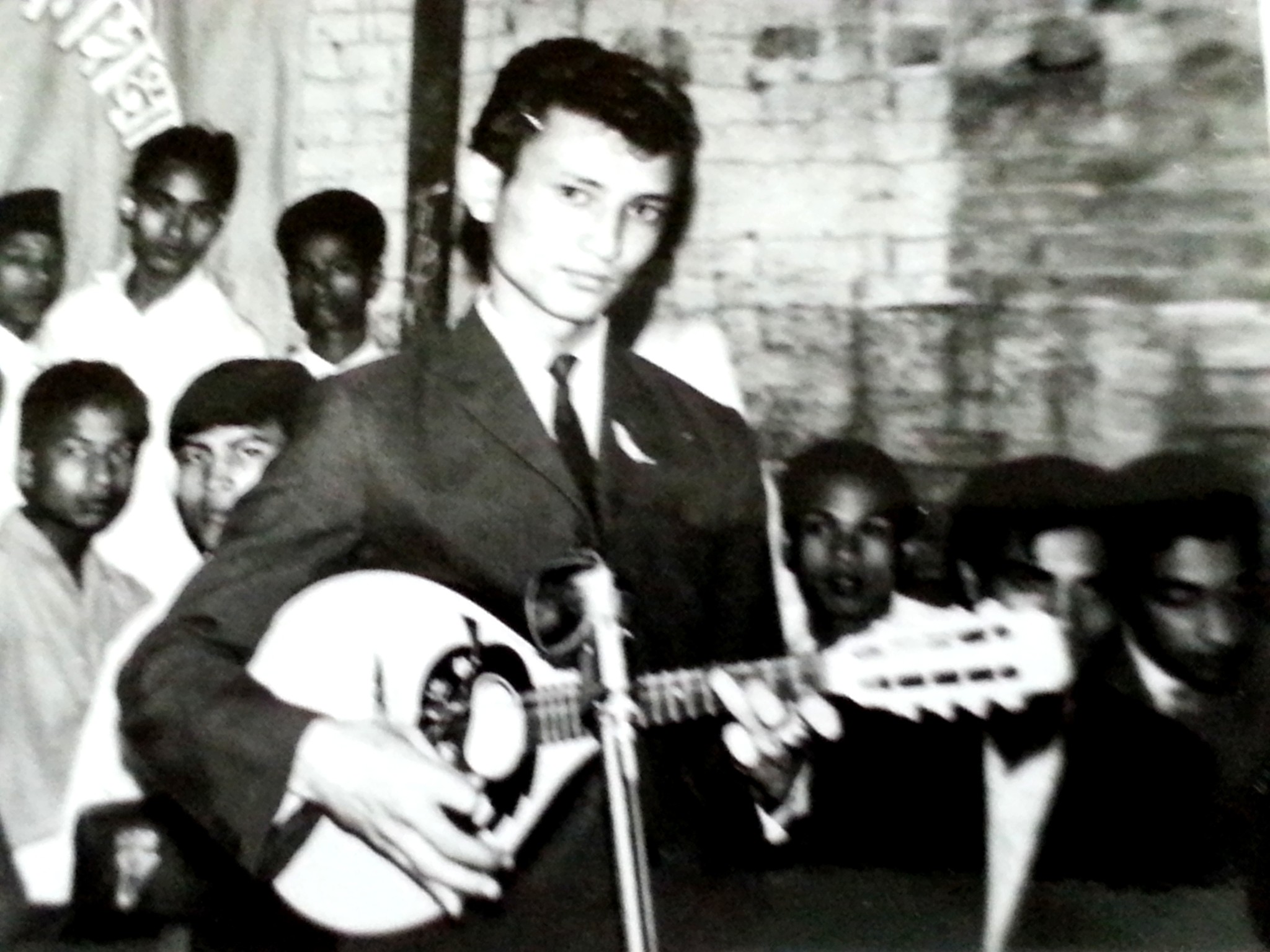
Saran Kumar Pradhan (1943–1974) was one of Darjeeling’s most gifted lyricists, composers, and mandolin virtuosos, shaping the golden era of modern Nepali music. Born on 4 May 1943, he grew up in a culturally vibrant Darjeeling and taught himself banjo, harmonium, and mandolin with remarkable mastery. A science graduate from St. Joseph’s College, he later taught at St. Robert’s School, where he also composed the school anthem. A student of maestro Amber Gurung, Saran emerged as a leading figure of Adhunik music alongside Aruna Lama, whom he married in 1963. Their partnership produced timeless classics such as “Yaha Ful Nakhili Cha,” “Sabaile Bhanthe,” “Hera Na Hera Kancha,” and many others. His music club Sangeet Sangam became a creative hub that nurtured Darjeeling’s finest talents. Saran passed away in 1974 at just 31, leaving behind a luminous body of work that continues to define Nepali musical heritage.
Saran Kumar Pradhan
Music Director, Musicians & Instrumentalists
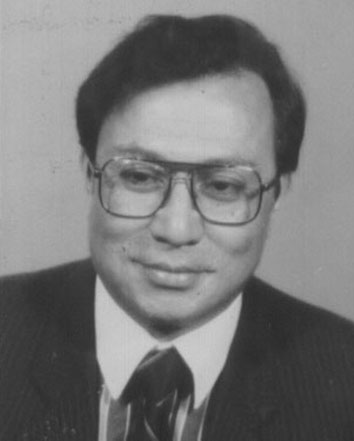
Ram Man Trishit, also known as Ram Man Shrestha, was a renowned Nepali lyricist celebrated for his contributions to modern Nepali music. Born around 1941, he was not only a gifted lyricist but also a medical doctor by profession. His lyrics were often brought to life by composers like Shiva Shankar and singers such as Tara Devi and Narayan Gopal. Some of his notable songs include: "Dilma Hajur Ayera" (sung by Tara Devi) "Mancheko Maya Yaha" (sung by Narayan Gopal and Gyanu Rana) "Yek Phool Jharera Ke Bho" (sung by Tara Devi) He passed away on May 31, 2011, leaving behind a legacy of timeless music.
Ram man trishit
Lyricist
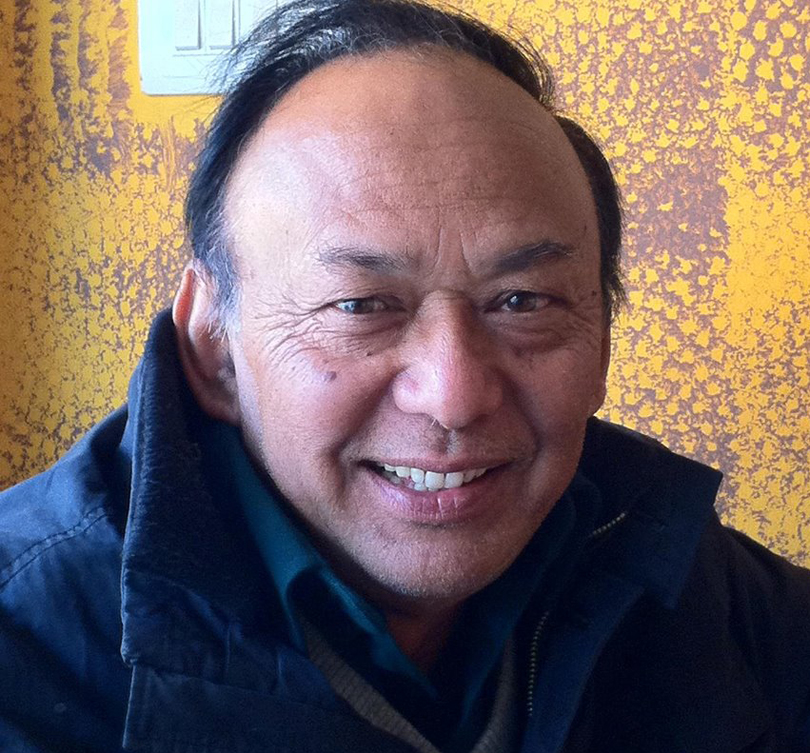
Shambhu Pradhan is a respected Nepali film director, editor, and actor whose work helped define the commercial era of the 1980s–1990s. Known for directing memorable films such as Samjhana, Behuli, Sapana, Bishwas, and Santaan, he earned recognition for blending emotional storytelling with strong musical and dramatic structure. Pradhan also contributed as an editor and occasional actor, making him one of the versatile multi‑disciplinary figures of his generation. His films remain popular for their narrative clarity, character‑driven arcs, and enduring cultural impact. With a career spanning more than two decades, he is regarded as a key contributor to the growth of modern Nepali cinema.
Shambhu Pradhan
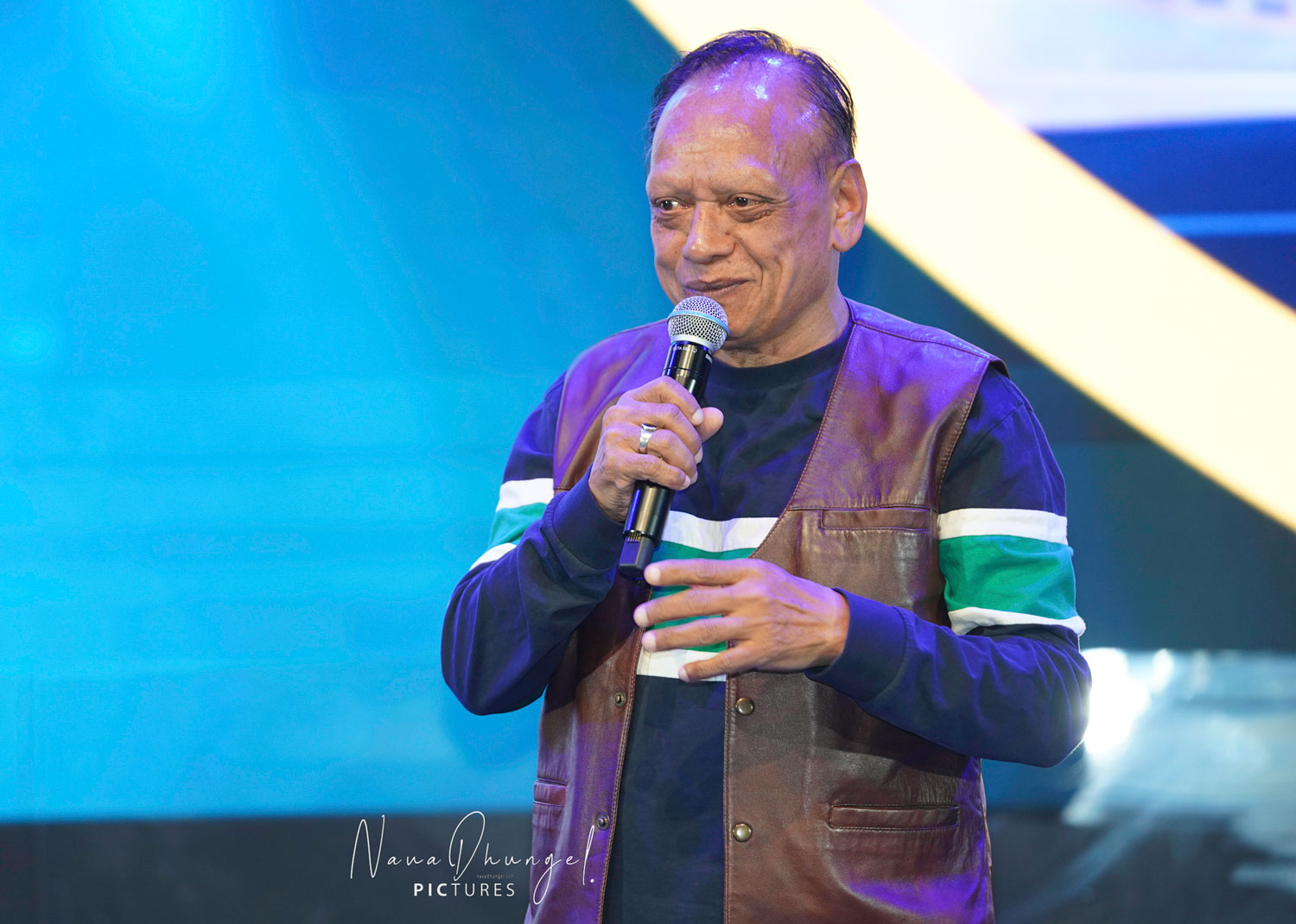
Madan Singh Nepali is a pioneer Nepali singer and guitarist, celebrated for his defining influence on the golden era of modern Nepali music. A key studio musician of Radio Nepal, he contributed guitar to countless classic recordings and lent his voice to memorable songs including “Relimai” and “Pal Pal.”His discography features enduring favorites such as “Yo Hawa Yo Lahar,” “Sunsan Raat,” “Seti Dovana,” “Jadaichhu,” “Danda Mathi,” and multiple versions of “Relimai.” His 1997 album “Pal Pal Raharama” remains one of his signature works and a milestone in Nepali pop‑folk music.
Madan Singh Nepali
Singer/ Performer
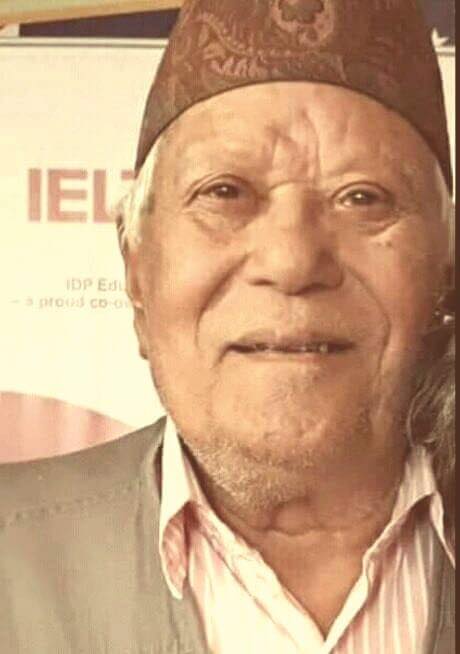
Bhim Bahadur Thapa was a celebrated Nepali film actor known for his versatility, physical agility, and long-standing contribution to Nepali cinema. Active across several decades, he appeared in nearly 100 films and popular television serials, including Tito Satya. Thapa acted in notable films such as Basai (2005), Aama (1996), Tuhuro (1994), Arpan (1993), and Goreto (2002), earning recognition for his expressive performances and strong screen presence. Before entering cinema, he served in the British Army and even participated in World War II. Fondly known as “Nepali Tarzan,” “Nepali Babu,” and “Dancer,” he remained admired for his unique persona and dance skills. Thapa passed away on 13 June 2018 at the age of 92, leaving behind a memorable legacy in Nepali entertainment.
Bhim Bahadur Thapa
Character Artists, Film Artists
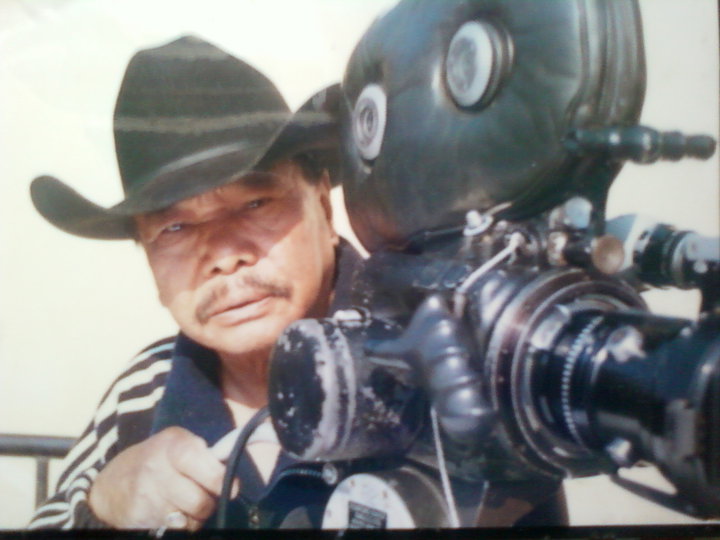
Pratap Subba was a pioneering Nepali film director, writer, and lyricist from Darjeeling whose work helped shape the early identity of Nepali cinema. Active primarily in the 1970s and 1980s, he directed influential films such as Paralko Aago, Bachna Chahane Haru, Masaal, Kahi Andhyaro Kahi Ujyalo, Didi, Chatyang, and Bhisma Pratigya. Known for his realistic storytelling and strong emotional depth, Subba also contributed memorable lyrics and dialogues that enriched the cultural texture of his films. His commitment to authentic Nepali narratives made him one of the most respected filmmakers of his generation, leaving a lasting legacy in both Nepali and Darjeeling-based cinema.
Pratap . Subba
Film Director
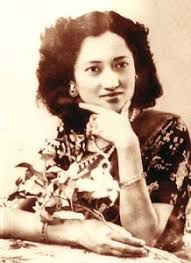
Shanti Maskey (born Magh 5, 1983 B.S. in Gorkha; passed away Magh 4, 2067 B.S.) was one of the most influential and pioneering actresses in Nepali performing arts. Known for her powerful presence across film, theatre, radio, and music, she helped shape the early identity of Nepali cinema and became a cultural icon whose legacy continues to inspire generations. She was passionate about singing, gifted with a naturally melodious voice. Her formal musical journey began in Biratnagar, where she introduced herself as a singer through Prajatantra Radio, gaining recognition for her expressive vocal style. This early artistic exposure strengthened her foundation before she transitioned into full‑time acting.
Shanti Maskey
Character Artists, Film Artists
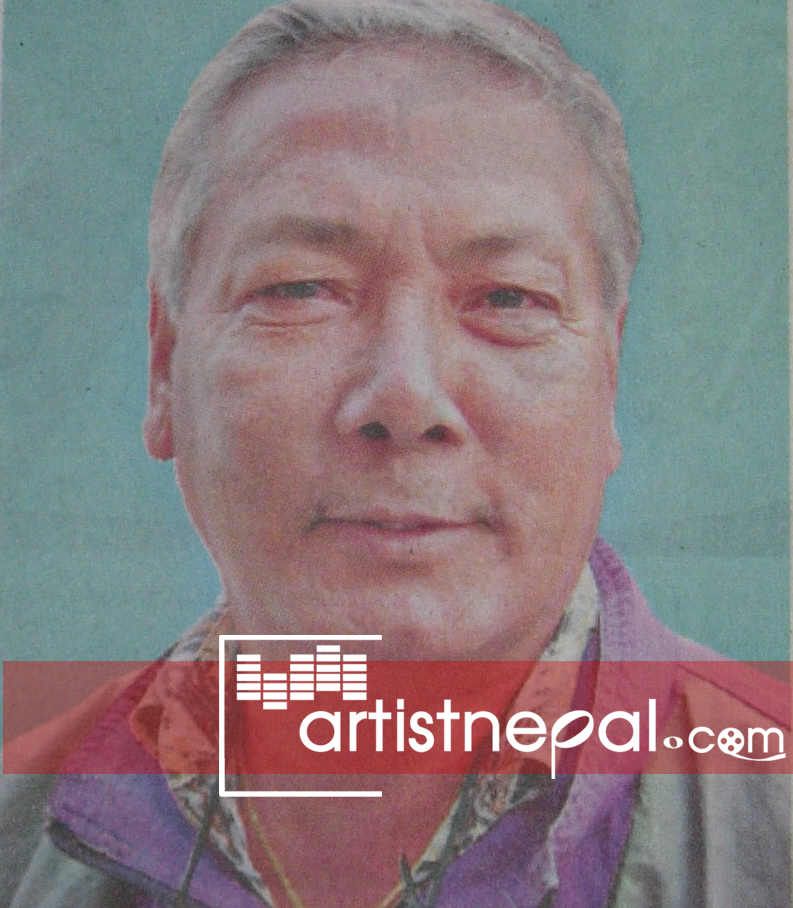
Kalyan Sherchan was a Nepali folk singer and composer known for his contribution to lok‑geet and traditional Nepali music. His works, many of which were broadcast through Radio Nepal, reflect the emotional storytelling and melodic simplicity that define classic Nepali folk traditions. Sherchan wrote and composed songs such as “Mai Dukhilai Ja Basyo Ui Ramro” and contributed to several lok‑geet recordings that remain popular in rural and urban Nepali communities. His music continues to be covered by contemporary artists, preserving his legacy as a respected figure in Nepal’s folk music heritage. Sherchan passed away on 7 February 2011.
Kalyan Sherchan
Folk Singer