
Explore Artists
Browse through 2,004 talented actors, musicians, dancers, filmmakers and creative professionals from Nepal.
2,618
All Artists
194
Actor
222
Actress
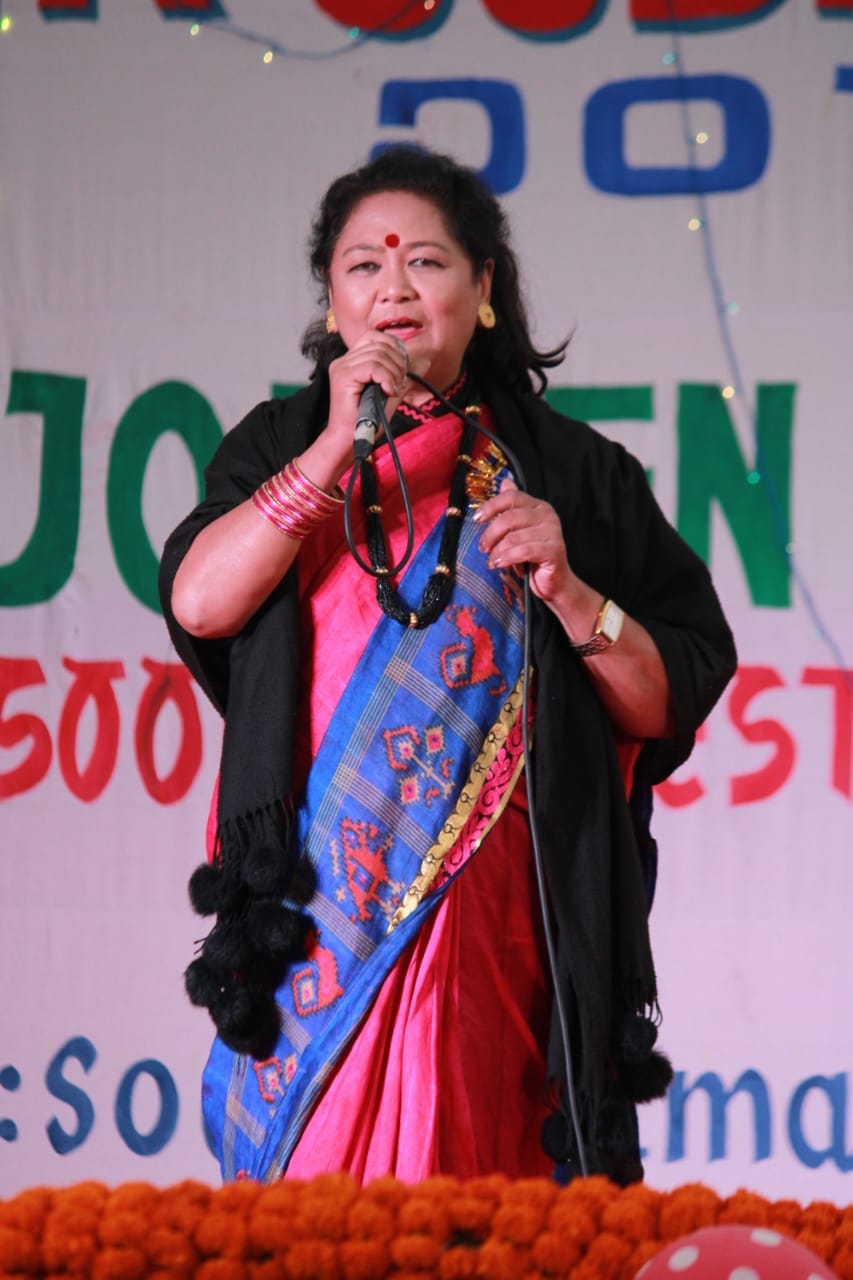
Daisy Baraili is a cherished figure in Nepali music, known for her emotive voice and poetic depth. Originally from Darjeeling, she rose to fame with her soulful performance of “Bhaisi Ladyo Hai Maya Bhirbata Hera”, a song that became an instant classic after airing on Radio Nepal. Her repertoire spans heartfelt ballads like “Euta Khulla Kitab”, “Bhikhari Hoon Ma”, and “Bandhan Ra Badhyatama”, many of which were featured in the beloved Paleti music series. She often collaborated with her husband, composer Chandan Lamjel, and their daughter Vimochana Lamjel has followed in her footsteps as a singer. Daisy’s music blends traditional Nepali sentiment with modern lyrical storytelling, earning her a devoted following across generations.
Daisy Baraili
Music Artists, Singer/ Performer
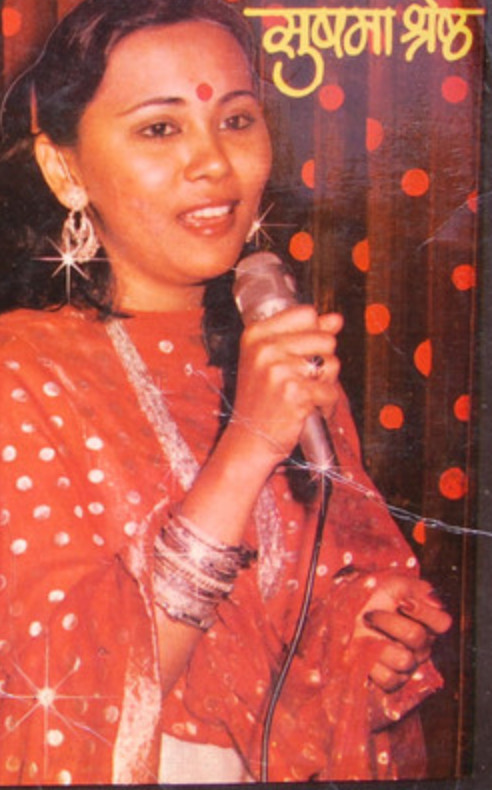
Sushma Shrestha, later known as Poornima, is a distinguished playback singer of Nepali Newar heritage whose voice became a defining presence in South Asian cinema. Rising to fame as a child singer in the 1970s, she delivered several timeless hits marked by clarity, emotional purity, and effortless melodic control. Alongside her celebrated Bollywood career, she contributed memorable songs to Nepali music, earning admiration across generations. With a career spanning decades, Shrestha remains recognized for her versatility, youthful vocal texture, and enduring influence on film playback singing.
Sushma Shrestha
Playback Singer
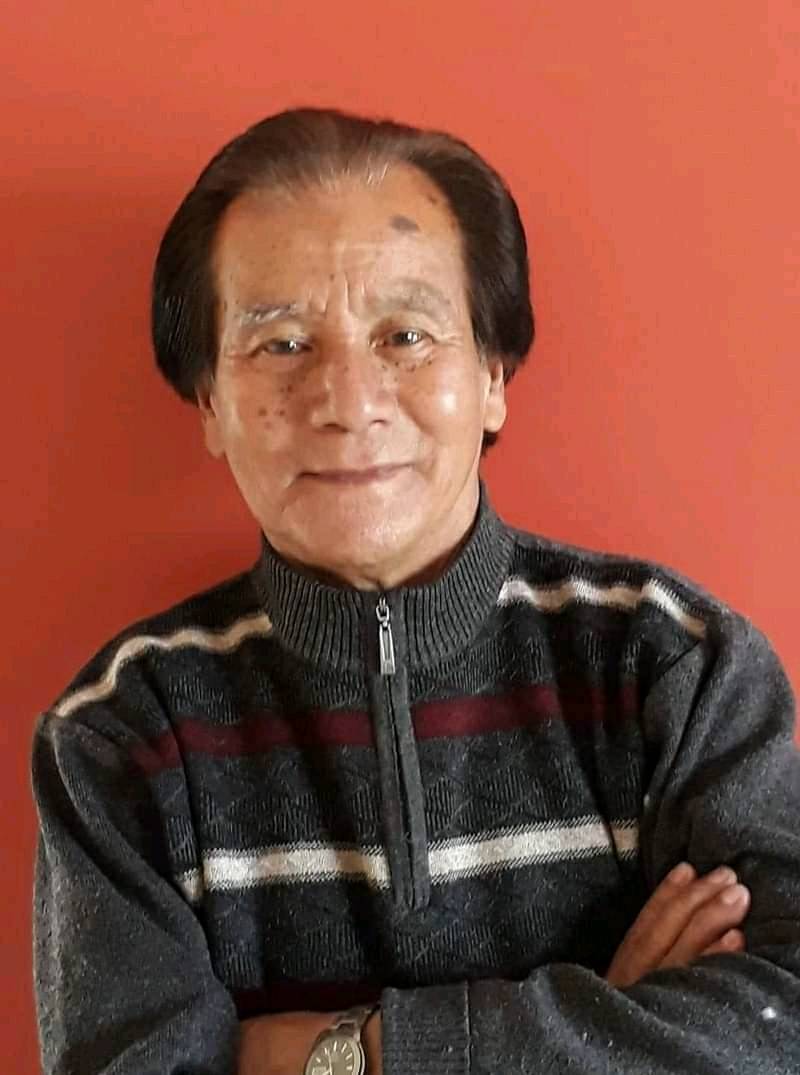
Karma Yonjan is a respected figure in Nepali Adhunik (modern) music, known for his lyrical depth and evocative compositions. Originally from Darjeeling, he gained recognition through his performances in the Paleti music series, where his collaborations with artists like Kumar Subba and Daisy Baraili stood out for their emotional resonance and poetic storytelling. Some of his most beloved works include: “Kati Bujhaaun” — a poignant reflection on emotional endurance, written and composed by Yonjan himself. “Samjhera Bujhera” — a duet with Dil Maya Khati that showcases his melodic sensitivity. “Mechiko Wari Basera” — a nostalgic piece performed with Kumar Subba.
Karma Yonjan
Music Artists, Singer/ Performer

Nabina Shrestha is a Nepali actress best known for her leading role in the landmark Newar‑language film Silu (1987). Portraying Tuyu Maicha in the first feature film made in Nepal Bhasa, she became part of a historic moment in Nepali cinema, helping bring Newar culture, language, and emotional storytelling to the screen. Her performance in Silu is remembered for its natural expression and cultural authenticity, securing her a respected place in the cinematic memory of the late 1980s.
Nabina Shrestha
Actress
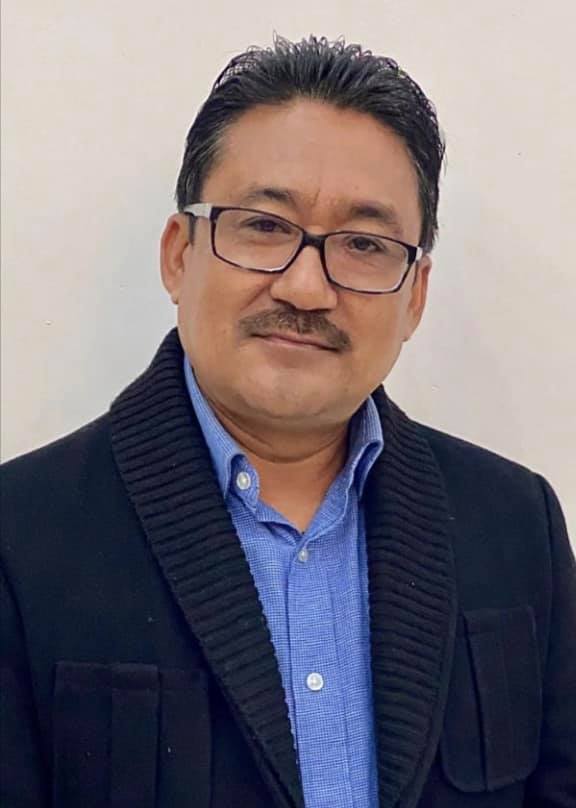
Sunil Maskey is a revered Nepali music director, flutist, and composer, born on March 24, 1967 in Gorkha, Nepal. He began playing the flute in grade 7 and is entirely self-taught. His musical journey took off in the 1980s, and he formally entered the industry around 1988. Maskey’s signature lies in his soulful flute melodies and emotionally resonant compositions. After a 13-year hiatus to pursue business, he made a powerful comeback in 2010 with the song “Sunibha”. Over the years, he has released multiple solo albums like “Shubh”, “Madhur Milan”, and “Shravani”, each showcasing his unique musical identity.
Sunil Maskey
Music Artists, Music Director
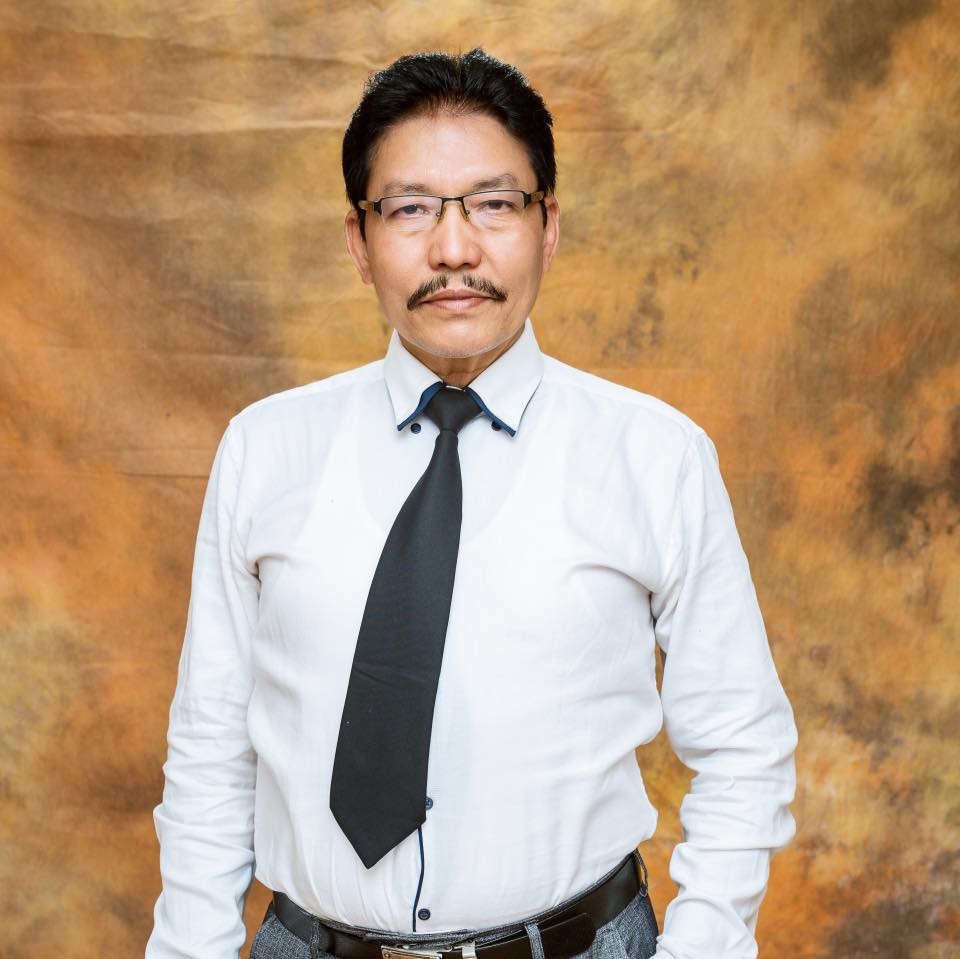
Juju Kaji Ranjit (born October 2, 1955) is a legendary Nepal Bhasa and Nepali singer whose six‑decade career has made him one of the most respected voices in Newar music and cultural preservation. He began singing at age ten during the 1965 language movement, using music as a medium of identity and expression. Over the years, he has recorded 44 songs, including contributions to Nepal’s first indigenous‑language feature film Silu, and has remained active through albums, live concerts, and cultural projects. His voice, lyrical sensitivity, and dedication to Nepal Bhasa music have earned him enduring recognition and numerous honors.
Juju Kaji Ranjit
Singer/ Performer
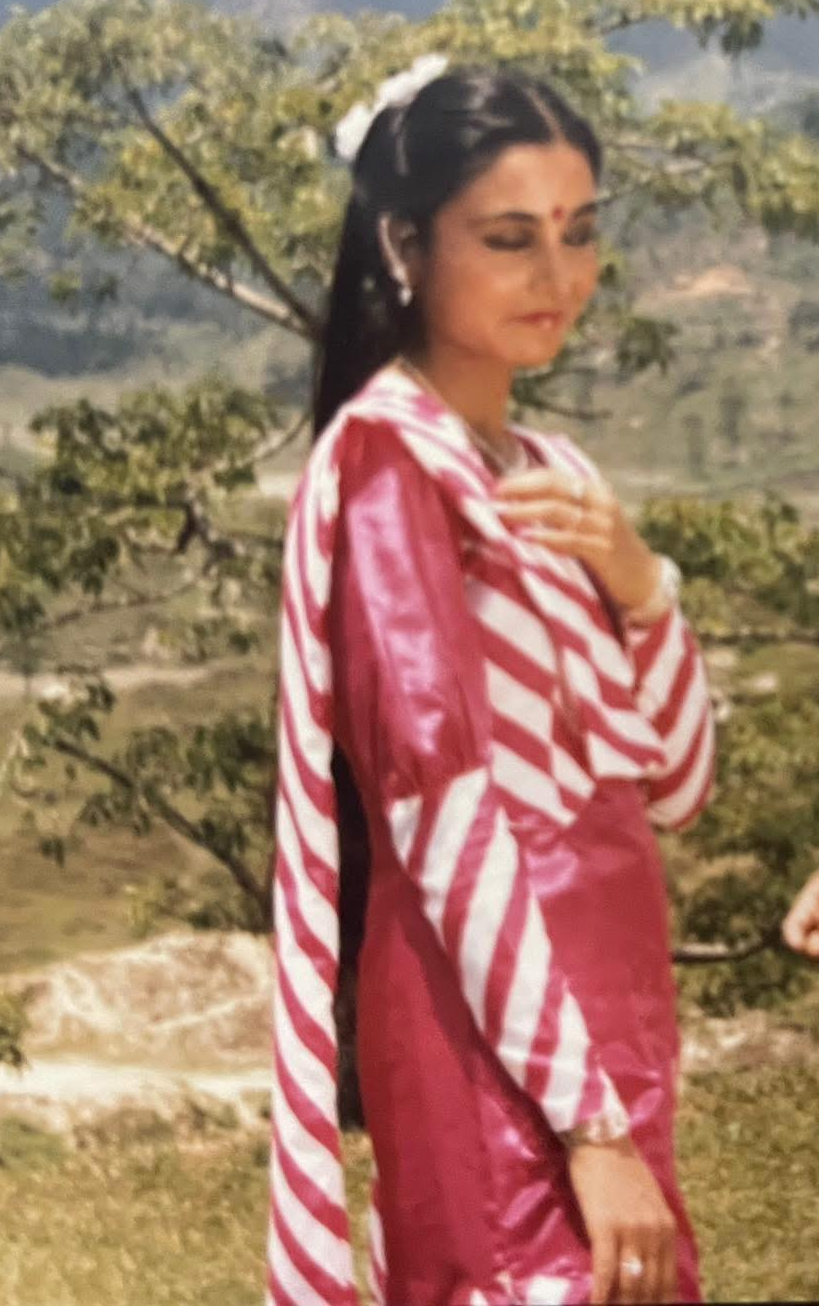
Rajashree Chettri is a Nepali actress active in the mid‑1980s, known for her graceful screen presence and roles in social and family‑drama films of the period. Her performances reflected the emotional clarity and natural acting style characteristic of the era, contributing to the evolving visual identity of Nepali cinema during the late 1980s. Though her filmography remains limited in public archives, Chettri is remembered for her expressive roles, cultural authenticity, and participation in a formative chapter of Nepali film history
Rajashree Chettri
Actress
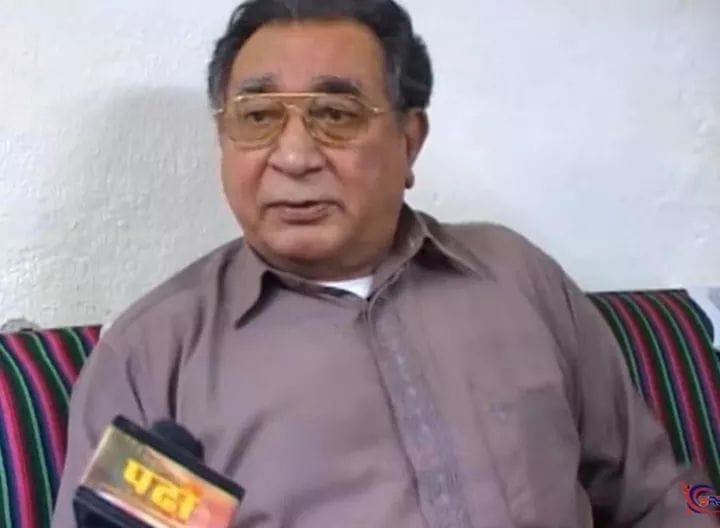
Jayanendra Chand Thakuri (1942–2020) was a prolific Nepali film actor whose career helped shape the foundation of modern Nepali cinema. A former Indian Army serviceman and Jawalakhel Youth Club cricketer, he entered films with Jeevan Rekha (1982) and went on to appear in over 100 films, becoming one of the most recognizable character actors of his era. Known for his grounded performances in social dramas, romantic stories, and action narratives, he brought emotional weight and authenticity to every role. His notable works include Kanchhi, Bishwas, Maya Preeti, Pheri Bhetaula, Angarakshyak, and Parkhi Base. He remained active until 2011 and is remembered as a respected, steady pillar of Nepali cinema.
Jayanendra Chand Thakuri
Film Artists

Komal Oli is a Nepali folk singer and former Radio Nepal news anchor known for her powerful lok‑geet vocals and her long career in national broadcasting. She rose to prominence with hit folk numbers that blended traditional melodies with her distinct vocal style, making her one of the most recognizable female voices in Nepali folk music.As a news anchor and program presenter at Radio Nepal, she became a trusted national voice, contributing to Nepali media for many years before transitioning fully into music and public life. Her songs, stage performances, and cultural presence have made her a prominent figure in modern Nepali lok‑sangeet.
Komal Oli
Media Personality, Folk Singer
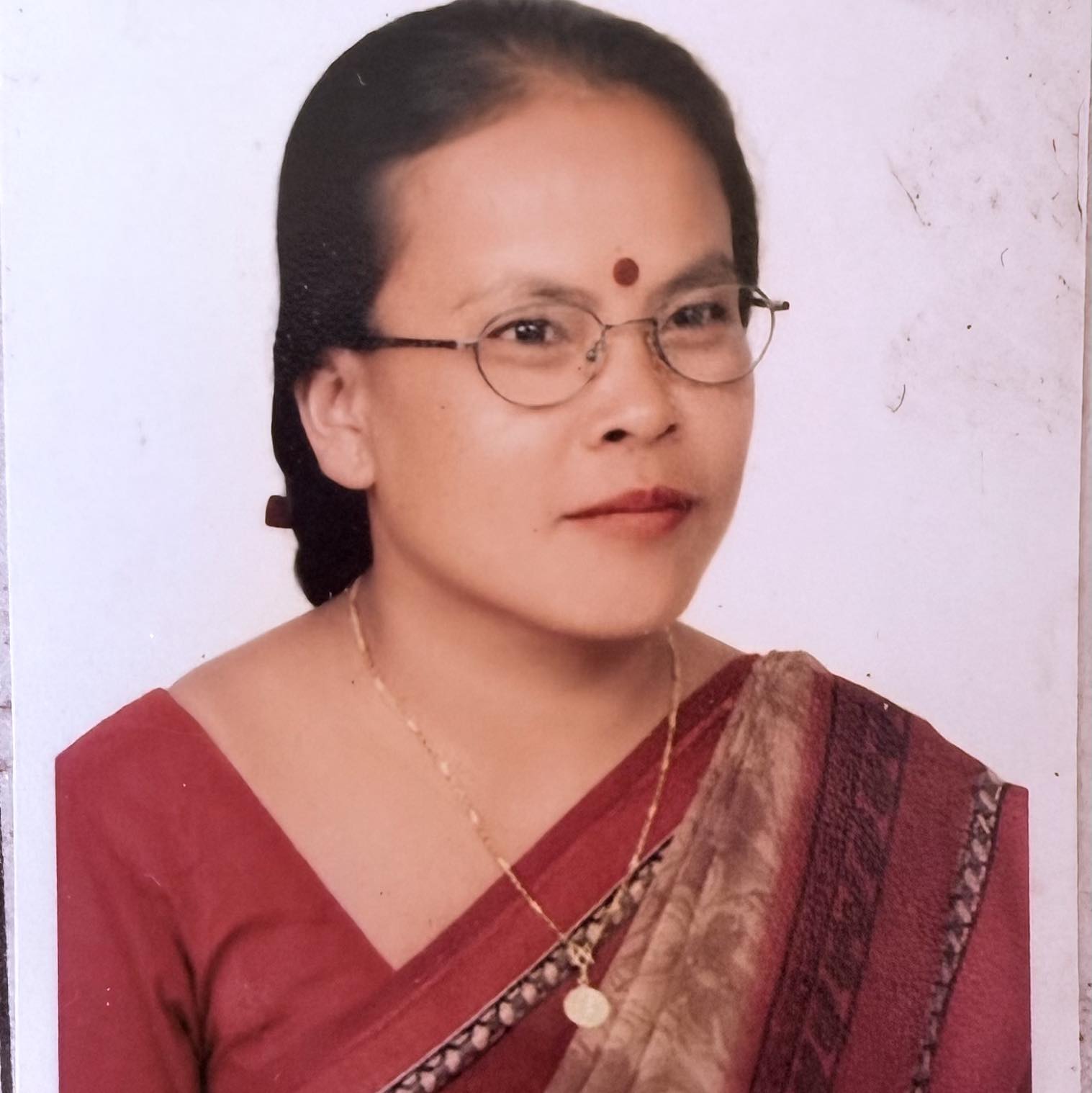
Bima Kumari Dura is a renowned Nepali Lok Dohori singer celebrated for her soulful voice and contributions to traditional Nepali folk music. She has captivated audiences with her performances and has released several popular songs that showcase the rich cultural heritage of Nepal. Her music often reflects themes of love, nostalgia, and rural life, making her a beloved figure in the Lok Dohori genre. She hails from the Dura community in Lamjung, Nepal, and began her musical journey in 1989 with the song "Chhoriko Juni." Over the years, she has released numerous songs and albums, collaborating with various artists and gaining popularity in the Nepali music industry.
Bima Kumari Dura
Music Artists, Folk Singer
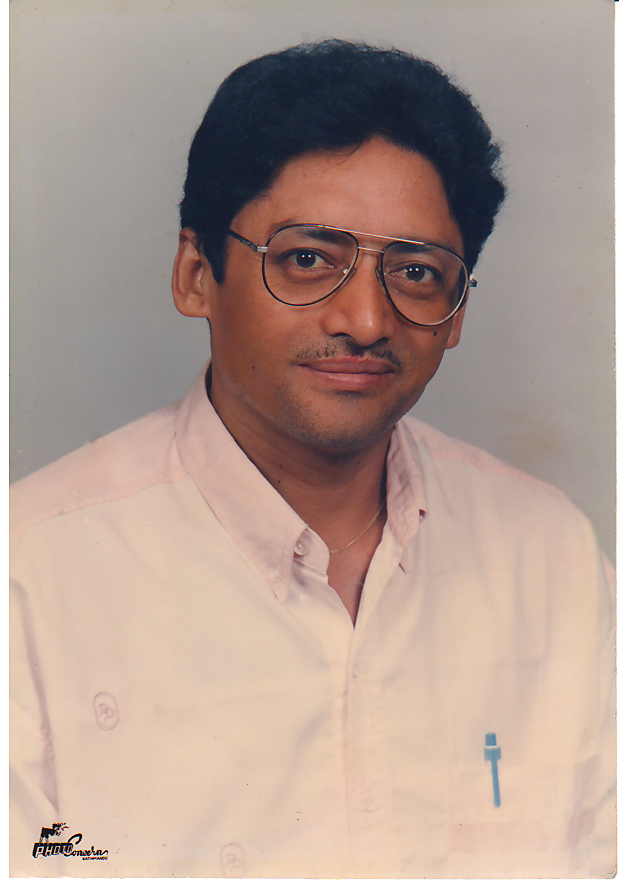
Saroj Gopal Bajracharya was a prominent Nepali folk singer and cultural figure, celebrated for his contributions to the preservation and promotion of traditional Nepali music. Born in Pokhara, Nepal, he was deeply involved in the country's musical and broadcasting landscape. 🎶 Musical Career Bajracharya was renowned for his soulful folk songs that resonated with audiences across Nepal. His notable tracks include: "Ukali Orali Chadera" "Nakkalilai Bagailagyo Jhilkele" "Mayaluko Mohani Boli" One of his songs, "Deurali Ukali Chadhera," faced a temporary ban from Radio Nepal due to a controversial lyric. However, after Bajracharya presented the song to King Birendra, the ban was lifted, and the song regained its popularity. 📻 Broadcasting Contributions Beyond his singing career, Bajracharya played a pivotal role in Nepal's broadcasting sector. He was the founding station manager of Machhapuchhre FM, a Pokhara-based radio station, through which he furthered the reach of Nepali folk music. 🧑🤝🧑 Personal Life Saroj Gopal Bajracharya was married to the esteemed singer Baba Rana (बाबा राणा), forming a duo that significantly influenced Nepali music. He passed away at the age of 65 in Pokhara, leaving behind a rich legacy in the realm of Nepali folk music.
Saroj Gopal Bajracharya
Music Artists, Folk Singer
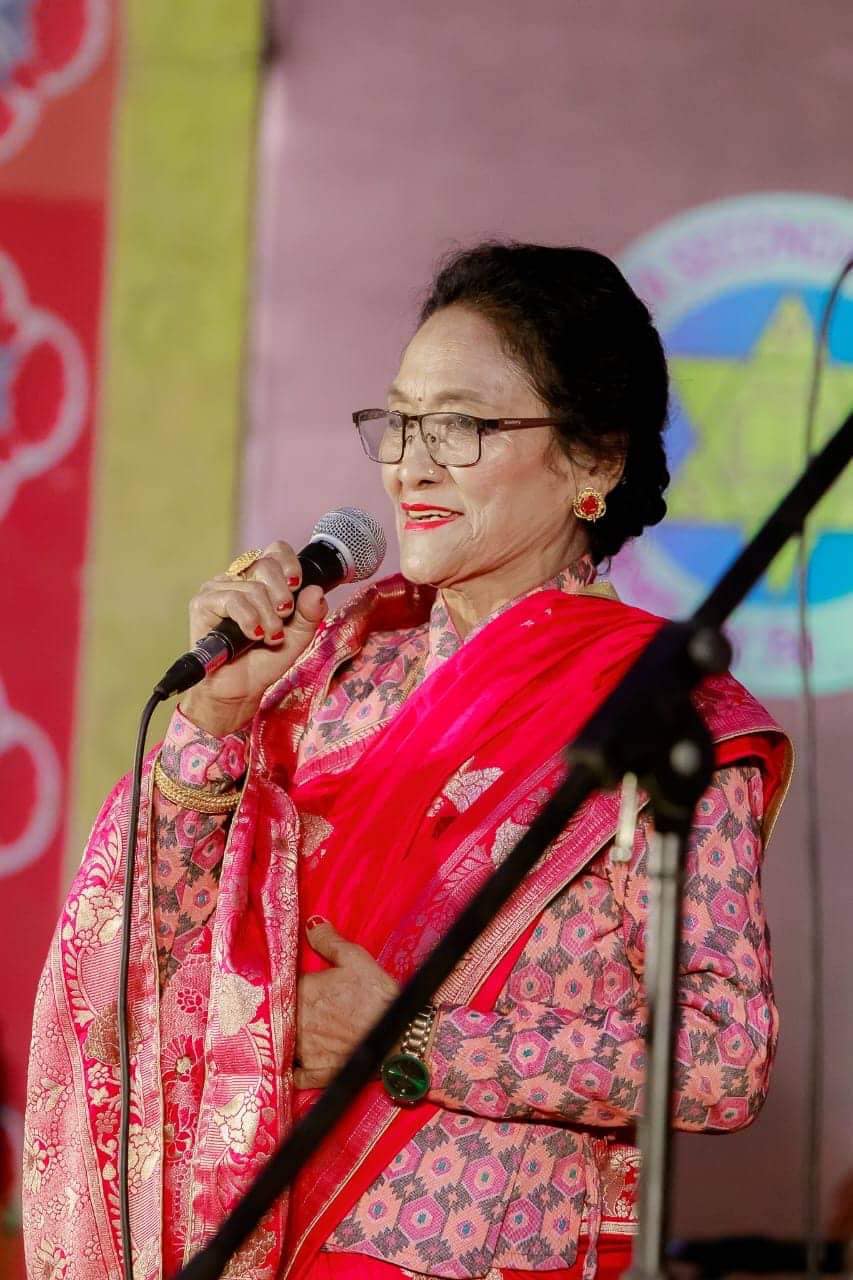
Baba Rana (बाबा राणा) is a distinguished Nepali singer renowned for her melodious voice and significant contributions to Nepali music. Born in Palpa, Nepal, she moved to Pokhara at the age of one and was raised in a musically inclined family. Her father, Colonel Dhan Bikram Rana, and her uncles were instrumental in nurturing her musical talents. She began singing at the age of nine and recorded her first song, "Dam Dam Damphu Bajeko Talai Ma," in 1971 (BS 2028) for Radio Nepal. Throughout her career, Baba Rana has recorded over 2,000 songs across various genres, including folk, modern, devotional, opera, film, and ghazals. Her notable songs include: "Karodau Mutuharuko Eutai Dhukdhuki Nepal" "Saaiko Ghar Kaha Ho Kaha" "Birsijane Nisturi" "He Aama Janmayau Kina" "Chautarima Ma Base Holaki" In recognition of her contributions, she received the "Famous Class Singer" title from Radio Nepal in 2055 BS and has been honored with awards such as the Prabal Gorkha Dakshin Bahu IV and the Indra Rajya Laxmi Puraskar. Baba Rana's dedication to music continues as she resides in Pokhara with her family, engaging in musical pursuits and honoring the legacy of her late husband, singer Saroj Gopal Bajracharya.
Baba Rana
Music Artists, Folk Singer
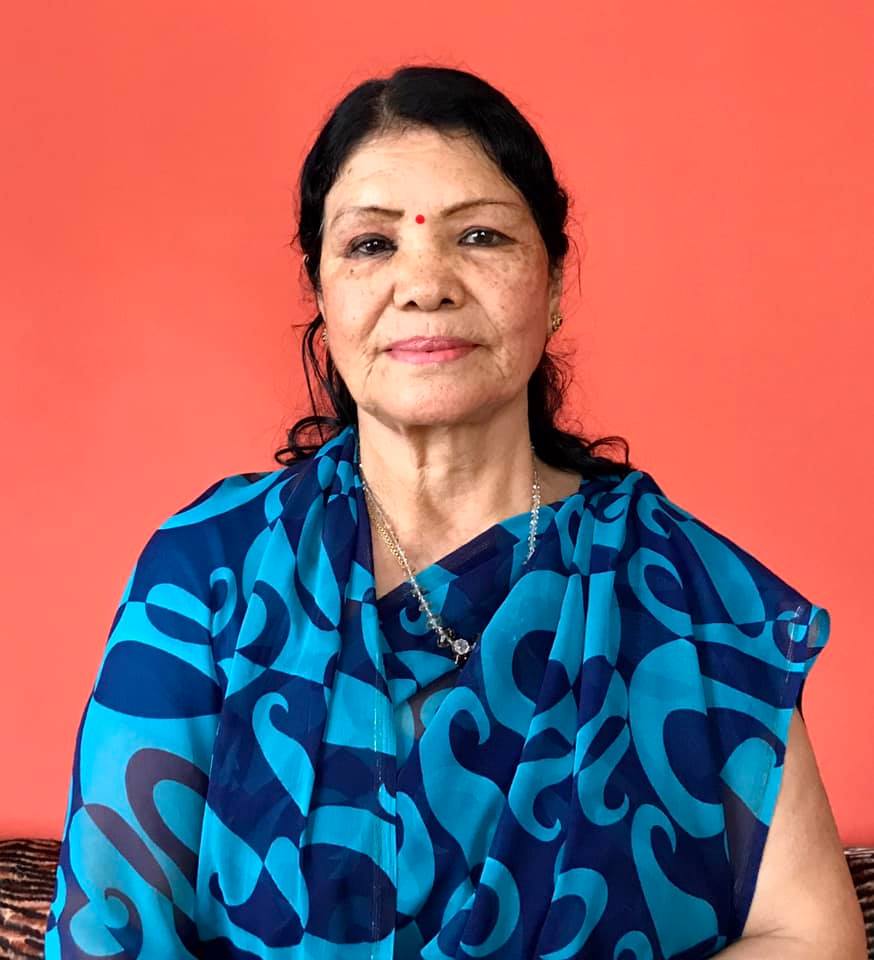
Tirtha Kumari Thapa is a renowned Nepali folk singer who has been active in the music industry for over five decades. She began her musical journey in 2028 BS with Radio Nepal, recording more than 1,000 songs throughout her career. Her songs often reflect themes of love, nature, and cultural heritage, making her a beloved figure in Nepali folk music. Some of her popular songs include: M Ta Khadin Kuwa Ko Pani Ho Dhunge Bagar Maya Jhanke Phuli, Nakai Ma Bulaki Ukali Ma Pani Hajur Motor Jado Raichha Bari Ko Dil Ma Okharbot Machi Mar Na Hey Dai Ho with Nabin Dhungel She has received numerous awards, including the Prabal Gorkha Dakshin Bahu (2057 BS) and the Birendra Aishwarya Sewa Padak (2058 BS). Recently, she held her first solo musical evening, Tirtha Kumari Swarnim Sanjh 2080, where she performed for nearly two hours, accompanied by her son, Suraj Kumar Thapa, who is also a musician.
Tirtha Kumari Thapa
Music Artists, Folk Singer
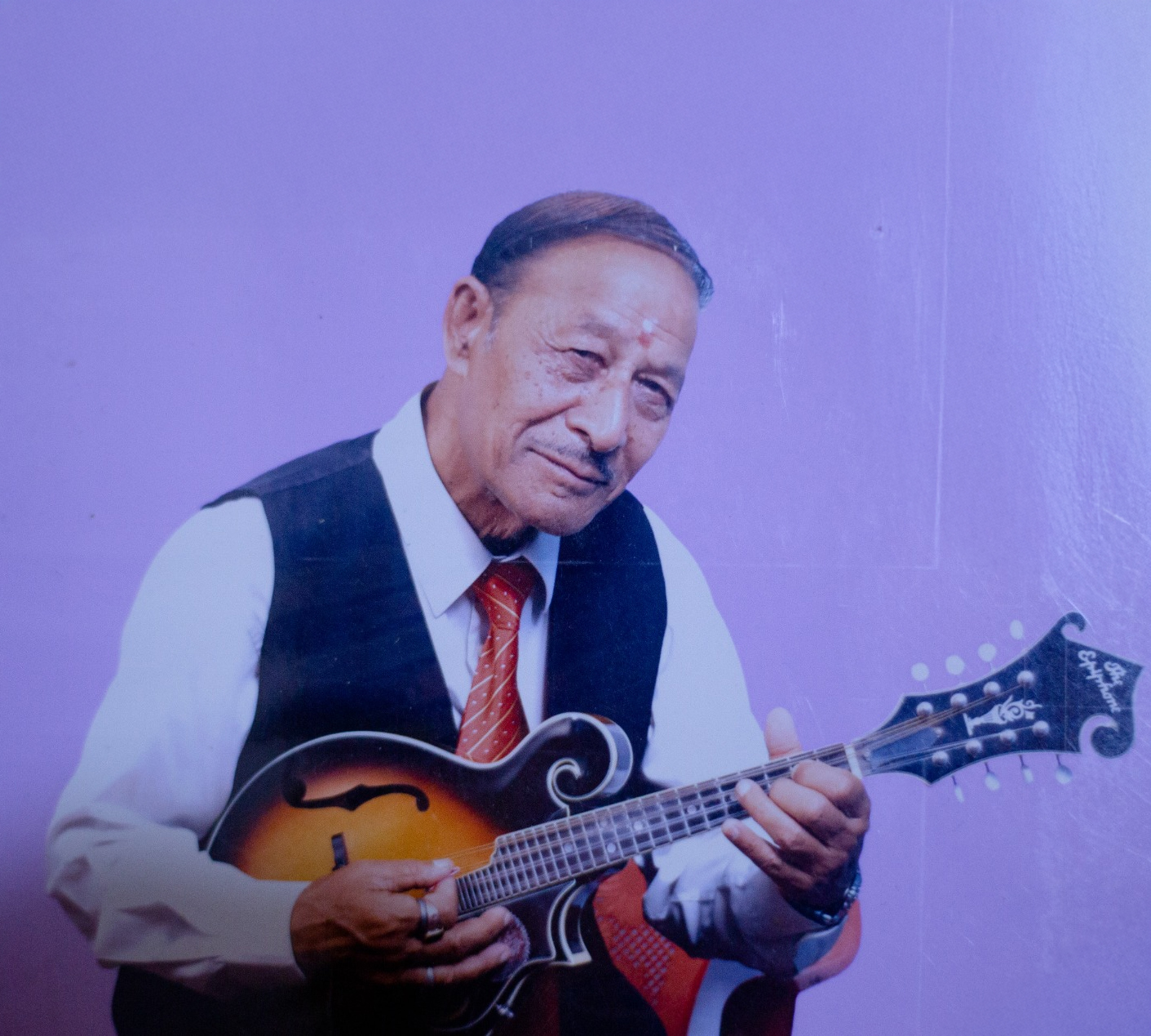
Chandra Kumar Rasaili, popularly known as CK Rasaili, is a Nepali musician, composer, and lyricist. He was born in Baluchistan, Pakistan, while his father was serving in the British Army. He later studied in Meghalaya, India, where he played in an orchestra before moving to Nepal. Rasaili gained recognition after performing at Rastriya Nach Ghar during King Mahendra’s birthday celebration, where the King personally gave him a song to compose. He has worked with Radio Nepal and composed music for Nepal Police and Nepal Army. His contributions to Nepali music earned him prestigious awards, including the Narayan Gopal Memorial Award (2017) and the Natikaji National Music Award. Some of his notable songs include: Premko Mala Kasari Ma Bhuleu Aankha Dekhi Ojhel Jannma Garidein Kahilekahi Ma Haschu Dukheko Dil His compositions reflect themes of love, nostalgia, and cultural identity, making them resonate deeply with audiences.
CK Rasaily
Music Artists, Music Director, Musicians & Instrumentalists
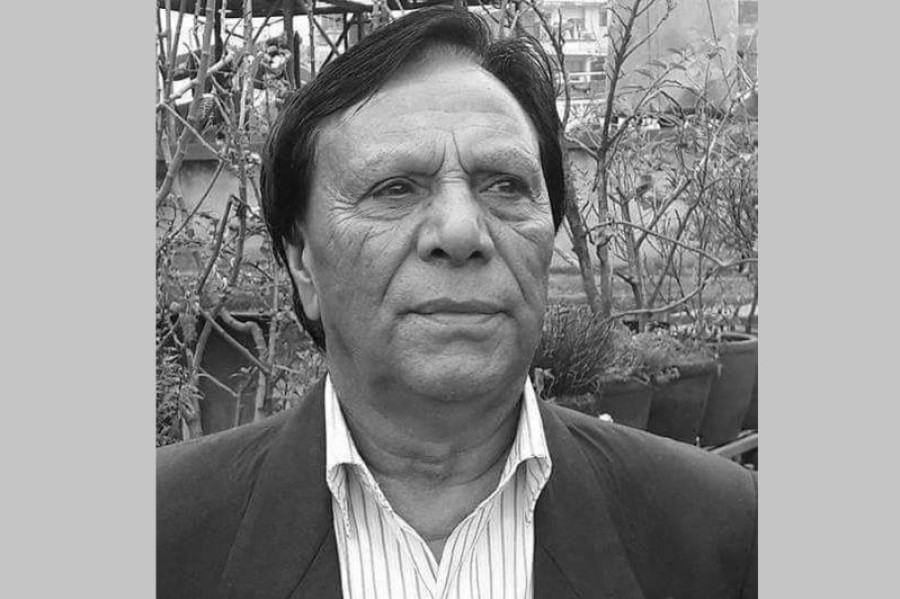
Bishwa Ballabh (born Ashoj 29, 2002 BS – died October 9, 2024) was a celebrated Nepali lyricist, poet, and Radio Nepal creator, known for writing more than 250 recorded songs that shaped modern Nepali music. Beginning his career as a teacher in Nuwakot, he later joined Radio Nepal, where he wrote and recorded iconic songs such as Bhagyale Khushi Khosera Lagyo, Shubhakamana, and Dherai Din Bho Timro Jhajhalko. He also hosted the popular program “Phulbari” and contributed to drama writing and direction. The younger brother of renowned writer Ishwar Ballabh, he remained an influential literary figure throughout his life. His passing at age 80 marked a significant loss to Nepali music and literature.
Bishwa Ballabh
Lyricist
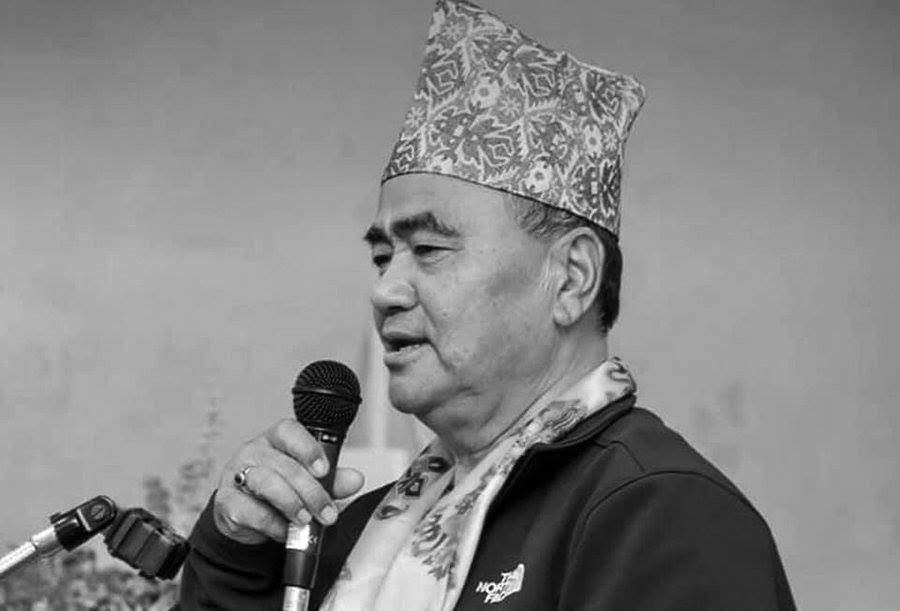
Madan Dipbim was a respected Nepali music composer, arranger, and singer, known for shaping the sound of modern Nepali music through his melodic, emotionally rich compositions. Born in Ilam, he built a long career creating songs that became staples of Nepali radio and cassette‑era music. He worked with Radio Nepal for several years, where many of his most popular works were recorded and broadcast nationwide.Across his career, Dipbim composed dozens of beloved songs, including “Surilo Rukh Sallai Ho,” “Timrai Yadma Kalpi Kalpi,” “Jhaskera Dukhchha Yo Mutu Mero,” and “Ke Bhul Bhayo Priya.” These songs remain widely recognized for their lyrical simplicity and heartfelt musical phrasing.In his later years, he lived in the United States with his daughter Mamata Dipbim, herself a singer, while continuing to remain connected to Nepali music and audiences abroad.Madan Dipbim passed away on April 22, 2019, in the United States due to a heart attack. His death was widely mourned as the loss of a gentle, influential, and melodically gifted figure in Nepali music.
Madan Dipbim
Music Director, Music Arranger
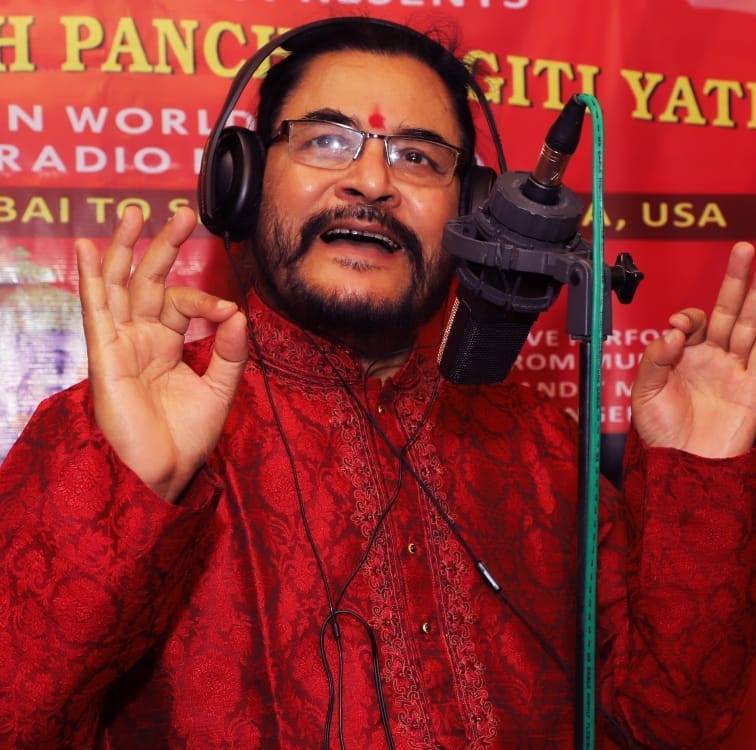
Murali Dhar is a veteran singer, composer, and lyricist from Radio Nepal’s golden era. He has sung over 100 Nepali songs, along with numerous tracks in Hindi, Maithili, and Bhojpuri. Some of his most beloved songs include: "Uḍāyo Sapana Sabai Hurīle" (“The storm blew away all dreams”) "Niṣṭhurīle Māyā Garī Āphainlāī Rogī Banāyo" (“The cruel one loved and made me sick”) "Pahāḍko Pallō Ḍāḍāmā Cha Sānō Gāũ" (“There’s a small village on the far hill”) He also collaborated with Udit Narayan Jha, lending his voice to folk-style songs like "Āmāile Bhanthē Dhārāko Pānī" (“Mother used to say, water from the spout…”), which became iconic in Nepali households. Murali Dhar is not only a singer but also a popular actor, known for playing villainous and negative roles in many Nepali films. He has acted in several Hindi movies as well. His film credits include: Hindi film: Mr. India Nepali films: Samjhana, Saino, Kanyadaan, Pirati, among others He has also been involved in producing Bhojpuri and Maithili films His songs "Uḍāyo Sapana Sabai Hurīle…" and "Āmāile Bhanthē Dhārāko Pānī…" are considered timeless classics, instantly recognizable to most Nepalis.
Murali Dhar
Music Artists, Actor, Playback Singer, Film Artists
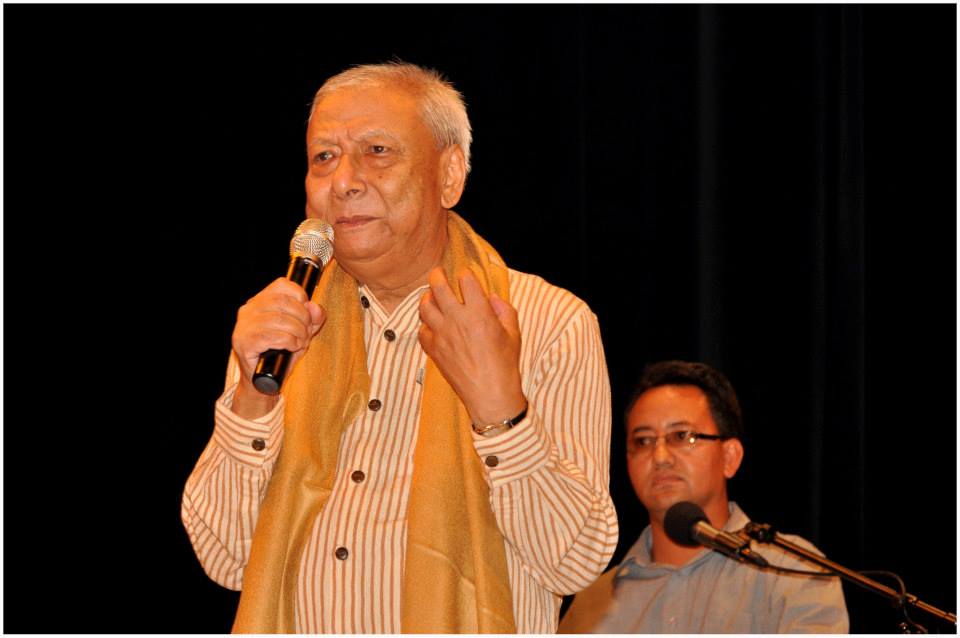
Hiranya Bhojpure is a respected Nepali singer, musician, and writer, known for his contributions to folk and modern Nepali music. He was born in Deurali, Bhojpur and became a household name through his work with the Lekali music group, alongside artists like Ganesh Rasik and Urmila Shrestha. His music often reflects themes of Nepali identity, nature, and social issues. Some of his popular songs include: Rato Bhale (with Ganesh Rasik) Lahara Pahara Chhahara Ko Desh Tyamka Daanda Hara Hara Mahadev Paani De Mero Atit Ek Anjuli Ghaam (Album) Bhojpure was also a poet and writer, incorporating his hometown into his artistic identity. His work helped shape Nepali music by blending traditional elements with modern storytelling.
Hiranya Bhojpure
Music Artists, Music Director, Folk Singer
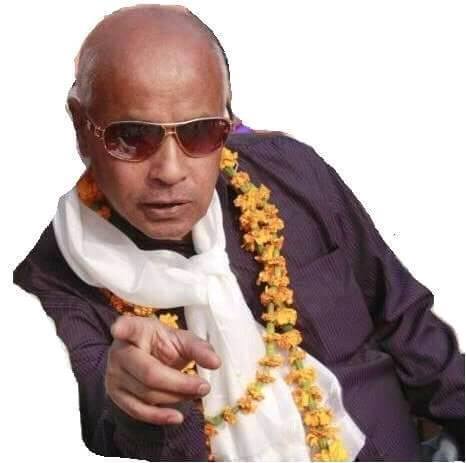
Mani Kamal Chhetri is a Nepali singer and composer known for his contributions to Nepali music. He has worked on various folk and modern songs, collaborating with artists like Aruna Lama and Gopal Yonjan.
Mani Kamal Chhetri
Music Artists, Music Director, Music Instructor
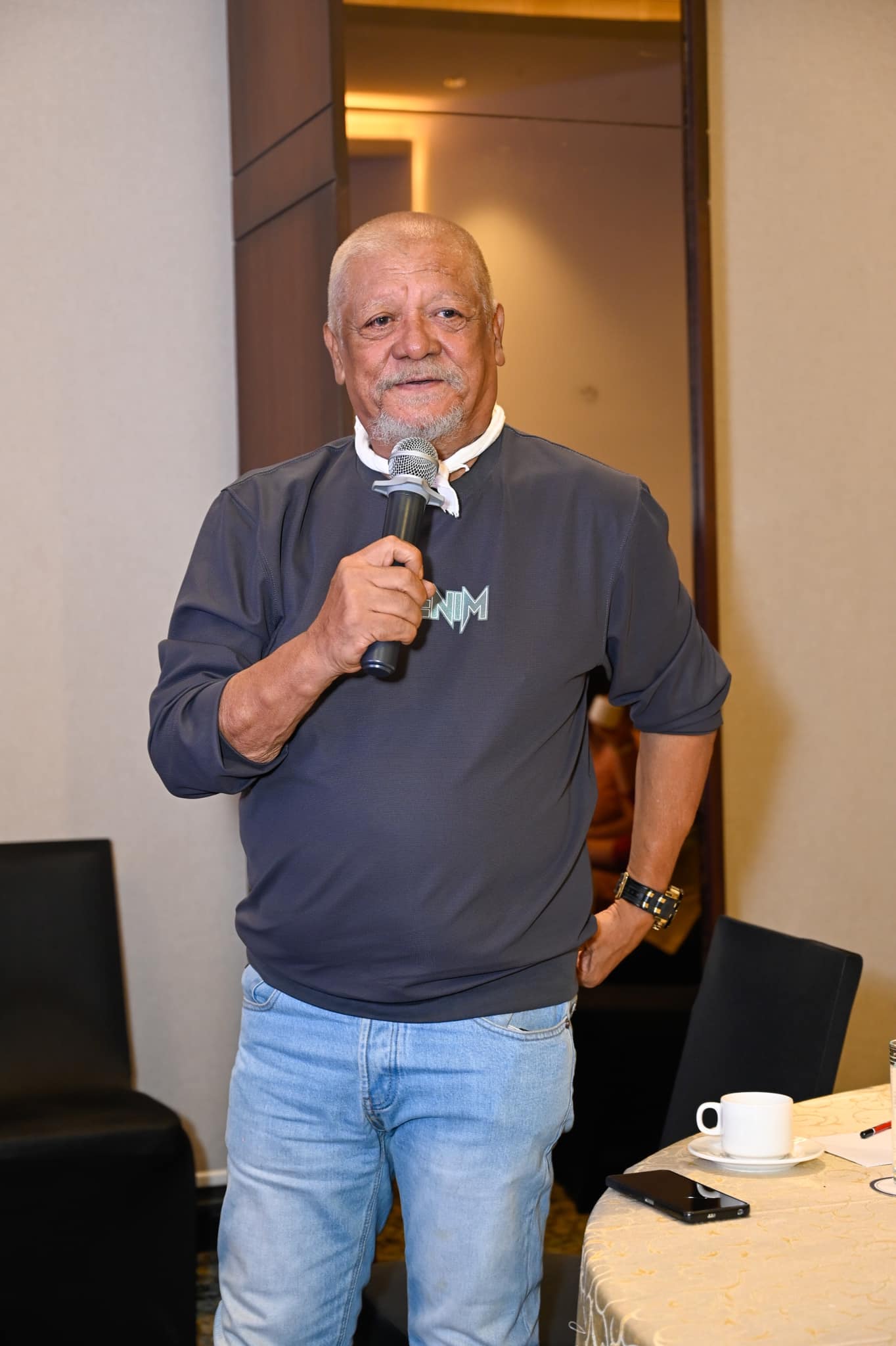
(Legendary Actor • Iconic Villain • Nepali, Bollywood & Bhojpuri Star)Sunil Thapa (19 May 1957 – 7 February 2026) was one of the most influential actors in Nepali cinema, celebrated for redefining villainy and character acting across Nepali, Bollywood, and Bhojpuri films. Born in Dang, Nepal, he began his acting career in Bollywood with Ek Duuje Ke Liye and went on to become a household name in Nepal through unforgettable roles—most famously “Rate Kaila” in the cult classic Chino (1989).His career spanned 1974–2025, with more than 150+ films, making him one of the most prolific actors in Nepali film history.He passed away on 7 February 2026 in Kathmandu, leaving behind a monumental legacy in South Asian cinema.
Sunil Thapa
Character Artists, Film Artists
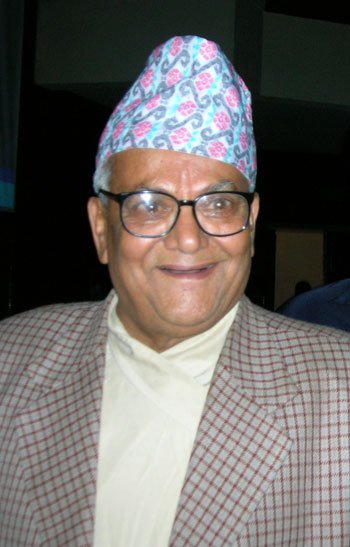
Dharma Raj Thapa, honored with the title Jana Kabi Keshari, was a legendary Nepali folk singer and poet. Born in 1924 in Pokhara, Nepal, he became one of the most influential figures in Nepali folk music. His songs, such as Hariyo Danda Maathi and Nepali Le Maya Maaryo Barilai, captured the essence of Nepal’s landscapes and traditions. Thapa was not only a singer but also a poet and cultural historian. He collected and preserved folk songs, ensuring that Nepal’s musical heritage remained alive. His contributions earned him numerous awards, including the Madan Puraskar and Indrarajyalaxmi Puraskar. Some of his most popular songs include: Hariyo Danda Mathi – A classic folk song celebrating Nepal’s natural beauty. Nepali Le Maya Maaryo Barilai – A heartfelt song reflecting Nepali culture and emotions. Saili Rimai Chauri Gai – A traditional melody with deep cultural significance. Aaja Madal Bajeko Kina – A lively folk tune. Dhuru Dhuru Narou Aama – A song filled with emotion and nostalgia. Aai Pugyo Railaima – A well-loved song in Nepali folk music.
Dharma Raj Thapa
Music Artists, Folk Singer
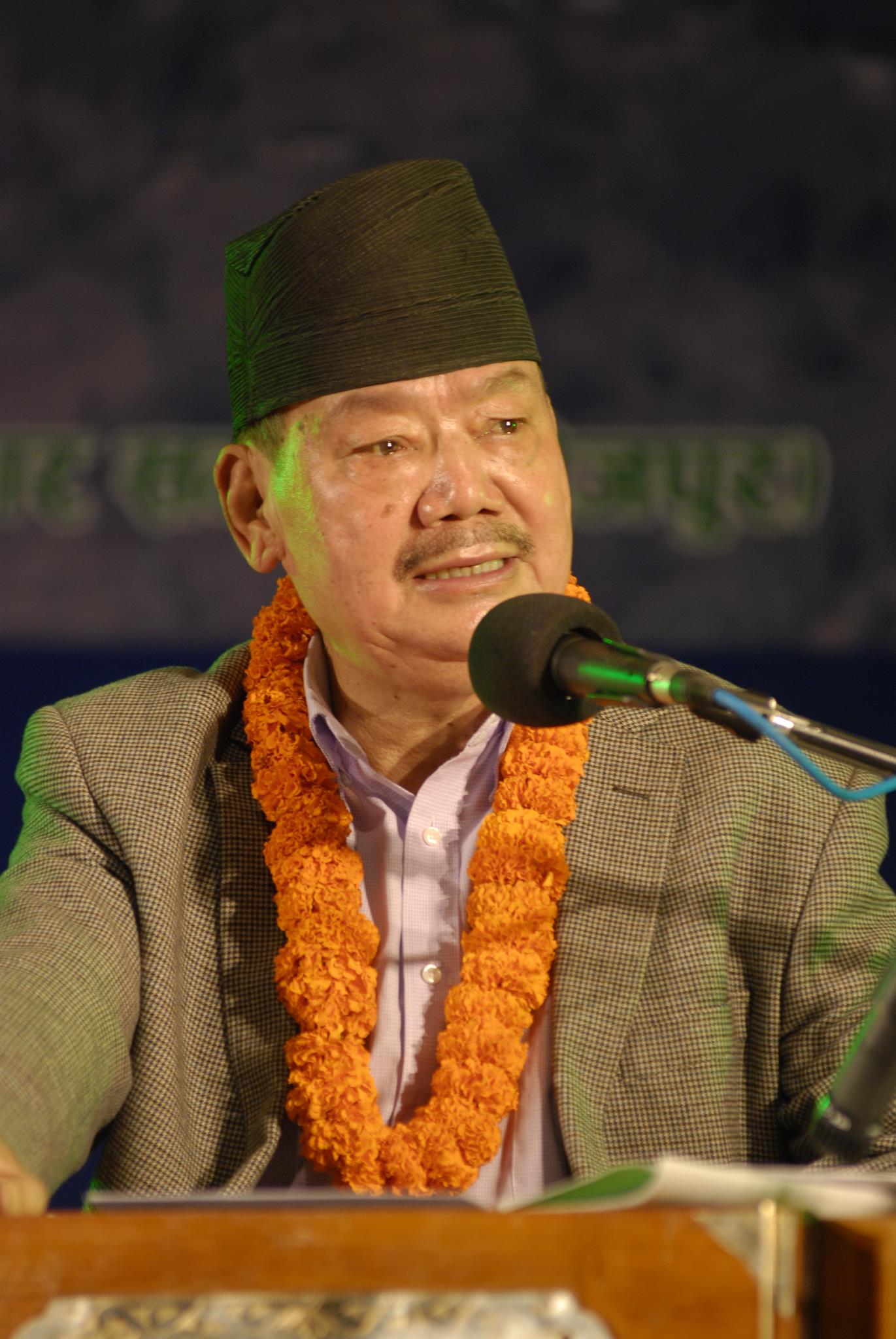
Ganesh Rasik is a well-known Nepali singer, musician, author, and social worker. He has made significant contributions to Nepali music and literature, particularly during the 'Ralfa' era, which played a crucial role in shaping modern Nepali music. Before joining 'Ralfa,' Rasik was more focused on writing, but his involvement in the movement made him inseparable from music. Later, he was also associated with 'Lekali,' another influential music group. Some of his popular songs include: Rato Bhale (with Hiranya Bhojpure) Timraa Sapanaahru Saaili Mero Atit Antaraal I & II Apart from music, Rasik has authored several literary works, including Kshitizlai Chhuna Khojda and Dusgajaamaa Ubhiyera Swaadhintaako Pida. His contributions have earned him numerous honors, such as the Gorkha Dakshin Baahu and Ratnashree Swarna Padak.
Ganesh Rasik
Music Artists, Folk Singer, Singer/ Performer

Thule Rai is a respected Nepali singer known for his contributions to modern and folk music. His songs, such as Srapai Deu and Man Bhitra, have gained popularity among Nepali music lovers. In addition to his musical career, he serves as a police officer in the Nepal Police. His dual role as an artist and law enforcement officer showcases his dedication to both cultural and public service.
Thule Rai
Music Artists, Singer/ Performer
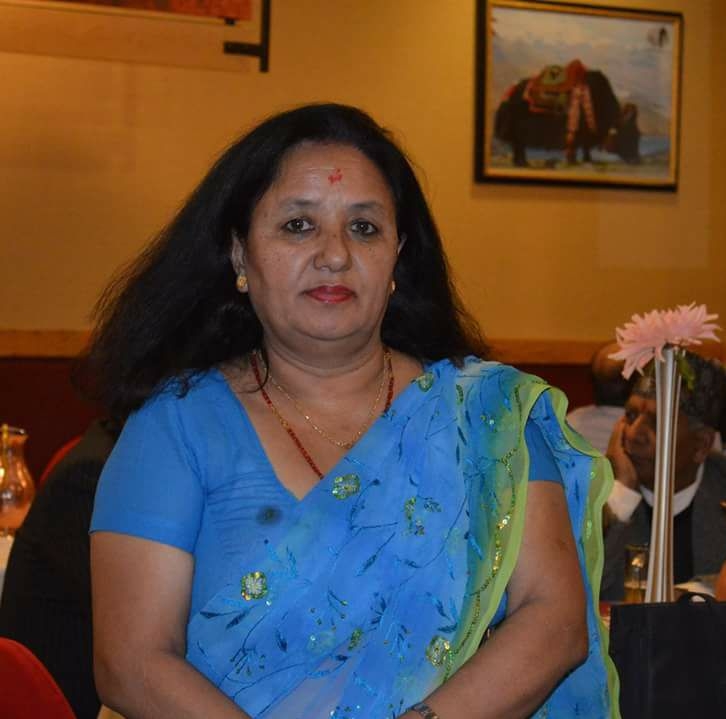
Usha Kiran Adhikari is a Nepali singer known for her contributions to folk and modern Nepali music. She has performed various songs, including collaborations with artists like Shambhu Rai and Mansingh Thulung. Some of her notable works include Dherai Choti Aakha Judyo and Ukali Orali. Her music often reflects themes of love, culture, and tradition. Some of her popular songs include: Dherai Choti Aakha Judyo Ukali Orali Mohani Bhaka Aludam Chana Kholi Tarera Yo Gaunma Phool Ramro
Usha Kiran Adhikari
Music Artists, Singer/ Performer
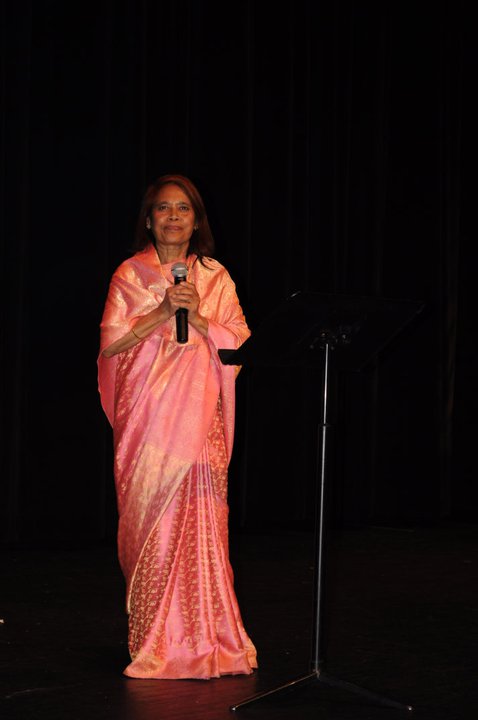
Nirmala Shrestha is a respected Nepali singer known for her contributions to the country's music industry, particularly in the golden era of Nepali music. She has captivated audiences with her melodious voice and heartfelt performances across various genres. Her melodious voice and heartfelt performances have left a lasting impact on the industry.
Nirmala Shrestha
Music Artists, Singer/ Performer
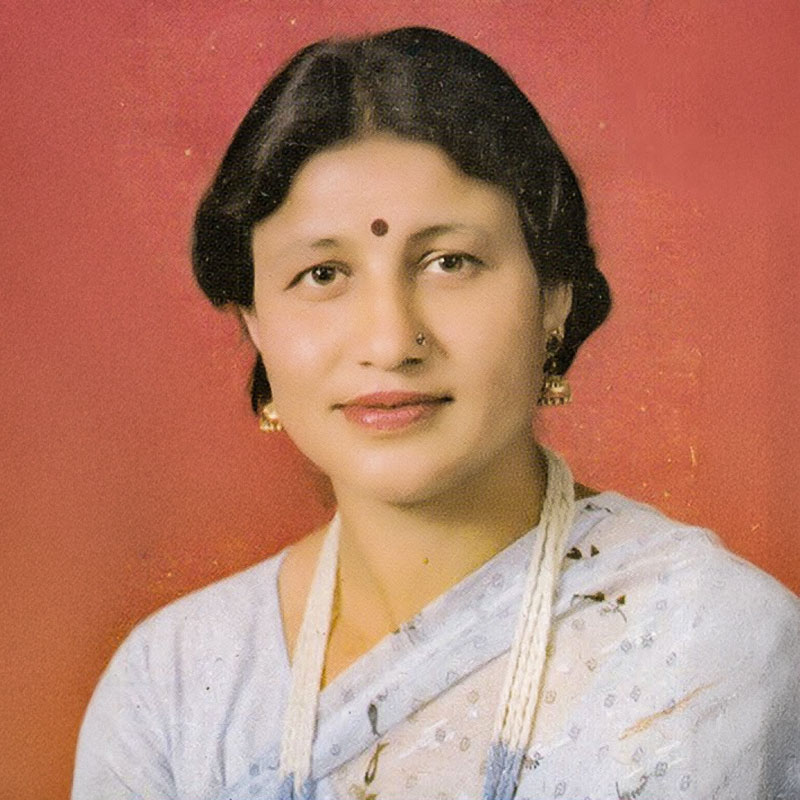
Rachana GC is a talented Nepali folk singer celebrated for her contributions to traditional Nepali music. Her songs often reflect the rich cultural heritage and emotions of rural Nepal, resonating deeply with audiences. She has a unique ability to blend storytelling with melody, making her music both captivating and meaningful. Some of her popular songs include: "Saune Khola Urlera" – A beautiful depiction of nature and emotions. "Tara Butte Juneli" – A melodious tune that captures the essence of Nepali folk music. "Timilai Sunakhari" – A heartfelt song showcasing her vocal prowess. "Aaja Mero Karmai" – A track that resonates with listeners for its lyrical depth. "Phool Fulyo" – A song that celebrates the beauty of life and nature. Her music continues to inspire and entertain, preserving the essence of Nepali folk traditions.
Rachana GC
Music Artists, Singer/ Performer
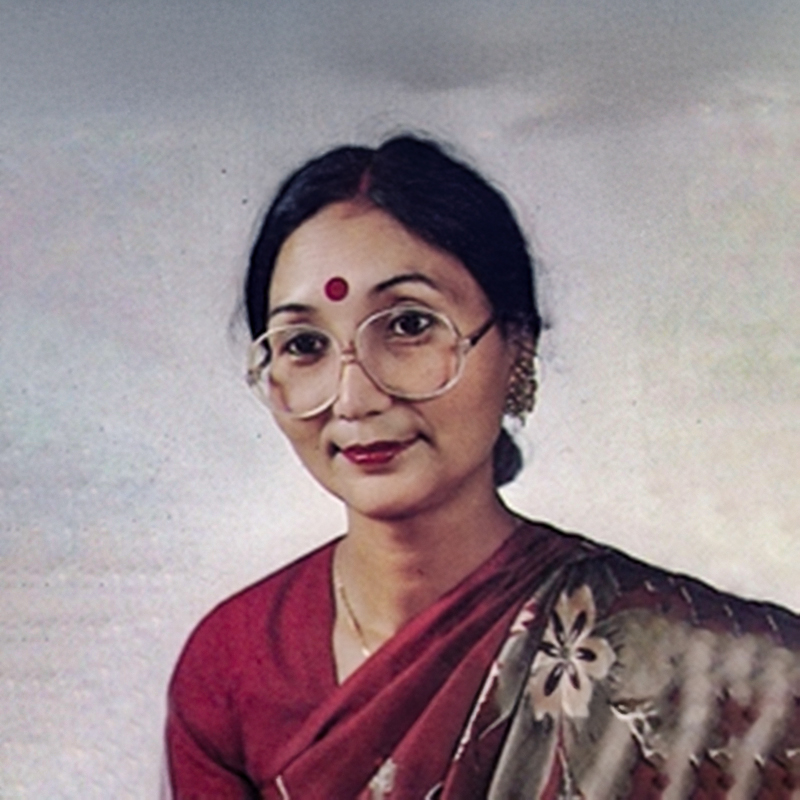
Bharati Upadhyaya is a renowned Nepali singer and composer, celebrated for her contributions to Nepali music. She is best known for her melodious voice and her ability to blend traditional and modern styles in her songs. Bharati's music often reflects themes of love, life, and cultural pride. Some of her popular songs include: "Mai Chhori Sundari" – A timeless classic that remains a favorite among Nepali music enthusiasts. "Birsidinu Pardo Rahechha" – A soulful track that showcases her emotive singing style. "Mayako Chhayama Maya Rakhana" – A beautiful composition that resonates with listeners. "Karmaima Chhaina Mero Maya" – A song that highlights her versatility as a singer. "Kina Kina Mero Man" – A track that captures the essence of Nepali music. Her work has left an indelible mark on the Nepali music industry, and her songs continue to inspire and entertain audiences.
Bharati Upadhyaya
Music Artists, Singer/ Performer
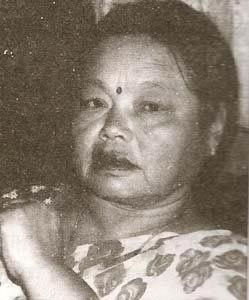
Kamala Shrestha is a celebrated Nepali singer known for her expressive voice and versatility across genres. She was born on Kartik 9, 2005 BS (approximately October 25, 1948 AD) in Kathmandu to Ram Bahadur Shrestha and Indra Maya Shrestha. Kamala began singing as a child and entered the professional music scene around 2024 BS (1967 AD) when she won first prize at a Radio Nepal anniversary competition for her song Naugediko Mala Mero. This marked the beginning of her active musical career, which flourished through the late 1960s, 1970s, and beyond. She was mentored by legendary composer Natikaji, who recognized her talent when she was just 13. Through Radio Nepal, she collaborated with iconic artists like Shiva Shankar and contributed to a wide range of musical styles—bhajans, Newari songs, Bhojpuri numbers, patriotic anthems, folk tunes, and adhunik (modern) songs. Over her career, she recorded more than 400 songs, many of which remain sadabahar (evergreen) classics. Kamala Shrestha also performed internationally, representing Nepal in India, China, Bangladesh, Hong Kong, Japan, and other countries. Her dedication to music continued even after marriage and motherhood, defying social expectations of the time.
Kamala Shrestha
Music Artists, Singer/ Performer
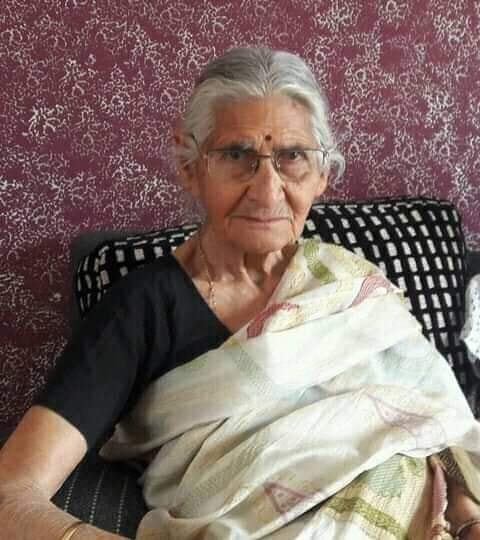
Ranu Devi Adhikari (1936–2020) holds the distinction of being the first female singer of Radio Nepal. Born in Birgunj, Nepal, she grew up in Benaras, India, and later became a prominent figure in Nepal's music and political spheres. Her revolutionary songs, such as "Jaago Nepali," were instrumental in inspiring the movement against the Rana regime. She began her singing career with Prajatantra Nepal Radio in Biratnagar, which later became Radio Nepal. Despite societal challenges, she pursued her passion for music and education, eventually earning a Master's degree. Ranu Devi also worked as a teacher and remained a source of inspiration for many.
Ranu Devi Adhikari
Music Artists, Singer/ Performer

(Playback Singer • Actress • Choreographer • Chief Assistant Director • Golden‑Era Voice of Nepali Cinema)Bharati Ghimire (also credited as Bharati Gajmer) is one of the most prolific and respected female playback singers of Nepali cinema’s golden era (1980s–1990s). Active since 1981, she has contributed vocals to more than 20+ classic Nepali films, including Basudev, Kusume Rumal, Lahure, Deuta, Dakshina, Chino, Rahar, and Dui Thopa Aansu. Her voice—soft, expressive, and emotionally rich—became a defining sound of Nepali film music for two decades.Beyond singing, Bharati Ghimire also worked as an actress, choreographer, and chief assistant director, making her one of the few multi‑disciplinary female artists of her generation.
Bharati Ghimire (Gajmer)
Playback Singer, Assistant Director
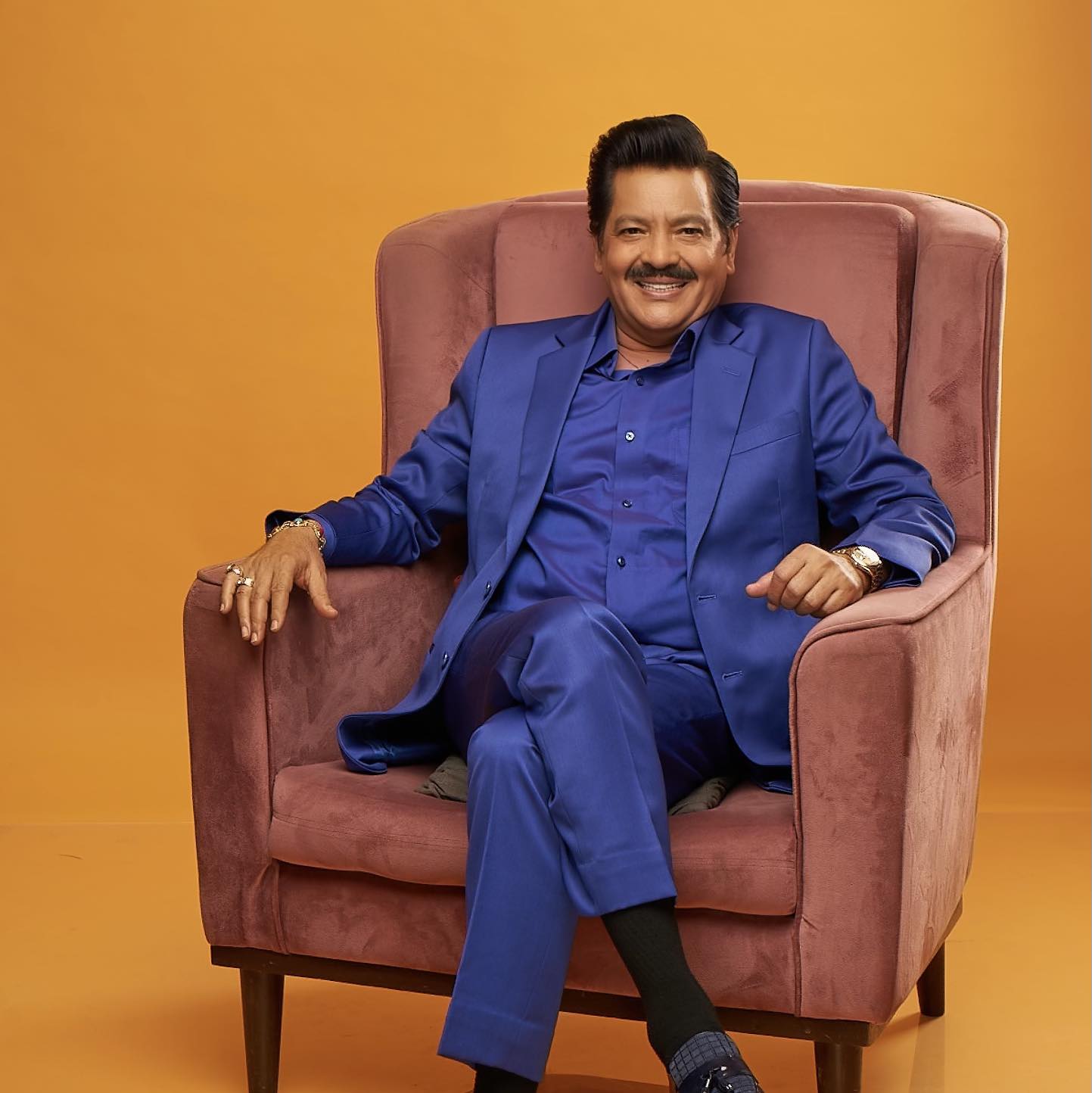
Udit Narayan Jha is a renowned Nepali-Indian playback singer widely celebrated for his melodious voice and major contributions to South Asian film music. He was born on December 1, 1955, in Baisi, Saptari, Nepal. Udit Narayan began his musical journey by singing for Radio Nepal before moving to India to pursue a professional career in playback singing.He gained international recognition after singing the hit song “Papa Kehte Hain” in the 1988 Hindi film Qayamat Se Qayamat Tak, which established him as one of Bollywood’s leading singers. Over the decades, he has recorded thousands of songs in Hindi, Nepali, and many other languages.Throughout his long and successful career, Udit Narayan has received numerous honors, including multiple Filmfare Awards as well as India’s prestigious civilian awards, the Padma Shri and Padma Bhushan. He remains one of the most respected and influential voices in Nepali and Indian film music.
Udit Narayan Jha
Playback Singer
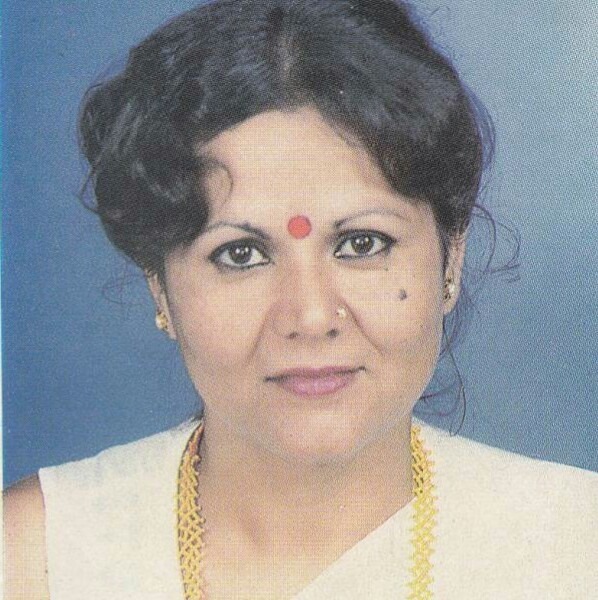
Gyanu Rana is a celebrated Nepali singer known for her contributions to modern and folk music. Born on October 3, 1949, in Batulechaur, Pokhara, Nepal, she grew up in a musically rich environment. Her father, Dharmaraj Thapa, was a renowned poet and folk singer, and her mother, Savitri Thapa, was a cultural promoter. Gyanu Rana's upbringing deeply influenced her musical journey. She has recorded over 2,000 songs in various languages, including Nepali, Hindi, Urdu, Bhojpuri, Maithili, and Newari. Her repertoire spans modern, classical, folk songs, bhajans, and ghazals. Some of her most iconic songs include "Siri Ma Siri Ni Kanchha" and "Manchhe Ko Maya Yaha," which she performed with the legendary Narayan Gopal. Gyanu Rana has also been a judge in national music competitions and has represented Nepal in international cultural festivals. Her career includes contributions to more than ten Nepali films as a playback singer. She retired as an Assistant Director of Music from the Royal Nepal Academy in 2006.
Gyanu Rana
Music Artists, Singer/ Performer
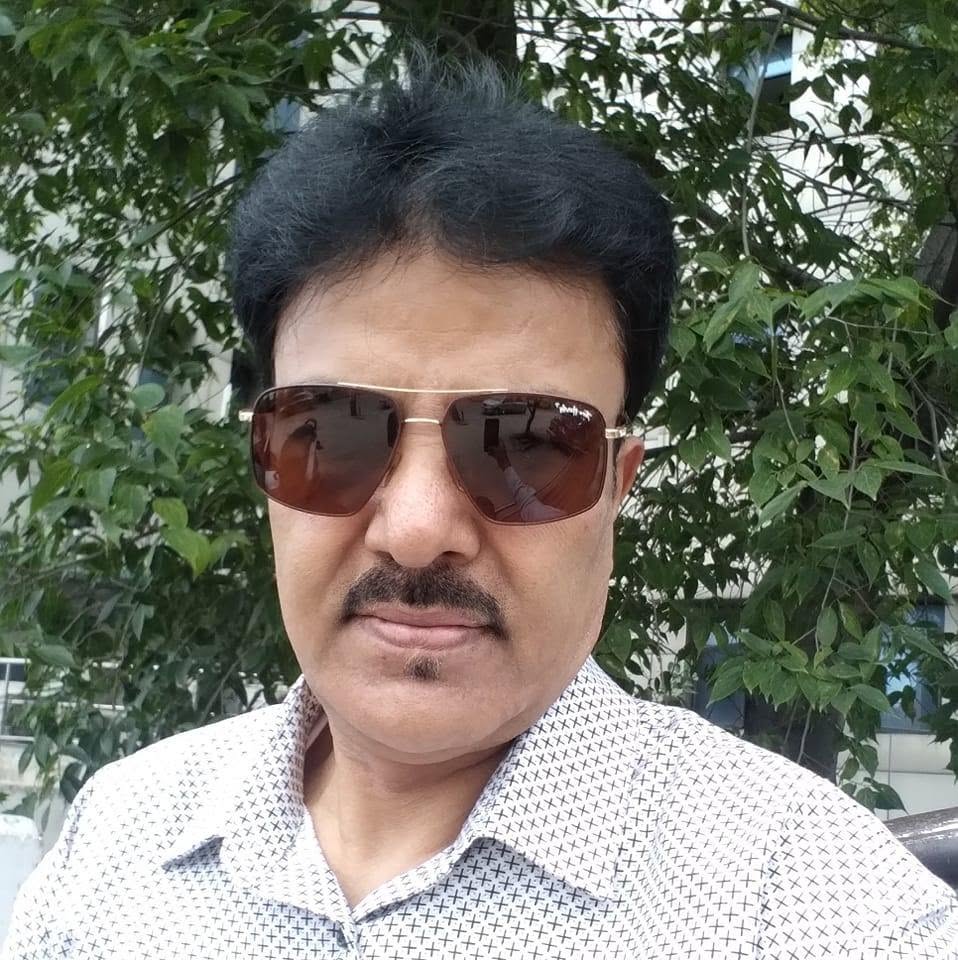
Pradeep Raj Pandey is a Nepali modern‑song vocalist known for his expressive singing style and recordings featured across Nepali audio labels and digital platforms. His notable songs include “Kina Aauchha Yaad,” “Kamjor Nasamjha,” and “Pathar Ko Mutu Banai,” which continue to circulate among Nepali listeners through radio, albums, and online music channels. His discography is also catalogued on AllMusic, reflecting his presence in the contemporary Nepali music scene. Although he maintains a low public profile, his recorded works have earned him recognition among modern Nepali music audiences.
Pradeep Raj Pandey
Singer/ Performer, Singers & Vocalists
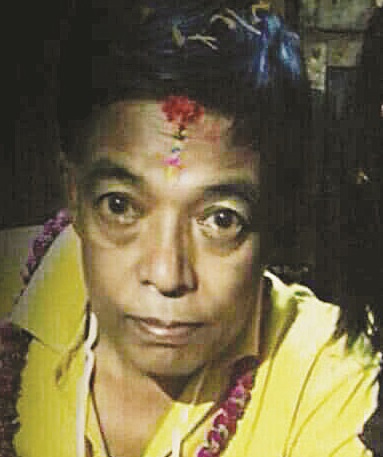
Ram Shanker Pradhan is a highly respected Nepali cinematographer who contributed to the film industry for several decades with his refined visual style and technical mastery. He began his career at the former Royal Nepal Film Corporation and later traveled to Pune, India, where he completed a three‑year cinematography course. After returning to Nepal, he worked on documentaries before moving into feature films, quickly becoming known for his sensitive use of natural light, expressive framing, and storytelling‑driven camera movement.Pradhan enriched Nepali cinema through his cinematography in Chot, Manakamana, Tapasya, Milan, Sauta, Mahadevi, Naata, Shree Swasthani, Sannani, Cheli, Ragat, Chhoro, Pheri Timro Yaad Aayo, Lagan Gatho, Chakrabyuha, Pooja, Anmol, Karnaveer, Ajambari Naata, Parkhi Base, Jeevan‑Mrityu, Sundar Mero Naam, Man‑Mutu Ra Maya, Khushi, Preetiko Phool, Jyan Hajir Chha, Angalo Angaloma, Damini and many other films.He also shot over half a dozen Bhojpuri films, expanding his influence beyond Nepali cinema. His work remains admired for elevating the visual language of Nepali filmmaking and inspiring a new generation of cinematographers.
Ram Shanker Pradhan
Cinematographer
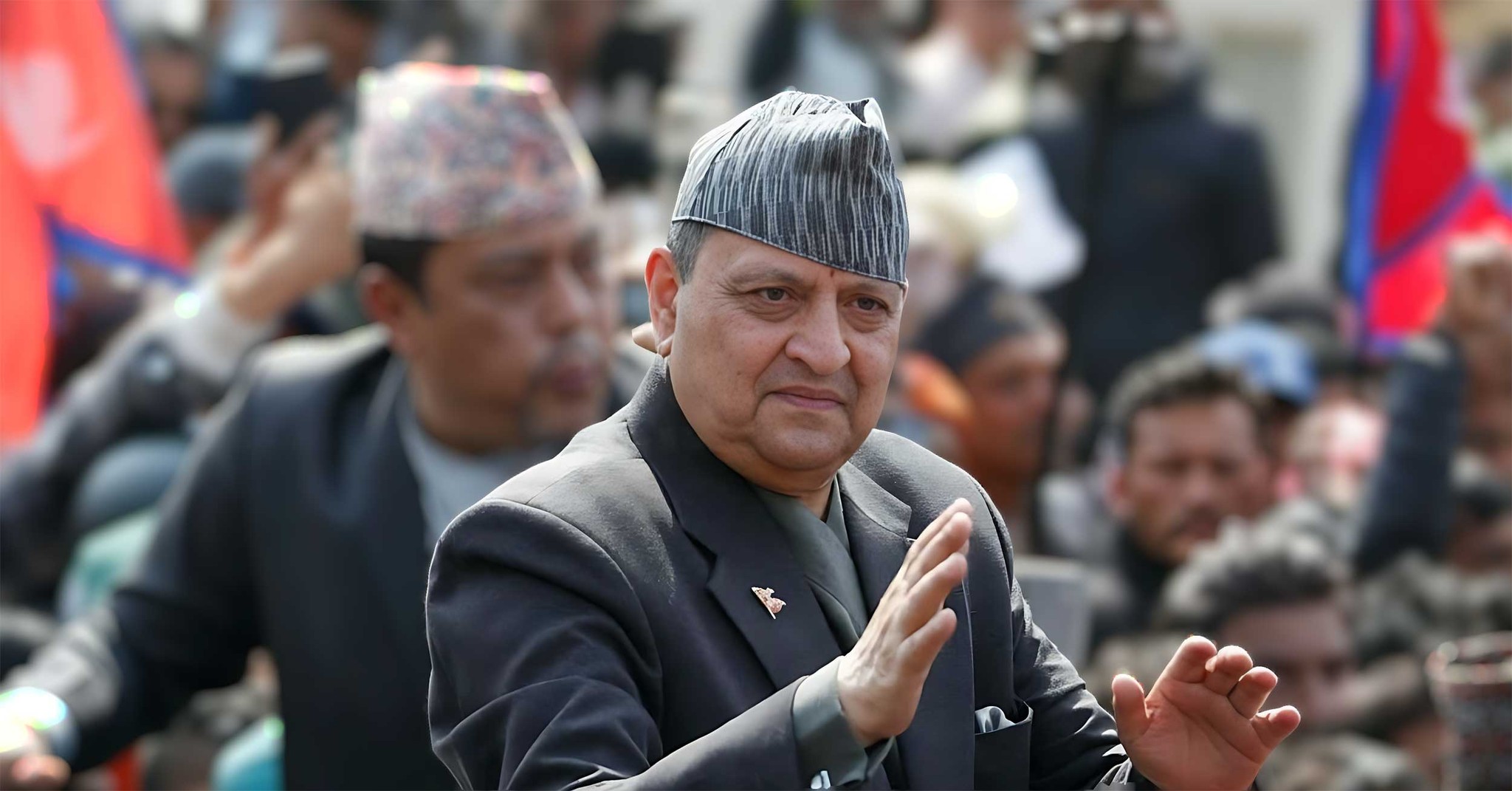
G. Shah is the literary identity of former King Gyanendra Bir Bikram Shah, whose poetic and lyrical works have contributed a distinct voice to Nepali music and literature. Active as a songwriter and poet, his creations reflect deep patriotism, emotional sincerity, and a profound attachment to the Nepali soil. His lyrics have been performed by celebrated singers including Prakash Shrestha, Ananda Karki, Sapana Shree, and Jyoti Shrestha, giving his words a wide musical presence.Among his notable works are songs such as “Bachnu Nai Chha Yadi Bhane” (vocals: Prakash Shrestha), “Pahilo Milanko” (vocals: Ananda Karki), and “Ma Jasto Thiye” (vocals: Sapana Shree). His lyrical compositions are also featured in the album ‘Rajasi’, where Jyoti Shrestha and other respected artists have brought his words to life.In literature, his poetry collection ‘Dui Mutu, Eauta Bato’ stands as a significant publication, released on the occasion of his 76th birthday. Through his songs and poems, G. Shah expresses themes of national pride, cultural identity, and heartfelt human experience, establishing him as a unique creative figure within Nepal’s contemporary literary and musical landscape.
G. Shah
Lyricist, Poet
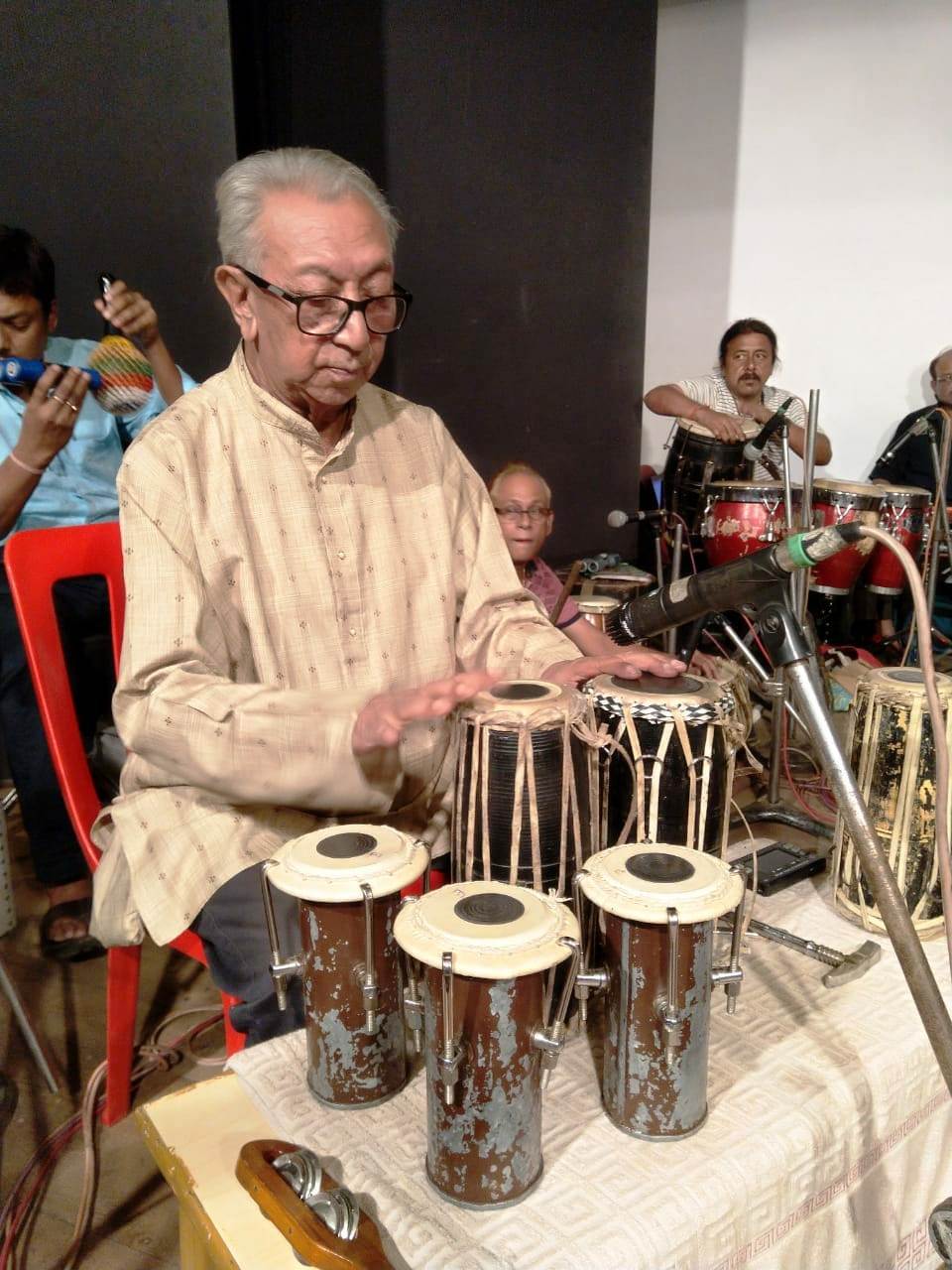
Ranjit Gazmer (also spelled Ranjit Gajmer) is a renowned Nepali film music composer, arranger, and instrumentalist known for his major contributions to Nepali cinema and South Asian music. Born on October 3, 1941, in Darjeeling, India, he developed an early passion for music and studied under legendary composer Amber Gurung at the Art Academy of Music in Darjeeling.Gazmer began his professional journey as a studio musician at Radio Nepal in the late 1960s before moving to Mumbai in 1971, where he worked closely with the legendary Bollywood composer R. D. Burman. As a skilled percussionist—particularly known for playing the Nepali madal—he contributed to numerous Hindi film recordings and became part of Burman’s core musical team for many years.He later established himself as one of the most influential music directors in Nepali cinema, composing music for many classic films such as Samjhana, Kusume Rumal, Saino, Lahure, and Darpan Chhaya. His music played a significant role in shaping the sound and popularity of modern Nepali film songs.Gazmer is also credited with arranging one of the early Nepali songs sung by Asha Bhosle, helping bridge Nepali and Indian film music cultures. Over decades of work as a composer, arranger, and instrumentalist, Ranjit Gazmer has remained one of the most respected figures in Nepali film music history.
Ranjit Gazmer
Music Director
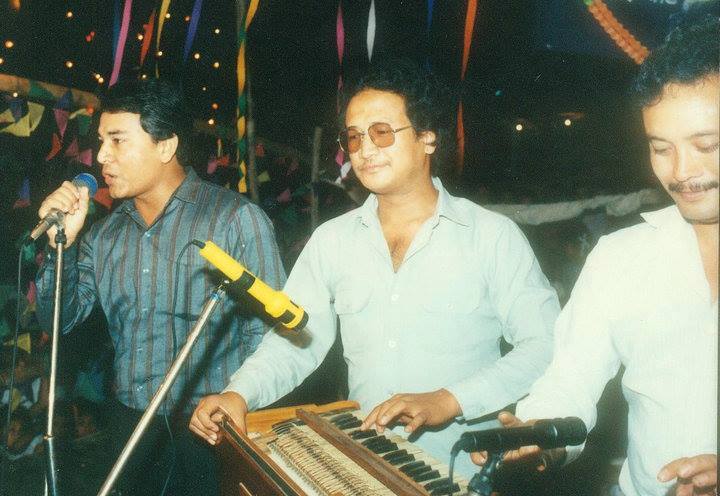
Dibya Khaling (March 28, 1952 (15 Jestha 2009 BS)) is a famous Nepali musician, composer and lyricist. Dibya Khaaling has rendered music for about 1000 songs, including the famous “Mero geet sabai timi laai..” sung by Arun Thapa , Ma Ta Laligurans Bhayechhu, Hey Bir Hinda Aghi Sari, Preyasika Yaadharu, Mayako Aadharma, and Bipana Babhaye Bachidine, and music for plays and films (Nepali film Didi by Pratap Subba). Khaling moved to Nepal from Darjeeling in the 1960s and worked with Radio Nepal. He composed music for singers like Narayan Gopal, Arun Thapa, Gyanu Rana, Mira Rana etc. A book “Dibya Sangeetkaar, Dibya Khaaling” has been written by his friends and family members, such as poet Madhav Prasad Ghimire and musicians Kiran Pradhan and Bulu Mukarung in his memory. He was married to Grace Khaaling. He is survived by three sons (Prajaya, Pradesh, Pratibimba), one daughter (Pratigya), two granddaughters (Divyanah Grace and Aanyata Parisa) and two grandsons (Noah and Deedan Daniel). Dibya was suffering from heart problems and died on 25 June 2006.
Dibya Khaling
Music Artists, Music Director
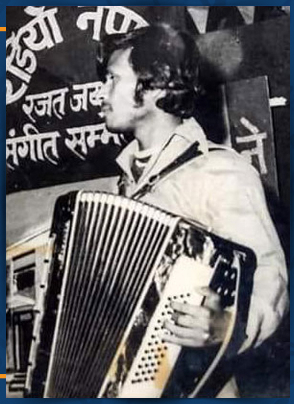
Madan Pariyar was a renowned Nepali music composer, arranger, instrumentalist, and singer who made significant contributions to Nepali music and film. He is widely recognized as Nepal’s first music arranger, known for his exceptional skill as an accordion player and for his innovative musical arrangements. Throughout his career, he composed music for numerous songs recorded at Radio Nepal, arranged music for many popular tracks, and performed as a talented instrumentalist in various recordings.Pariyar also worked as the music director for the film Aadarsha Nari (1984). His daughter, Sapana Shree, is also a well-known Nepali singer. Through his work as a composer, arranger, and musician, Madan Pariyar remains remembered as one of the respected pioneers who helped shape modern Nepali music.
Madan Pariyar
Music Director, Music Arranger, Singer/ Performer
Tara Devi, revered as “The Nightingale of Nepal,” was one of the most influential and beloved voices in Nepali music. Born on 15 January 1945 in Indrachowk, Kathmandu, she began singing at Radio Nepal as a young teenager and soon emerged as the defining female voice of modern Nepali music. Over a career spanning four decades, she recorded more than 4,000 songs, ranging from modern melodies and patriotic anthems to devotional and folk compositions, shaping the emotional and cultural soundscape of an entire nation.Her voice—soft, expressive, and deeply emotive—became synonymous with Nepali identity. Songs like “Phool Ko Thunga,” “Udi Jaun Bhanne,” “Mann Ko Bandh,” “Bhimsen Thapa,” and countless others remain timeless classics, cherished across generations and the global Nepali diaspora. Tara Devi’s artistry elevated Nepali music to new heights, bringing refinement, dignity, and lyrical depth to the modern genre.In recognition of her extraordinary contribution, she received some of Nepal’s highest national honors, including the Jagadamba Shree Award (2050 B.S. / 1993 A.D.), the Indra Rajyalaxmi Pragya Puraskar, the Chhinnalata Puraskar, the Maina Puraskar, and the Nai Sur Samman. She was also decorated with the Prabal Gorkha Dakshin Bahu (First Class), the Mahendra Ratna Abhushan, the Gaddi Arohan Rajat Padak, and the Birendra Aishwarya Sewa Padak, along with numerous other national and international recognitions.Despite personal tragedies later in life, Tara Devi continued to embody grace, devotion, and artistic integrity. She passed away on 23 January 2006, leaving behind a monumental legacy that continues to inspire singers, musicians, and music lovers across the world. Her voice remains a cultural treasure—an enduring symbol of Nepal’s musical soul.
Tara Devi
Music Artists, Singer/ Performer
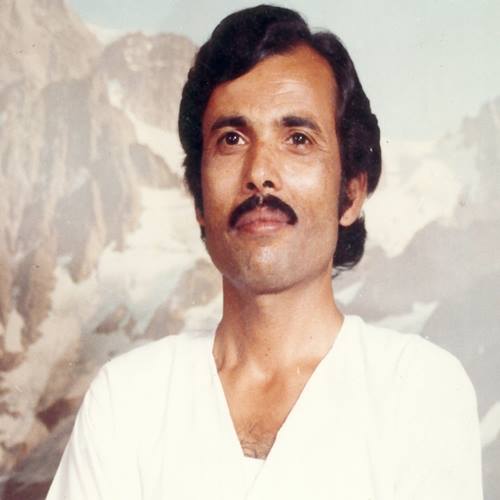
Bhakta Raj Acharya commonly referred to as Bhajan Shiromani, is a Nepali singer and music-composer. He is one of the best known singer of Nepal. He was born in Dhankuta ,Nepal and raised in Kalimpong, India. He moved to Nepal in 1970’s during the flock on Darjeeling singers to Nepal. Bhakta Raj Acharya has very beautiful Hymns or Bhajans sung in Nepali language and is entitled as the Bhajan Shiromani of Nepal. Acharya’s career started in 2030 B.S after he won a gold medal in an All Nepal Song Competition . His career spanned until 2046 B.S. He has about 450 recorded songs and has composed about 25-30 songs. Now his sons, Satya Raj Acharya and Sworup Raj Acharya have followed their father’s footsteps with them and have established themselves as promising singers are geared up to bring the real-life story of their father into reel-life.
Bhakta Raj Acharya
Music Artists, Music Director, Singer/ Performer

Chaitya Devi is a pioneering figure in Nepalese cinema, celebrated for her remarkable contributions to the industry. She rose to fame with her role in Aama (1964), the first Nepali film, and further solidified her legacy by starring in Kumari (1977), Nepal's first color film. Her exceptional talent has left a lasting impact on Nepali film history. Beyond her acting achievements, Chaitya Devi pursued academic excellence, earning an MA in Stage and Film Acting from a university in Moscow. Her dedication to her craft has inspired countless artists, and she remains an iconic figure in the world of Nepali entertainment.
Chaitya Devi
Actress
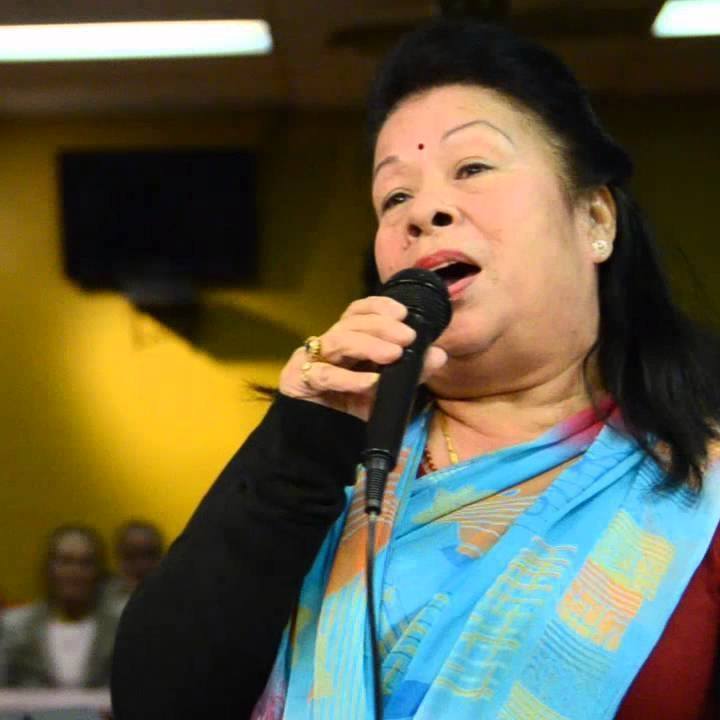
Mira Rana (also known as Meera Rana) is a renowned Nepali singer who has made significant contributions to the Nepali music industry. Born on September 24, 1951, she has sung over 1,600 songs in her 55-year musical career. Mira Rana is considered a part of "Nepal's first wave of recording stars," recording folk, classical, and even pop songs during the country's modernization after the fall of the Rana regime. She has collaborated with artists like Narayan Gopal, Gopal Yonjan, Kumar Basnet, Udit Narayan Jha, and Ram Thapa. In addition to her musical career, Mira Rana has also been involved in politics. She joined the Rastriya Prajatantra Party Nepal in 2009 and contested for parliament from the Kathmandu-3 constituency in 2013. She was awarded the Narayan Gopal memorial prize in 2016, shared with Gyanu Rana, in recognition of her contribution to Nepali music.
Mira Rana
Music Artists, Folk Singer
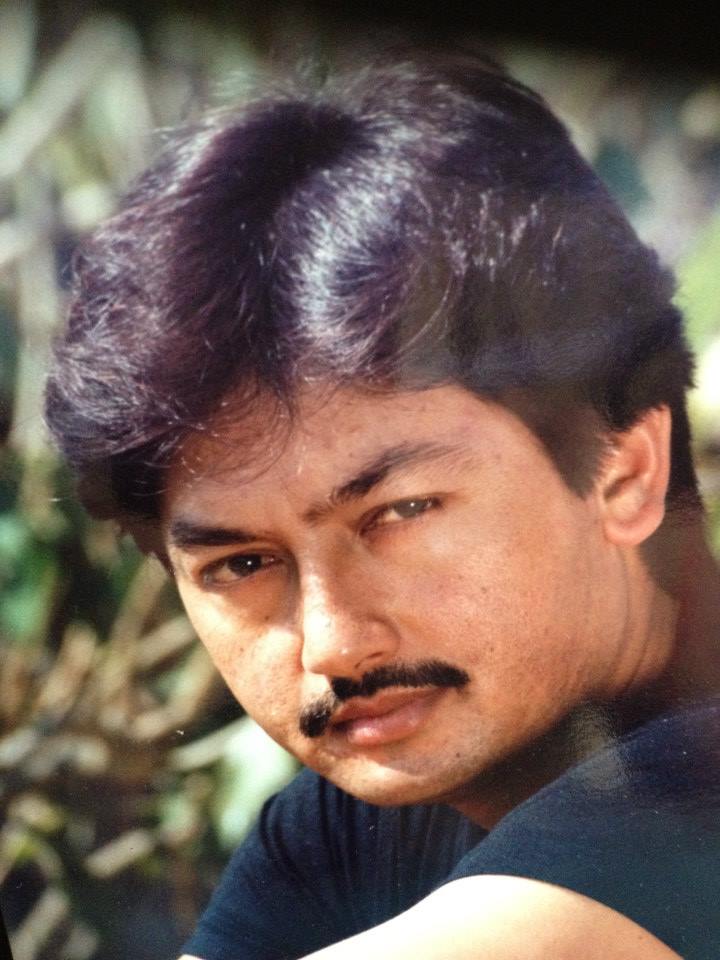
Arjun Jung Shahi is a Nepali film actor known for his work in the early and mid‑modern era of Nepali cinema. Recognized for his calm screen presence and character‑driven performances, he appeared in several notable films across the 2040s and 2050s B.S. His acting career includes roles in Jivan Rekha, Bishwas (2043‑1‑22), Santaan (2044‑8‑14), Shanti‑Dip (2046‑9‑16), Bhumari (2046‑1‑29), Cheli‑Beti (2046‑12‑29), Ghar‑Aangan (2053‑11‑8), and Mohar. Through these films, he contributed to the evolving narrative style of Nepali cinema, portraying family‑centered, emotional, and socially grounded characters. His body of work reflects the transition period of Nepali filmmaking, where traditional storytelling began merging with contemporary themes.
Arjun Jung Shahi
Actor
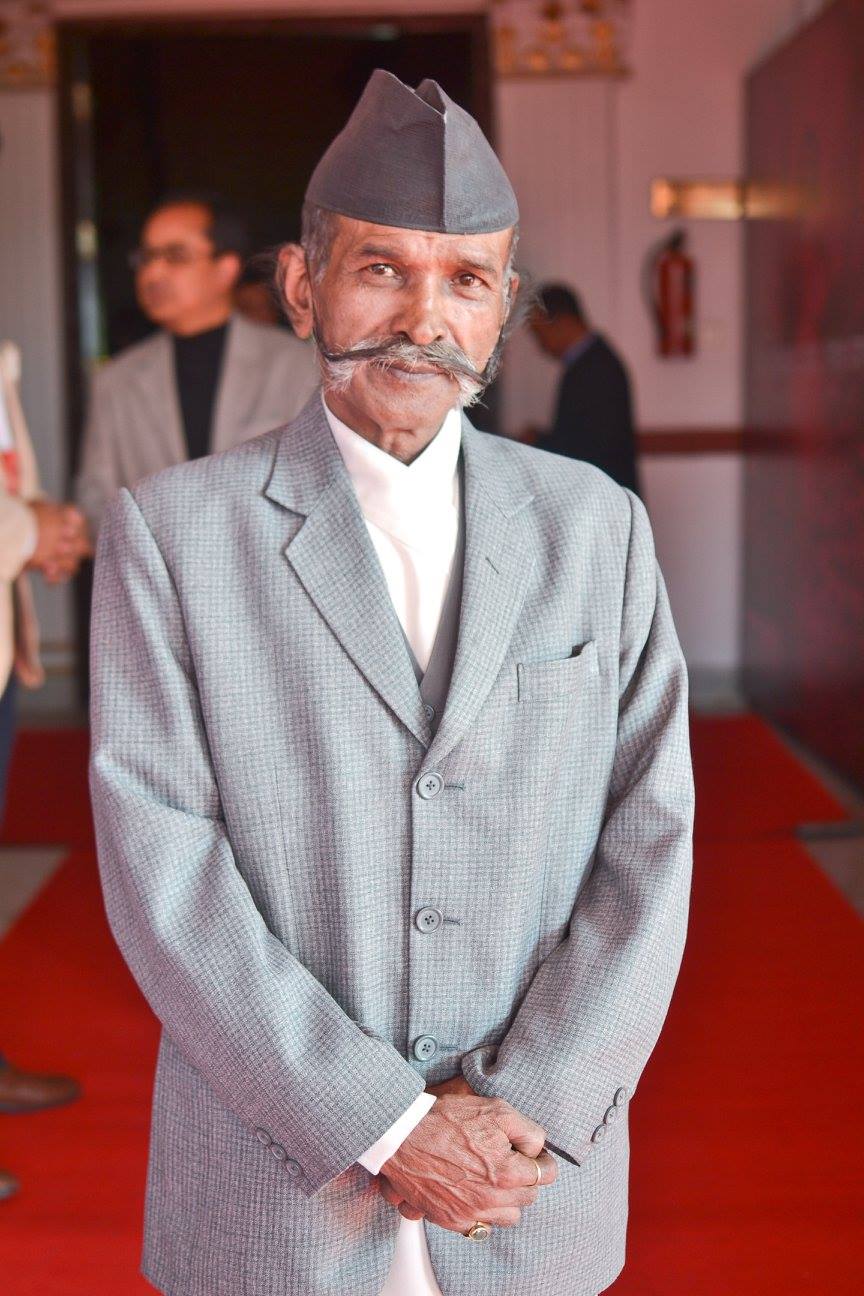
Junge Bhattarai, known professionally as Uddab Raj Bhattarai, is a Nepali actor and comedian recognized for his natural humor, expressive character work, and strong presence in contemporary Nepali entertainment. Active since the early 2010s, he has appeared in feature films such as Pahilo Pahilo Maya (2010), Hamro Maya Juni Junilai (2011), and the cult‑favorite Gaja Baja (2018), where his character performance earned him praise for authenticity and timing. Beyond films, Bhattarai is widely known for his roles in popular comedy series and digital sketches, including Hou Guji, Dera, and other situational comedy formats that highlight everyday Nepali life. His ability to portray relatable, humorous, and emotionally grounded characters has made him a familiar face among Nepali audiences. He continues to work across film, stage, and digital media, contributing to Nepal’s evolving comedic landscape.
Uddab Raj Bhattarai (Junge Bhattarai)
Basu Sashi was a pioneering Nepali poet, playwright, novelist, lyricist, and translator whose creative influence spanned literature, theatre, and cinema. Born on Chaitra 13, 1993 B.S. in Pashupati, Kathmandu, he founded the literary circle Rodi, where he worked alongside Bhupi Sherchan, Krishnabhakta Shrestha, Himanshu Thapa, and Kumar Nepal. Celebrated primarily as a poet, he also excelled in drama, fiction, songwriting, and translation, publishing more than two dozen works in Nepali and Newari. He wrote for the films Maya (2047‑10‑12) and Lobhi‑Papi (2047‑12‑15), the latter being especially associated with his name. He passed away on Chaitra 4, 2049 B.S. at Tata Memorial Hospital in India, and was cremated in Kathmandu the following day.
Basu Sashi
writer-author
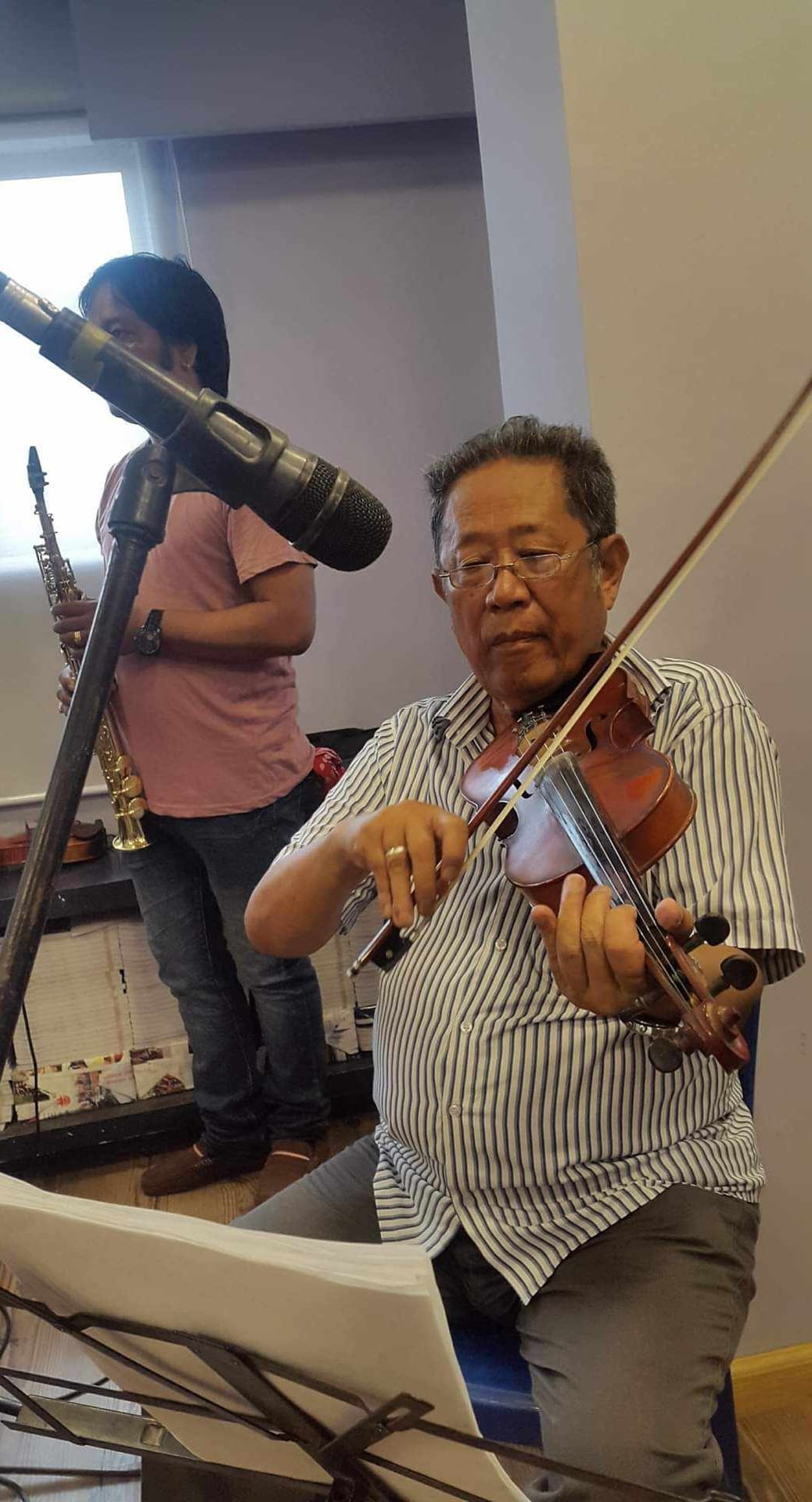
Norbu Tshering is a respected Nepali music director and arranger known for his refined melodic craft and long contribution to modern Nepali music. He began his professional journey as an arranger in 2051 BS, working for many years at the well‑known San Studio, Kupondole, where he shaped the sound of countless recordings. Tshering arranged and composed several celebrated songs, including “Jeevan Bhanũ Ta Ghaat Chha” and “Kina Feri Maya Samjhi Taadpinchha Man,” both of which became widely admired for their emotional depth and clean musical structure. Throughout his career, he collaborated with legendary artists such as Narayan Gopal, Nati Kaji, and Bhakta Raj Acharya, contributing to recordings that helped define the era. His disciplined arrangements, warm instrumentation, and sensitive musical judgment continue to be valued as part of Nepal’s modern musical heritage.
Norbu Tshering
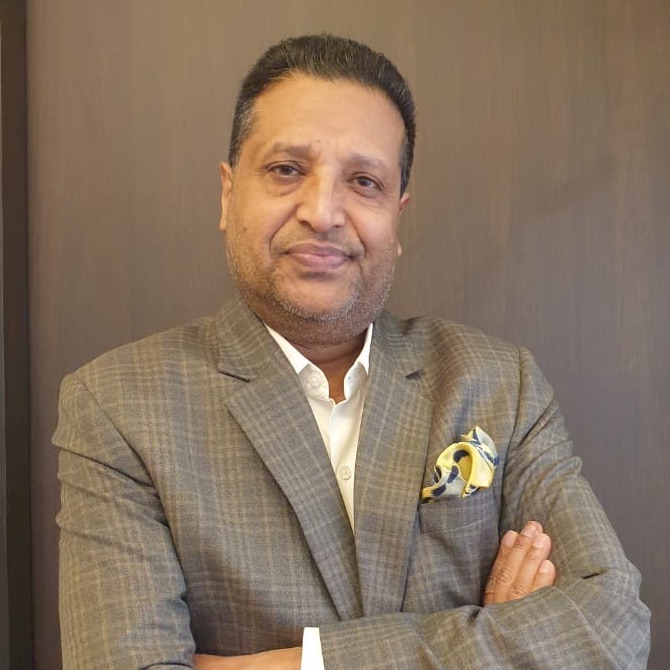
Basant Chaudhary is a celebrated Nepali poet, lyricist, writer, and cultural patron whose work spans poetry, songs, essays, and social commentary. His literary journey began with the poem Tusharolai Piundai (1983), written under the pseudonym Simool, and later expanded into acclaimed collections such as Rashtriyata Nadukhos (2006), Samvad (2008), and the poetry compilation Megha (2011). A prolific lyricist, he has penned widely loved songs including the patriotic Shanti Lukau Kahan, along with numerous musical collaborations across Nepal and India. Known for blending emotional depth with contemporary themes, Chaudhary is also active in promoting art, literature, and heritage conservation, making him one of Nepal’s most influential modern literary voices.
Basant Chaudhary
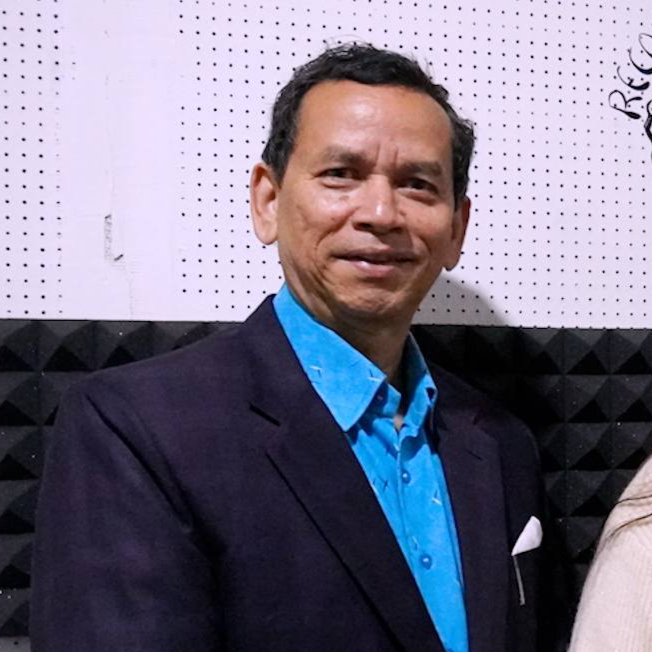
Bhupendra Rayamajhi is a renowned Nepali musician, music director, arranger, and lyricist with over 30 years of experience in the music industry. His passion for music began in childhood and turned professional when he joined Radio Nepal as a guitarist in 1983, later becoming a music arranger in 1990. He earned his Bachelor’s degree in Music from Prayag Samiti, Allahabad, India. In 1998, he was appointed Chief of the Music Department at Radio Nepal, where he played a vital role in nurturing and uplifting Nepali music. He retired from Radio Nepal in 2018 and continues to create heartfelt music that connects with audiences worldwide.
Bhupendra Rayamajhi
Music Artists, Music Director, Music Arranger
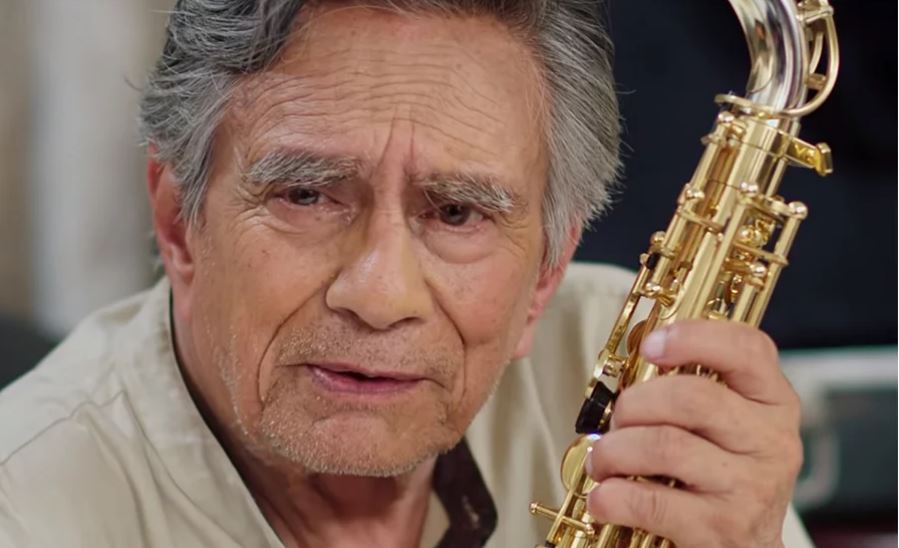
B.S. Rana is a veteran Nepali actor celebrated for his commanding presence and memorable character roles across several decades of Nepali cinema. Known for his natural performance style and disciplined craft, he has appeared in many acclaimed films, contributing depth to social dramas, family stories, and commercial hits alike. Rana’s work in classics such as Basudev, Prem Pinda, Chino, Dakshina, Kanyadan, Muna Madan, and Dharma Sankat helped establish him as one of the industry’s most reliable senior actors. His enduring career reflects a rare combination of versatility, professionalism, and a deep commitment to Nepali storytelling.
BS Rana
Actor, Film Artists
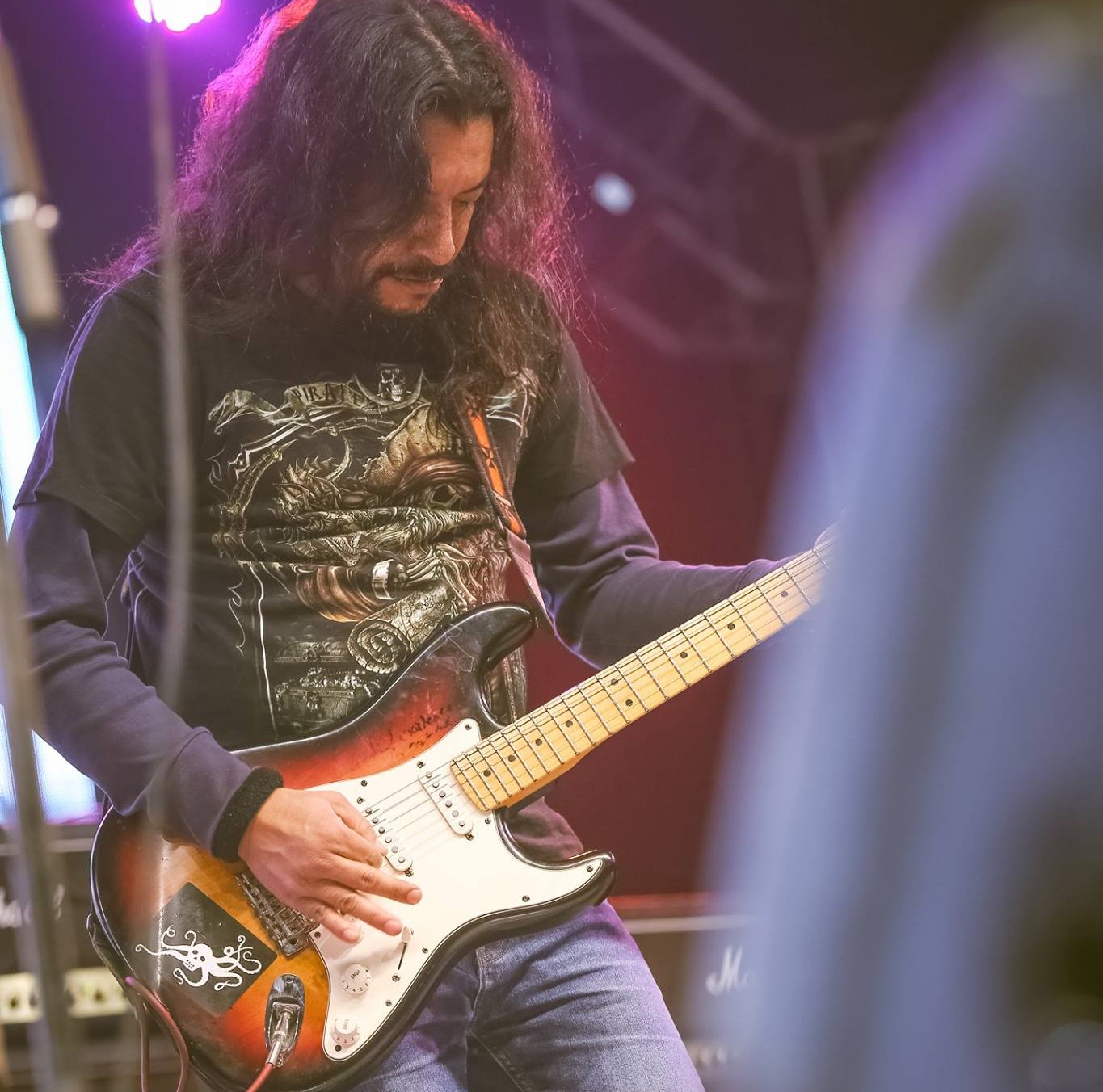
Sarad Shrestha is one of Nepal’s most influential guitarists and genre‑shifting musicians, active for over three decades in the Nepali music scene. Beginning his journey after SLC, he formed his first band Black Band and later became widely known as the guitarist of The Axe Band, contributing 12 years and four albums. A versatile performer, he has worked across rock, stoner metal, ska‑punk, rap‑rock, and grunge, performing with bands such as Black Wizard, The Sound Mill, Kathmandu Mayhem, Intellectual Morons, Tumbleweed Inc., Project One, and Shree 3, where he also sings. Respected for his emotional playing and fearless experimentation, Shrestha remains a defining figure in modern Nepali rock.
Sarad Shrestha
Guitarist, Singer/ Performer
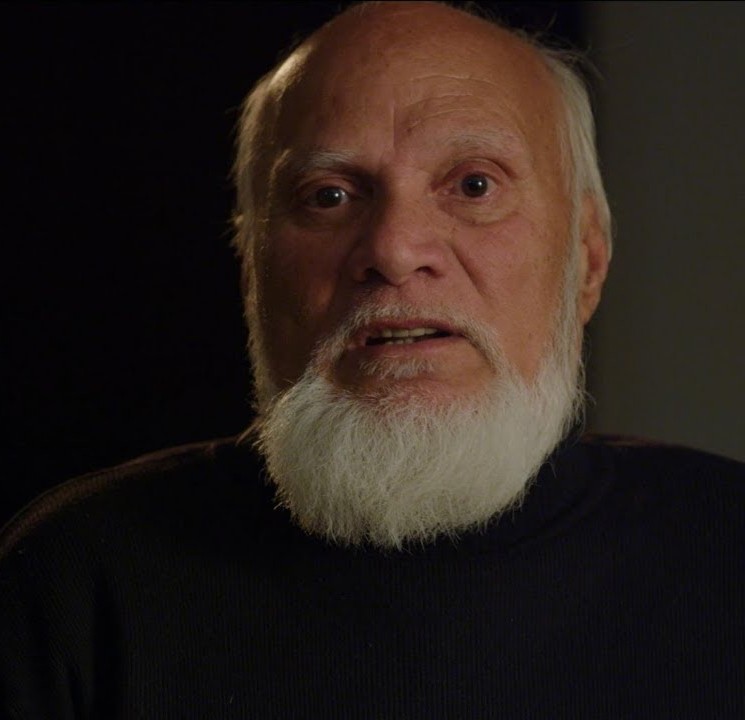
Javed Shah is one of the foundational cinematographers of Nepali cinema’s classic era (1989–2004), known for shaping the visual language of action‑drama films through his signature gritty lighting, bold framing, and dynamic camera movement. His work spans more than 15 major feature films, making him one of the most respected technicians of his generation.
Javed Shah
Cinematographer
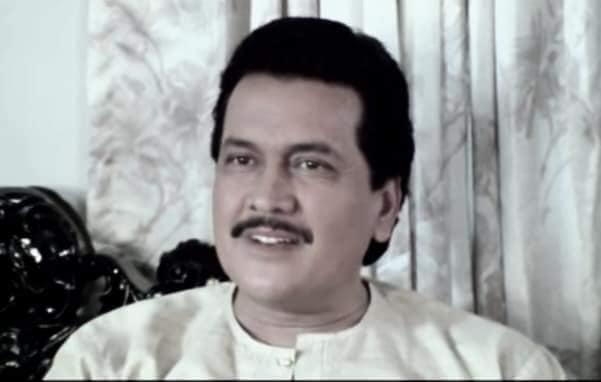
Starting from his early life in Biratnagar, Prakash Pathak was born in 2001 B.S. (1944 AD) and later became a familiar face in Nepali cinema. He entered the Nepali film industry in the early 2040s B.S. (1980s AD), gradually establishing himself through steady, heartfelt performances in social and family‑oriented films.Over the course of nearly three decades, Pathak contributed to a wide range of Nepali feature films and telefilms. He appeared in several well‑known titles, including Mayalu, Tilahari, Gopikrishna, Tuhuro, and Bandhan, along with numerous other productions across the 1980s, 1990s, and early 2000s.Prakash Pathak was known for portraying grounded, relatable characters — often fathers, uncles, community figures, or emotionally layered supporting roles. His natural acting style, calm presence, and ability to reflect everyday Nepali life made him a respected contributor to the golden and transitional eras of Nepali cinema.
Prakash Pathak
Film Artists
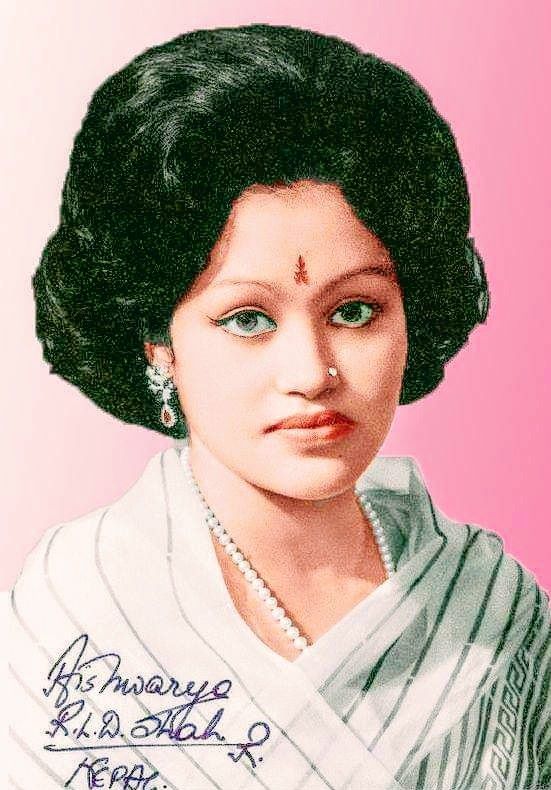
Chandni Shah, known formally as Queen Aishwarya Rajya Lakshmi Devi Shah, was the Queen of Nepal and one of the most admired figures in modern Nepali history. Revered for her grace, intellect, and deep cultural presence, she became a beloved symbol of national pride. Beyond her royal duties, she expressed her artistic spirit through writing — composing heartfelt Nepali songs, poems, and reflective pieces that revealed her emotional depth and patriotic devotion. Her creative works, often shared under the name Chandni Shah, highlight themes of love, humanity, and the Nepali identity. Remembered as the “heart of the Nepali people,” she remains an enduring cultural and emotional icon.
Chandni Shah

Ugen Chhopel (also credited as Ugyen Chopel) is a Nepali film director and screenwriter best known for shaping the emotional, character‑driven style of late‑1980s and 1990s Nepali cinema. He made a landmark debut with the classic Saino (1988), a film that became a cultural milestone and later inspired the Hindi TV series Ajnabi. Chhopel continued his directorial journey with Bandhu (1992), Trishna (1991), Nepali Babu (1999), and the acclaimed fantasy‑drama Badal Paree (2001). His work spans Nepali and Indian productions, marked by emotional depth, strong performances, and cross‑cultural storytelling. Chhopel is also the nephew of actor Danny Denzongpa, linking him to a prominent artistic lineage.
Ugen Chhopel
Film Director
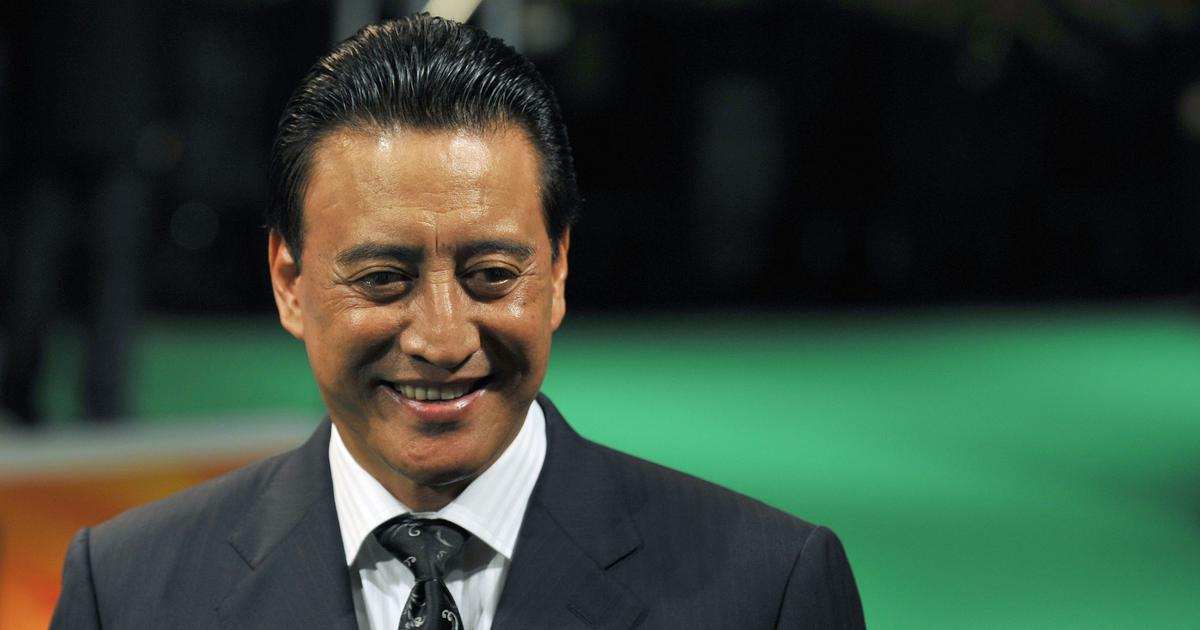
Danny Denzongpa is a legendary Nepali‑origin Indian actor, singer, and filmmaker whose career spans more than five decades, with over 190 films since his debut in 1971.. Born in Yuksom, Sikkim, he rose to prominence in Hindi films through memorable roles in Khuda Gawah, Agneepath, Ghatak, Hum, Andhi Gali, and many others, becoming one of the most respected character actors of his generation. As a singer, he recorded several Nepali hits, including the evergreen “Musu Musu Hasi Deu”,Rato Rani Phulejhai and “Chiso Chiso Hawama”, which remain beloved across Nepal. Danny also acted in the Nepali film Saino, a classic of Nepali cinema.
Danny Denzongpa
Actor, Singer/ Performer

Om Bikram Bista (ॐ विक्रम विष्ट) is a pioneering Nepali musician, singer, and composer widely celebrated as Nepal’s “King of Pop.” Emerging in the 1970s and rising to national fame through his modern, youth‑oriented sound, he helped introduce Western‑influenced pop music to Nepal’s mainstream. His energetic vocals, melodic compositions, and charismatic stage presence made him one of the most influential figures in Nepali contemporary music. With a career spanning decades, Bista’s songs remain timeless, and his contribution continues to shape the identity and evolution of Nepali pop culture.
Om Bikram Bista
Pop Artist, Singer/ Performer
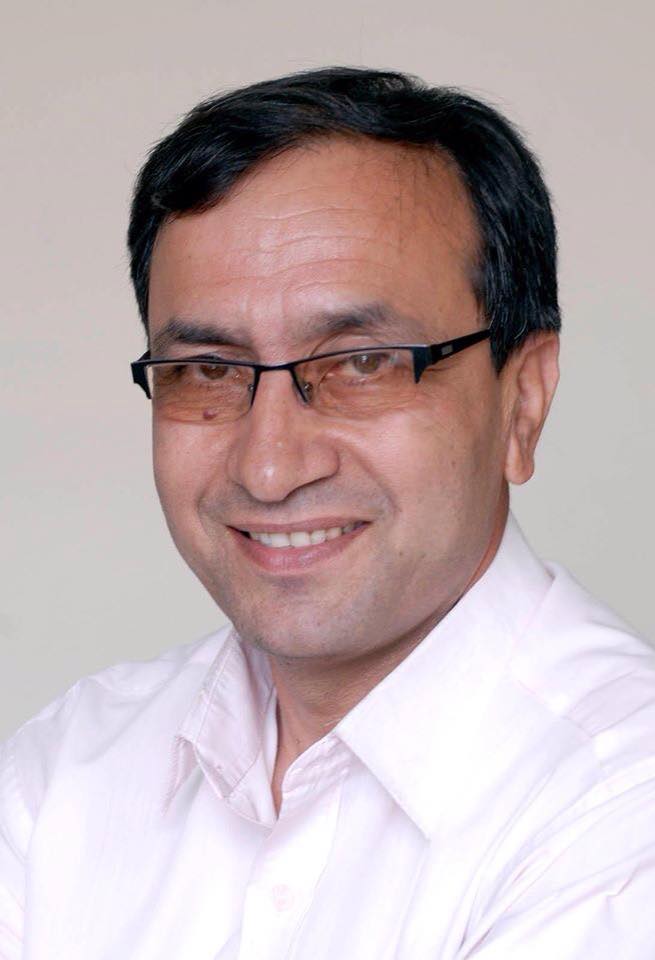
Raman Ghimire is a renowned Nepali lyricist, poet, and literary figure. He has made significant contributions to Nepali literature. Some of his major works include songs such as "Aadhi Bato Hinde Pachhi Timisanga Bhet Bhayo", "Euta Bato Sadhai Bhetghat Bhairahta", and "Kahile Timro Pachauri Ma Aljhe" . He has established his place in Nepali literature, and his creations have influenced many readers.
Raman Ghimire
Lyricist, writer-author
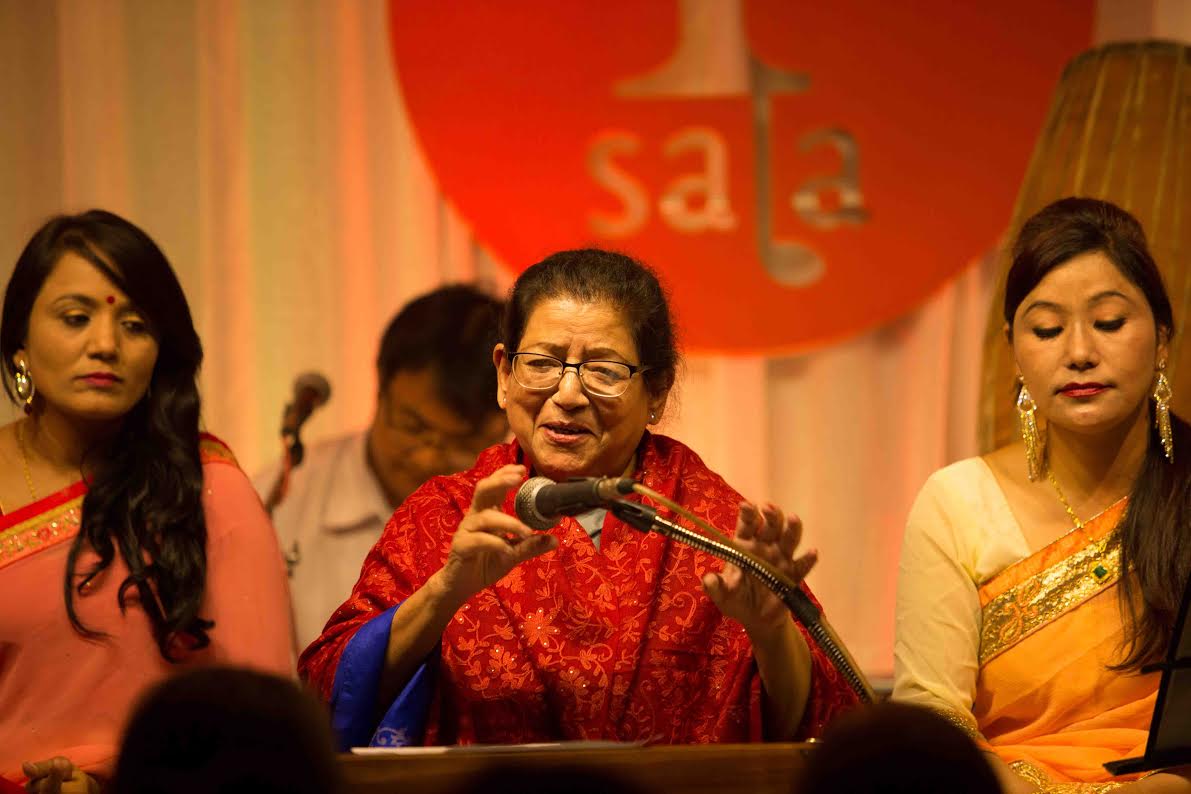
Shanti Thatal (शान्ति ठटाल) is a renowned Nepali music composer and singer known for her contributions to the Nepali film industry. Born on April 4, 1938, in Darjeeling, India, she is celebrated as the first female music composer in the Nepali film industry. Shanti Thatal has composed music for several Nepali films and has more than 200 songs to her credit. Some of her well-known songs include "Mayalu Ley Samjhe Ki Kaso", "Udi Jaun Bhaney Mo Panchi Hoina", and "Samhalera Rakha". Shanti Thatal's work has earned her numerous accolades, including the Jagadamba Shree Puraskar in 2020 for her contribution to Nepali music. She has also been awarded the Master Mitra Sen Smriti Award for Music by the Sikkim government in 2002.
Shanti Thatal
Music Artists, Music Director
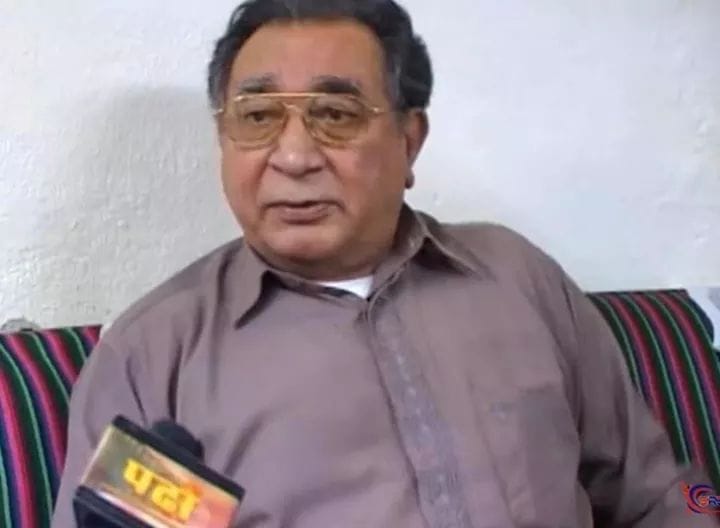
Jayananda Chand Thakuri was a prolific Nepali film actor known for his powerful screen presence and memorable roles across more than 100 films. Active from the early commercial era of Nepali cinema, he became a familiar face in action, patriotic, and social‑drama films, earning respect for his discipline, versatility, and long‑term contribution to the industry. Thakuri worked with leading directors and stars for decades, helping shape mainstream Nepali cinema. He passed away on May 31, 2020, leaving behind a respected legacy as one of Nepal’s most dedicated character actors. Selected Filmography (Representative List) Bishwas Jeevan Rekha Papi Manchhe Badal Bhai Tika Aama (later‑era remake involvement) Jali Rumal Kasam Bhai Mukti Jindagani Pahilo Prem (Note: His filmography spans over 100 titles; this list highlights widely recognized works.)
Jayananda Chand Thakuri
Character Artists, Film Artists
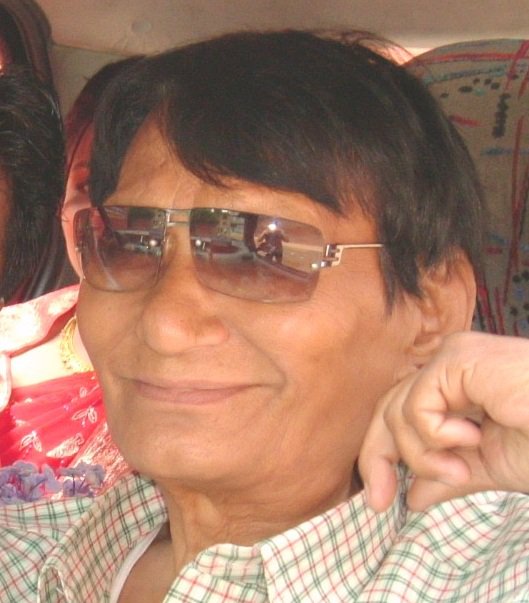
(Lyricist • Poet • Writer • Editor • Adhunik Sangeet Contributor) Bhim Birag (Bhim Bahadur Maharjan) (1991 BS – 2068 BS) was one of Nepal’s most respected lyricists, poets, and literary voices, celebrated for his emotionally rich songs and contributions to Nepali Adhunik Sangeet. Born in Maisthan, Birgunj on Magh 15, 1991 BS, he overcame severe childhood illness and economic hardship to become a defining figure in Nepali music and literature. His lyrics—recorded by legends like Narayan Gopal and Prem Dhoj Pradhan—remain timeless, blending philosophy, pain, romance, and human depth.