
Explore Artists
Browse through 2,004 talented actors, musicians, dancers, filmmakers and creative professionals from Nepal.
2,614
All Artists
194
Actor
222
Actress

Pushpa Bohara is a Nepali folk and Deuda singer whose work reflects the musical heritage of the Far‑Western region. Active since 2009, she has contributed vocals to recordings, live stage performances, and collaborative projects with prominent Deuda and lok‑folk artists. Her earliest verified credit is as a singer in the Nepali film Karnali (2009) , establishing her presence in the industry.Her digital catalog includes popular Deuda releases such as “Bagnya Chaulani,” “Maina Chari,” “Kathai Meri Piyari,” “Naroae Hai Bato Heri,” and multiple collaborations with many other artists.
Pushpa Bohara
Folk Singer
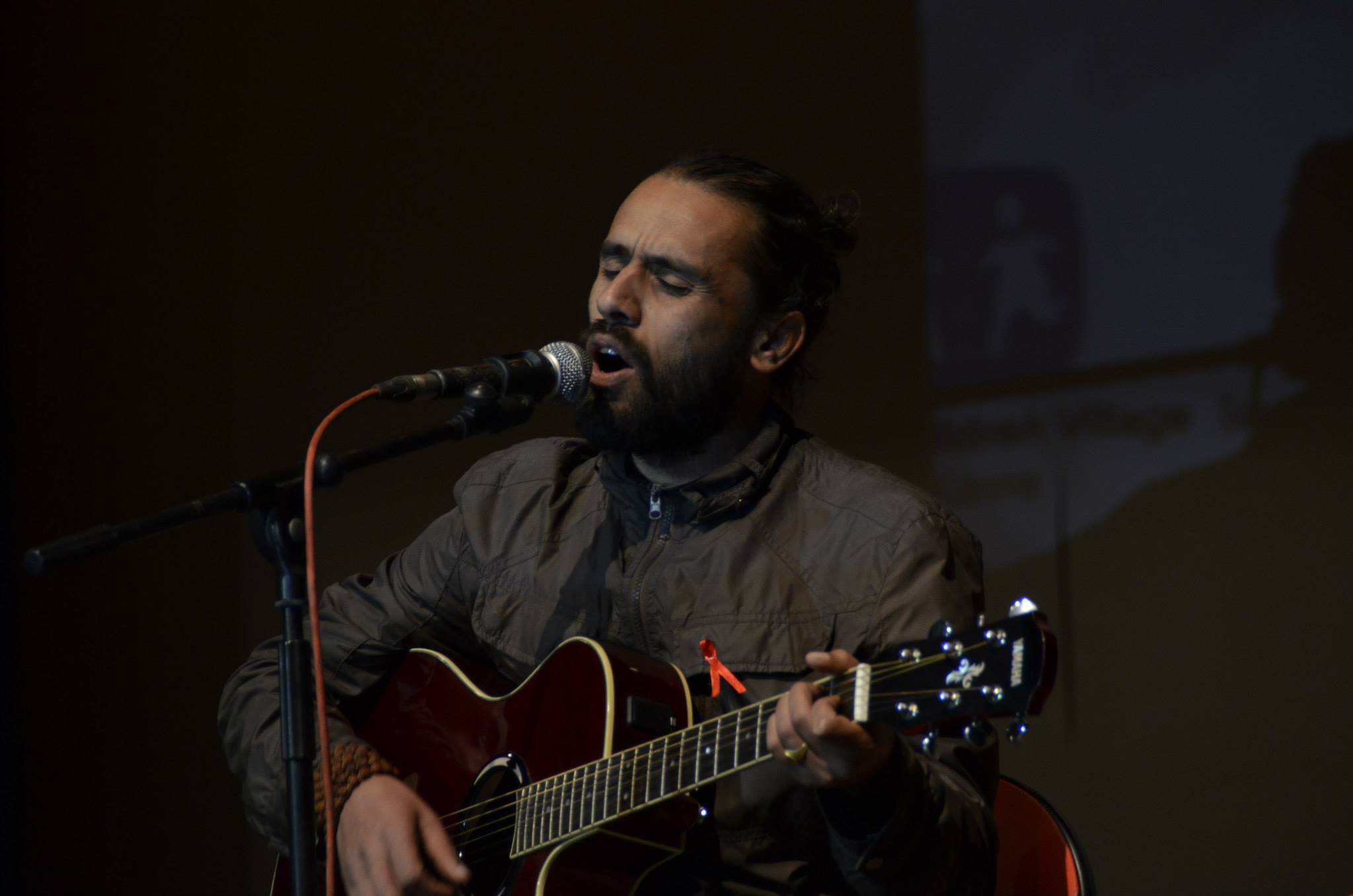
Bhugoal R. Dahal is a Nepali singer and music instructor known for his warm vocal tone, clean delivery, and his contribution to both modern and semi‑classical Nepali music. Active as a performer and educator, he serves as a music instructor at SS Music School, where he trains emerging vocalists in technique, expression, and performance discipline.Dahal’s singing career includes recorded songs across various modern, lok‑pop, and sentimental albums, along with a growing catalogue of digital releases. His voice is noted for its smooth phrasing, emotional clarity, and adaptability, making him a preferred vocalist for melodic and expressive compositions.As an instructor, he is recognized for his structured teaching approach, focusing on vocal foundation, pitch control, and stylistic interpretation. His dual role as a performer and educator has helped him build a respected presence in Nepal’s evolving music scene.
Bhugoal R. Dahal
Music Instructor, Singer/ Performer
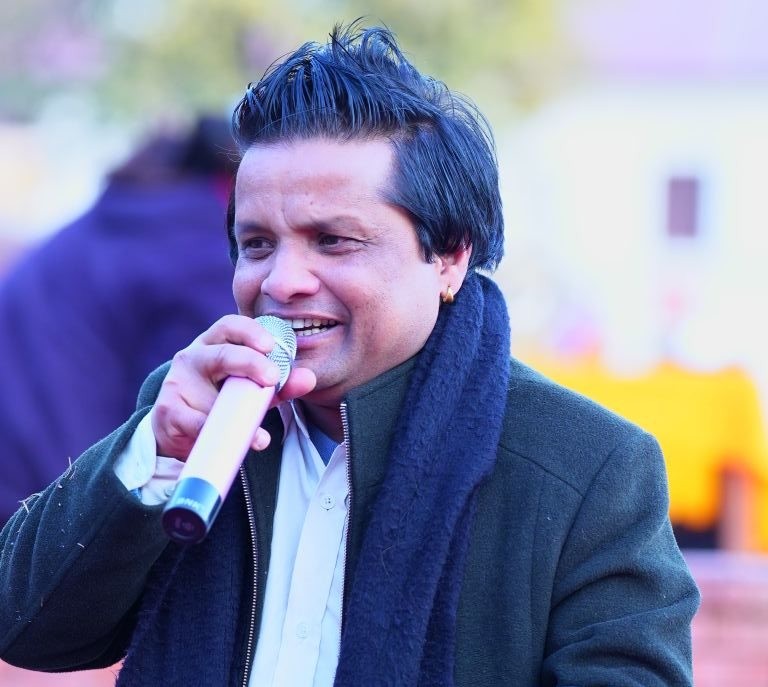
Narayan Babu Koirala is a Nepali singer known for his expressive vocal tone and his versatile presence across modern, lok‑pop, and devotional music. Alongside his work in modern Nepali songs, he is also recognized as a bhajan singer, with dozens of devotional recordings that have earned him a dedicated following among spiritual and cultural audiences.Koirala’s voice carries a natural warmth and clarity, making him a preferred vocalist for modern sentimental compositions as well as spiritually themed bhajans. His contributions span studio recordings, collection albums, and collaborative musical projects, reflecting his ability to adapt across genres while maintaining a distinct vocal identity.
Narayan Babu Koirala
Singer/ Performer
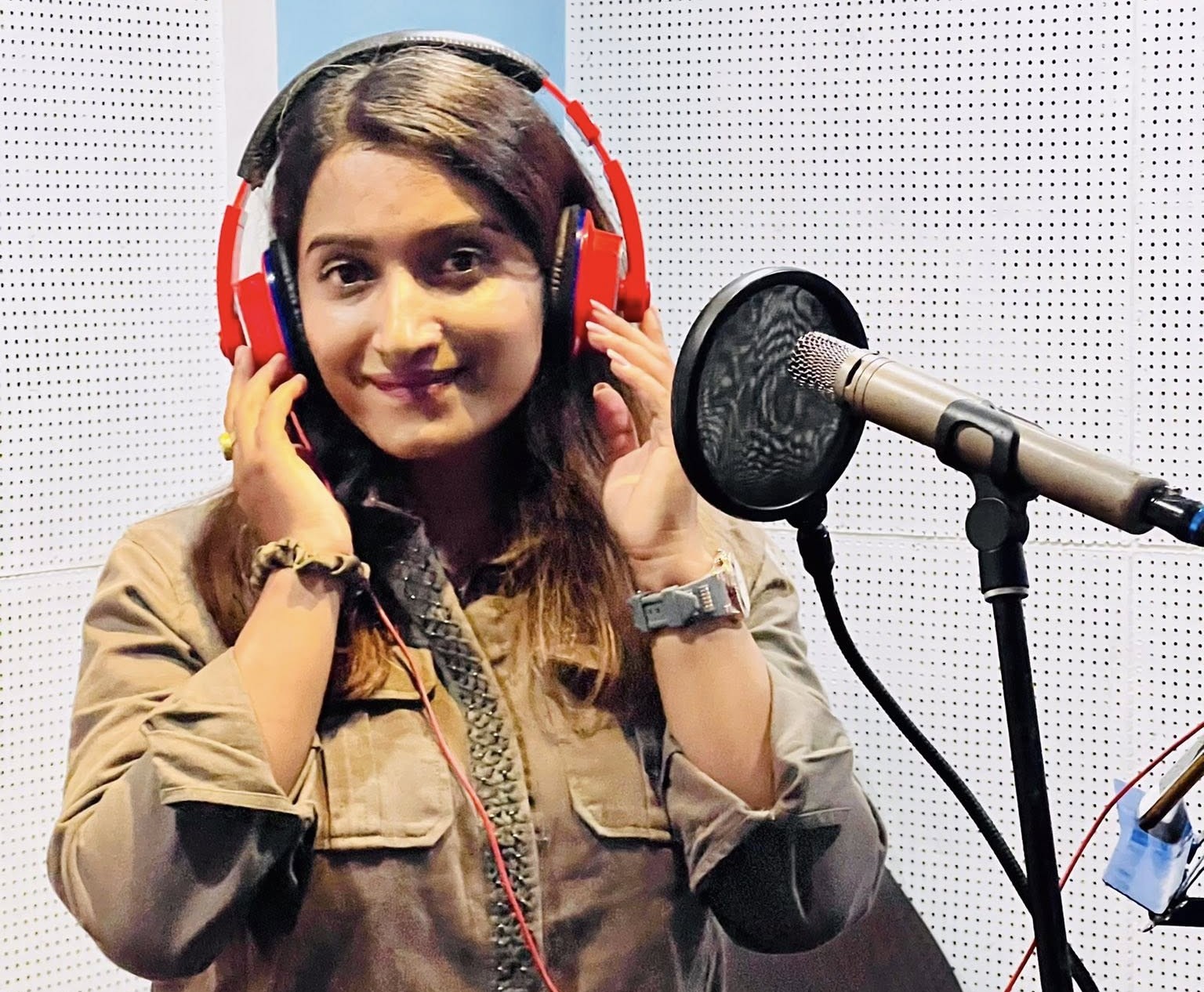
Anuska Pathak is a Nepali singer who has established herself as a leading voice in the industry over the past two decades. She completed her formal music education from Kalanidhi Indira Sangeet Mahavidyalaya in 2068 BS (2011/2012 AD) and released her debut album Maya Ko Sansar in 2069 BS (2012/2013 AD). The album’s standout track “Raharma Hunchha Maya” earned notable recognition and marked the beginning of her professional musical rise.Her vocal repertoire includes well‑loved songs such as “Raharma Hunchha Maya,” “Chhuttiye Pachhi Ta Chhutyo,” “Manko Daag,” “Hamro Sambandha,” “Bho Malai Chahinna,” “Maya Ko Sansar,” “Ghurghur,” “Phuleko Baish,” and “Shirphule Maya.” These songs have been appreciated by listeners and audiences for their emotional depth and melodic clarity.Alongside singing, Pathak has also written several of her own songs, many of which have already been recorded. She has occasionally appeared in her own music videos as well. Her musical style blends modern Nepali melody with folk influences, creating a sound characterized by emotional expression, lyrical sensitivity, and musical diversity.
Anuska Pathak
Singer/ Performer

Ajay Adhikari ‘Sushil’ is a Nepali singer, composer, and lyricist active since 2068 BS (2011 AD), known for his socially themed modern songs and soft‑melodic vocal style. He began his professional journey at the age of 17 as a teacher at Samata School, Lalitpur, before transitioning fully into music, driven by a deep personal passion for songwriting and composition.Adhikari has released six studio albums, including Rahar, Pheri Arko Rahar, Pani Nakhai Basnai Pardaina, Dashain Ra Tihar, Yo Kasto Rahar, and Man Ko Rahar, establishing himself as a consistent creator in Nepal’s modern music scene. His works often explore themes of social behavior, cultural values, and everyday human experiences, blending modern melody with meaningful lyrical expression.Alongside music, he is active as a school principal, author, and theatre producer, reflecting a multidisciplinary creative identity. His book Bhoge, Dekhe Ani Lekhe and his involvement in stage productions highlight his broader artistic engagement.With a clear, expressive voice and a commitment to socially conscious storytelling, Adhikari continues to shape a distinctive presence in contemporary Nepali music.
Ajay Adhikari ‘Sushil’
Singer/ Performer

Durga Pariyar is a Nepali singer known for her versatile vocal range across folk, modern, and film music. She first gained national attention after becoming First Position at Radio Nepal, followed by winning Nepal Television’s talent show Khoji Pratibha Season 1, which marked her formal entry into the professional music world.Her breakthrough moment came when she won the National Music Award (Best Modern Female Vocal) for the song “One Phool…”, awarded during Radio Kantipur’s 20th Anniversary celebration—a recognition that firmly established her among Nepal’s leading modern vocalists.Pariyar has contributed her voice to numerous collection albums, film soundtracks, and modern sentimental releases. Her discography includes works featured in Nepali films such as Maya’s Bar (2012) and Madhumas (2013), where she served as a playback singer.Her musical style blends folk authenticity, modern melodic phrasing, and emotional clarity, making her one of the most adaptable female voices in contemporary Nepali music.
Durga Pariyar
Playback Singer

Sarita Shahi is a Nepali singer whose musical journey began in 2010, evolving from folk roots to a versatile presence in modern Nepali music. Her debut album “Sufal” (2011) marked her entry into the professional music scene, establishing her as a melodically expressive vocalist with a strong command over both traditional and contemporary styles.Over the years, Shahi has contributed her voice to numerous collection albums, lending her signature soft‑melodic tone to a wide range of folk, lok‑pop, and modern sentimental songs. Her ability to adapt across genres has made her a consistent and recognizable voice in Nepal’s evolving music landscape.Active in studio recordings and live performances, she continues to engage audiences with her heartfelt singing, stage confidence, and stylistic blend of folk authenticity and modern musical sensibility.
Sarita Shahi
Singer/ Performer
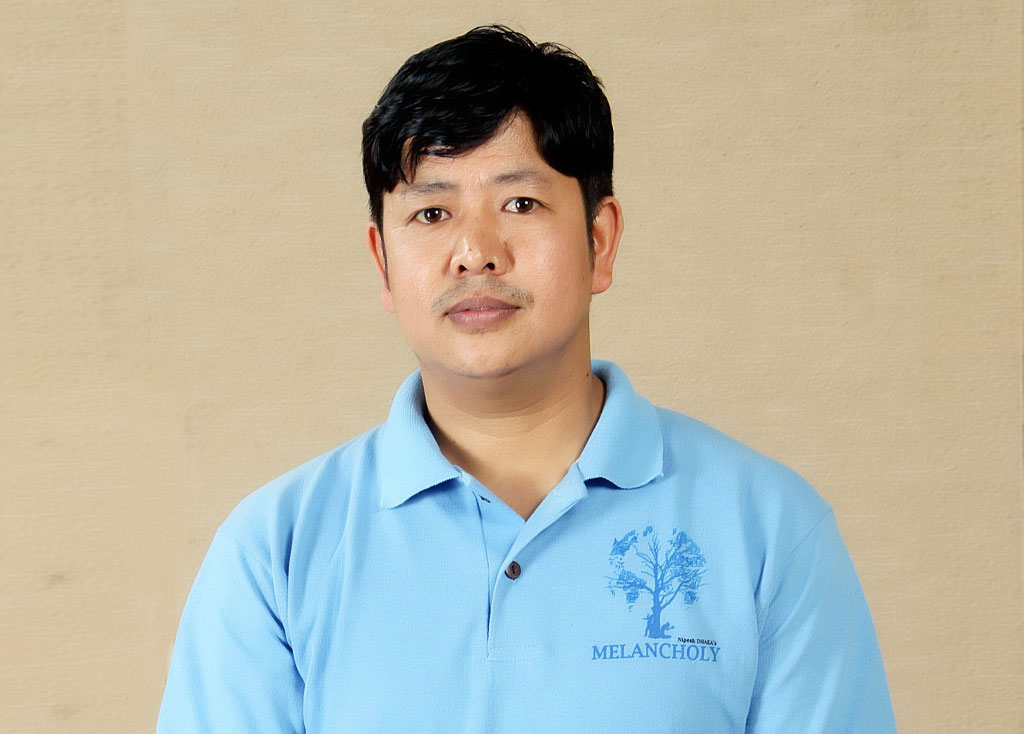
Munna Gurung is a Nepali modern‑song artist whose work appears across Nepal’s digital music platforms, particularly in the soft‑melodic and sentimental genre. His track “Anjanai Ma” under the modern‑song category confirms his recognition as a registered Nepali music artist. Similarly, his digital release “Layeko Maya” showcases his soft, expressive vocal style rooted in contemporary Nepali melody. He is also active in live music, where he continues to captivate audiences with his heartfelt voice and engaging stage presence, contributing steadily to the growth of Nepali music.
Munna Gurung
Singer/ Performer
Manoj Raj Siwakoti is a Nepali modern and sentimental singer whose recordings have made him a familiar voice among adhunik, pop‑modern, and gazal listeners. Active across multiple decades, he is known for his soft, emotional delivery and his ability to blend modern melodies with classic Nepali sentiment.Siwakoti has performed and recorded numerous popular tracks such as “Aashu Bagayera,” “Dilma Basi,” “Najureko Lagan Hamroo,” “Aakha Nalagauna Kasto Kasto Hunchha,” and “Aakha Bhari Timrai Tasbir.” His voice features across albums like Bibash (2014), Chinari (2018), Bhogai Bhinna Bhinna (2018), and several singles released between 2019–2025, including Aakha Nalagauna Kasto Kasto Hunchha and Milanma Hudo Raichha.
Manoj Raj Siwakoti
Music Artists

Prem Pariyar (born in Dhading District, Nepal) is a Nepali playback singer who rose to national fame as a child artist through the blockbuster film franchise Nai Nabhannu La. His emotionally resonant child voice made him one of the most recognizable young singers in Nepali cinema, earning him the nickname “Kid with a great voice.”He began singing at a very young age while living in a hostel, where his talent was first noticed. His breakthrough came when he was selected to sing for Nai Nabhannu La 2 (2014), followed by multiple successful recordings in later sequels.Prem Pariyar’s songs such as “Yi Aankhama Timi Chheu,” “Marne Kasailai,” “Feri Feri Nai Nabhannu La,” “Maina Raja Maina Rani,” and “Kasham Hamile Khayekai Thiyeu (Male Version)” became major hits, widely played across Nepal and the diaspora. All of his singles from the franchise achieved strong public reception.Despite early success, he later faced challenges when his child voice began to change during the recording of Nai Nabhannu La 3, affecting his vocal continuity.In recognition of his contribution as a young playback singer, he received the Online Filmykhabar Award 2071 (Best Singer) for Nai Nabhannu La 2.
Prem Pariyar
Singer/ Performer

Kalpana Shahi is a Nepali actress who made her film debut with Mann Pare Pachi, stepping into the Nepali film industry after working as a model. Acting came naturally to her, but modeling remains something she continues to love and identify with.Before entering films, she was active in the modeling field, and her transition to cinema was driven by personal interest and passion. After completing Mann Pare Pachi, she appeared in a few music videos, but has not remained consistently active in the industry in recent years. Even so, she remains open to returning when the right opportunity arrives.
Kalpana Shahi
Actress

Peshla Katwal is a Nepali film actress who entered the industry with Prem Vivah (2011), while her first released film is Dulahi Rani (2012). Drawn to acting purely out of personal passion, she continued her journey with selected film projects and a handful of music videos. She completed the shooting of Play Girl and later worked on Thank You, after which her on‑screen activity gradually slowed down.Although she has not been consistently active in recent years, Peshla remains a name associated with early‑2010s Nepali cinema, and she may return to the screen in the future depending on the right opportunities.
Peshla Katwal
Actress
Madan Gopal is a Nepali singer and musician recognized for his expressive vocal style and growing presence in the modern Nepali music scene. His songs blend contemporary melody with emotional storytelling, earning him a dedicated audience both in Nepal and abroad.
Madan Gopal
Singer/ Performer
Bimlesh Adhikari (born 10 November 1985 in Biratnagar, Nepal) is a Nepali actor, professional model, and director recognized for his extensive contribution to Nepali music videos and feature films. He began his career as a model, appearing in more than 200 Nepali music videos, including popular hits such as Jali Rumal, Dherai Choti Mare Ma Ta, Kya Dami Vo, Tirkha Lagyo Pani Khaye, Sano Maya, and Fikka Fikka Chha, establishing himself as one of Nepal’s most visible screen personalities. Transitioning to cinema, he made his film debut with Brake Fail (2012) and went on to act in notable films such as Mutu (2015), Jung Bahadur Ko Coat (2016), Tulashi (2017), Ko Hu Ma (2012), and Mero Best Friend (crew: Legal Advisor, 2014). His roles span romantic drama, social storytelling, and suspense thrillers, reflecting a versatile on‑screen identity.
Bimlesh Adhikari
Actor, Music Video Artist

Mukesh Dhakal is a Nepali film actor known for his consistent presence in commercial Nepali cinema throughout the 2010s, appearing in action‑drama and social‑themed films. His career includes roles in Heroz (2018), Parinam (2018), Surya: The Power (2016), Dhoon (2015), Kasaiko Maya Kasaiko Pachheuri (2014), Bardaan (2013), The Plan (2012), and a series of 2011 releases including Hamro Maya Juni Junilai, Parkhi Raakha Hai, Shreeman Shreemati, Dulahi, Nigarani, and Man Manai Man Paraye. His filmography shows a steady run of roles across romantic, family‑drama, and action genres, with Heroz (2018) being his most widely recognized recent credit.
Mukesh Dhakal
Actor
Mukesh Acharya is a Nepali film actor known for his steady presence in early‑2010s Nepali cinema, appearing in a range of romantic, social, and dramatic films. He gained recognition through roles in Nai Nabhannu La (as Kiran), Timi Matra Timi, Ma Birsu Kasari, Rang, Urbashi, Kohi Ta Cha, Mutu, and Santrash, showcasing a calm, character‑driven acting style. Active across both lead and supporting roles, Acharya contributed to several narrative‑focused projects during this period, and also worked as a Legal Advisor in films such as 9 O’Clock and The Plan, reflecting his multi‑disciplinary involvement in the Nepali film industry.
Mukesh Acharya
Actor
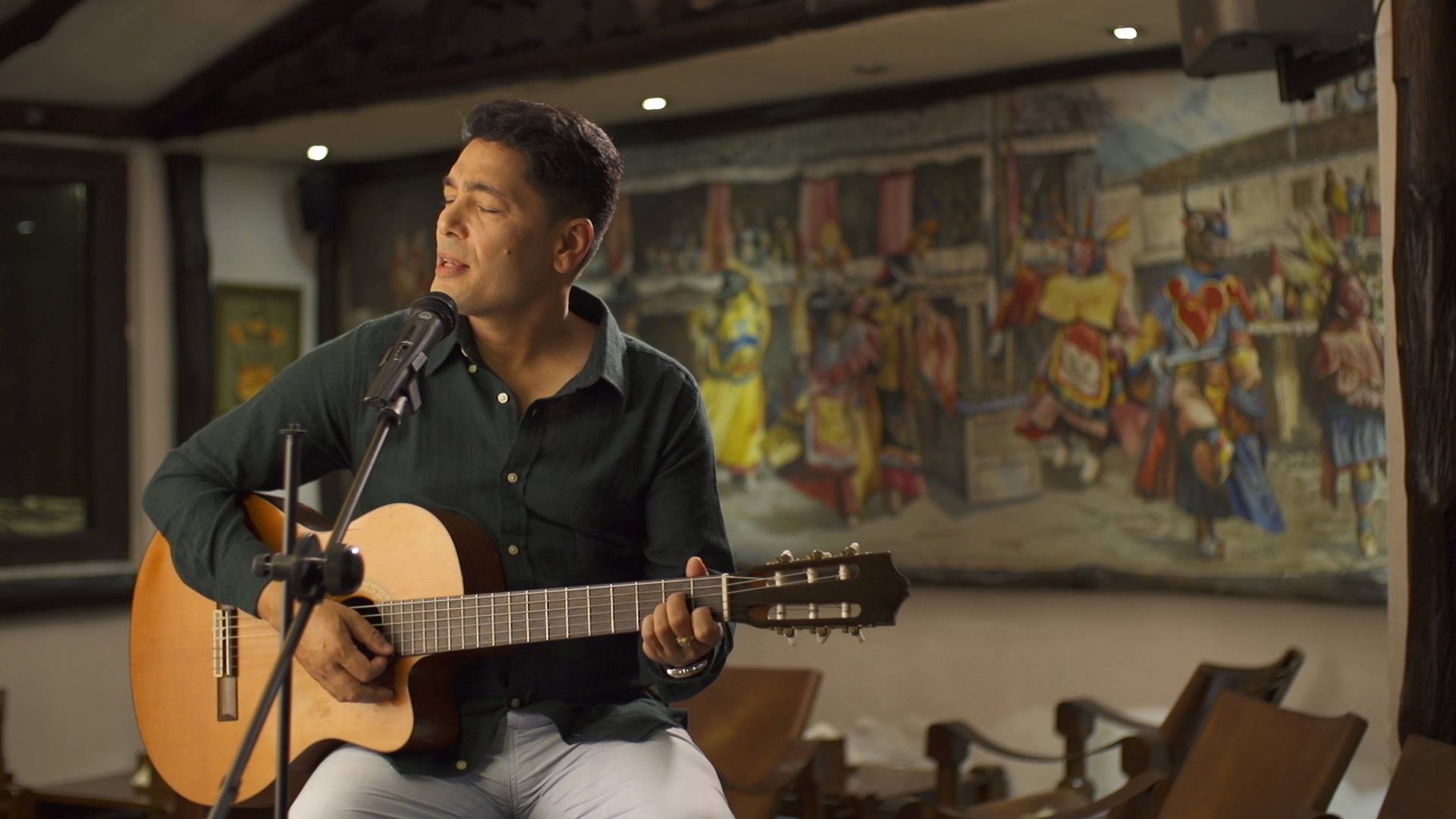
Bishwo Pradhan, known professionally as BL Pradhan, is a Nepali music artist and singer recognized for his contributions to modern Nepali music through studio recordings and digital releases. His work appears in Nepali music archives and streaming platforms, where he is credited for songs such as “Aakhako Maya,” “Natak Aba,” and “Timi Mai Suru Din Mero.” These credits are listed in Nepali music databases including TunesNepal, confirming his active presence as a recording artist.BL Pradhan’s musical style leans toward melodic modern Nepali compositions, often centered on emotional themes and expressive vocal delivery. His songs have been featured on Nepali digital music channels and lyric platforms, helping him reach listeners in Nepal and among the global Nepali diaspora. While detailed biographical data is not publicly available, his verified song credits establish him as a consistent contributor to Nepal’s contemporary music scene.
Bishwo Pradhan
Music Artists, Singer/ Performer

Prakash Tuladhar is a veteran Nepali video editor, ad/film editor, and senior television editor, widely respected for his long‑standing contribution to Nepal’s broadcast and visual media industry. With a career spanning major national television networks—including Image Channel, Kantipur TV, and other leading media houses—he has shaped the visual identity of countless programs, promos, advertisements, and long‑form productions.Known for his precision, narrative sense, and technical mastery, Prakash has edited a wide range of content: TV shows, commercials, documentaries, music videos, and feature‑film projects. His work is recognized for its clean pacing, strong storytelling rhythm, and ability to elevate the emotional impact of any production.Across more than two decades in the industry, he has become one of Nepal’s trusted senior editors, contributing to the growth of modern broadcast standards and mentoring younger editors entering the field.
Prakash Tuladhar
Video-film Editor, Colorist
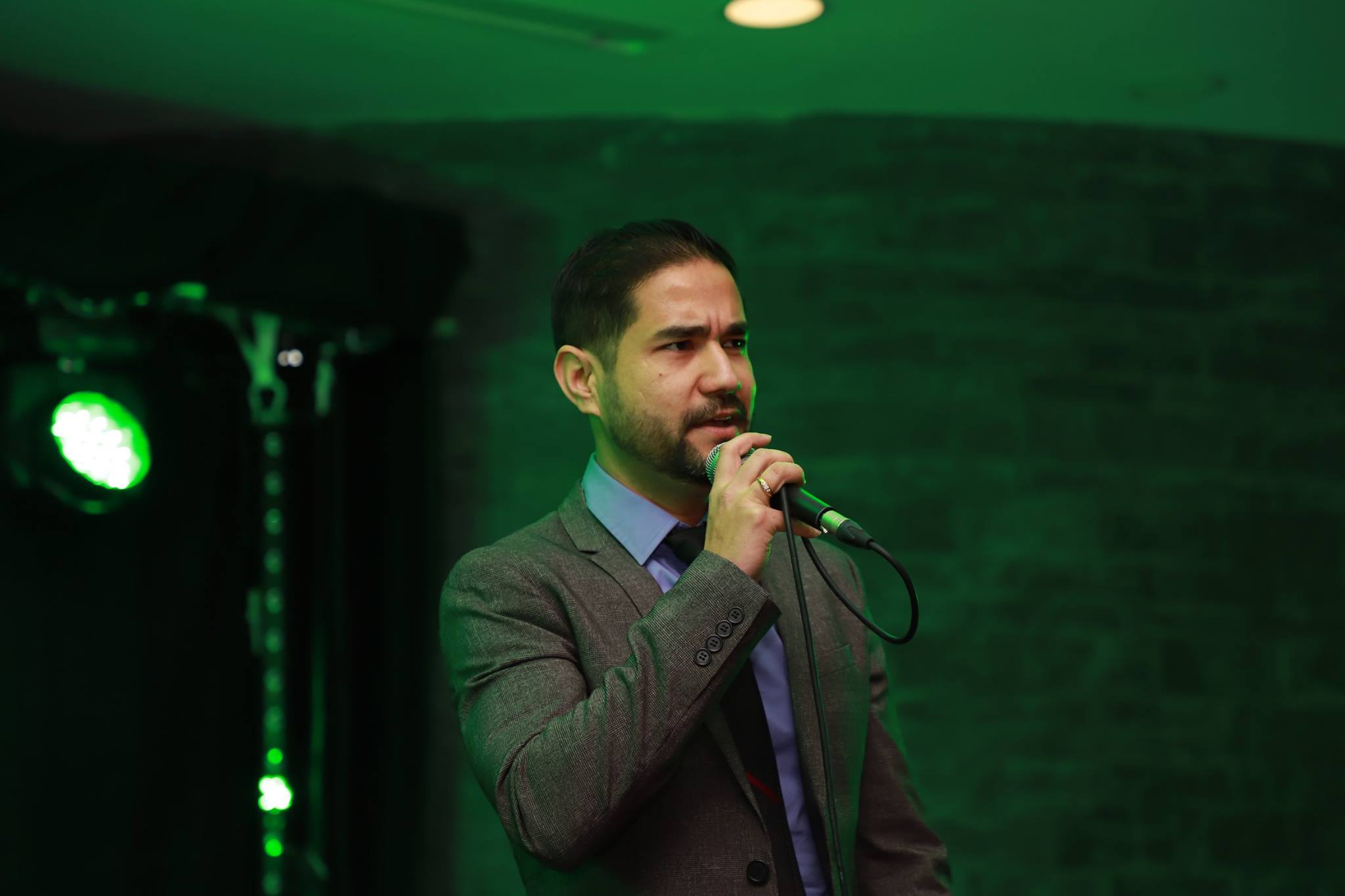
Sudip Giri (born April 25, 1982, Chitwan) is a Nepali pop singer, songwriter, and composer known for his emotional modern‑pop style and widely loved hits such as Timi Aaja Bholi, Tutnu Thiyo Tutyo Mutu, Sannani Ko, Na Bijaune Phool, and Ma Ta Timrai Ho Ni. He began his musical journey in the early 2000s, first performing with the Chitwan‑based band Octave‑C before moving to Kathmandu for formal vocal and harmonium training.His debut album CANVASS (2000) became one of the successful pop albums of its time, followed by FRENZ (2005) and KATHA (2009). Many of his songs from these albums—especially Timi Aaja Bholi, Tutnu Thiyo Tutyo Mutu, Katha, and Sannani Ko—remain among the most streamed Nepali pop tracks on digital platforms.Sudip’s music blends heartfelt lyrics, soft‑rock influences, and melodic phrasing, making him a recognizable voice in Nepal’s 2000s–2010s pop era. His EP Canvass (2019 re‑release) and later singles such as Thikai Vo and Pritiko Mala Gaser continue to keep his catalog active across YouTube Music, Apple Music, and Deezer.He has received multiple honors including the Image Award (Best New Artist, 2004), Kalika Awards (Best Vocal 2004, Best Composer 2006), Dhuk Dhuki Award (2004), and nominations at Hits FM Music Awards. He has toured internationally in the USA, Hong Kong, Qatar, India, and Nepal.
Sudip Giri
Singer/ Performer
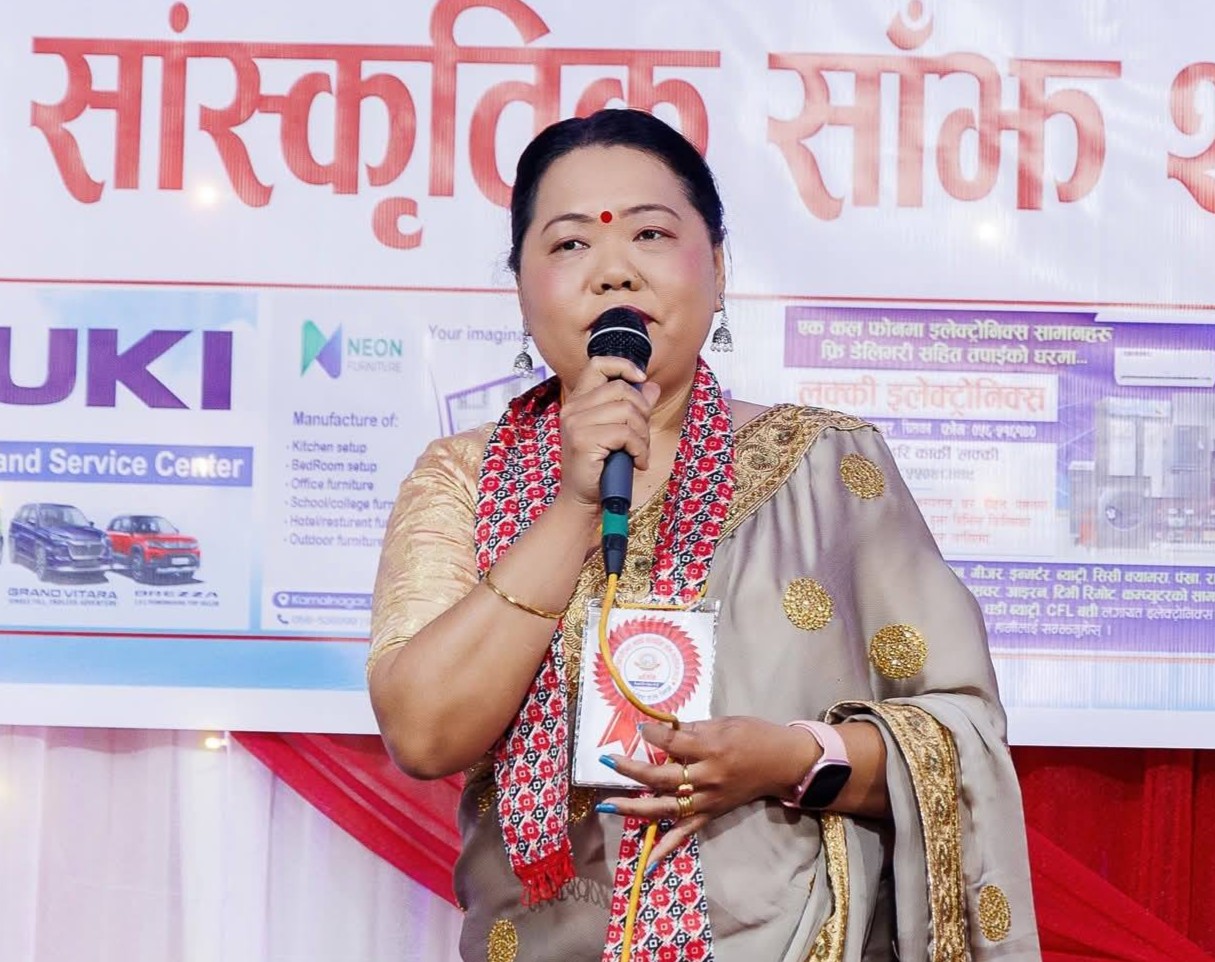
Sharmila Gurung is a senior Nepali folk and dohori singer known for her powerful, earthy vocal style and her mastery of traditional genres such as salaijo, kauda, roila, and lok‑dohori. Born in Syangja, Iladi, she began her musical journey after passing the Radio Nepal vocal test in 2056 BS, recording her first song “Nilo Pachauri”, which became a widely recognized hit of its time.Over the years, Sharmila has recorded over 1,000 folk songs, including enduring favorites such as “Ballai Bho Bheta,” “Kali Ganga Taren,” “Farka Muglani,” “Rani Ghataima,” and numerous salaijo and Gurung cultural songs. She has also released her solo album Gahana, showcasing her versatility across Nepali folk traditions.Sharmila is celebrated for her national and international stage presence, performing across the UK, Japan, Belgium, Singapore, Brunei, Hong Kong, Malaysia, Korea, Bahrain, Qatar, Portugal, and India.
Sharmila Gurung
Folk Singer
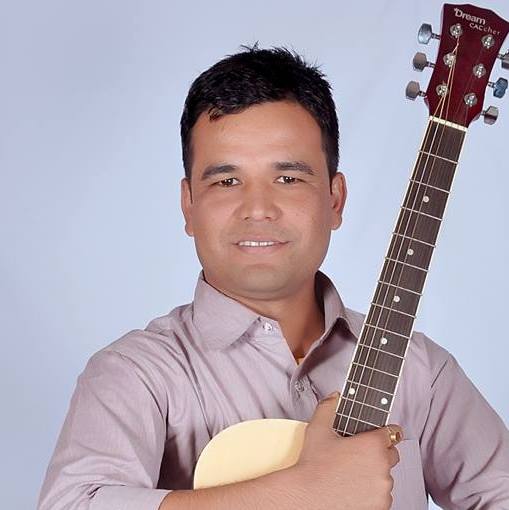
Santosh Shrestha (born February 3, 1981, Ghorahi, Dang) is a celebrated Nepali music director, composer, singer, and songwriter, widely recognized for his extraordinary linguistic versatility and prolific contribution to Nepali music. He is a Guinness World Record holder, honored for composing music in 12 world languages and later breaking his own record by writing music in 50 languages.Shrestha has composed over 700 film tunes and hundreds of folk songs, making him one of Nepal’s most recorded music directors. His works have been recorded in 14 languages, including Nepali, Hindi, Chinese, Japanese, English, Russian, Korean, French, Spanish, Italian, German, and Thai.His popular songs include “Timile Parai Thane Pachhi,” “Aauchhi Bhani Nisthuri Le,” “Timile Bhulna Sake Pani,” and “Timro Dilma Chot Lagda.”Shrestha has released numerous albums such as Chinaari (2062 BS), Sadhana (2066 BS), Sangam (2067 BS), Garima (2067 BS), Jhalak (2067 BS), Miteri (2068 BS), Gunjan (2070 BS), and Surakshya (2078 BS).
Santosh Shrestha
Music Artists, Music Director
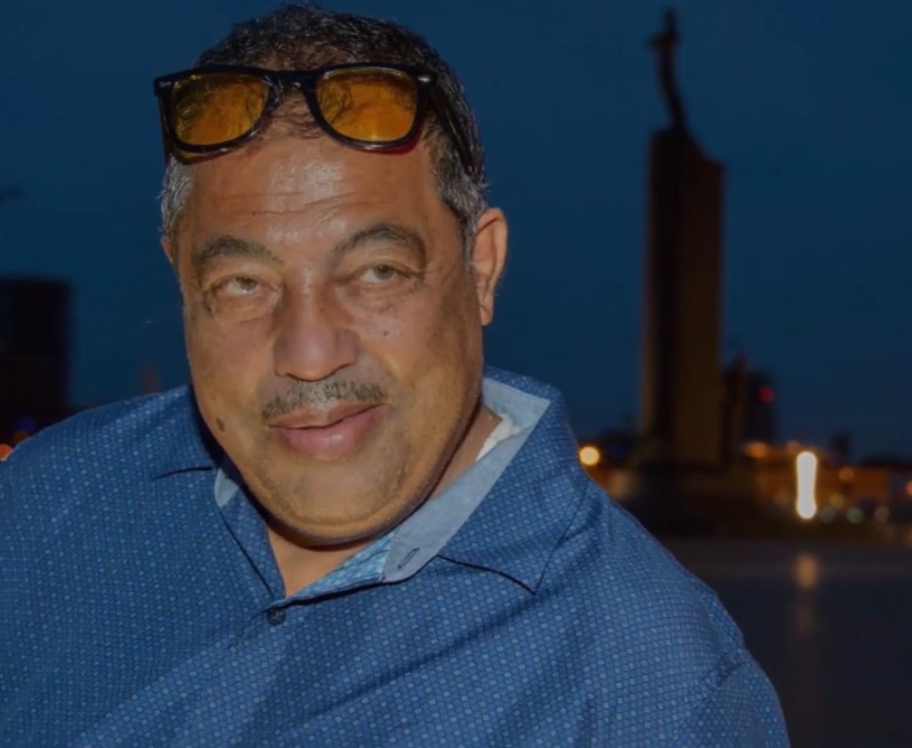
Narendra Thapa is a Nepali film actor best known for his villainous and character roles across more than three dozen feature films, making him one of the recognizable antagonistic faces of the 1990s Nepali cinema era. Active from the late 1980s onward, Thapa appeared in several major commercial and socially themed films, often portraying antagonists, corrupt officials, or powerful enforcers. His screen presence, sharp dialogue delivery, and intense expressions made him a frequent casting choice for negative roles.His filmography includes notable titles such as Yug Dekhi Yug Samma (1991), Kasam (1992), Prem Pinda (1993), Nata (1994), Balidan (1997), Aandolan (1997), Dautari (1998), Chhahaari (1998), Thuldai (1999), Hatya (1999), Namaste Nepal (2015), Destination Kathmandu (2018), and Chhakka Panja 5 (2024).In addition to acting, Thapa has also worked behind the camera as the director and story writer of the film Desh Dekhi Bidesh (2008).Across his career, he became known for portraying villains who were not just violent but layered—reflecting the political, social, and emotional tensions of the era. His roles in films like Balidan, Aandolan, and Prem Pinda placed him within some of the most culturally significant Nepali films of the 1990s.
Narendra Thapa
Character Artists, Film Artists

Bina Basnet (Budhathoki) is a Nepali film actress active since the mid‑1980s, known for her expressive performances across social dramas, romantic films, and character‑driven roles. With a career spanning more than two decades, she has appeared in over 20 feature films, including notable titles such as Basudev (1984), Deuki (1993), Kasam (1992), Aadhi Beri (1992), Saugat (1992), Jhuma (1991), Mohani (1994), Ragat (1997), and Sukumbasi (2000).
Bina Basnet (Budhathoki)
Actress
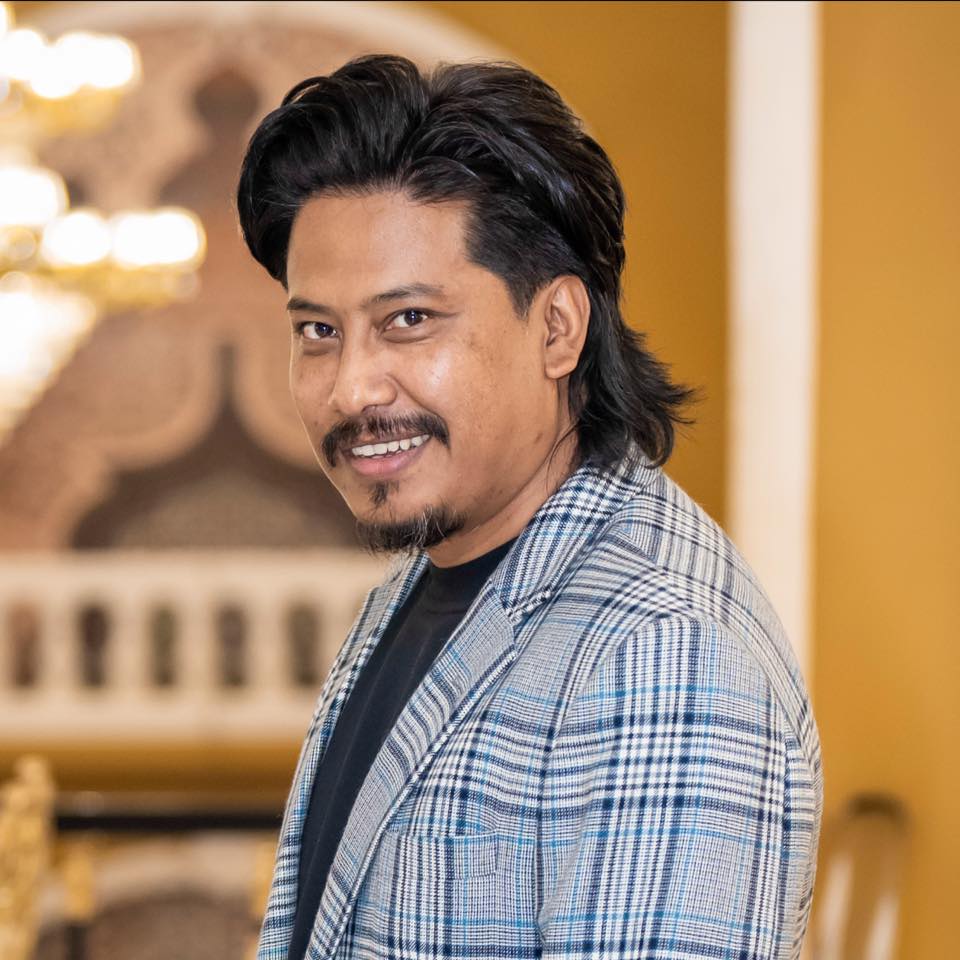
Nischal Basnet is a celebrated Nepali director, actor, writer, and playback singer known for revolutionizing modern Nepali cinema. Born on January 17, 1980, in Birtamod, Jhapa, he studied film at Oscar International College. His directorial debut Loot (2012) became a cult hit, followed by acclaimed films like Talakjung vs Tulke (2014) and Loot 2 (2017). As an actor, he starred in Kabaddi Kabaddi, Dui Rupaiyan, and Prasad. Known for blending realism, dark humor, and social commentary, Basnet is married to actress Swastima Khadka. His work continues to shape the narrative and technical evolution of Nepali cinema.
Nischal Basnet
Film Director, Film Artists

Sahara Sharma is an independent Nepali filmmaker, writer, producer, and media entrepreneur recognized for her socially grounded narratives and youth‑focused storytelling. After completing her Master’s of Science in Communication from Bangalore University, she founded Gauthali Entertainment in Kathmandu, where she began shaping her voice as a director and media creator.Starting her career as a journalist with Nepal Republic Media, Sahara transitioned into filmmaking with several short films before directing her first television film, Chasing Rainbows (2013) — a bold exploration of sexuality, migration, and depression among Nepali youth. The film opened the Kathmandu International Mountain Film Festival (KIMFF 2013), won the Nepal Panorama Award, and later received the Critics’ Award at the Toronto Nepali Film Festival (2014).She has since produced and directed two television series — Gauthali ka Kathaharu (2017–18) and Maya Bhanne Cheez Estai Ho (2018–19) — and hosts Gauthali Talks (2020–), a roundtable show on cinema and media. Her new feature‑length project, Ek Mutthi Badal, marks her return to narrative filmmaking.
Sahara Sharma
Film Director
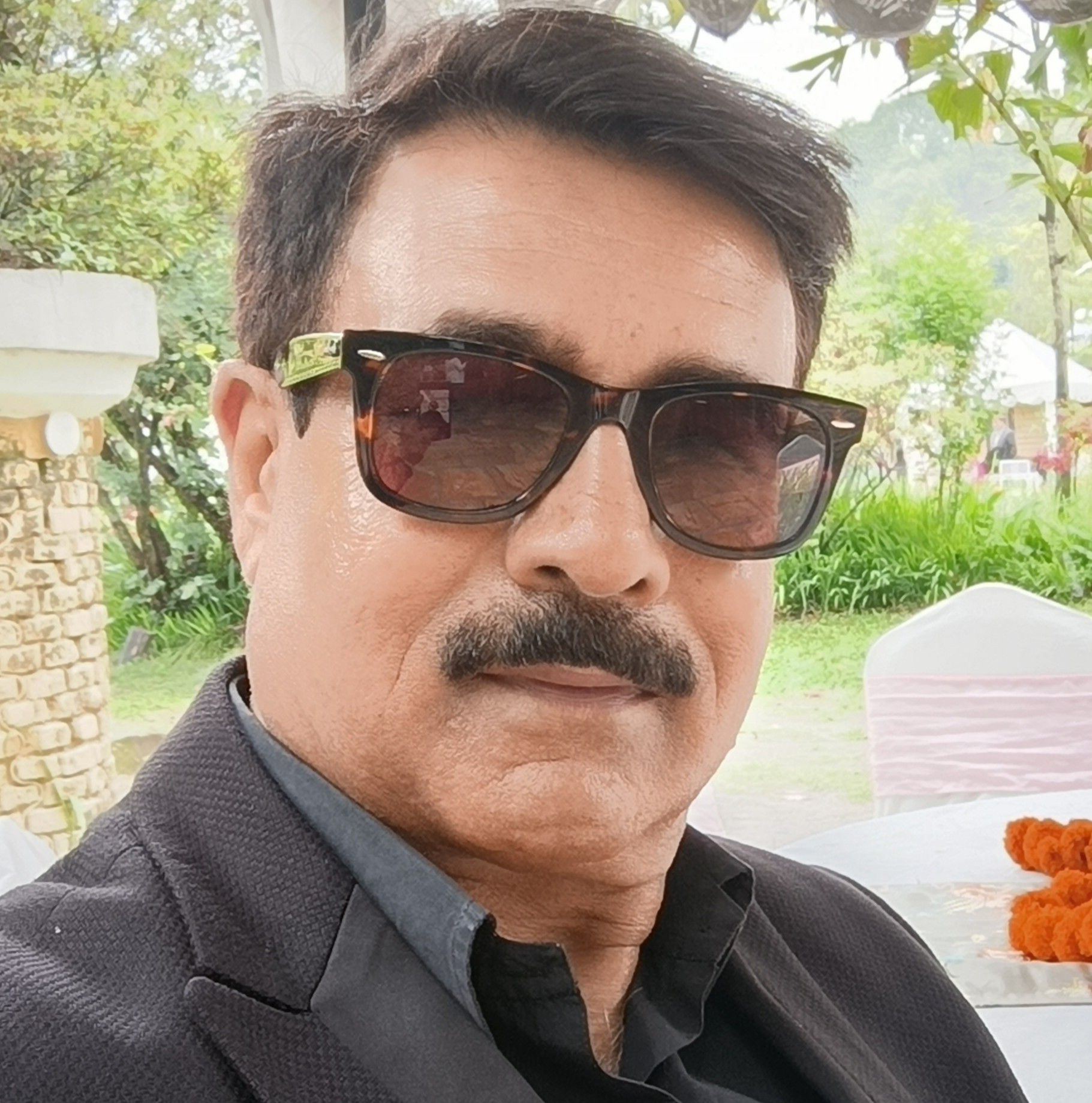
Shekhar Chapagain is a Nepali film artist recognized for his naturalistic acting style and his steady presence across contemporary Nepali cinema. He first gained attention through his supporting roles in critically noted films such as Soongava: Dance of the Orchids (2012), where he appeared as an inspector, and Maun (2013), portraying Barsha’s father.His recent work includes a featured role in Degree Maila M.A 3rd Class (2024), directed by Ram Babu Gurung, further establishing him among the reliable character actors of his generation. Chapagain has also appeared in short films like Late Night (2023) and the social short Pralobhan, expanding his range across digital and independent storytelling.
Shekhar Chapagain
Character Artists, Film Artists

Sumina Shrestha is a Nepali film actress active from 2002 to 2005, known for roles in Chakravyu, Indreni, Meri Aama, Pyari Bahini, and Kheladi. Her work reflects the family‑drama and social‑story tradition of early‑2000s Nepali cinema.
Sumina Shrestha
Actress
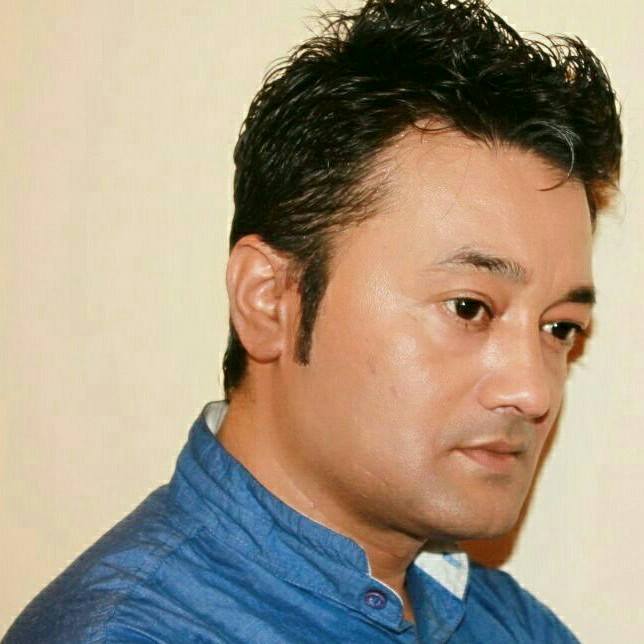
Uttam Pradhan is an Indian‑Nepali actor from Singtam, Sikkim, best known for his leading roles in Nepali cinema’s landmark films Darpan Chhaya, Pyari Bahini, Pareni Maya Jalaima, Basain, and Letter. A former model and television actor, he entered films after winning major modeling titles in the mid‑1990s and quickly became one of the most recognizable romantic and dramatic actors of the 2000s.Active since 2000, Pradhan has appeared in more than two dozen Nepali films and has been honored with multiple acting awards, including recognition from Nepal’s royal family and the Sikkim Kala Samman, the highest civilian honor of Sikkim. He also served as the Founder Chairman of the Sikkim Film Development Board, contributing significantly to cross‑border cultural exchange and the growth of Nepali‑language cinema.
Uttam Pradhan
Actor
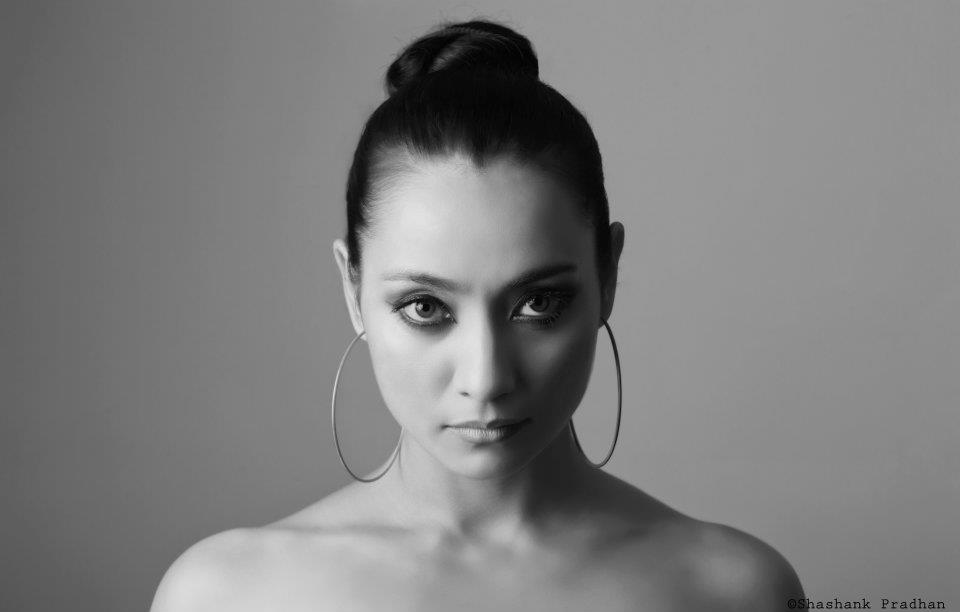
Born Jharana Bajracharya Rashid in Kathmandu, she grew up in a multicultural household with a Hindu mother, Lalana Bajracharya, and a Muslim father, Rashid. She completed her schooling at Siddhartha Vanasthali Institute and later earned a degree in Sociology, while also developing herself as a painter and potter.At 16, she was crowned Miss Nepal 1997, becoming Nepal’s representative at Miss World 1997 in Seychelles, marking a major milestone in Nepali pageantry.Her acting debut came with Hatiyar (1999) opposite Rajesh Hamal and Karishma Manandhar. She gained further recognition with Pareni Maya Jalaima (2004), which won Best Story at the Nepali Film Awards. Her career expanded into Bollywood, where she appeared in the Hindi film Love in Nepal (2004) and several commercial advertisements.Returning to Nepal, she continued acting in films and became a prominent face in music videos, including “Laija Re,” “Priye Timi,” “Dubna Deu,” and “Panchhi.” Her final Nepali film was Kohi Mero (2010). She also performed at the Fem Botanica KTV Film Awards in 2008.In 2003, she became the brand ambassador for Lux Nepal, further solidifying her status as a leading public figure.Jharana married Rahul Agrawal in 2015 and later settled in Kuala Lumpur, Malaysia, where they welcomed their son, Ishaan, in 2016.
Jharana Bajracharya
Actress

Jharana Thapa (born 28 March, Pyuthan) is a leading Nepali actress, producer, and director whose career has shaped mainstream Nepali cinema for more than two decades. Beginning her journey with the film Daijo in 1996, she quickly rose to prominence through her expressive screen presence and her acclaimed performance in Dharam Sankat, which established her as one of the defining actresses of the late 1990s and 2000s. Over the years she became a central figure in commercial Nepali films, appearing in more than seventy titles and becoming known for emotionally grounded roles in films such as Muglan, Jeevan Sathi, Purnima, Takdir, and the original A Mero Hajur. Her long career in front of the camera naturally evolved into filmmaking, and she transitioned into direction with A Mero Hajur 2 in 2017, later continuing the franchise with its third and fourth installments while introducing her daughter, Suhana Thapa, as a new-generation lead. She further expanded her directorial identity with Ek Bhagavad Ra Ek Geeta (2023), blending social themes with emotional storytelling. Married to producer Sunil Kumar Thapa since 1998, she has also been active behind the scenes as a producer, contributing to several successful films. Today, Jharana Thapa stands as one of the few Nepali women to achieve long-term stardom as an actress and then successfully transition into a commercially influential director, maintaining her position as a respected and enduring figure in Nepali cinema.
Jharana Thapa
Actress, Film Director
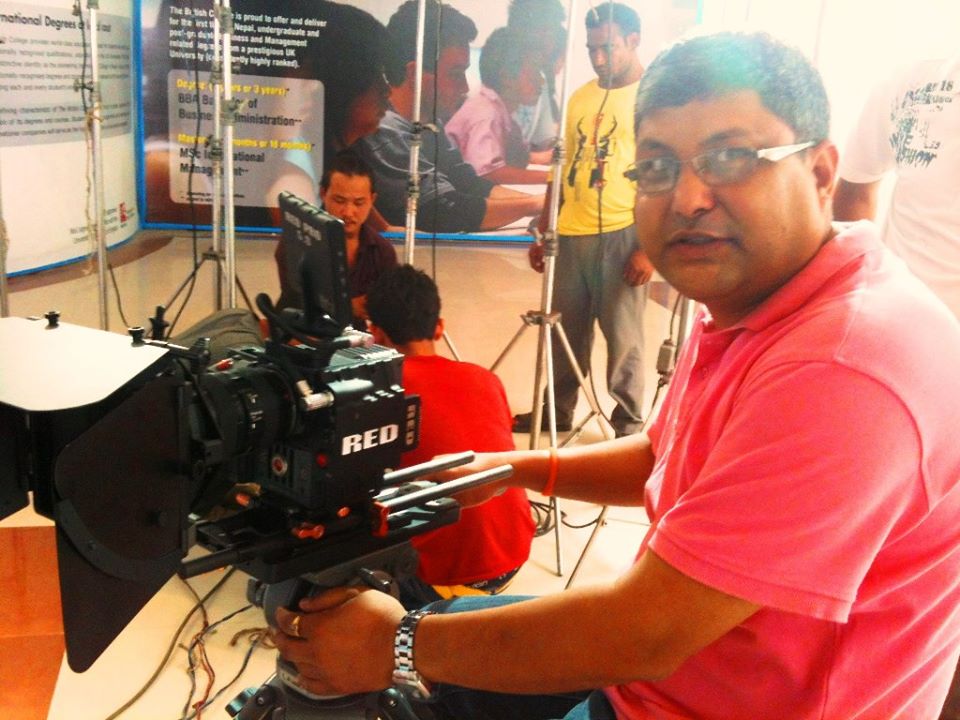
Bidur Pandey is a self-taught director of photography who has made critically acclaimed movies and more than 1,500 music videos. The prolific artist has done it all—commercials, documentaries and feature films; but his litmus test came in the form of Kagbeni, the first film in South Asia to be shot in digital camera. The movie went on to set benchmarks in the Nepali film industry.
Bidur Pandey
Cinematographer

Nhyoo Bajracharya
Music Director
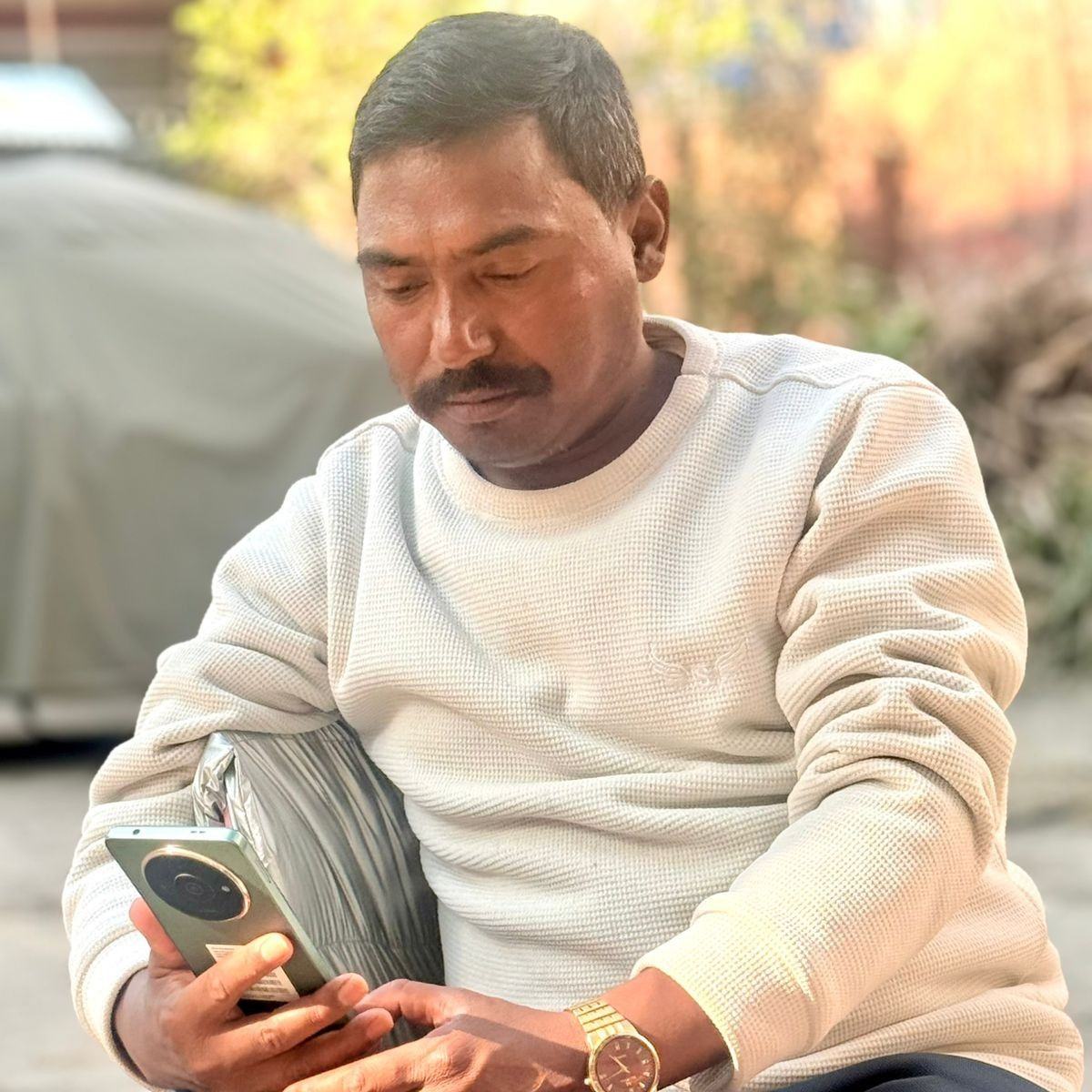
Raj Bahadur Sane, born on April 14 in Jumla, Nepal, is a Nepali writer and director known for his contribution to socially grounded and character‑driven cinema. Beginning his career in 2012, he has worked on films such as Pathshala, The Return Hero, Lati, Vrindavan, Birangana, Doli, Good Friend, Silly Pho, Bulaki, Juna, and Sitamol. Sane earned national recognition after winning the National Film Award for Best Screenplay for Bulaki, establishing himself as a distinct creative voice in contemporary Nepali filmmaking.
Raj Bahadur Sane
Film Director
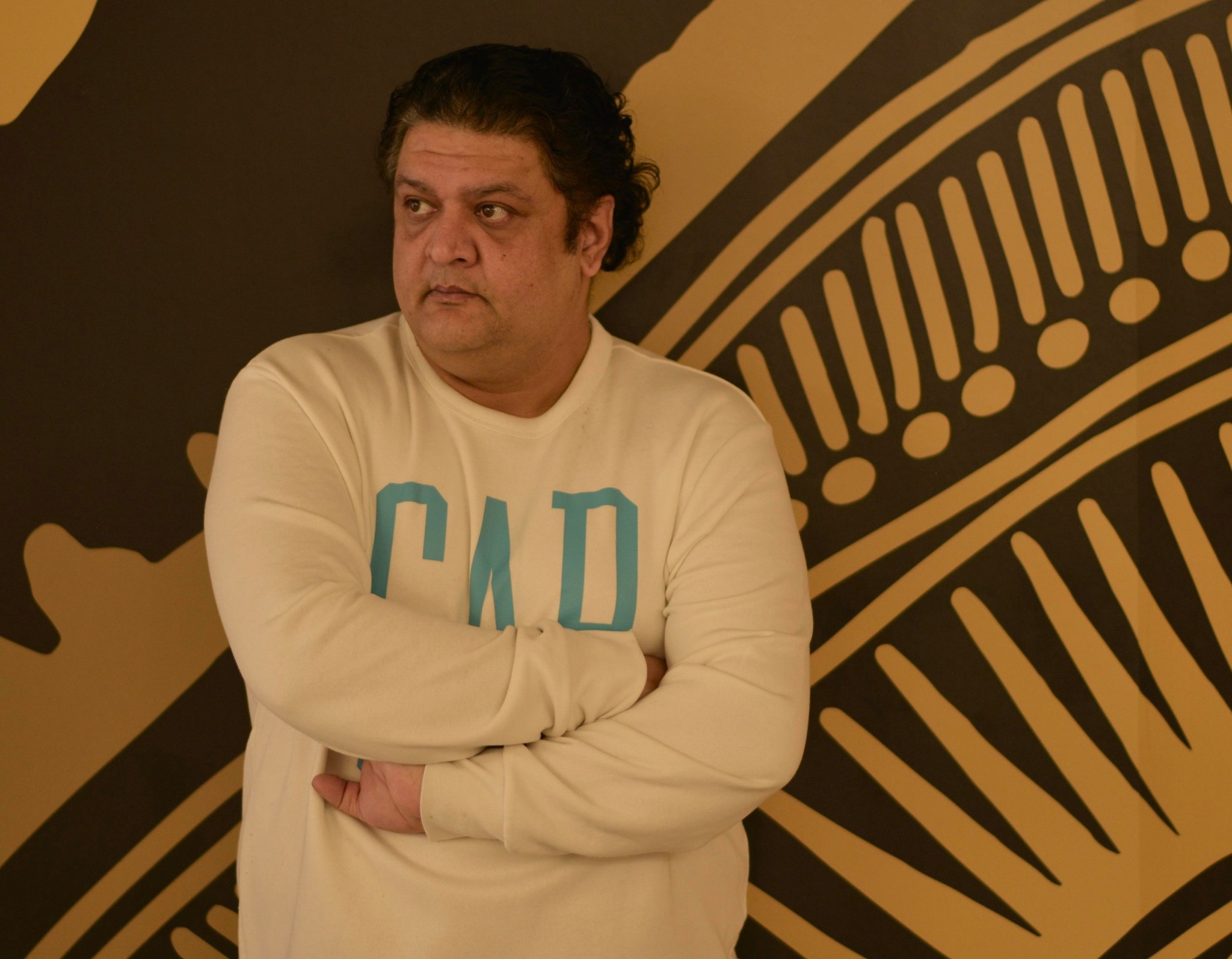
Prasanna Poudyal is a Nepali film director and music video director best known for directing the feature film Swor – The Melody of Dreams (2011), a project recognized for introducing several new faces to Nepali cinema and for its fresh, experimental approach within the mainstream film landscape.Before entering feature films, he built his reputation as a well‑known music video director, contributing to Nepal’s modern music scene with visually expressive storytelling.His directorial debut Swor remains his most recognized work, praised for its casting choices and its attempt to break away from formulaic filmmaking. He later directed Mero Best Friend and has worked on upcoming projects including Kamaleko Bihe.
Prasanna Poudyal
Film Director
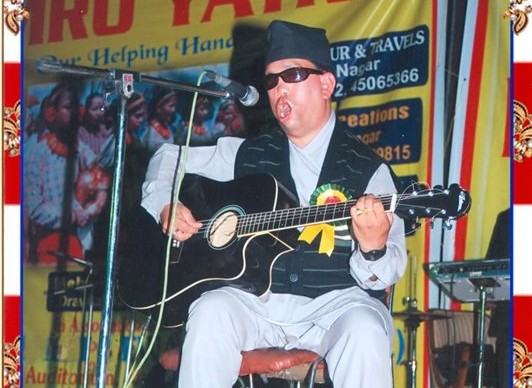
Paras Gazmer was a respected Nepali musician, composer, lyricist, and singer from Darjeeling, celebrated for his emotionally powerful songwriting and his unique ability to translate personal struggle into deeply moving music. Despite losing his eyesight at the age of one and a half due to measles, he rose to become one of the most influential musical voices of the Darjeeling hills.Born in Tindharey, Kurseong in 1962, Paras studied at the Kalimpong Blind School, where he learned guitar and developed his musical foundation. Entirely self‑taught, he composed, wrote, and arranged his own songs, drawing inspiration from lived experience, inner emotion, and the philosophy that “our sweetest songs are those that tell of saddest thought.”He gained widespread recognition with his acclaimed albums Sanjha Ko Gham (1993) and Mero Bhagya (1999), both of which left a lasting mark on Nepali music. His compositions often explored themes of longing, hardship, and the inner world of the differently‑abled, resonating deeply with audiences across Nepal, Darjeeling, Sikkim, and the Nepali diaspora.Paras Gazmer performed extensively across the hills and neighboring regions and was honored by various cultural organizations for his contributions. His legacy continues to be remembered as that of a musical icon who transformed adversity into art.
Paras Gazmer
Music Artists, Music Director, Singer/ Performer
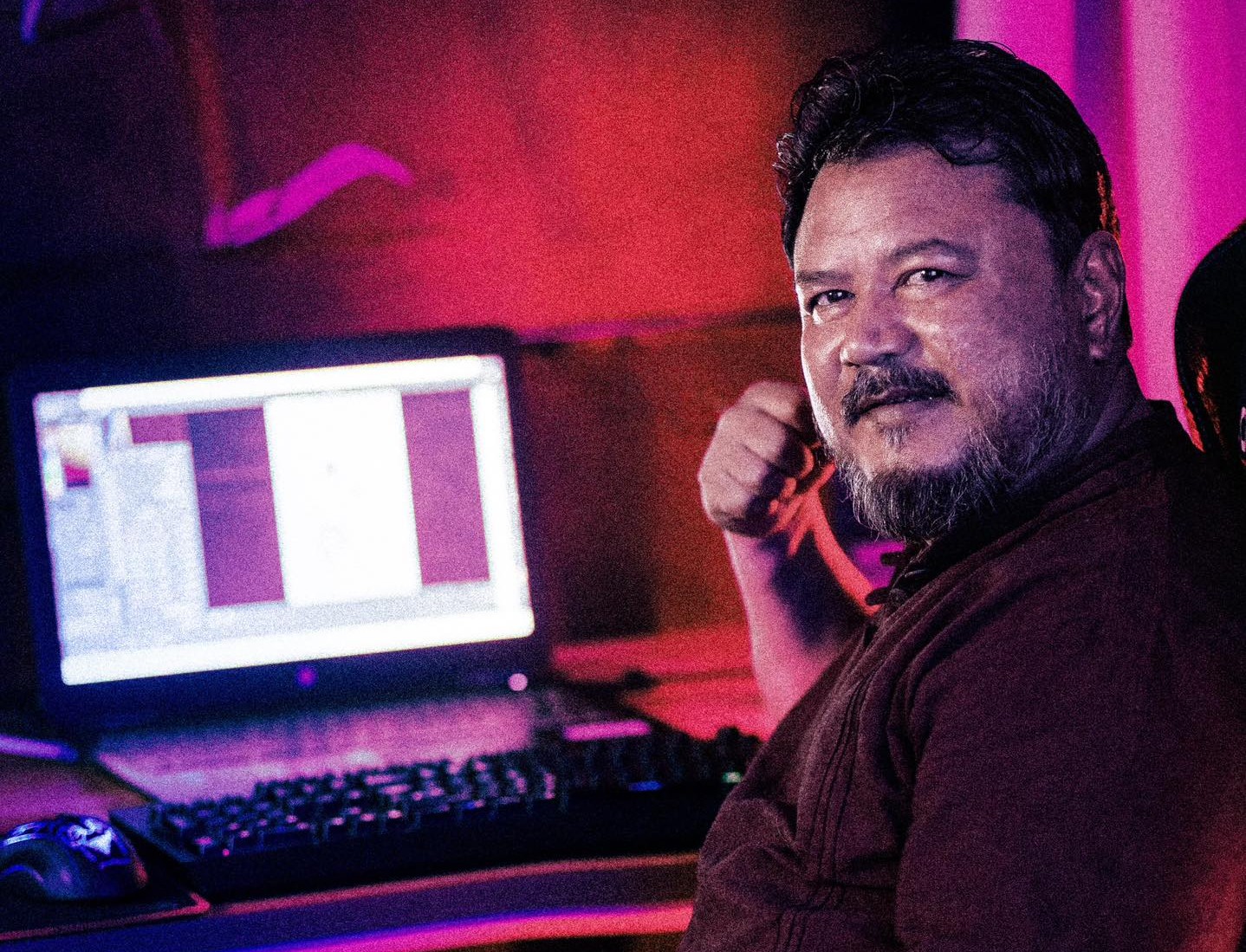
Surath Pradhan is a Nepali music producer, arranger, programmer, and recording/mixing engineer known for his extensive work across modern Nepali music. His credits span folk, adhunik, romantic, and contemporary fusion songs, collaborating with leading singers, composers, and studios.He is a core music arranger and engineer at Sur Sangam Recording Studio, where he has contributed to numerous high‑profile projects. His work includes music arrangements, programming, recording, and mixing for songs by artists such as Udaya Sotang, Arpana Acharya, Mukunda Paudel, Dhan Kiran Gurung, Shanti Thatal, Ramita Bhandari, and others.Surath has arranged and engineered music for multiple official releases, including romantic, folk, and Newari songs, and has been credited in studio sessions featuring instruments like violin, flute, guitar, and modern digital production. His arrangements appear in projects such as “Mayale Ruwauchha,” “Yeti Dherai Maya,” and various duet collections by Dhan Kiran Gurung.He is also credited as a composer on major Nepali music platforms, with works featured on Gaana’s catalog of Nepali songs.Through consistent studio output, refined arrangement skills, and collaborations with respected musicians, Surath Pradhan has established himself as a reliable and versatile music producer in Nepal’s contemporary music industry.
Surath Pradhan
Music Arranger, Musicians & Instrumentalists
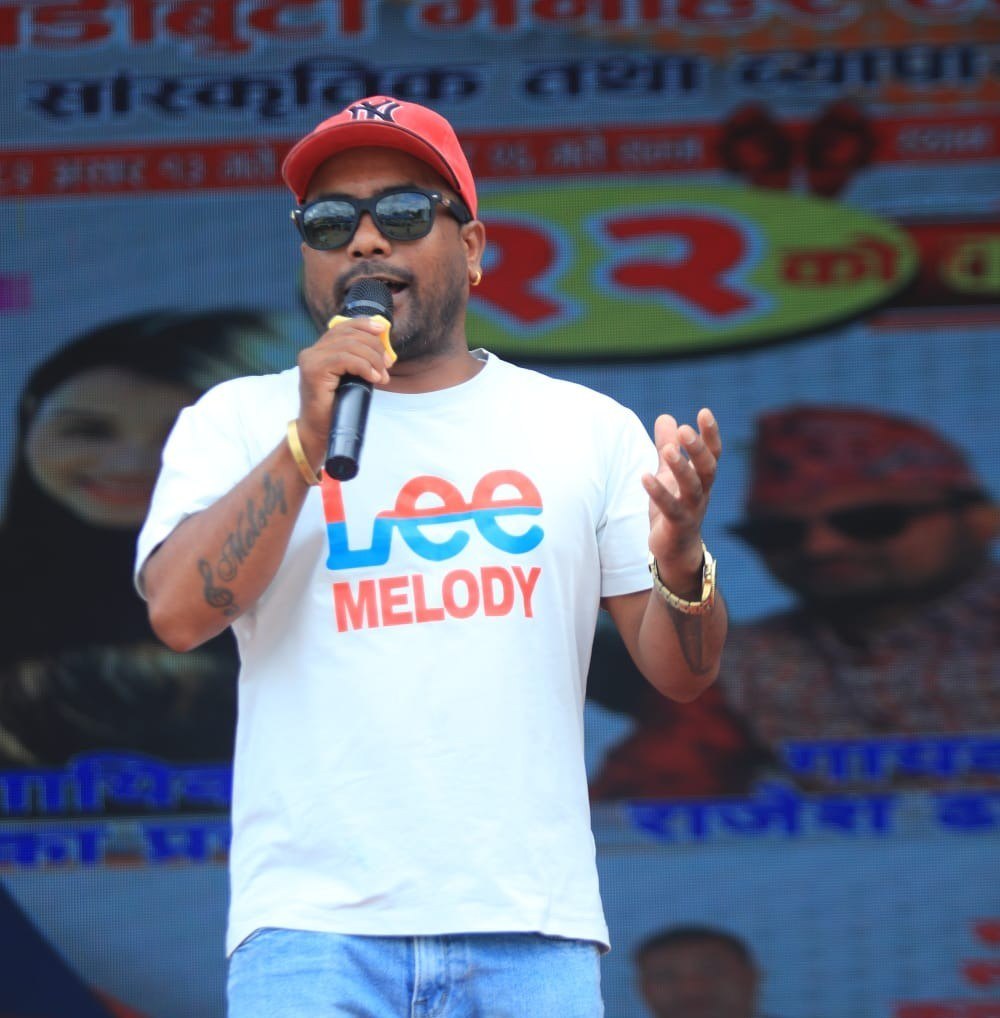
Ramesh Shrestha, popularly known as Melody, is a Nepali singer and composer recognized for his versatile musical style and melodious vocal presence. Born in 2043 BS, he entered the Nepali music industry in 2012 with his debut album ‘Aankha’, featuring six songs that showcased his abilities as a singer, composer, and lyricist. The album includes notable tracks such as ‘Maile Maya Gare Timilai,’ ‘Ropi Diyau Yo Dilma,’ and ‘Aankha Aankha Judyo Kyare,’ with lyrics by Prem Bharati, Basanta Rai, Shankar Adhikari, and Hari Krishna Gauli. Originally from Dolakha, Shrestha holds a diploma in Eastern classical music, yet his compositions span semi‑classical, lok‑pop, and adhunik styles. Beyond his own albums, he has composed for other artists, including the contemporary hit ‘Haat Ma Puja Ko Thali’ sung by Shiva Pariyar. Inspired by legendary musician Narayan Gopal, Shrestha continues to expand his musical journey. His second album ‘Aankhi Jhyal’ is underway, with the music video for ‘Aankhijhyalai Maa’ already released.
Ramesh Shrestha
Singer/ Performer

Deepak Swopnil Shrestha is a versatile Nepali singer, composer, and music educator with over 2 decade of contribution to the Nepali music industry. With more than 100 recorded songs, he has released two pop‑adhunik albums, ‘Result’ and ‘Obtain’, and has composed a Newari album, a bhajan album, and two children’s music albums. Born in Dolakha Bazaar, he grew up inspired by his father’s singing and began performing in local competitions from a young age. He started his professional journey in 2054 BS, later moving to Kathmandu to study Eastern Classical Music at Lalit Kala Campus, earning a BMus degree. In 2060 BS, he represented Nepal at Zee TV’s ‘Saregama World Series’ in Dubai, gaining exposure to musical legends such as Ghulam Ali and Jagjit Singh. A dedicated teacher, he now teaches music in multiple schools.
Deepak Swopnil Shrestha
Singer/ Performer
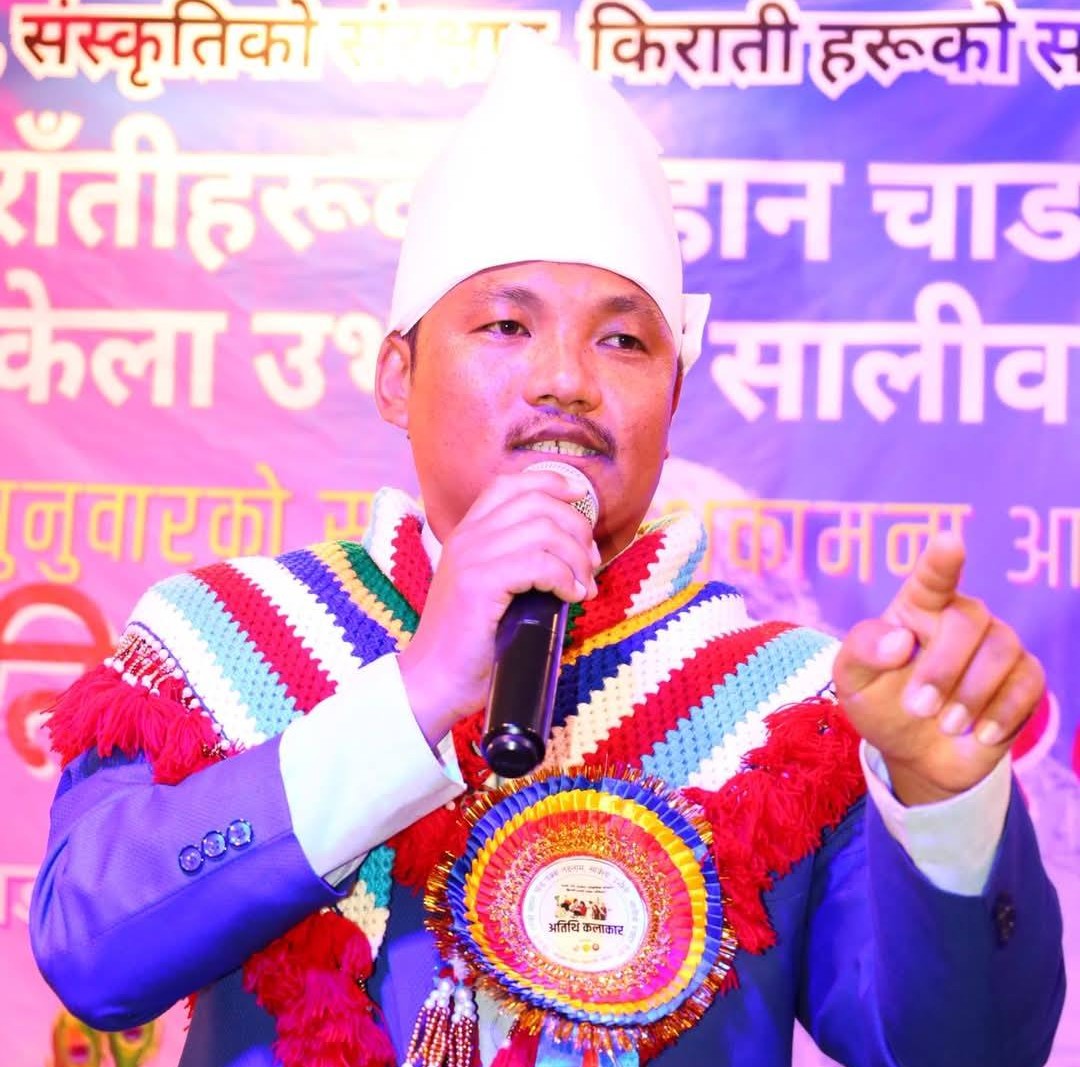
Mahesh Mukhiya Sunuwar (born May 24, 1992) is a Nepali singer known for his lok‑pop and modern melodic style. He entered the Nepali music industry in 2065 BS (2008/2009 AD) with the songs ‘Kehi Din Ma Tadha’ and ‘Tyo Pari Gaunma’, both later included in his debut album ‘Aash’ (2067 BS ≈ 2010/2011 AD) — a four‑song collection rooted in lok‑pop flavors.In 2070 BS (2013/2014 AD), Sunuwar released his second album ‘Promise’, featuring six songs blending lok‑pop and sugam sangeet. Tracks such as ‘Sanile Chhodchha Baru’, ‘Oh Gori Oh Gori’, ‘Pathibhara Devi Kasam’, and especially ‘Mathi Mathi Lekma’ helped expand his popularity. He also collaborated with renowned singer Milan Amatya on Pathibhara Devi Kasam.Initially treating music as a hobby, Sunuwar now pursues it seriously. Having begun by singing in his mother tongue, he is currently active with concerts and preparing his third album, where he will write and compose his own songs.
Mahesh Mukhiya Sunuwar
Singer/ Performer

Jhuma Niraula is a Nepali singer whose musical journey began in Nepali Tara Season 1 (2005), where she first stepped into the national spotlight as part of Nepal’s earliest reality‑show generation of emerging vocalists. Known for her expressive, folk‑infused modern singing style, she has since built a steady presence in Nepali music through emotional, festival, and contemporary folk songs.Her popular works include Aama Timi Mero Bhagawan, Dancema Ma Ek Number, Tihar Aayo Jhilimili, A Dada (Mushahar Jaati), and heartfelt modern tracks like Mero Sirr Ko Sindur, Timinai Po Hau Ki, and Bachna Deu, which continue to circulate widely across Nepali music platforms.
Jhuma Niraula
Singer/ Performer
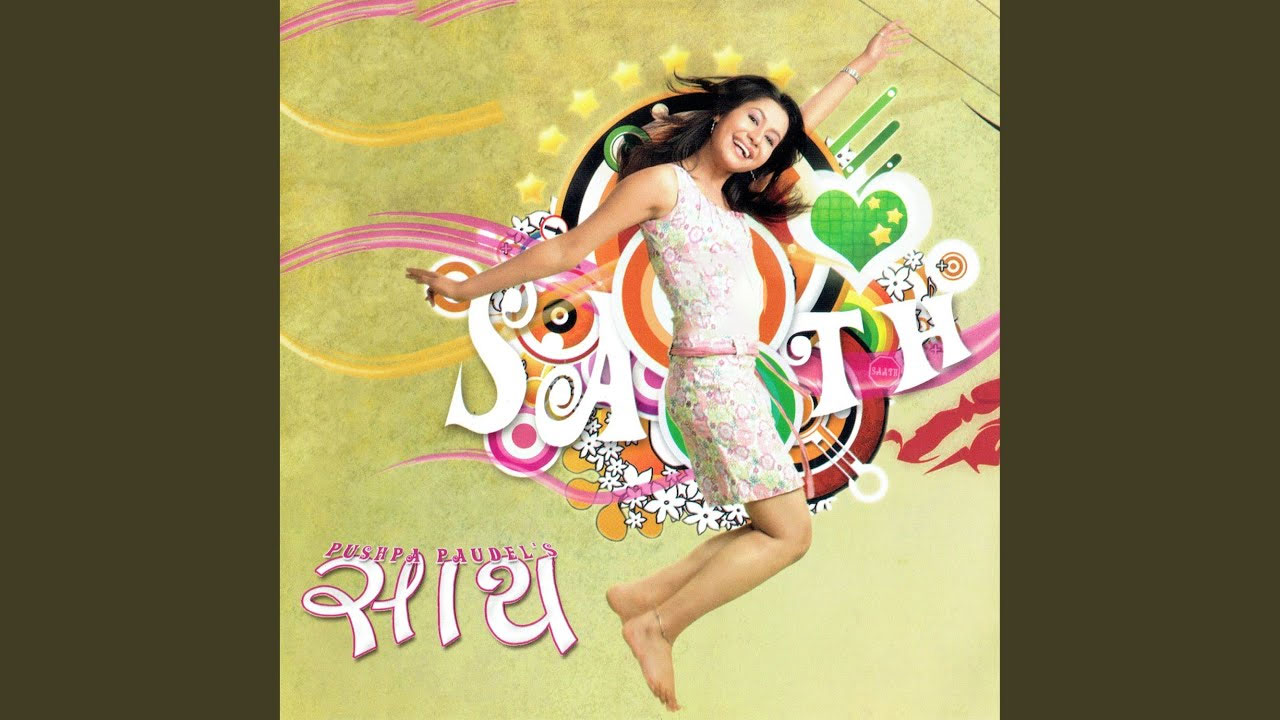
Pushpa Poudel is a Nepali singer whose musical journey began as a Top 10 Finalist in Nepali Tara Season 1 (2005), one of Nepal’s earliest and most influential singing reality shows. Her participation in the inaugural season introduced her as a promising modern vocalist with a soft, expressive tone.She continued her artistic growth with the release of her 2010 studio album Saath under Reyaz Music, showcasing her melodic sensibility and emotional delivery. Over the years, she has contributed to Nepali modern and sentimental music through recordings, stage performances, and cultural events.Her popular song “Sani Sani Naani” remains one of her most recognized works, reflecting her ability to blend sweetness, clarity, and modern Nepali musical aesthetics.
Pushpa Poudel
Singer/ Performer
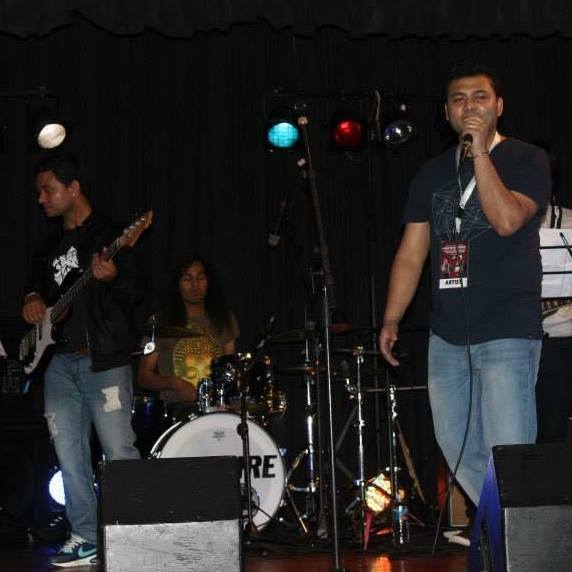
Shrijan Lwagun is a Nepali singer whose musical journey began as a participant in Nepali Tara Season 1 (2005), where he emerged as one of the promising young voices of the early reality‑show era. From 2005 to 2015, he remained actively involved in Nepal’s modern and soft‑pop music scene, contributing through studio recordings, stage performances, and digital releases.Known for his youthful tone, clean phrasing, and sentimental modern style, he gradually built a loyal listener base during his active decade in Nepali music.After 2015, Shrijan moved to Sydney, NSW, where he has temporarily paused his musical career to focus on family responsibilities and work. Despite the break, his passion for music remains intact, and there is strong hope among listeners and well‑wishers that he will return to Nepali music with renewed energy and present his melodious songs once again.
Shrijan Lwagun
Singer/ Performer

Visan Yonjan is a Nepali rock and pop‑rock singer, songwriter, and composer known for his powerful vocals and modern melodic style. Beginning his musical journey in the mid‑2000s, he rose to prominence as the frontman of Stoned Amp and later Visan N’ The Groovers, contributing significantly to Nepal’s evolving rock scene. His works blend emotional storytelling with glam‑rock and soft‑rock influences, making him a distinctive voice in contemporary Nepali music.Over the years, he has released notable songs such as Kaaran, Chaahanna Ma, Jiwan Ko Paanama, Adrishya, Dui Thopa Seet, and Bhulnu Cha, along with collaborations across Nepal’s mainstream music industry. Beyond performing, he has also worked as a music director, songwriter, and creative contributor for various artists and projects.Today, Visan continues to remain active through recordings, digital releases, and creative production, maintaining his reputation as one of Nepal’s consistent and influential modern rock vocalists.
Visan Yonjan
Playback Singer
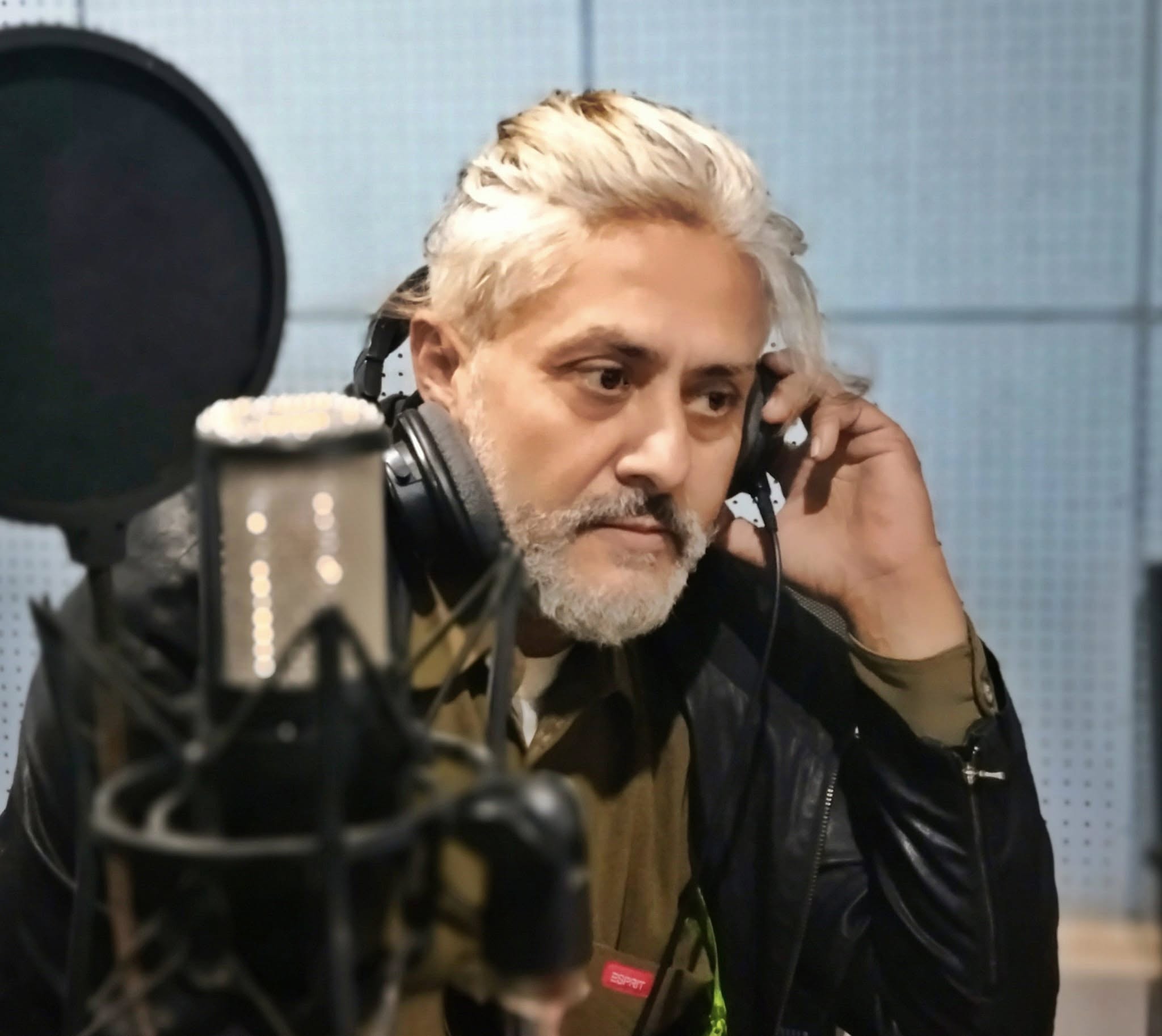
Pranil L. Timalsena is a Nepali singer, rapper, and songwriter best known as one half of the pioneering hip‑hop duo Girish–Pranil (GP), whose work in the 1990s laid the foundation of NepHop, Nepal’s earliest hip‑hop movement. He began his musical journey with Girish Khatiwada, releasing Ma Yesto Chhu with rapper DA69, a track widely recognized as the first major breakthrough of rap music in Nepal .As part of Girish–Pranil, he contributed to several influential early rap songs including Timi Jaha Pani Jaanchhau, Malai Bhot Deu, Hami Dherai Sana Chhu, Meaningless Rap, Diyeko Maya Samhali, Dream, Gaarho Bho, Zoom Zoom Boom Boom, Seto Ghoda, and Yesari . His collaborative hit Aankha Bhari with DA69 further strengthened his presence in the emerging hip‑hop scene .Pranil later expanded into melodic and modern Nepali music, working with major artists including Nabin K. Bhattarai, most notably featuring in the popular composition Yehi Ho Ta Maya from the album May 18 . His solo works include emotional and modern tracks such as Ajiyo Mutu Bhanchhu, Aashu Yo Jharcha, Eklo Yatra, Sabai Naacha, and Chan Maya Yo Timilai .Recognized as one of the earliest voices to bring rap, rhythm, and modern lyrical expression into Nepali mainstream music, Pranil remains an influential figure whose contributions helped shape the identity of Nepali hip‑hop and early fusion‑rap culture.
Pranil L. Timalsena
hip‑hop artist, Singer/ Performer
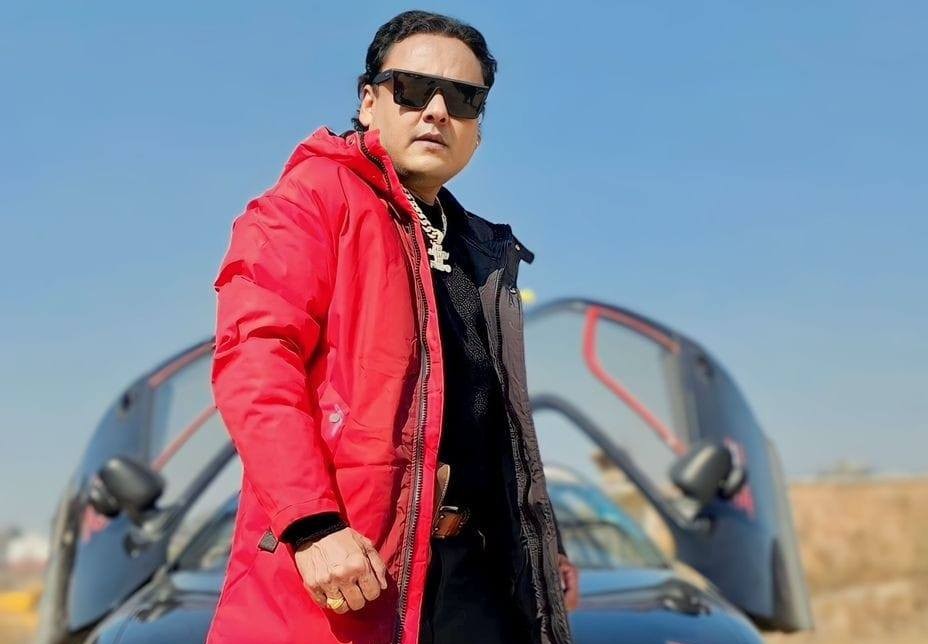
Jaya Kisan Basnet is a Nepali film actor, director, and action choreographer, known for his long‑standing contribution to commercial Nepali cinema. Beginning his career in the late 1998s, he first entered the industry through action direction, later transitioning into acting and establishing himself as a strong screen presence in action‑drama and social‑themed films.Basnet is part of the influential Basnet filmmaking family, and over the years he has built a reputation for portraying intense, authoritative, and emotionally grounded characters. His performances often highlight themes of justice, social struggle, and rural Nepali life—making him a recognizable figure in mainstream Nepali films.As an action director, he has contributed to numerous feature films, helping shape the visual style of Nepali action cinema during the 2000s and 2010s. His shift into acting expanded his creative identity, and he continues to work across both acting and direction.
Jaya Kisan Basnet
Actor
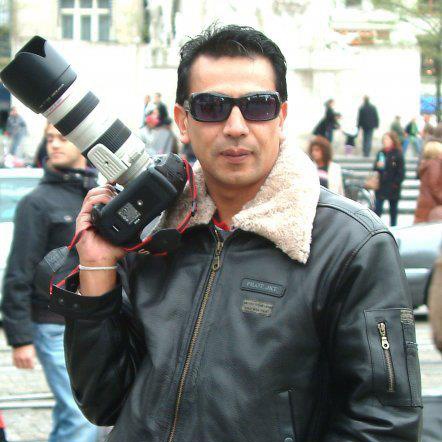
Anup Prakash (अनुप प्रकाश) is a legendary Nepali photographer celebrated for his timeless visual storytelling, masterful composition, and decades‑long contribution to documenting Nepal’s people, culture, and artistic heritage. Known for his signature ability to capture emotion with simplicity and precision, he remains one of the most respected names in Nepali photography, influencing generations of visual artists.
Anup Prakash
Photographer, Fashion Photographer

Ryan Karki is a Nepali singer, music‑video director, and media host active since 2010, known for his work across modern Nepali music and digital entertainment. As a vocalist and creative director, he has contributed to numerous music videos and collaborated with a wide range of artists in Nepal’s pop and commercial music scene. Alongside his direction and musical projects, Ryan is also recognized for his presence as a host, engaging audiences through interviews, artist features, and entertainment programs. His consistent involvement in performance, direction, and hosting highlights his versatility and growing influence in Nepal’s contemporary music and media landscape.
Ryan Karki
Music Artists, Music Video TVC Director

Sadichha Shrestha is a Nepali media figure, emcee, and Miss Nepal World 2010, recognized for her poised communication style, professional hosting, and leadership in public events. She represented Nepal at Miss World 2010, where she earned multiple subtitles including Miss Personality, Miss Best Walk, and Miss Photogenic, the highest number won by a single contestant in Miss Nepal history.Born on 23 November 1991 in Kathmandu, she completed her schooling at N.K. Singh Memorial EPS Secondary School and later graduated from St. Xavier’s College. She holds an MBA from the Asian Institute of Technology, Bangkok, where she was awarded the Nepal Bidhya Bhusan for academic excellence.Beyond pageantry, Sadichha has built a strong career as a television host, corporate trainer, and event emcee, frequently leading high‑profile programs, brand events, and social campaigns. Her TikTok presence highlights her active work as an emcee, along with content on innovation, entrepreneurship, and lifestyle.She has served as the Young Conservation Ambassador for WWF Nepal and as the Goodwill Ambassador for Nepal Tourism Year 2011, contributing to environmental and tourism initiatives.Known for her articulate stage presence, grounded personality, and professional versatility, Sadichha continues to be one of Nepal’s most respected Miss Nepal titleholders and a leading figure in event hosting and public speaking.
Sadichha Shrestha
Model, Fashion & Modeling, Emcee

Mampi Ghosh is a Nepali broadcast journalist and television host known for her celebrated Kantipur TV persona “Pawankali” and for hosting Nepal Idol Season 3 on AP1 Television. As Pawankali, she entertained audiences with her humorous, lively, and distinctly typical gaule‑style voice, conducting interviews in a playful, down‑to‑earth manner that became widely loved by viewers across Nepal. Active across television, radio, and print, she built a reputation for bold interviewing, social‑issue storytelling, and multilingual communication. After earning recognition as a multi‑awarded journalist in Nepal, she expanded her career in the United States, where she works in immigration advocacy and legal services while remaining a prominent voice in the Nepali diaspora community.
Mampi Ghosh
TV Presenter/ Host, Media Personality

Lokesh Bajracharya is a senior Nepali editor, director, and post‑production leader with a career spanning more than two decades. He is best known for serving as Chief, Editing & Graphics and Production Head at AP1 TV from September 15, 2015 to December 30, 2020, where he shaped the visual identity of major national television programs, including Nepal Idol Seasons 2–3.
Lokesh Bajracharya
Video-film Editor, Colorist, VFX Artist, Director
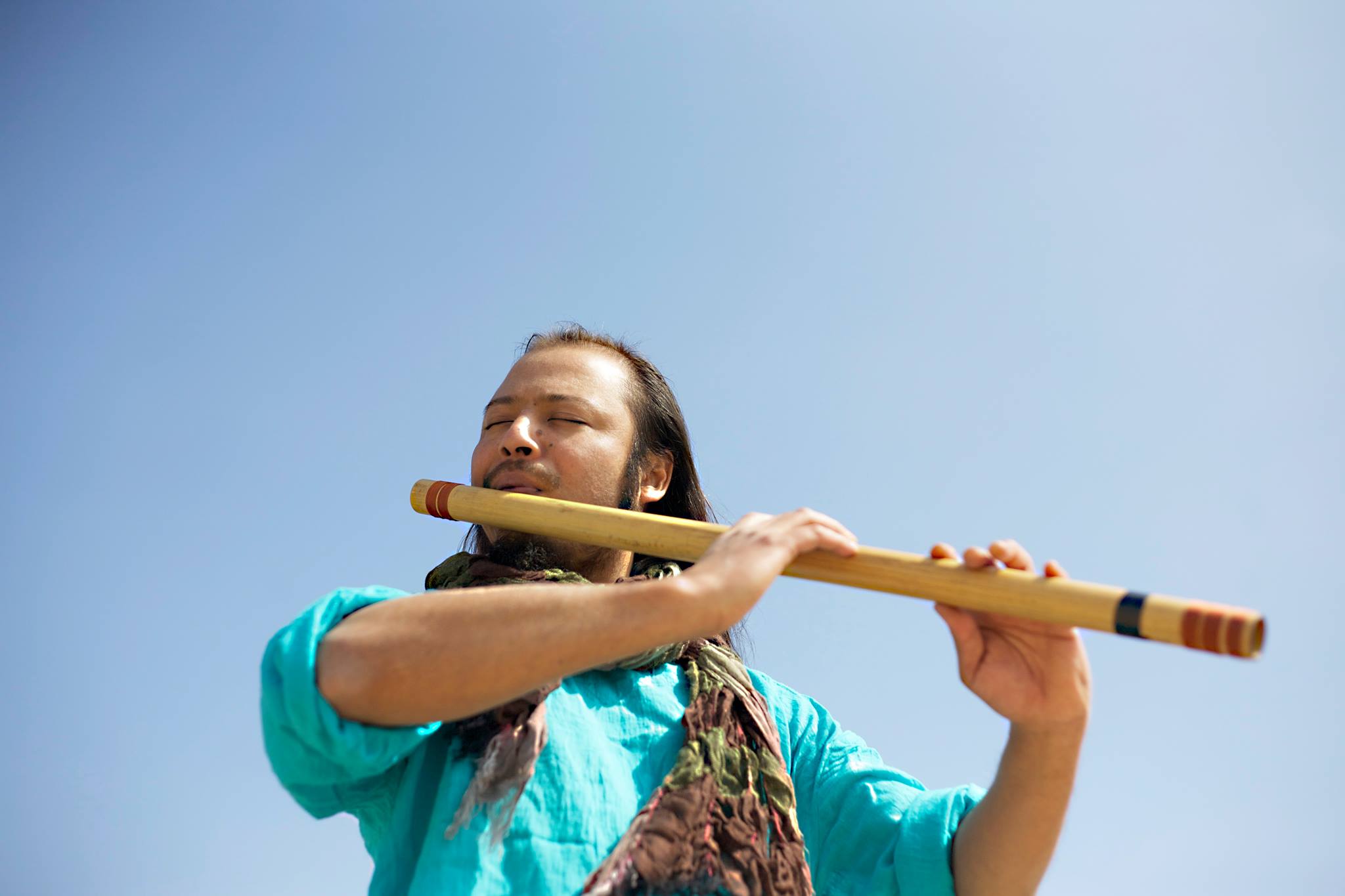
Binod Katuwal is a Nepali bansuri flutist, multi‑instrumentalist, and music teacher from Kathmandu, currently based in Barcelona, Spain. With 17–20 years of professional experience, he performs Nepali and Indian bamboo flute across world‑fusion, spiritual, folk, and contemporary styles, collaborating with local and international musicians.A versatile instrumentalist, he also plays percussions, didgeridoo, ukulele, and practices overtone singing, blending these elements into his global fusion sound. His work spans live performances, studio recordings, sound‑healing sessions, and independent album releases. His digital catalog includes albums such as Breath of Bansuri, Nepali Alaap, Didge Therapy, and the 2026 release SINGARY.Katuwal’s music is featured on platforms like YouTube, Bandcamp, and his official website, where he continues to expand his repertoire through collaborations and cross‑cultural projects.
Binod Katuwal
Musicians & Instrumentalists, Flautist
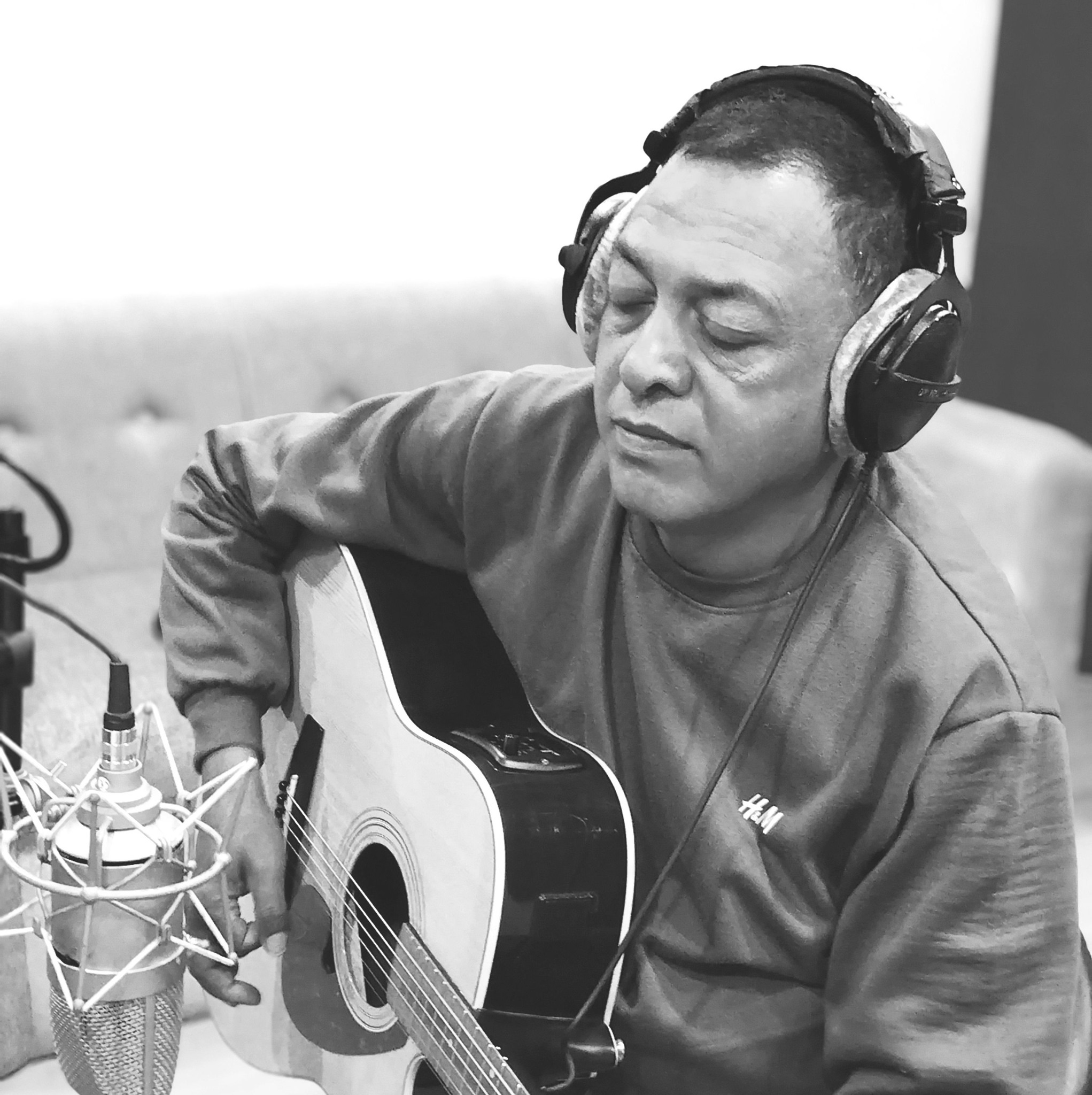
Anup Das is a Nepali guitarist and bass guitarist active in studio recordings, live performances, and session work across Kathmandu’s music scene. His playing appears in multiple recording studios—including Mahol Studio, Studio Sangam, and Studio King—where he is frequently featured in bass‑guitar sessions, rhythm‑guitar recordings, and instrumental projects.He is known for his versatile guitar work, performing everything from acoustic covers to bass‑driven Nepali folk, pop, and contemporary arrangements. His presence across numerous studio videos and recording sessions highlights his role as a reliable session instrumentalist, contributing to the sound of many artists behind the scenes.With a growing digital footprint through studio features and performance clips, Anup Das represents the class of dedicated Nepali instrumentalists whose craft supports both emerging and established singers in Nepal’s evolving music industry.
Anup Das
Musicians & Instrumentalists, Guitarist

Pramod Pradhan is a Nepali guitarist and music instrumentalist known for his work in live concerts, studio sessions, and pop music performances. Active across numerous stages, he has supported many Nepali pop singers as a live guitarist and contributed to recordings in various music studios. His versatile playing and dependable stage presence have made him a trusted musician in Nepal’s live and studio music scene.
Pramod Pradhan
Guitarist
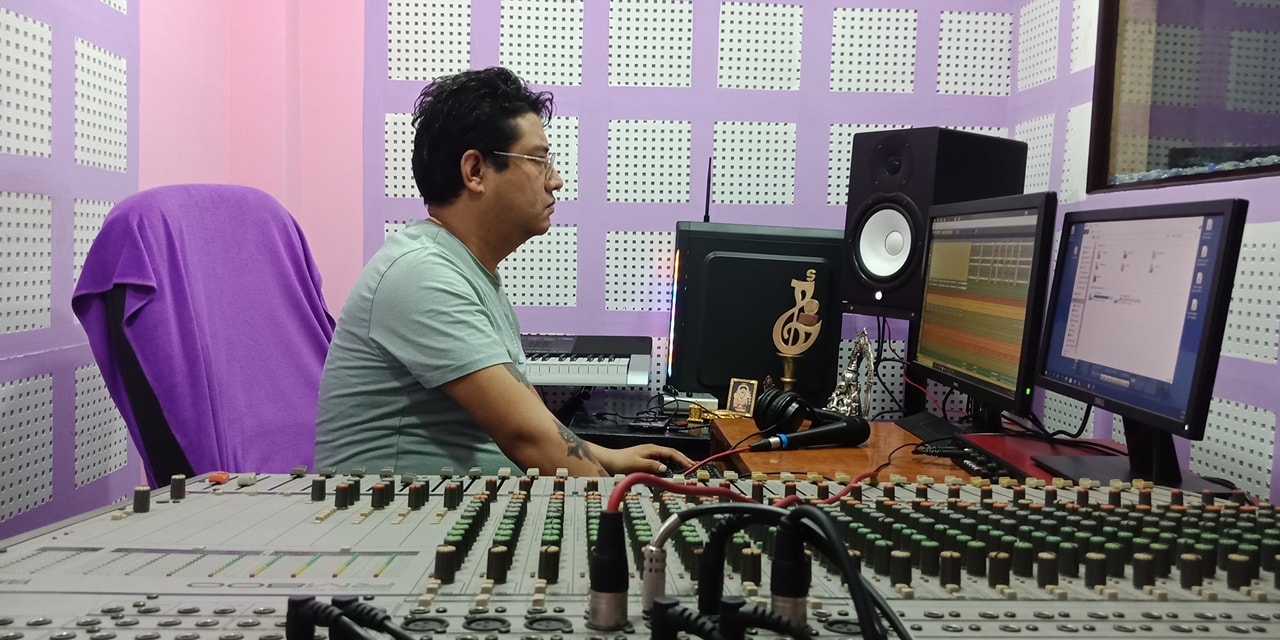
Avash Joshi is a Kathmandu‑based Nepali musician, arranger, composer, vocalist, and guitarist active in Nepal’s independent rock and metal scene. His work is characterized by self‑produced compositions, where he frequently handles lyrics, music, vocals, arrangement, recording, mixing, and mastering himself — a rare full‑stack production approach in Nepali music.His early work includes the track “Pretatma”, where he is credited for lyrics, music, vocals, arrangement, recording, mixing, and mastering . He maintains a presence on ReverbNation as a metal artist from Kathmandu, Nepal, showcasing his identity within the heavier genres of Nepali music .Joshi continues to release original music through A&J Studio, where he performs as vocalist, guitarist, and arranger. His 2026 release “Baal Metal Geet” features him on vocals, guitar, and arrangements, supported by a full band and produced at A&J Studio in Tahachal .
Avash Joshi
Music Arranger, Guitarist

Vishal Poudel is a singer, musician, sound producer, arranger, and songwriter who has been active in the Nepali music industry for nearly 20 years. His career spans studio production, live performance, composition, and genre‑blending experimentation. He is the founder of the progressive‑rock and social‑issue–focused band Kalpavriksha, formed four years ago, where he serves as vocalist, instrumentalist, composer, and arranger. Musical Identity & StylePoudel’s musical foundation comes from intense self‑training—he recalls practicing guitar up to 16 hours a day, learning by ear from bands like Iron Maiden, whose influence shaped his vocal tone and performance energy. His personal affinity for jazz and his band’s focus on progressive rock give his work a hybrid, modern sound. Career HighlightsFounder of Kalpavriksha, a band dedicated to music about social justice, political issues, mental health, spiritualism, and transgender rights.Released the band’s debut track “Lyang Bho”, a progressive‑rock piece addressing corruption and youth frustration in Nepal.Preparing the next release, “Kalpavriksha”, a storytelling music video centered on transgender experiences in Nepal.Has worked for nearly two decades as a music arranger, sound producer, and instrumentalist, collaborating with major Nepali vocalists including Nabin K. Bhattarai and Hemanta Rana.
Vishal Poudel
Music Arranger, Guitarist
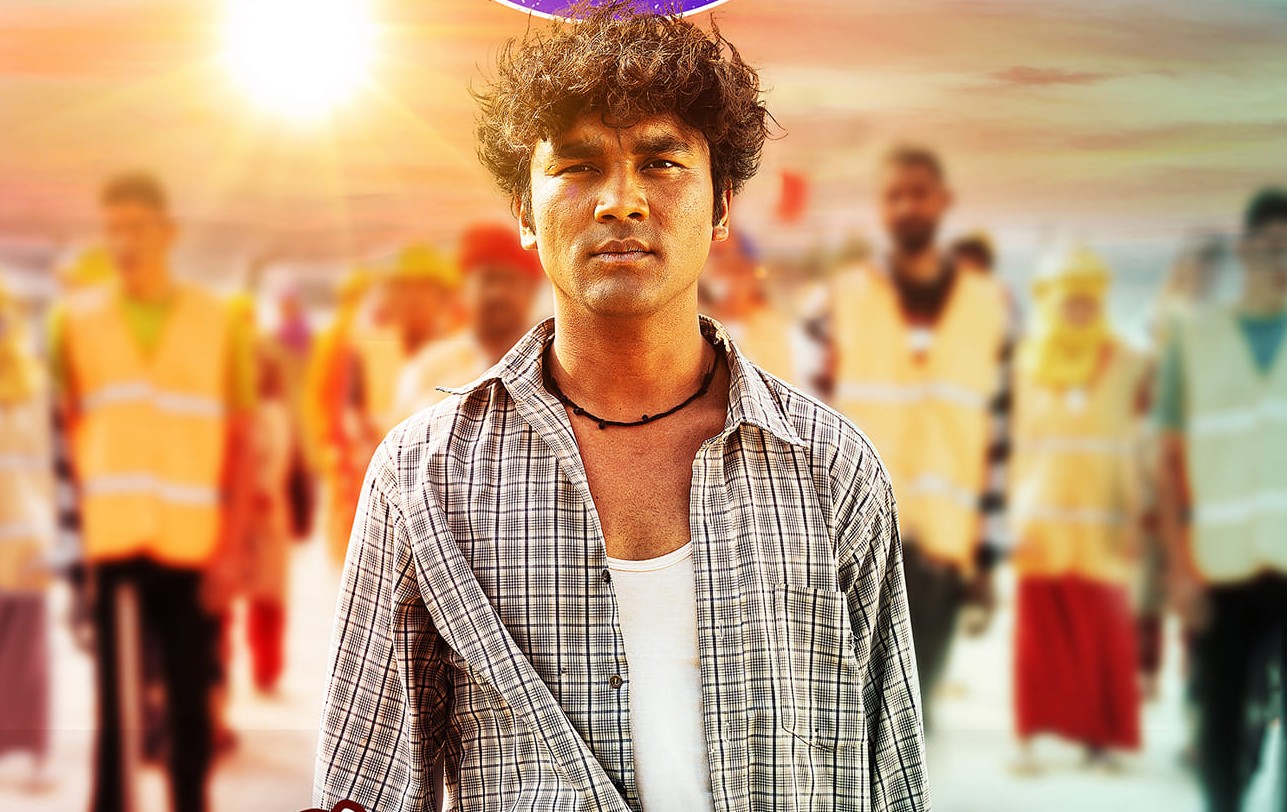
Sanjog Rasaili (born 31 May 1995 in Janakpur, Nepal) is a Nepali actor, assistant director, and choreographer known for his multi‑disciplinary contribution to contemporary Nepali cinema. Beginning his career in 2009 as a side dancer in films, he transitioned into choreography and later trained formally in acting at Kantipur Film Academy, followed by short acting courses in Bhopal and Russia. His early work behind the camera as an assistant choreographer and assistant director shaped his understanding of cinematic language, eventually leading him toward acting roles that highlight his grounded screen presence and versatility. Rasaili made his lead‑actor debut in the feature film Mah (म) and has since appeared in films such as Chiso Maanchhe, Premganj, The Great Mukhiya, Ma Rajesh Hamal, and Ek Bhagavad Ra Ek Geeta, along with his role in Pashupati Prasad 2: Bhasme Don. His expanding filmography reflects a blend of commercial and character‑driven roles, supported by his continued involvement in choreography and second‑unit direction for films like Parastree, Chiso Maanchhe, and Pashupati Prasad 2. Known for his disciplined work ethic and multi‑department experience, Rasaili represents a new generation of Nepali artists who bridge performance and technical craft, contributing to the evolving professionalism of the industry.
Sanjog Rasaili
Actor
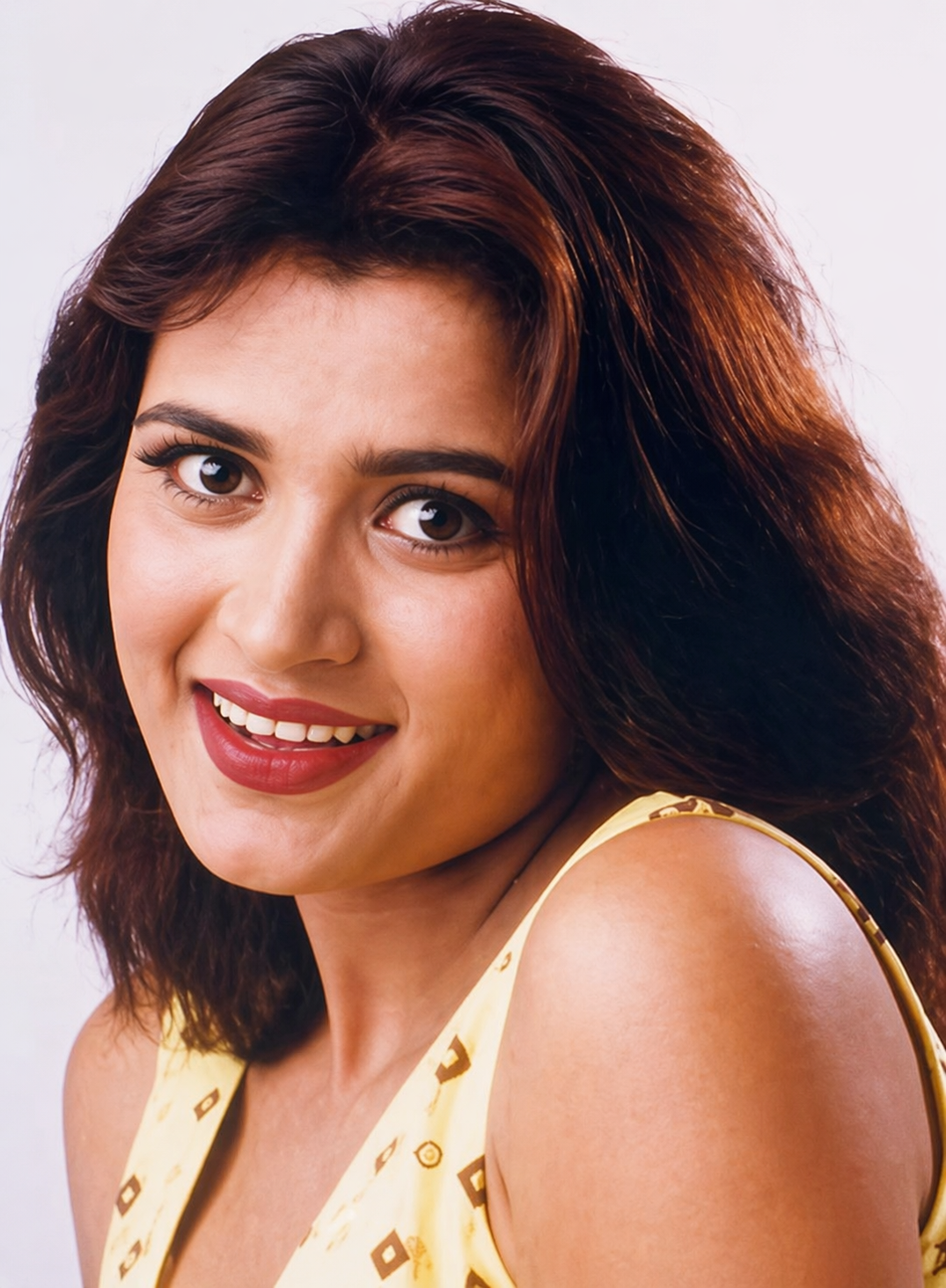
Shrisha Karki (1978–13 October 2002) was a Nepali actress and model whose brief but impactful career left a lasting imprint on Nepali cinema. Active from 1997 to 2002, she appeared in nearly twenty films, including Yo Mayale Launa Satayo (1997), Allare (1997), Aafno Birano (1998), Zameen (1998), Anshabanda (1998), Gham Chhaya (1998), Maya Baiguni (2000), Aawara (2000), Beimani (2001), Maya Garchhu Ma (2001), Kaidi (2001), Dharti (2001), Malati (2001), Aatankabadi (2002), and the posthumous releases Sukha Dukha (2002) and Bacha Bandhan (2004). Known for her expressive presence and natural screen appeal, she represented the emerging generation of late‑1990s Nepali actresses transitioning into more contemporary, youth‑focused storytelling. Her career was cut short when she died by suicide on 13 October 2002 in Kathmandu, an event that triggered nationwide outrage and became one of the most defining media‑ethics crises in Nepali film history. Her death followed the publication of a nude photograph in the tabloid Jana Aastha, which sparked widespread protests by actors, directors, and the public, who condemned the incident as an example of yellow journalism and demanded accountability. Major outlets including the BBC reported on the case, documenting her family’s claims of blackmail and the film industry’s collective call for justice. The controversy ignited long‑term debates about press responsibility, exploitation, and the vulnerability of women in the entertainment sector. Despite the sensationalism surrounding her final days, Shrisha Karki is remembered within Nepali cinema as a talented young actress whose potential was never fully realized. Her filmography continues to be referenced as part of the transitional era of Nepali filmmaking, and her story remains a pivotal reminder of the need for ethical media practices and the protection of artists’ dignity.
Shrisha Karki
Actress

Anamika Malla is a Nepali singer known for her soft, emotional vocal style and her contribution to modern Nepali sentimental and melodic music. She gained recognition through her popular songs “Feri Kina Antim Palta”, “Ki Farki Aau”, and “Ek Chimti Sindur”, which remain her most‑viewed works on digital platforms. Her music often blends simplicity, heartfelt expression, and clean melodic phrasing, making her a familiar voice in Nepali modern music.
Anamika Malla
Singer/ Performer
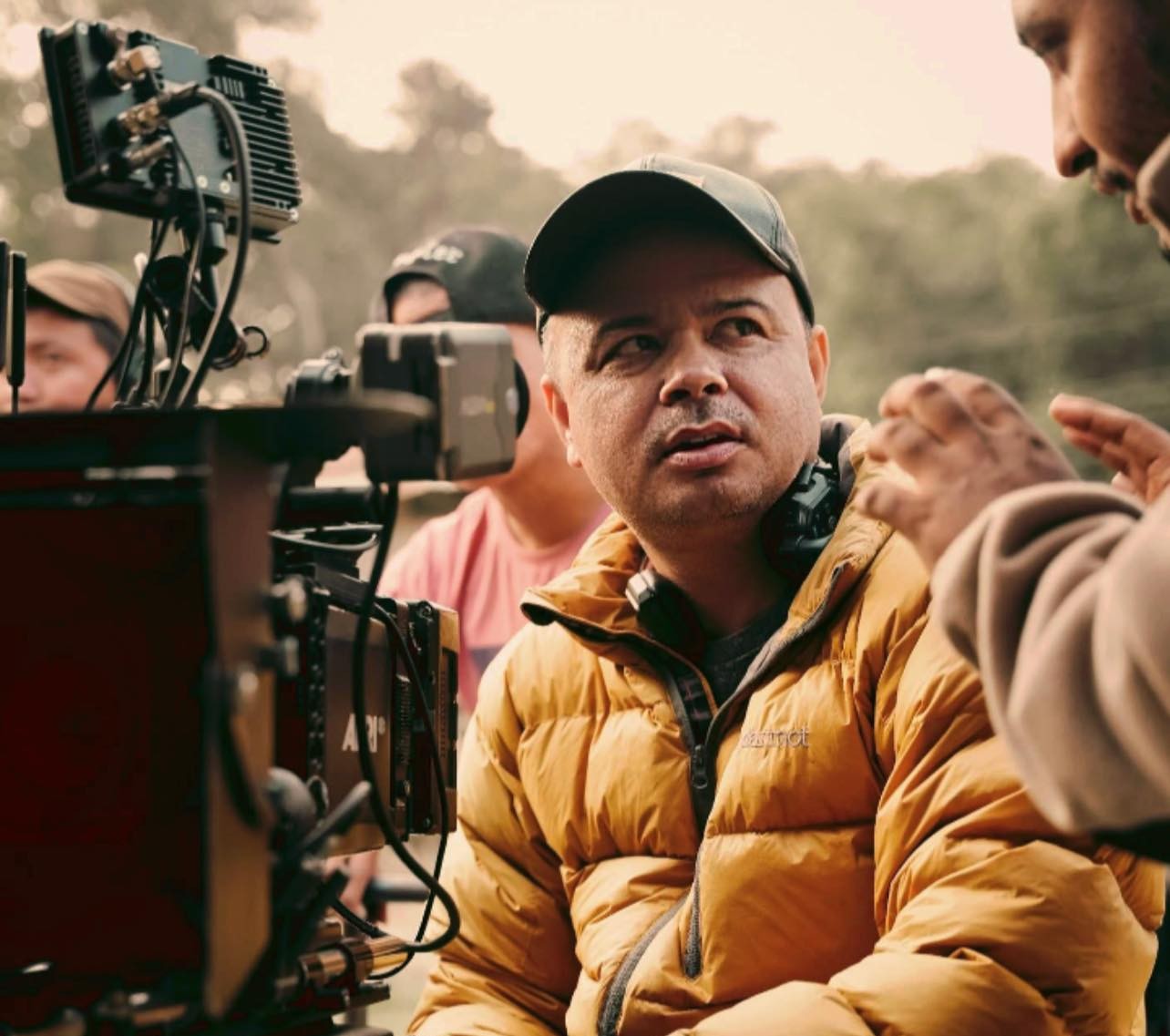
Mahesh Paudel is a Nepali cinematographer and Director of Photography known for his versatile visual style and his contributions to both Nepali and Indian film industries. His career began with a passion for visual storytelling, and his early works such as Nirankush (2013) and Manjari (2013) showcased his ability to create emotionally resonant imagery through light, composition, and grounded realism.Over the years, Paudel has collaborated with leading Nepali filmmakers and steadily built a reputation as one of the industry’s most reliable and visually expressive cinematographers. His acclaimed work in Ranveer (2019) earned praise for elevating the film’s emotional and cinematic impact through refined visual aesthetics.He continues to expand his portfolio with major projects including Rann (2022), Prema (2023), Chitra (2024), and the upcoming Balidan (2025), where he took over as the lead cinematographer for the final schedule.Mahesh Paudel has also worked extensively in India, serving as Director of Photography for multiple Mumbai‑based production houses between 2005–2018, further strengthening his technical range and industry experience.Known for his disciplined craft, adaptability across genres, and strong command of camera language, Paudel remains one of the prominent cinematographers shaping the visual identity of contemporary Nepali cinema.
Mahesh Paudel
Cinematographer

Ganesh Dev Pandey is a Nepali film director, writer, and screenwriter known for his socially rooted storytelling and his contribution to modern independent Nepali cinema. He made his directorial debut with Malati Ko Bhatti (2012), followed by the romantic drama Manjari (2013), both of which helped establish his reputation as a filmmaker with a distinct narrative voice.He gained wider recognition with Gaja Baja (2018), Nepal’s first stoner‑comedy, which sparked national debate after the Film Development Board initially refused registration due to its title. Pandey challenged the decision in the Supreme Court and won after a two‑year legal battle, marking a landmark moment for freedom of expression in Nepali cinema.His later works include Julebi (2023), a multi‑narrative urban romance praised for its authentic portrayal of modern relationships. He has also written and produced Chini Kam Rang Kada (2020), further showcasing his versatility.
Ganesh Dev Pandey
Film Director