
Explore Artists
Browse through 2,004 talented actors, musicians, dancers, filmmakers and creative professionals from Nepal.
2,618
All Artists
194
Actor
222
Actress
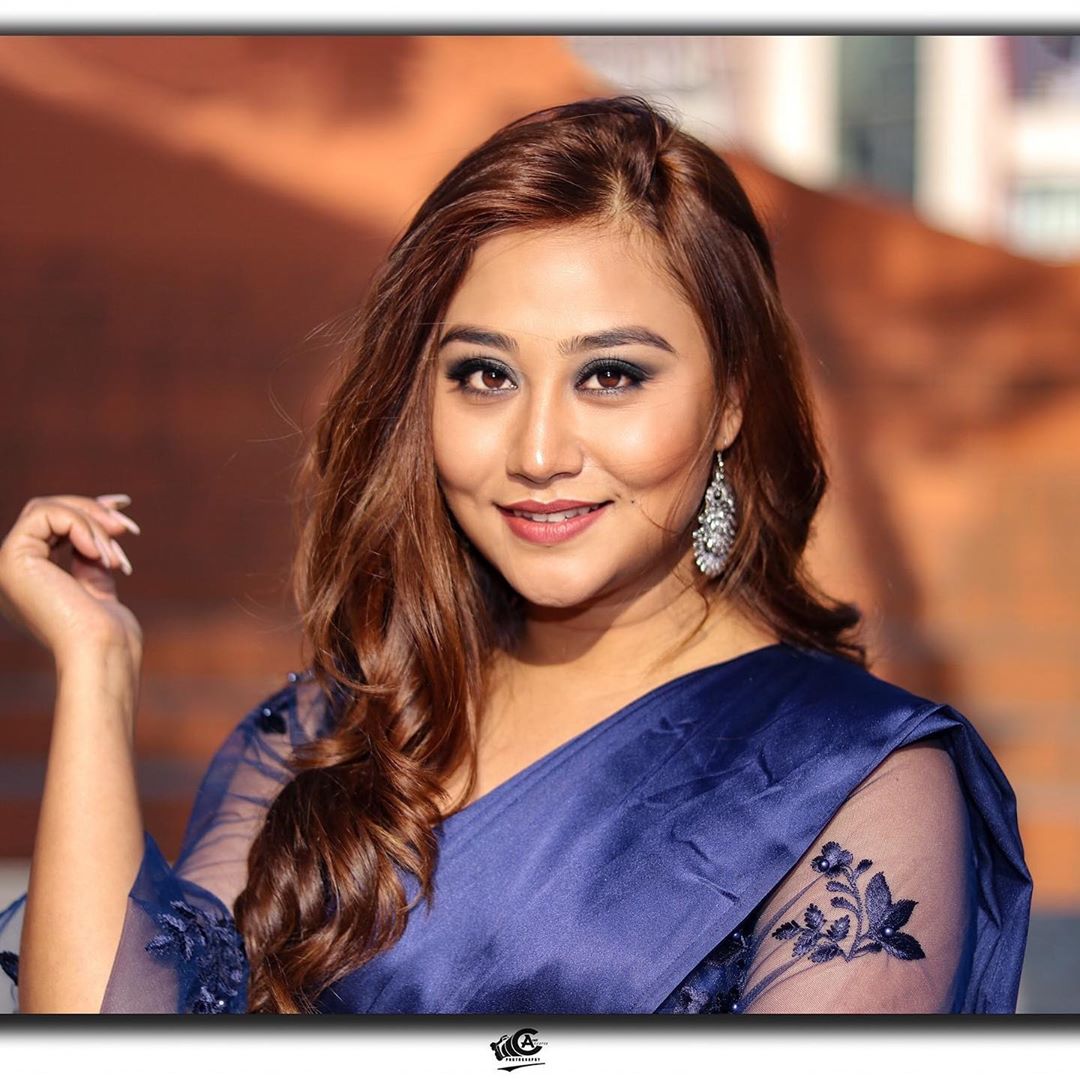
Ashishma Nakarmi was born on Nov 22 in Balambu, Kathmandu, Nepal to mother Asha Nakarmi and father Mana Raj Nakarmi who is renowned musician and Tabala player in Nepali music industry. She belongs to a newar community where she is elder sibling of two younger sisters. She spend her childhood days in Kathmandu. She did her schooling from Richmond Academy and also did her higher secondary from the same place. She went to United State for her further studies did bachelor degree in Hospitality and got graduated. During her stay in US she did 4 months acting course from Acting school of Dallas, Texas from David S. John who is a Bollywood actor. Ashishma also took part in International Beauty Pageant “Miss South Asia Texas 2012” where she was crowned as 2nd runner up. “The shows build up more confident and taught how to present oneself to different world says "Ashishma.” At the age of 5 she did her first stage performance. Ashishma says that “she is really happy with love and support made by her family in every step of life.” Also did junior diploma in Sitar when she was in grade 8. After passing out SLC Ashishma did her first music video “Taha Chaina” when she was 15 years only. She always dreamed of having her own identity and earn both name and fame in the movie industry. Her father Mana Raj Nakarmi who was always like her friend debut a Newari music video “Mikha Ya Ajala” as a side dancer. The album was released with her cover picture where then she was offered with various Newari Movies. She aimed to be a good actor and good human being.
Ashishma Nakarmi
Actress

Sampada Baniya is a actress , models of nepali music videos and television commercial .
Sampada Baniya
Model, Actress
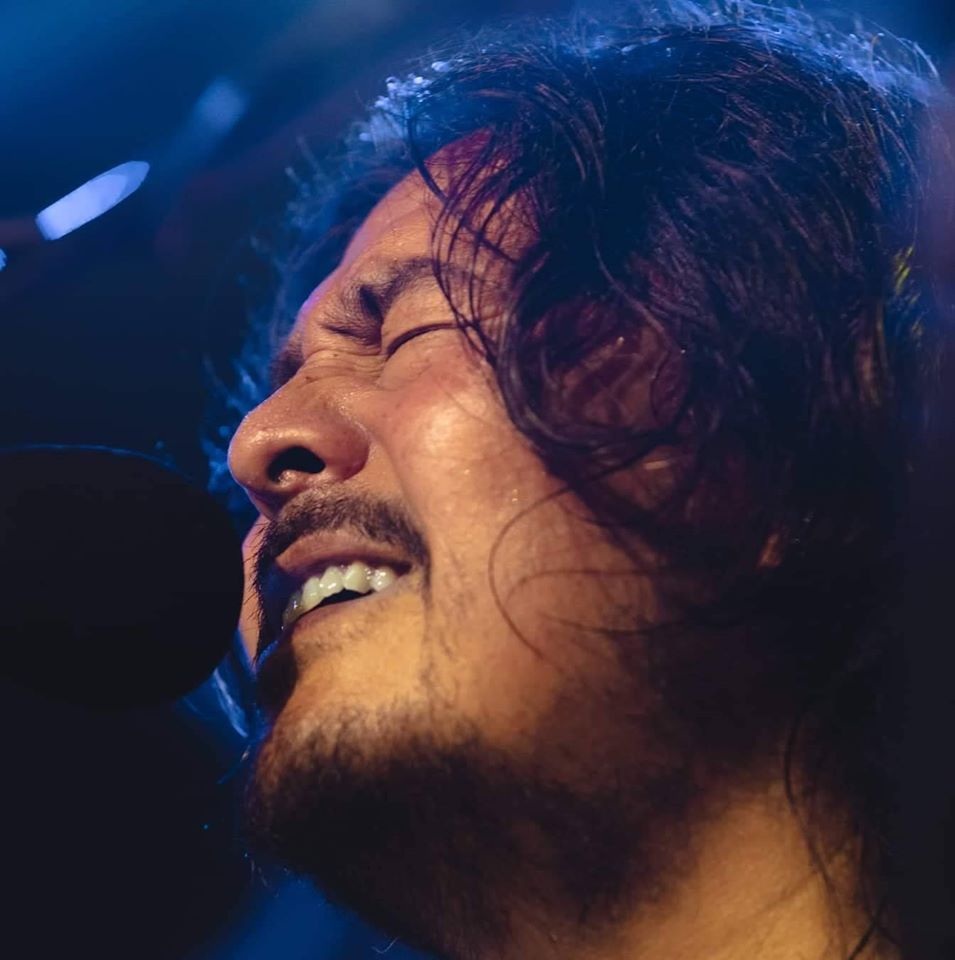
Adrian Pradhan (born August 18) is an Nepali vocalist, composer and songwriter in Nepali music. He was born and raised in Kalimpong, India. He is the lead member of one of the most successful Nepali Band, 1974 AD.
Adrian Pradhan
Music Artists
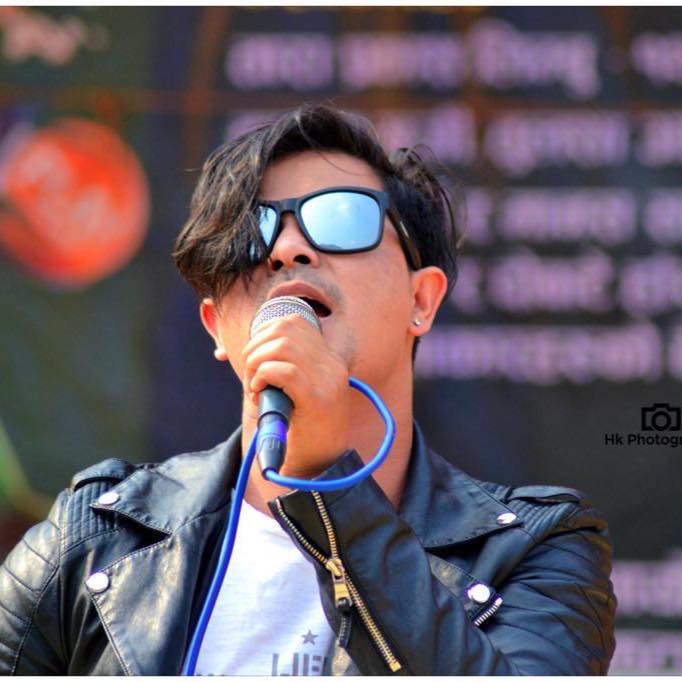
Kamal Khatri, born on 8th Mangshir in Hetauda, is a prominent figure in the Nepali music scene. Growing up in a musical family, Kamal's father, Puskar Bahadur Gotame Khatri, worked in a bank, while his mother, Laxmi Devi Khatri, was a homemaker. Though Kamal spent his early childhood in Hetauda and later Sarlahi, it was his passion for music that shaped his path. Early Life and Education: Kamal completed his schooling at Shree Chakra Janta Higher Secondary School and later pursued his higher education at R.R. College. However, his heart was always set on music, and after completing his S.L.C., Kamal decided to follow his dreams, moving to Kathmandu in 2059 BS to immerse himself in the city's vibrant music scene. Musical Journey: Kamal’s early days in Kathmandu were full of challenges. He initially worked as a technician in a local studio, which allowed him to gradually familiarize himself with the music industry. In 2062 BS, Kamal made his debut by recording his first song, marking the beginning of his musical career. His big break came when he joined Ethos Band in 2063 BS as the lead vocalist. The band’s songs, especially Nakkali Maiya, brought Kamal into the limelight, but it was the iconic track Sustari Suatari that truly cemented his place in Nepali music. Solo Career: Building on the success of his time with Ethos Band, Kamal Khatri pursued a solo career and released his first album, Pida. The album was a huge hit, with songs like Pida and Sambodhan becoming fan favorites. His music videos gained widespread airplay on television and FM stations, solidifying his reputation as a talented and influential artist in Nepal. Achievements and Recognition: Over the years, Kamal Khatri has garnered significant recognition for his contributions to Nepali music. He has received several awards for his powerful voice and songwriting skills. His time with Ethos Band helped shape the band’s success, while his solo projects continue to resonate with listeners, earning him praise and a loyal fanbase. Popular Songs: Nakkali Maiya (Ethos Band) Sustari Suatari (Ethos Band) Pida (Solo Album) Sambodhan (Solo Album) Mero Jindagima (Solo Album) Beyond Music: Despite his success, Kamal remains grounded, expressing gratitude to his family, friends, and fans for their unwavering support. Known for his humble nature and commitment to his craft, Kamal’s journey from a young aspirant to a celebrated figure in Nepali music is an inspiring testament to his dedication. With his rich voice and musical vision, Kamal continues to be a key figure in the Nepali music industry, with even greater accomplishments on the horizon.
Kamal Khatri
Music Artists

Yashoda Khaling Rai is a Nepalese singer model & Dancer from New York USA. She received the Best Singer Female award at the World Nepali Music Award - NY USA- 2019.
Yashoda Khaling Rai
Music Artists

Pushpa Gurung's passion for music was evident from a young age. Initially shy about her aspirations, she began composing lyrics and melodies during her school years. Her formal training commenced at Doremi Music School, where she honed her vocal skills and deepened her understanding of music. Encouraged by positive feedback from friends and mentors, she embarked on her professional singing career. Her debut album, "Fate", released in 2010, featured seven tracks that showcased her versatility and emotional depth. The album received positive reviews, establishing her presence in the Nepali music scene. In 2013, Pushpa gained widespread recognition with the release of the single "Rog Ho Ki Yo Dosh Ho", composed by Kali Prasad Baskota. The song's poignant lyrics and her soulful rendition resonated with audiences, further solidifying her reputation as a talented vocalist. The accompanying music video, directed by Anil Sthapit, complemented the song's emotional tone. Beyond her solo projects, Pushpa has contributed to various film soundtracks and collaborative works. Notably, she lent her voice to the song "Jadoo" from the Nepali movie Manjari, a duet with Sanup Poudel. Her ability to convey deep emotions through her music has made her a sought-after artist in the industry.
Pushpa Gurung
Music Artists, Playback Singer
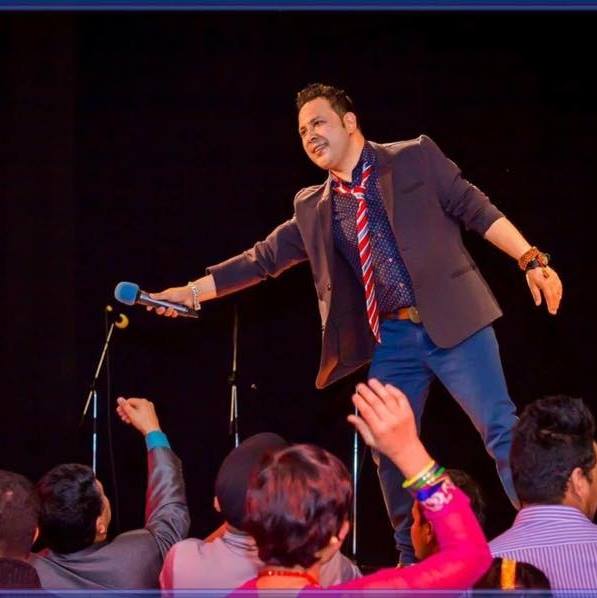
Yam Baral is a well-known Nepali singer. She sings badalu ko ghumo le, nisthurile chhadera gai hali, Dilmaya etc. He has also sung in the Nepali movie. First Recorded Song is Sagar bhanda pani gahiro at 2047 (Radio Nepal). lyrics was Debaki singh & music was Deep Shrestha . Solo Albums: - (1) Timilai samjhida 2049 (2) Aasirbaad -2 (3) Mann (4) Bhet (5) Dhun (6) Hits of yam baral (7) Maya (8) Hira (9) Saman (10) Shrijana Total playback singing: - More than 1000 in 100 Movies Popular Movie Numbers: - Aaba chotharule - Allare, Maya basyo mutuma – Aago ,Muskan e.t.c Acted in the Movie as an Actor: - Malati – 2055 Awards: - Go.Da. Ba, 4th , Narayan Gopal Sangeet Puraskar , Channel Nepal Critics Award , K TV Film Award , first prize in all Nepal singing competition , Radio Nepal 2049 , 1 yr scholarship Award from Nepal Academy ,Voice in National Anthem of Nepal ,
Yam Baral
Music Artists, Playback Singer
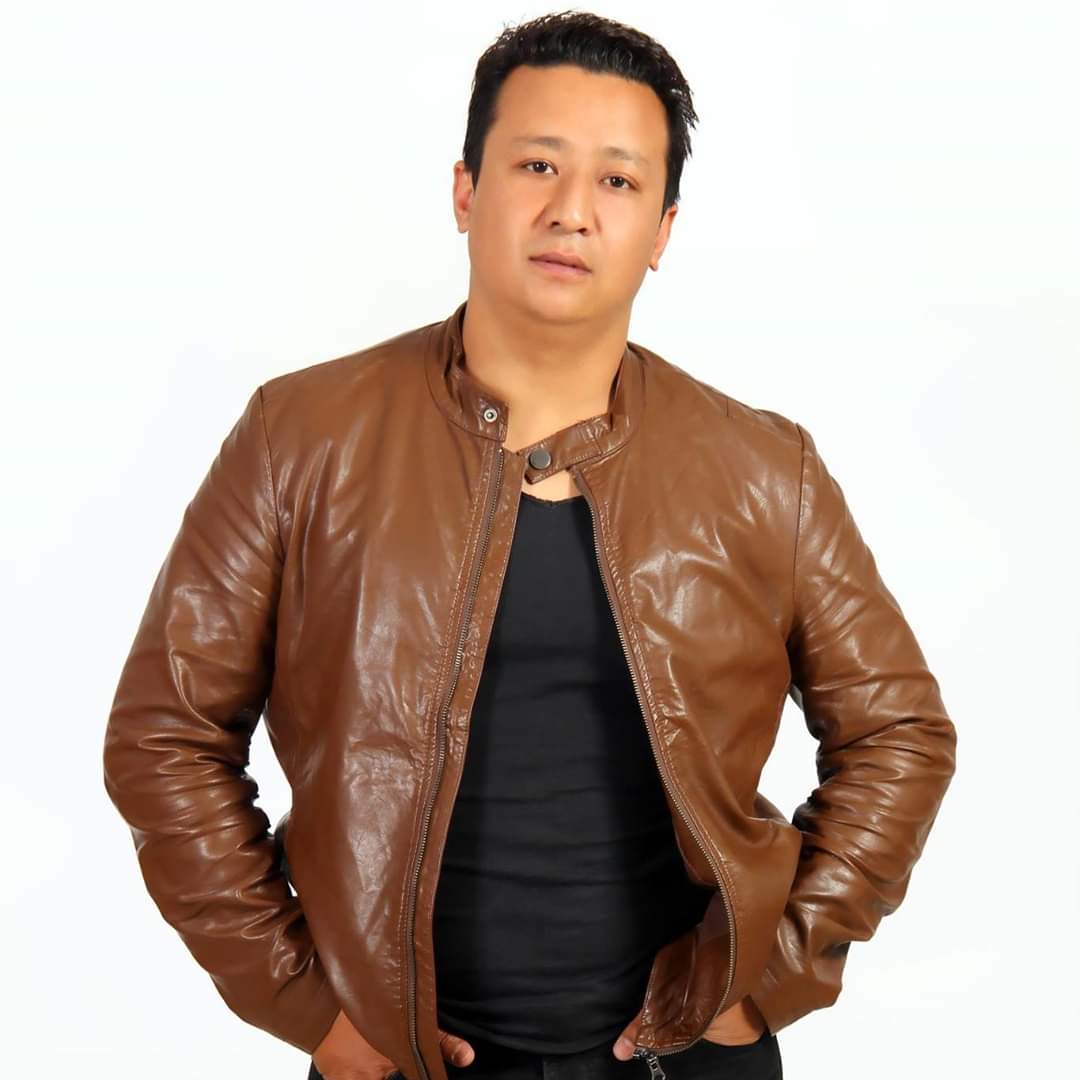
Dheeraj Tandukar, CEO of Event Better Galaxy Entertainment Pvt. Ltd., has been working in his field for 18 years now and has successfully executed many events. He started as a model and was a winner of Mr. Kathmandu before he took the further step of establishing his own event management company. He is now regarded as one of the most trusted organizers in town.
Dheeraj Tandukar
Fashion Choreographer
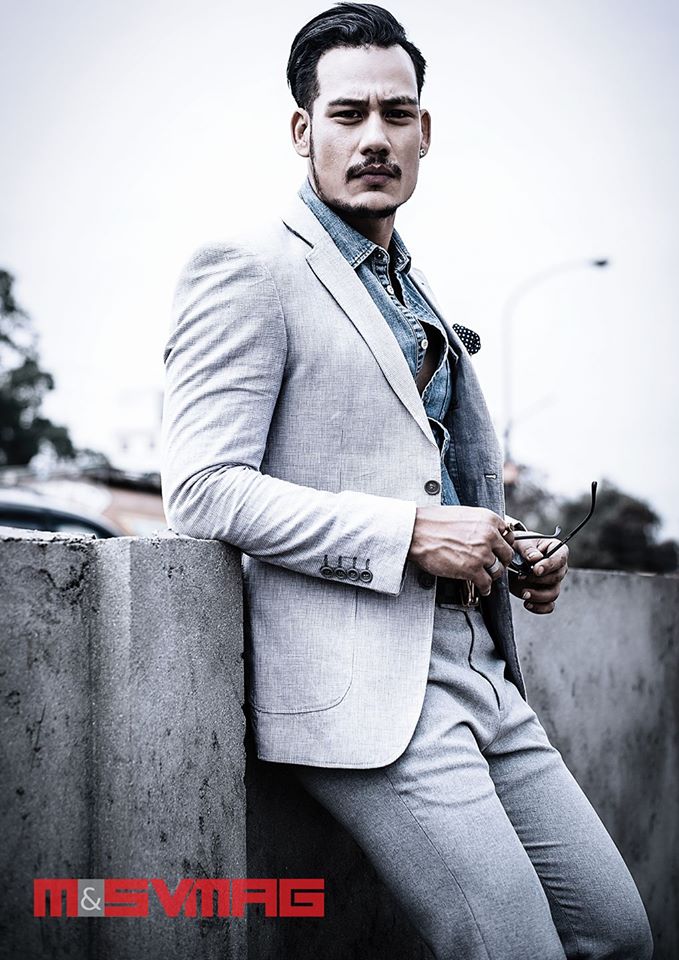
Anoop Bikram Shahi (also Anup Bikram Shahi) is a Nepali model and actor.He was Manhunt International Nepal 2013–2015, and represented Nepal at the Manhunt International Competition held at the Shenzhen Haiya Grand Theatre in Shenzhen, China in October 2016. Shahi is also the winner of the D Cine Award 2015 for Best Actor in a Negative Role for the movie Hasiya.
Anoop Bikram Shahi
Actor

Prashant Tamrakar has been a driving force in the fashion industry of Nepal for more than two decades. Besides being a model, actor and choreographer, he is also an entrepreneur. Prashant is today best known for his villainous character in the recently released movie, ‘Aishwarya’. He came into the limelight as a model and earned fame through the Nepali fashion industry. Tamrakar got an opportunity to be a part of an Indian Zee TV show, ‘Model Match’ where he won the title of Model of the week. His career as a fashion choreographer took off while training as a model with a Norwegian choreographer and in 1995, he participated in Man Hunt International in Singapore, becoming the first male model to ever represent Nepal in an international platform.
Prashant Tamrakar
Model, Actor, Fashion Choreographer

Aakash Shrestha is a Nepalese actor and model known for his work in the Nepali Cinema and Music Industry. He also made appearances in music videos before entering the film industry.
Aakash Shrestha
Actor
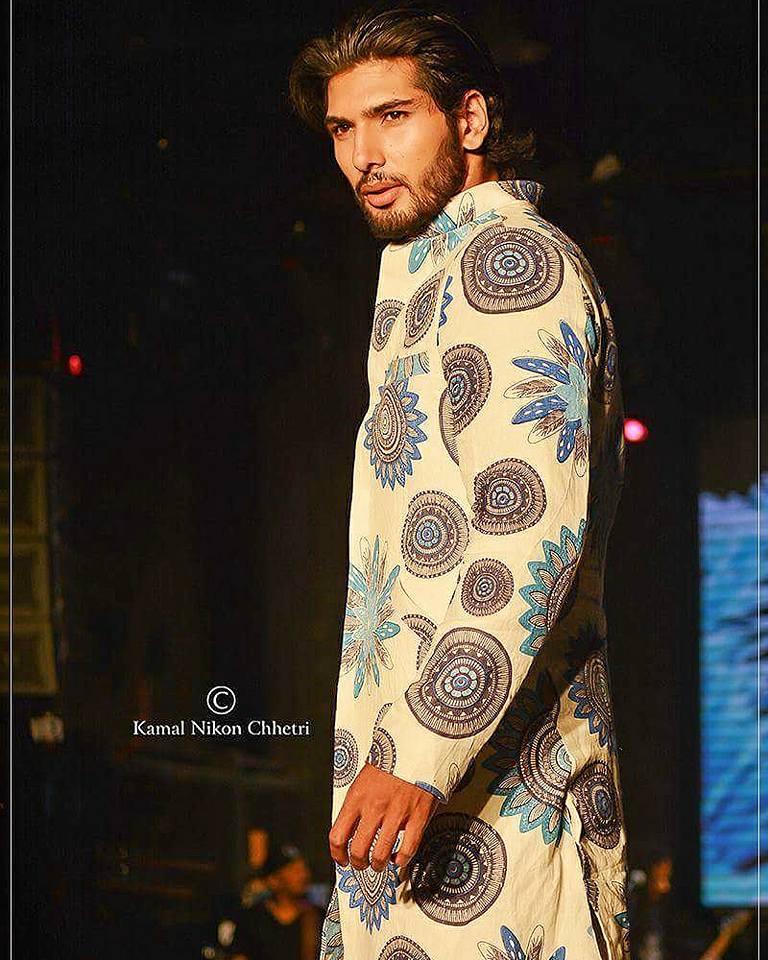
Sushil Shrestha is Nepalese model and actor who works in Nepali cinema. He made his film debut with 2015 blockbuster film Hostel Returns which earned him Best new actor nomination in NFDC National Award. He then starred in Sunil Rawal's Saayad 2, sequel of Saayad which is all set to release.
Sushil Shrestha
Model, Actor
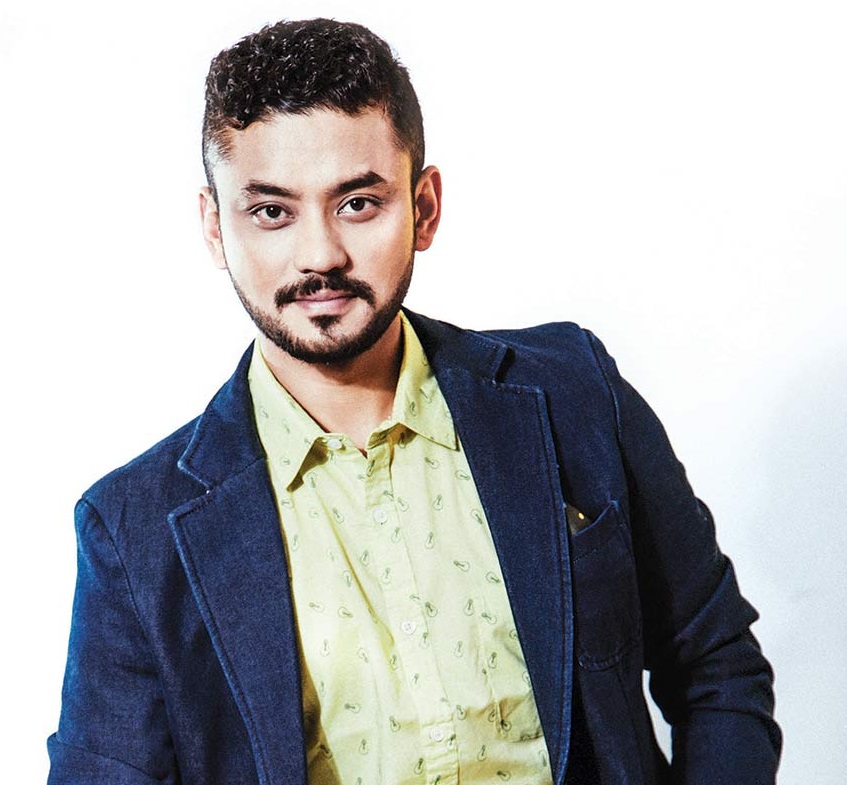
Karma is a Nepalese film and theater actor known for his roles in Sano Sansar, Loot and Lukamari. He is recognised as a versatile actor in the Nepali film industry. Visa Girl, Suntali and First Love are some of his other notable films.
karma Shakya
Actor
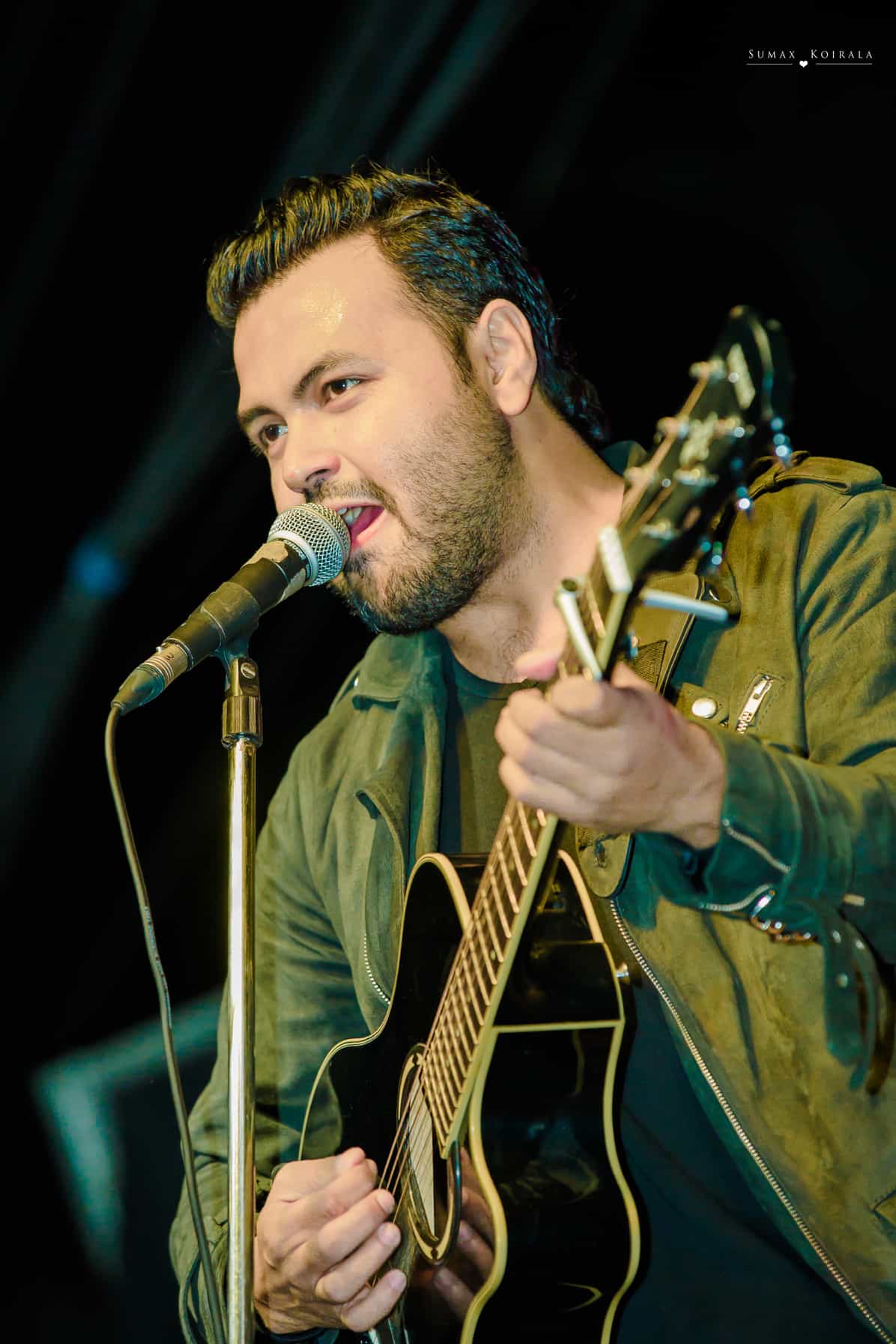
Born in february 5, 1988. Bred in Kathmandu Valley. Started performing at the age of 5. After ending up as the second runner up in national level broadcasted singing competition 'Nepal Star - 2005' at the age of 16 ; continued music studies in Kathmandu University later in affiliation with SOAS ( University of London ). Currently studying Masters in music. Field of expertise in occidental and oriental music in general. Which includes Music - research, business, analysis; musicology, singing-song writing, composing, arranging & production ( contemporary styles, orchestration, background scoring, vocal designing ). Instrumentalist of guitar, piano ( contemporary Jazz, classical ), Vocal ( styles: Khayal, Dhrupad, Belcanto - tenor, rock-pop, R&B, Rap ), local instruments ( Dhimay baja, madal, Sarangi )
Almoda Rana Uprety
Music Artists, Music Arranger, Musicians & Instrumentalists
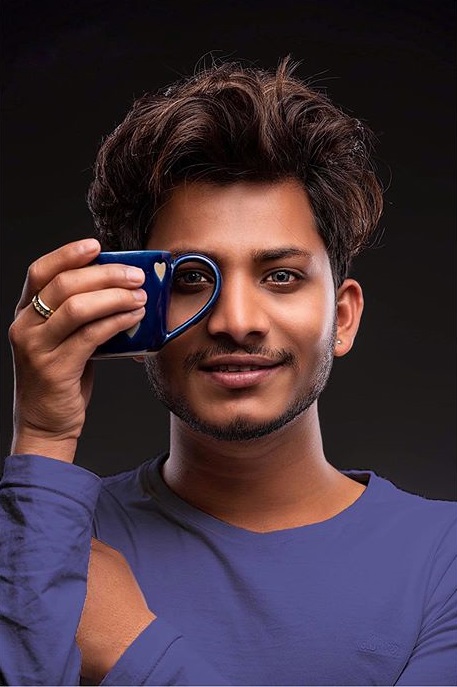
Najir Hussain is a Nepalese film actor, known for his work in the Nepalese entertainment industry. One of the most critically acclaimed actors in Nepal, he is the first Madhesi Muslim to rose into fame from his native Madhesi role in Hostel Returns as Rameshwor Yadav and Bikram in Bir Bikram 2.
Najir Hussain
Actor
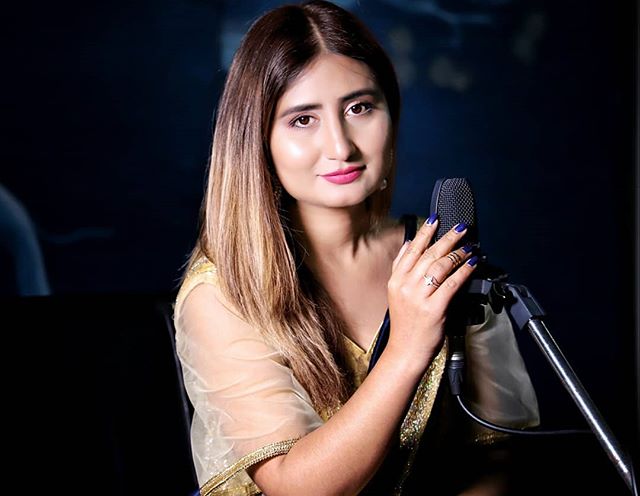
Anju Panta is a Nepali ghazals and playback singer. Having lent her voice to popular numbers like the title song of Ma Timi Bina Marihaalchhu, Bhun bhun bolyo bhamara of Saput, Dil yo mero dil in Kismat, and Sustari sustari mannma for Darr, Anju has sung for 18 films and more than 100 Nepali melodious songs both in duets and solos.
Anju Panta
Music Artists, Playback Singer

Samragyee Rajya Laxmi Shah (aka Samragi Laxmi Shah or Samragyee RL Shah) is an award-winning Nepali actress and a model. Shah started her film career in 2016, debuting in Bhuwan KC’s ‘Dreams’. In her debut movie, she appeared in the role of the lead actress, opposite popular Nepali young actor, producer Bhuwan KC’s son, Anmol KC. It was reported that Samragyee beat 23 competitors before she was chosen for her role in Dreams. Prior to joining the Nepalese movie industry, Samragyee worked as a model, walking on the catwalk and appearing in different product promotions. After Samragyee became a popular actress in the wake of the commercial and critical success of her first movie, Nepali tabloids ran stories linking her ancestry to Nepal’s royal family. According to media reports, she has demanded up to a million Nepali rupees to sign up for new movies.
Samragyee Rajya Laxmi Shah
Actress
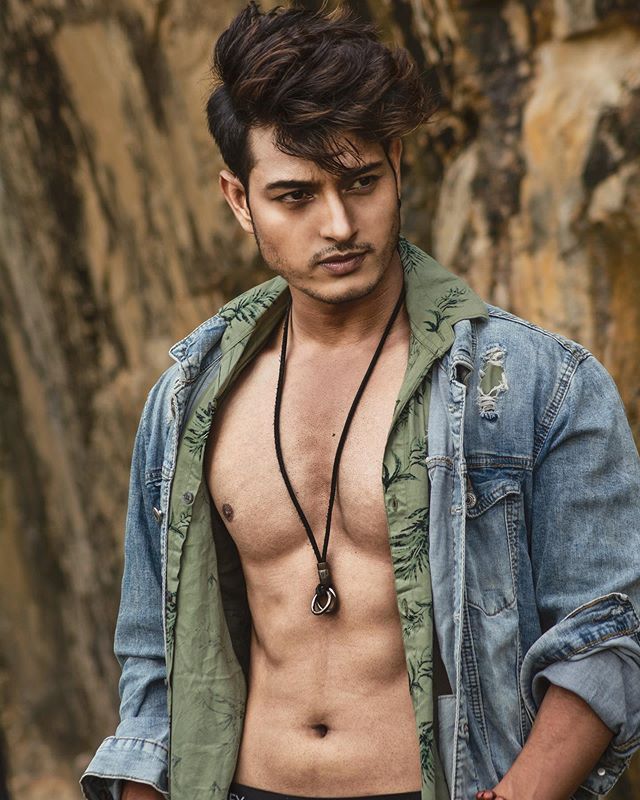
Puspa Khadka is a very popular and talented Nepali Actor and Model. He took dance training from Manish Rai and Biswa Bandhu from Jharan Culture group located in Baneshwor . He did many stage shows in various places of Nepal and India. Later on Puspa Khadka joined acting class with the popular director Anup Baral in the Actors Studio to make sure that not only was he amazing at dancing but also in acting to expand the talents he has. Another thing that puspa did was do a ramp walk in the amazing Nari wedding Bridle Show. Also he did a dozen of fashion shows to show off his talent in modelling and fashion. Before debuting as a model in music videos he did a Red Bull TV commercial. Later on also appeared in many TV Commercial advertisements like: Samsung Mobile advertisement with the beautiful Priyanka Karki, NTC, Tuborg Beer, Honda car, Home cable and Mahendra Rodio advertisement along with many more from LNS Modelling agency. Popular Nepali Music Video director Alok Nembang who skimmed through his portfolio and invited him to debut in music videos Puspa Khadka finally debuted in a music video called Ke Maya Garna Hunna ra by the famous Nepali Singer Hemanta Sharma which was a huge hit among the Nepali music lovers Puspa was appeared in more than 15 videos that were directed by Alog Nembang like Gajal Lagai Nachhau by Thaneswor Gautam, Dhara Bata Aune Pani by Shiva Pariya etc.. Later on he got the opportunity to work with many popular directors like Arjun Adhikari, Dipendra KC, Sahendra Shrestha, Bishal Bhandari and many more. He continuesd his journey in modelling field and appeared in more than five dozen music videos. Later he debut in Nepali Movie Ajhai Pani as a supporting actor, directed By Late Alok Nembnag
Pushpa Khadka
Model, Actor
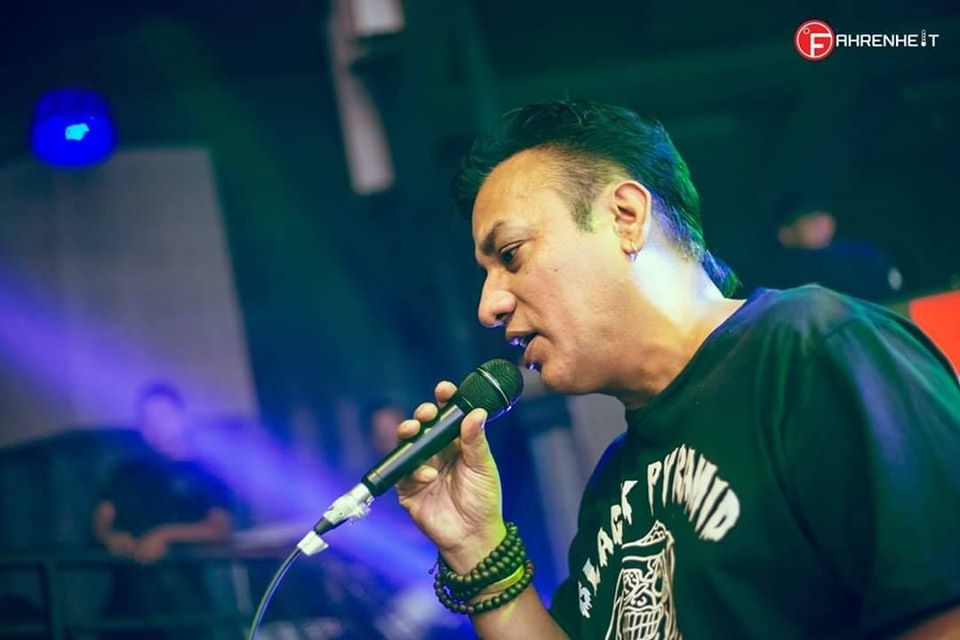
Sanjay Man Shrestha is a Nepali singer and musician. In 1992, Shrestha founded the pop music band Crossroads, which fused western-style singing and traditional Nepali instrumental music. Shrestha produced several popular songs, including the hit Maya Meri Maya.
Sanjay Shrestha
Music Artists, Music Band

Sushant kc is a very talented Nepali singer and songwriter lives in Sydney, Australia. he was born on February 2 with the height 5 feet & 6 inches tall height. talking about his educational qualification, he completed his primary school education from Budhanilkantha School, Kathmandu. then, he went to Rato Bangla school/college and completed his higher school education (12th). after that, he went to Australia for further education opportunities. currently, he is doing a bachelor’s degree in business at UNSW college, Sydney.
Sushant KC
Music Artists
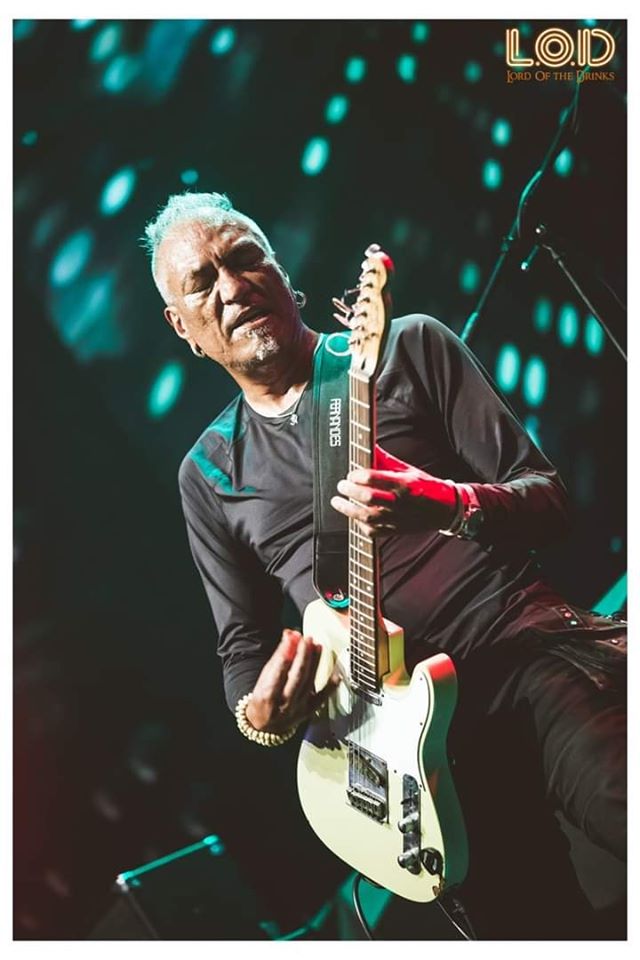
Robin Tamang is a Nepalese singer, musician, actor and founder of rock band Robin & Looza & Robin and The New Revolution. Born in Singapore, he was youngest of five siblings born to the family of a British Army. Due to the different postings of his father, he moved to several country in his childhood like Hong Kong, Singapore and Brunei. During his schooling in Singapore, he used to listen to Jimmy Hendrix and Deep Purple, who became the true inspirations to him. While he was doing his college in Humber College in Toronto, in the mid-1980s, he formed his second band Tamang and performed at different stages. In 1996, he came back to Nepal and went to Pokhara, his father's place and joined the rock band Looza. He performed together with Looza but soon this journey came to an end after the group disbanded in 2005.
Robin And The New Revolution
Music Artists
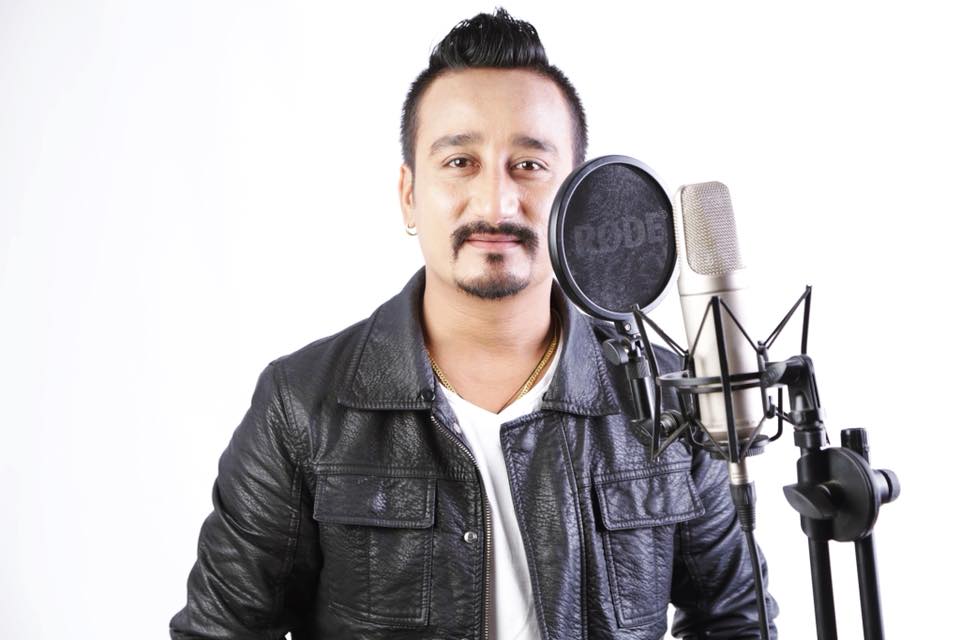
Udesh Shrestha is a Nepali pop singer, music composer, songwriter, music arranger & background scorer. Born in Dhulikhel, Kavrepalanchok Nepal, he was the fifth child of Ram Pyari Shrestha and Ram Shrestha.
Udesh Shrestha
Music Artists

Kristina Gurung is model and actress of Nepal who is going to debut in Nepali movie from ‘Prem Geet 3’. She got selected from among 2700+ participants who gave their audition for “talent hunt” looking for “Geet” character.
Kristina Gurung
Actress
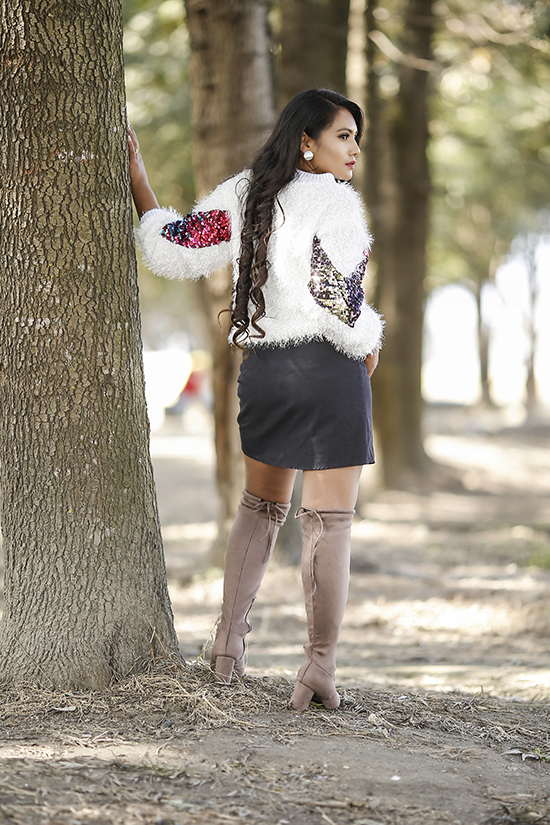
Laxmi Bardewa is an actress, known for Damaru Ko Dandibiyo (2018), Kagaz Patra (2019) and Ghampani (2017).
Laxmi Bardewa
Actress, Theatre Artists
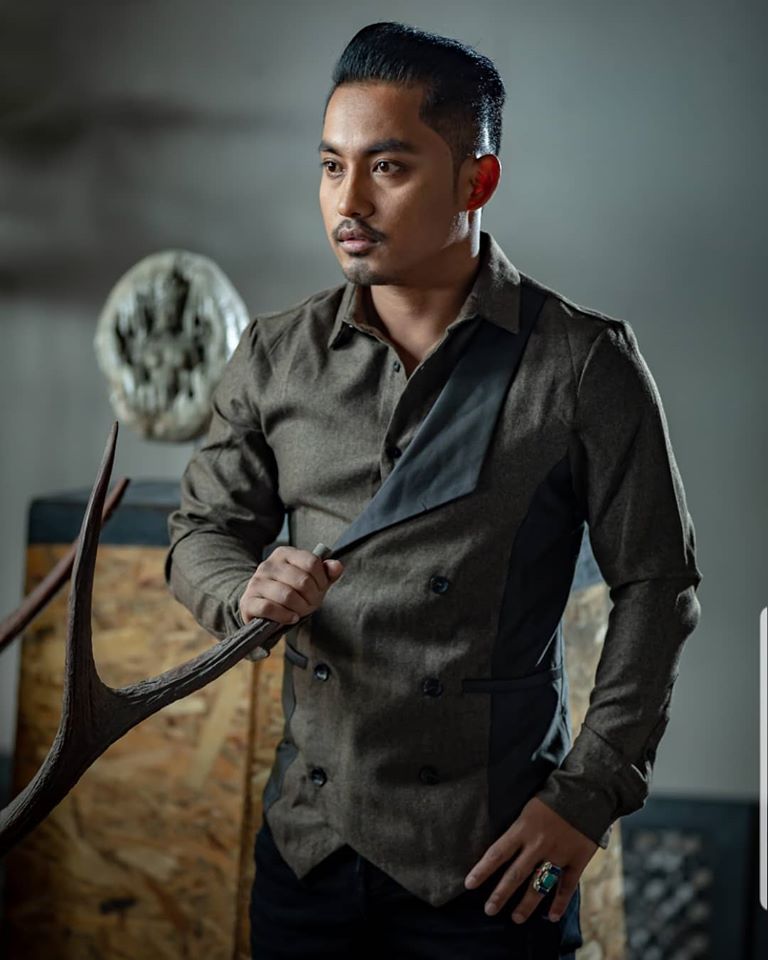
Hemant Rana, the vocalist of latest trending song ‘Saili’, is a music artist who started off his career back in 2004 through his first album ‘Paap Punya’. He got into limelight when his song ‘Laija Re’ topped all the music charts of the industry. Rana likes to correlate his songs with the social issues of the day. He also released his fourth album – Saili along with the launch of GH Entertainment
Hemant Rana
Music Artists, Playback Singer

Shweta Khadka is a Nepali Actress, Model, Producer, and Social Activist. She is also a managing director of MRS & Engineering (P). Ltd. And also, an owner of Himalayan Java in Rising Mall. She started her acting career from the successful movie “Kaha Bhetiyela” by late actor Shree Krishna Shrestha.
Shweta Khadka
Actress
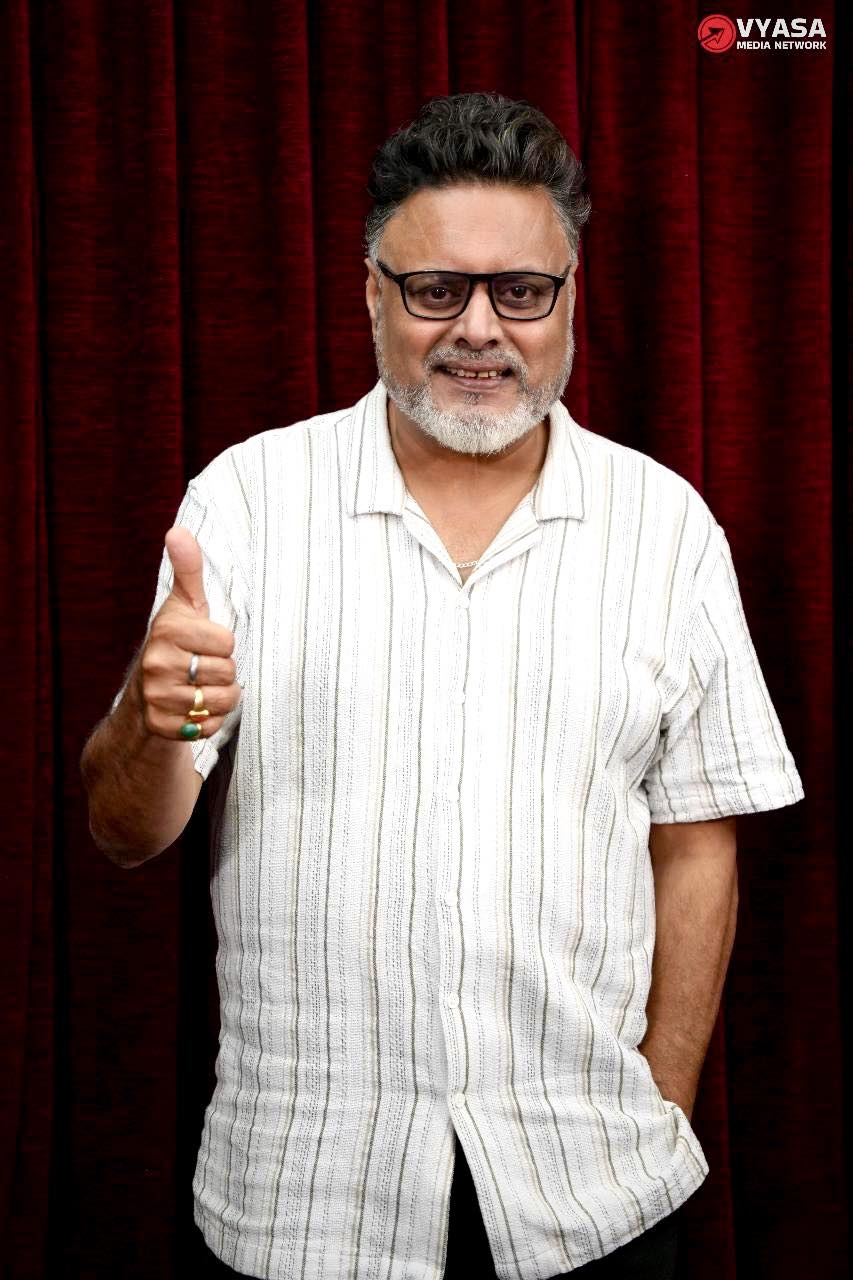
Nirmal Sharma is a celebrated Nepali actor, director, and producer, best known for his iconic role as “Gaida” in the beloved sitcom Tito Satya. With a career spanning over three decades, he has appeared in more than 50 films and 30 television series, leaving a lasting impact on Nepali entertainment. He made his debut in the film Aamako Maya (2052 BS) and has since become a household name, not only for his comedic timing but also for his contributions behind the camera. Sharma is also known for his mentorship of emerging artists and his recent gesture of waiving 66% of his pay to support a struggling producer, which earned him widespread respect in the industry.
Nirmal Sharma
Comedian Artists, Film Maker/ Producer
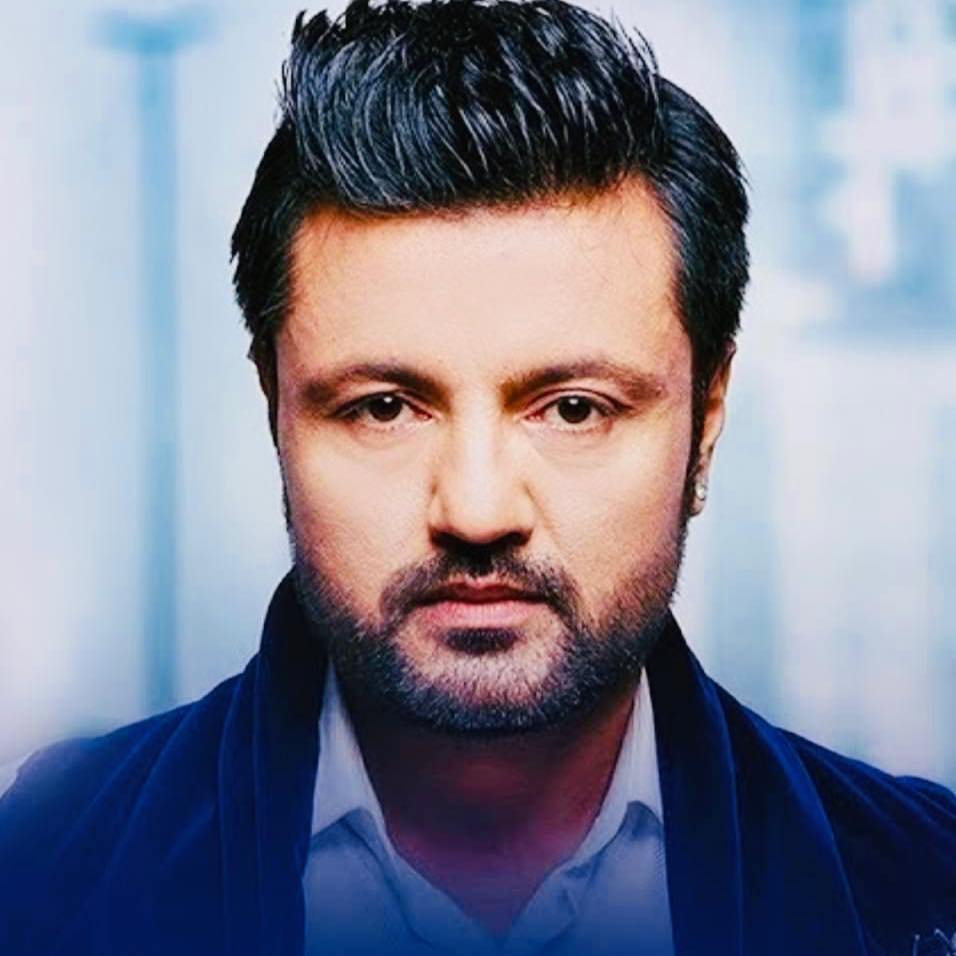
Ramesh Upreti is an actor, known for Paraighar (1998), Maute dai ( 1999), Yo Maya Ko Sagar(2001) Gaajal (2001), Karodpati (1997) and Aishwarya (2017) etc.
Ramesh Upreti
Actor

Dilip Rayamajhi is a celebrated Nepali actor, producer, choreographer, and dance director. Born on May 6, 1976, in Kathmandu, Nepal, he began his career as a dancer before transitioning into acting. He got his first big break in the movie "Bhanubhakta" and has since starred in over 150 films, many of which have been major commercial successes. Career Highlights Debut: Started as a side dancer and got his first major role in "Bhanubhakta". Notable Films: "Darpan Chhaya," "Lahana," "Superstar," "Miss You," "Zindagani". Awards: Recognized for his exceptional acting skills and has won numerous awards throughout his career. Reality Shows: Currently a judge on the dancing reality show "Mero Dance Universe," Nepal's first international reality show
Dilip Rayamajhi
Actor
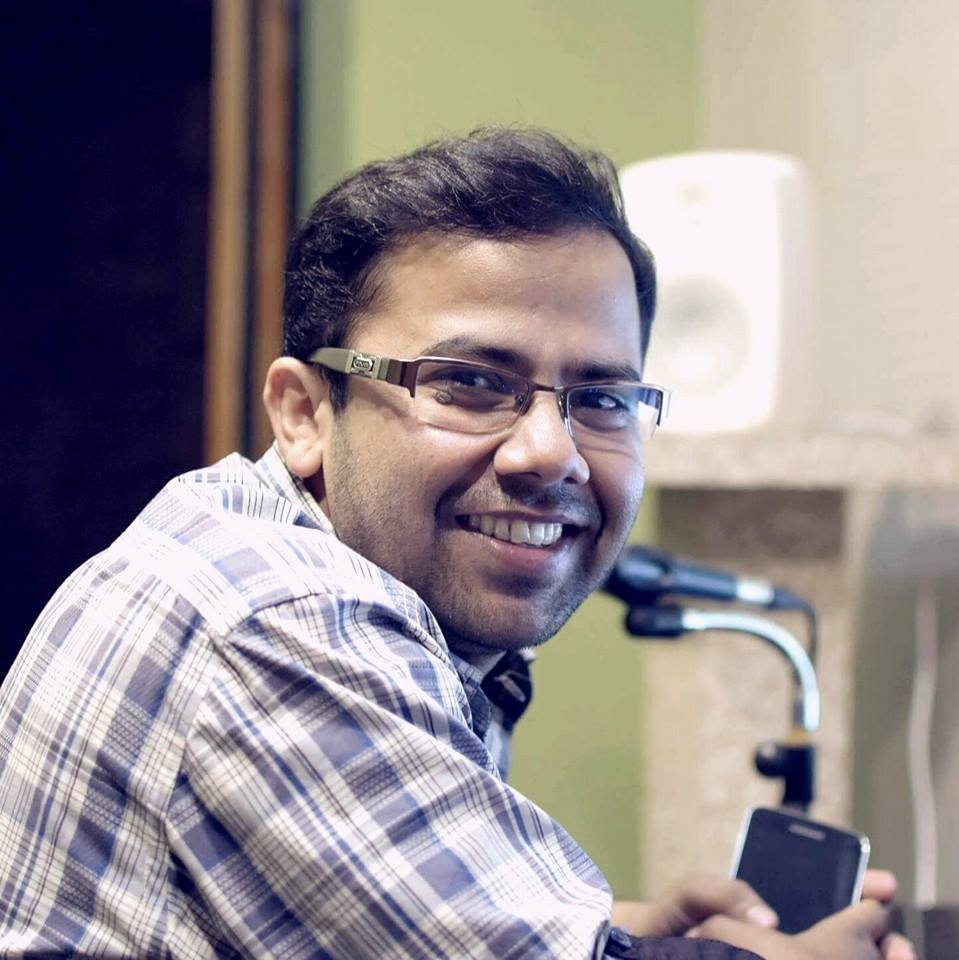
Hari Lamsal is a singer and music composer of Nepal. He has given music to many songs including Paranai Dinchhu, Paniko Foka Jastai, Kasle Suruwaat, Parda Pachhadi, Najau tadha, Ma ta ekkaisau sadi, Timilai Kehi Hudai Nahos etc.
Hari Lamsal
Music Director
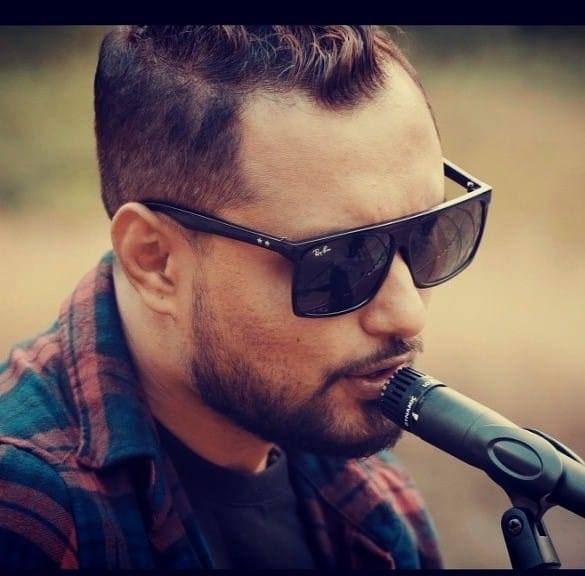
Kamal K Chhetri is a Nepali Singer, Composer & Lyricist who started his first recording song in 2000 with the titled "Jalai diye Huncha" in a collection album called "Jhari". He came into limelight after the successful hit of titled track "Nachana" song of a solo Nachana album released in 2006. His solo hits "I love you " were hugely applauded by the audience in 2014 and "I love you too" in 2016. Since then he released a solo song and finally he released his fourth album "Bunga Lafa" in 2019. Despite the fame, he took long breaks to complete his study and Finally he came with the second and third album "Nachana Volume 2" in 2012 and "Ma Runna Bhanthey" in 2013 consecutively. Kamal K Chhetri is born on May 31st, 1984, in Hetauda-9 Makawanpur from a father Late Gyan Bir Chhetri and Mother Gayatri Parajuli. He is one of the versatile singers who started his carrier from slow pop-rock to R&B, Classical, Pop, and Adhunik. He is an experimental singer and always tries to do something new with his music.
Kamal K Chhetri
Music Artists

Anjila Regmi
Music Artists

Mallika Karki is one of the famous singers of the country. Originally from a remote village in Morang, she made this far despite a limited opportunity. She has done duet with several national and international artist including Udit Narayan Jha, Kumar Sanu, Ramkrishna Dhakal and Kumar Kancha. She started her singing career in 2064 BS with the duo song with Udit Narayan Jha titled ‘Laaj ko Lali’. She is known for her hits like ‘Yeti Dherai Manche Haru Ko Bhid Maa’, ‘Timile Nasamjhida Maya’, Aakhai Ma Rakhu Ki’ and ‘Kasari Kasari Aayou’. Her melodious voice entitled her to prestigious awards like Kalika Music Award, Sagarmatha Music Award, Music Khabar Music Award and Bindabasini Music Award.
Mallika Karki
Music Artists, Singer/ Performer
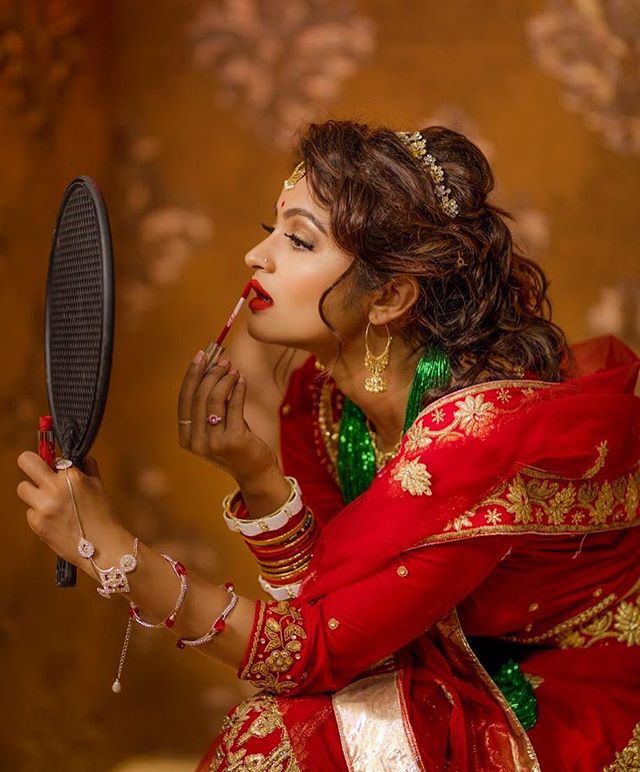
Jebicca Karki is a Nepali film and music video Actress. She initially performed a short comedy on 'What's the FLOP' with Sandeep Chhetri. Now, She working in movies, music videos and advertisements.
Jebicca Karki
Actress
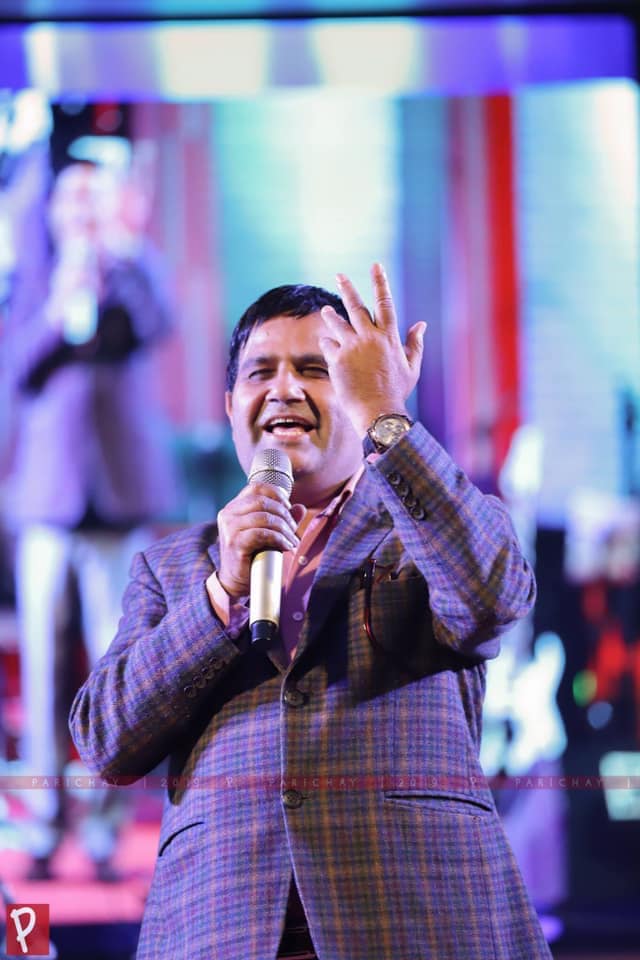
Manoj Gajurel, born on May 12, 1974, is a renowned Nepalese comedian, actor, singer, model, and a judge on the stand-up reality show called "Comedy Champion". His journey in the entertainment industry has been colorful and multifaceted. Let’s delve into some details about this talented artist: Childhood Manoj Gajurel was raised by his mother, Indramaya Gajurel, and his brother, Keshav Gajurel, after the untimely demise of his father, Bhawani Prasad Gajurel, just four months after Manoj’s birth. Despite facing challenges, he persevered and attended 11 different schools before finally completing his School Leaving Certificate. Career Education: Manoj completed his master’s degree in Mass Communication from Tribhuwan University. Early Acts: He kickstarted his career by performing acts and releasing audio cassettes like “Photocopy,” “HAHAHA,” and “ManojRanjan.” These releases gained popularity among his audience. Mimicry: Manoj is known for his spot-on mimicry of popular political leaders such as Puspa Kamal Dahal “Prachanda,” Gyanendra Shah, Narendra Modi, and Donald Trump. Stage Performances: He has graced stages across Nepal and various countries, showcasing his talent and humor to diverse audiences. Notable Works Filmography: “Pooja” (2010): Manoj played a role in this film, earning him the Best Actor in a Supporting Role (Male) award at the Kamana Film Awards 2076. “100 Kada 10” (2019): Another notable film where he showcased his acting skills. Television: “Comedy Champion” (2019): Manoj served as a judge on this popular stand-up comedy show.
Manoj Gajurel
Comedian Artists, Stand-up Comedy
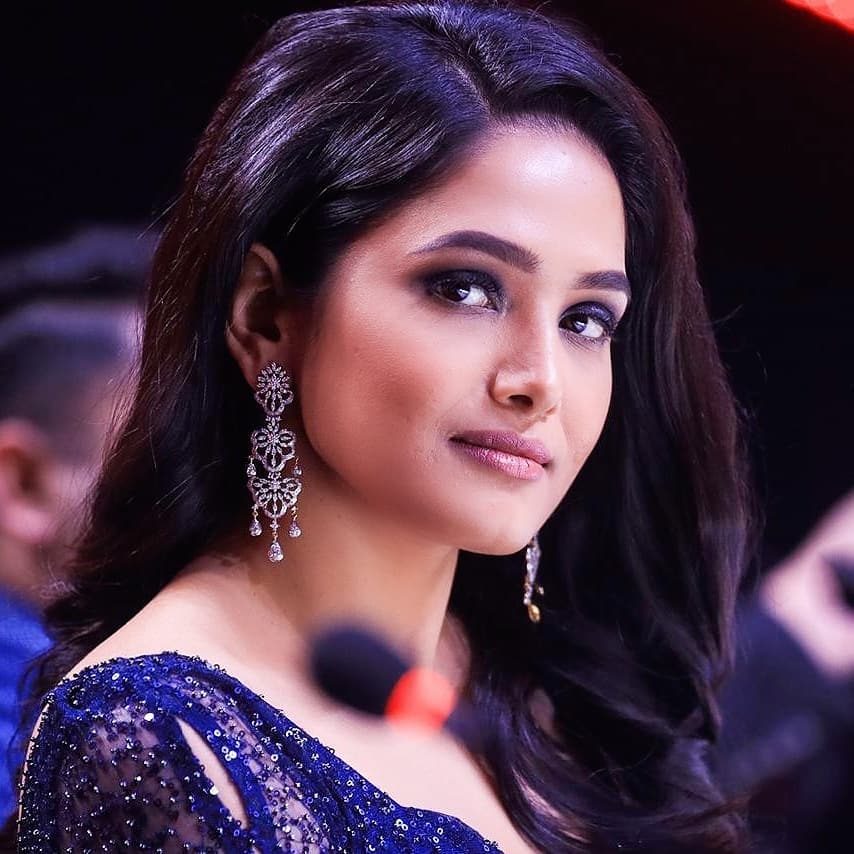
Indira Joshi is a prominent Nepalese singer, model, and dancer, often referred to as the "Nepali Shakira" due to her dynamic stage presence and dance moves. Born on July 18, 1990, in Parasi Bazar, Nawalparasi, she began singing at a young age, inspired by her grandmother's love for Bhajans. Her career took off after participating in the singing competition "Nepali Tara," where she was the only female finalist. She is known for her hit songs like "Udhreko Choli," "Rato Ghanghara," and "Behuli," and has also served as a judge on reality shows like Nepal Idol. Indira Joshi continues to be a celebrated figure in Nepalese pop music and entertainment
Indira Joshi
Music Artists, Singer/ Performer

Anna Sharma, also known as Annapurna Sharma, is a talented Nepalese film actress. She made her debut in the film “Jerryy”, where she starred opposite Anmol K.C.. Following her successful debut, Anna continued to shine in the Nepali film industry. Let’s explore more about her: Debut Film: Anna Sharma’s first film was “Jerryy”, where she portrayed the character Akanshya123. The movie marked her entry into the world of cinema, and she left a lasting impression. Notable Works: “Gangster Blues”: In her second film, “Gangster Blues”, Anna played the role of Aarzoo opposite Aashirman DS Joshi. “The Man from Kathmandu”: Anna was part of Nepal’s first web series, “The Man from Kathmandu”, which featured an international and Nepalese ensemble cast, including actors like Gulshan Grover, Hameed Sheikh, and Jose Manuel Anna Sharma’s journey in the entertainment industry has been remarkable, and her talent continues to captivate audiences. 🌟🎬
Anna Sharma
Actress

Astha Raut is a singer from Nepal. Her first hit song was a remix song Saal Ko Paata Tapari from a collection album Addiction 2. She received the Hits FM Music Best Female Pop Vocal Award in 2014. Her second song Maya Yo Maya was from the movie Maya's Bar. She started singing at a very early age, since her family background is all musical. Her father himself is a famous folk singer and her mother is a lyricist, so she got full support for her singing career. Aastha sang many songs for nepali movies and is growing as a successful Playback singer. She has released her Debut Album "AADHAR" On 17th Aasad 2070 which includes 7 songs of different Genres.
Astha Raut
Music Artists, Playback Singer
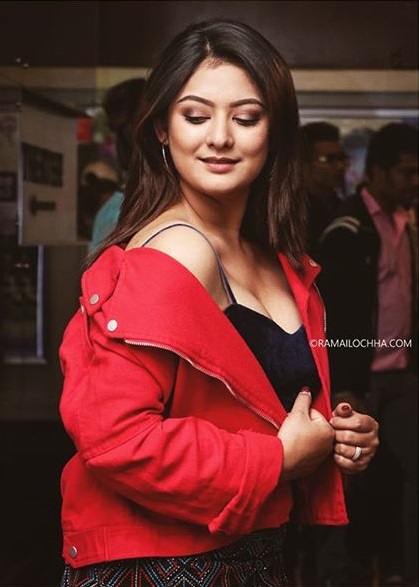
Barsha Raut (born 14 December 1993) is a Nepalese actress and a professional model known for her work in Nepali entertainment industry. Barsha Raut has appeared in numerous music videos, television commercials and Nepali feature films. She started her career as a model with the music video ‘Rojeko Maile’ in 2013. She then featured in several music videos before making it onto the silver screen. She made her acting debut with Nai Nabhannu La 4 opposite Paul Shah and Aanchal Sharma who were also debuting as an actor. The film was a huge blockbuster at box office. Her most notable works to date as an actress include industry hit Chhakka Panja, Jatra and their sequel Jatrai Jatra, Chhakka Panja 2, Chhakka Panja 3, Mr. Jholay and Gopi,. She has been awarded most for her acting and character in the movie Jatra. However, she has owned awards from her other movies too including debut actress.
Barsha Raut
Actress
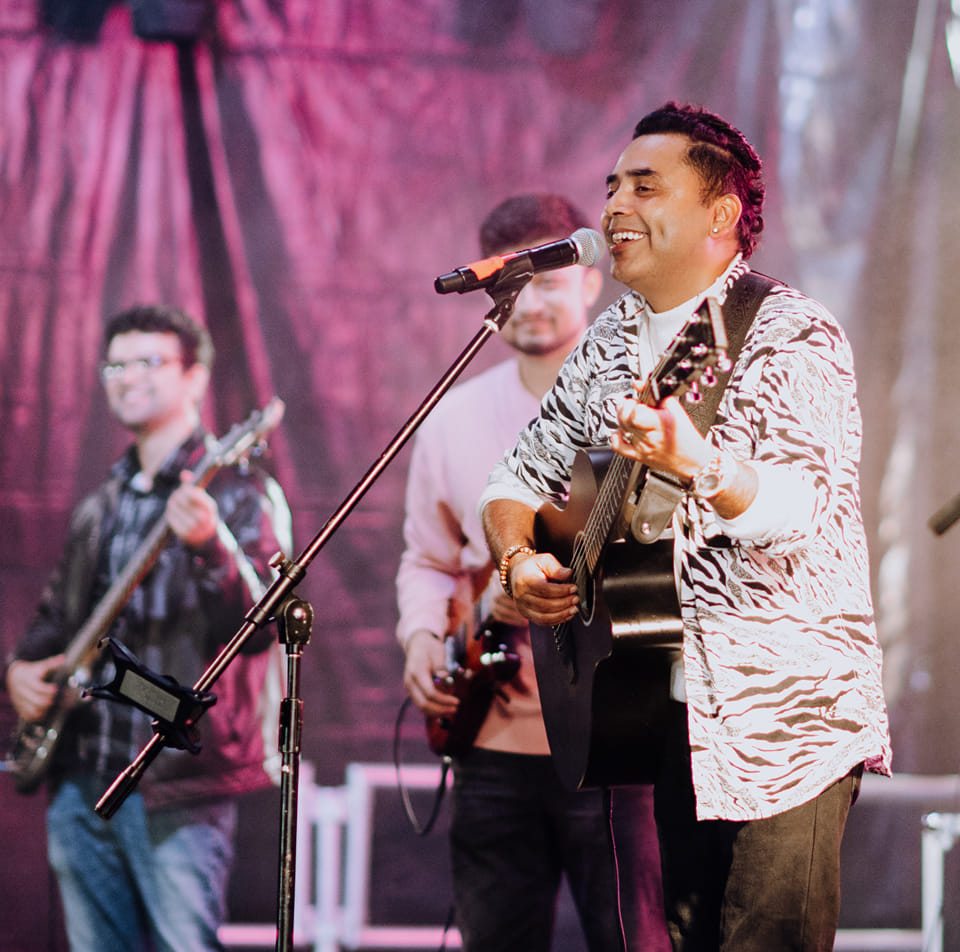
Kali Prasad Baskota is a Nepali singer, musician and lyricist.Baskota was a judge on the first, second and third Nepal Idol Reality show.
Kali Prasad Baskota
Music Artists, Music Director, Playback Singer

Rohaani Lama is a Nepali model and dancer. She started modeling through ArtistNepal. She has played many music videos. She is also a skilled dancer.
Rohaani Lama
Classical / Traditional Dancer, Model
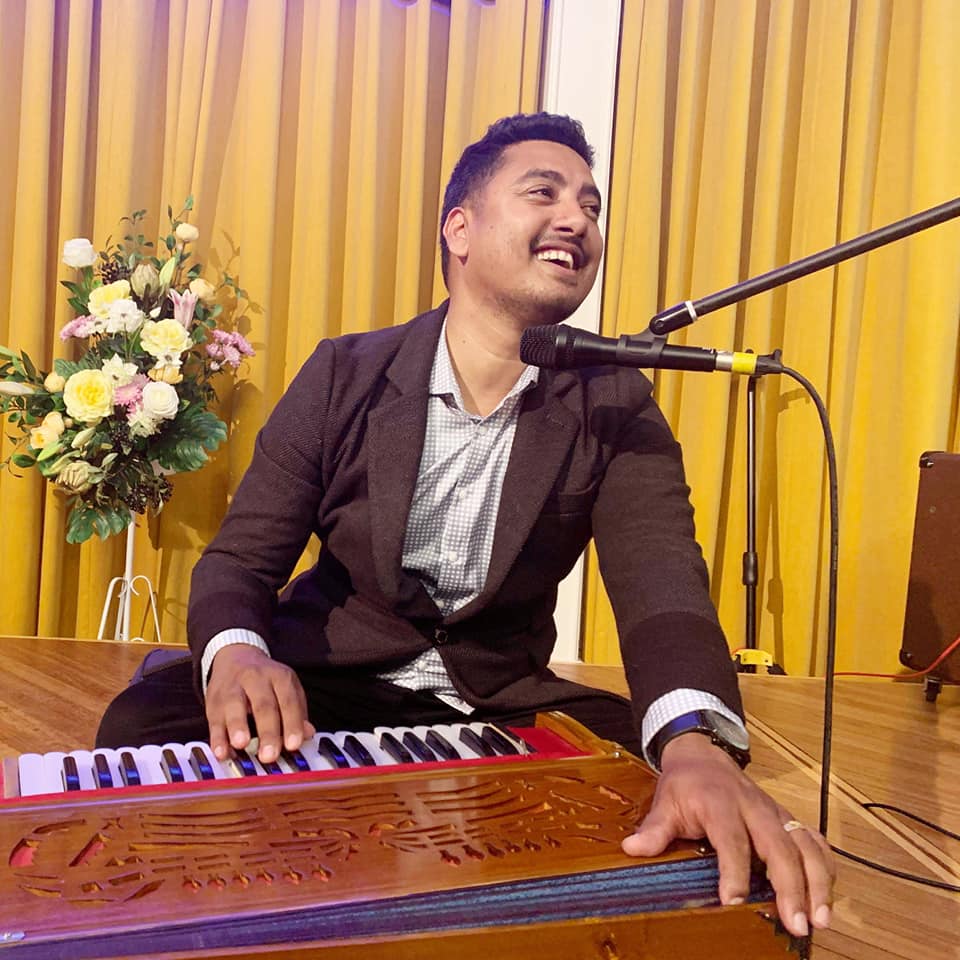
Amrit Chhetri is a versatile nepali singer/lyricist and composer since 2059 in Nepali music industry.He has 2 album Arrival and someone.Tyo din aayena jogi and Maile herne yeuta tara hit song from Arrival album in 2061/62.Mero antim ichchya and bolayeu Isharale hit song fro second album.Now Chalchha Nepalma is another hit song in Nepali music industry and it is a realistic song. He is a Founder/Director of Surshala Music Academy which is located at Jhamsikhel, Lalitpur, Nepal.Surshala is established in 2008 and this is ine of fine music academy in Nepal.
Amrit Chhetri
Music Artists

Dharmendra Sewan is a Nepali singer, songwriter, composer and performer. He released his debut single "Yo Andheri Raat" in 2002. He started his career a band called Damage Glitters. Later he had a solo career as a singer in venued in Lakeside, Pokhara. Sewan auditioned for season 1 of Nepali Tara by singing "Aba Chotharule Piroldaina Malai" from the movie 'Allare'. He ended up as a first runner-up in 2005 behind winner Deepak Limbu.
Dharmendra Sewan
Music Artists
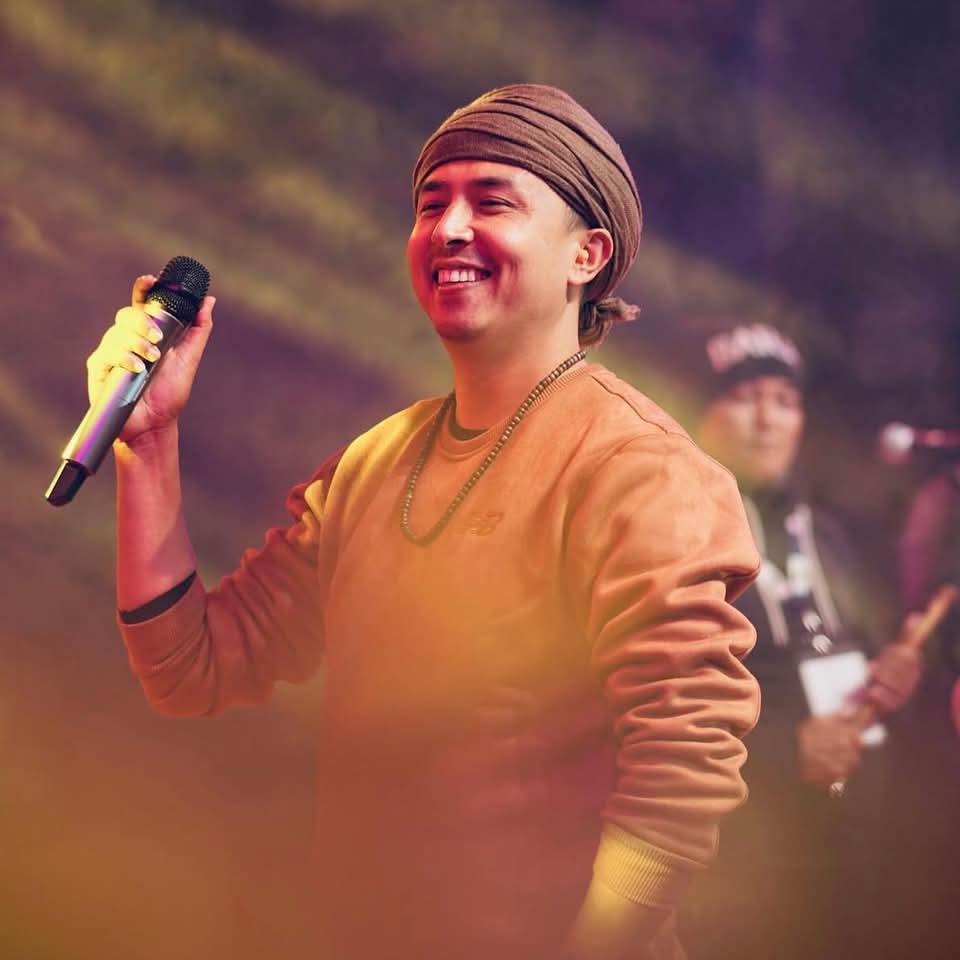
Pushpan Pradhan is a well-known Nepali singer and educator who has made significant contributions to the Nepali music industry. He is celebrated for his unique style and soulful voice, which have earned him many fans in Nepal and beyond. Some of his popular songs include "Panchi," "Thuldaju," "Sarara," "Sakne Bha Ta," and "Indure Mindure". Pushpan Pradhan was born on November 25, 1982, in Jalpaiguri, India. He started his music career at a young age and has released several albums over the years. He is also known for his educational background and has completed his schooling in India
Pushpan Pradhan
Music Artists
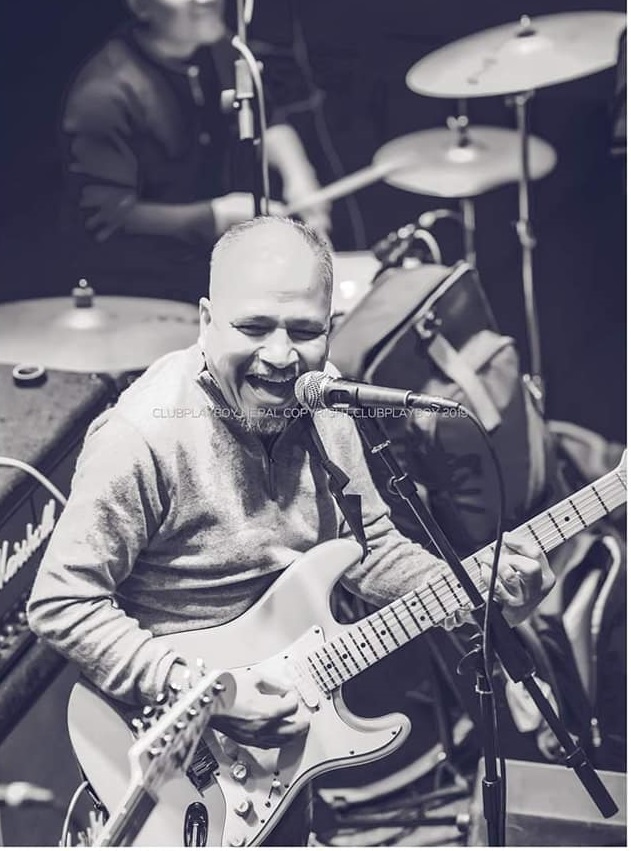
The ever-young Jyoti Ghimire is known for his contributions in helping shape Nepal's contemporary rock scene to its present state. In his musical journey spanning over three decades, the guitar virtuoso has given hits like 'Anjaan', 'Maski Maski', and 'Nashalu'.
Jyoti Ghimire
Music Artists, Guitarist

Rista Basnet is a nepali actress & model. is new in this field. She is the daughter of beautician Bipana Basnet. She debuted in movies with the movie "Hostel" She has also done some music videos and advertisements. Filmography: Hostel (2013) Debut Euta Sathi (2014) Yo Katha Ho Timro Mero (2014) Aadha Page (2014) Adhakatti (2014)
Rista Basnet
Actress
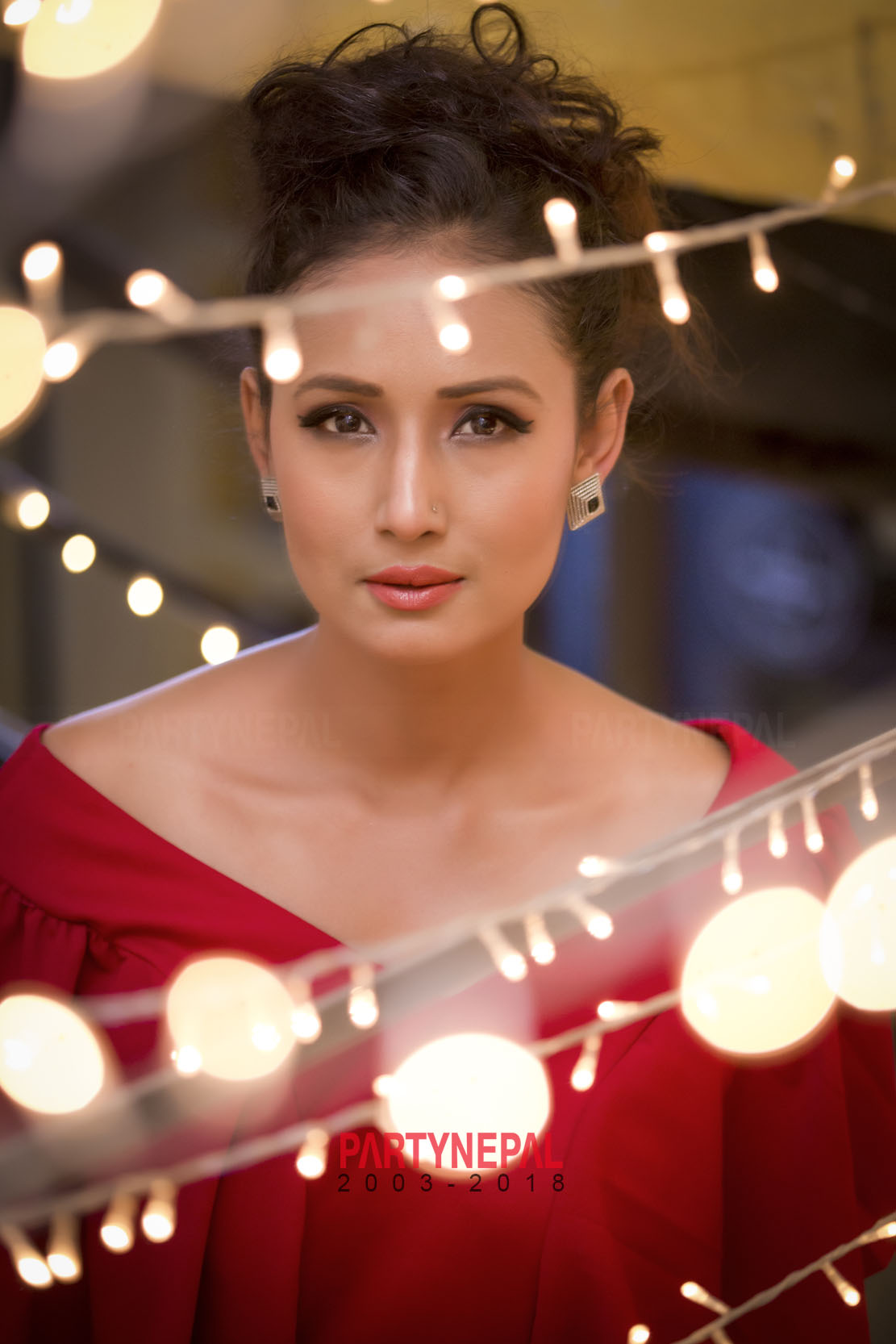
Deeya Maskey started the journey of an artist as a dancer. The actor, dancer and currently one of the judges of the popular reality show Himalaya Roadies in her words "practices" all forms of art. From street theatres to mainstream movies, Deeya Maskey has the appearance of a tough perfectionist that subtly hides her humble demeanor. Being involved in the entertainment industry [professionally] for more than a decade with a debut in the film "Kagbeni", Deeya expresses her passion for what she does and says she wants to be a performer as long as she lives.
Deeya maskey
Classical / Traditional Dancer, Actress, Theatre Artists
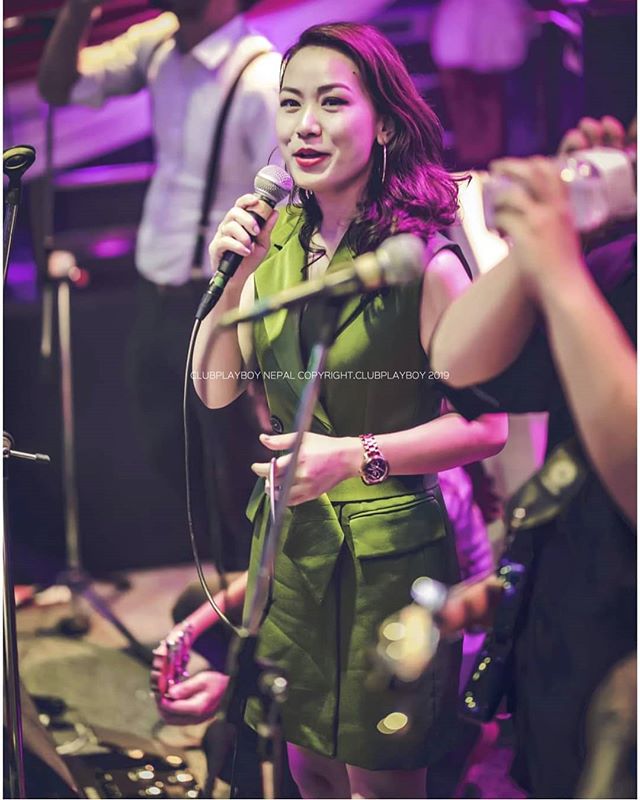
Trishna Gurung is a young Nepali singer, songwriter, and composer who is popular among the Nepali Youngsters. She is one of the most beautiful singers in Nepal. She entered into the Nepali music industry from the song Daiba Janos. But one of the most popular songs Khani Ho Yamu made her establishment in Nepali music industry.
Trishna Gurung
Music Artists
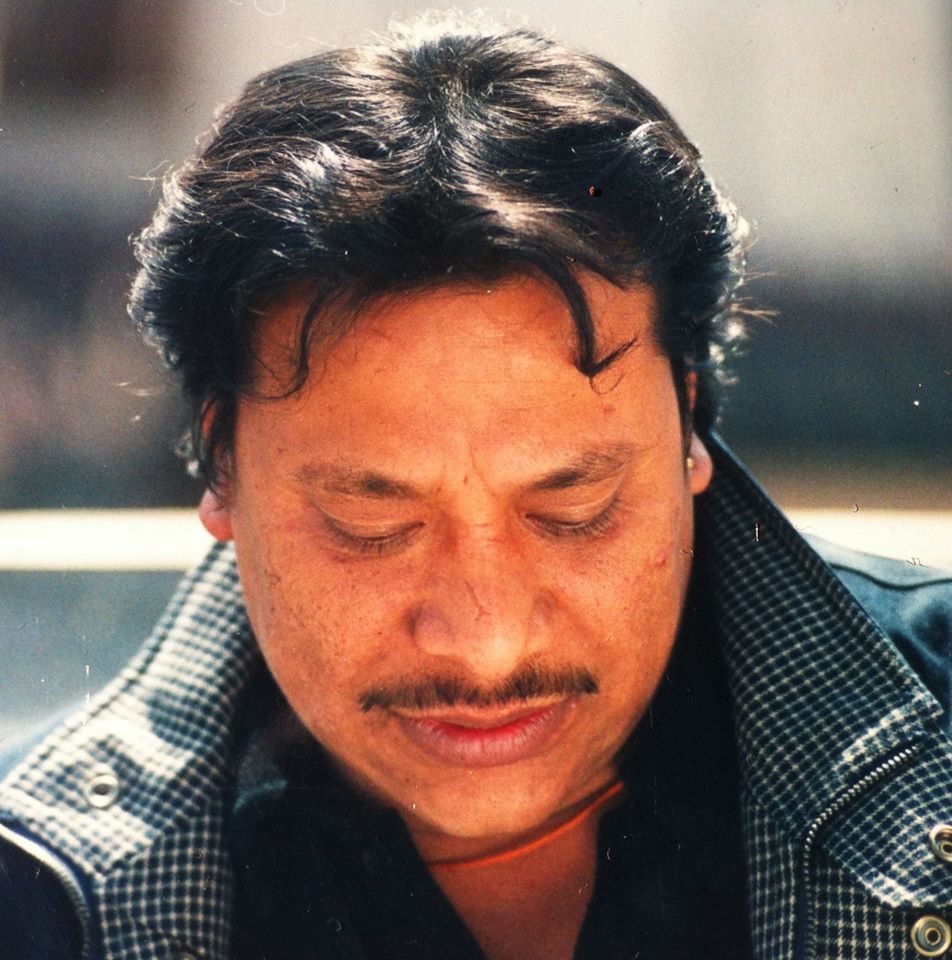
Sahendra Shrestha is a popular media personality. After working for Image Television for a long time, Sahendra Shrestha joined Himalaya HD Television. He has directed more than 150 music videos and television commercials. He brought a revolution in entertainment programs. He has taught many artists and many television presenters how to work.
Sahendra Shrestha
Music Video TVC Director, Media Personality

Karuna Shrestha is an actress & Model. karuna Shrestha has started her modeling journey by winning the title of Miss Collage in 2011. Gorgeous Karuna have walked in the ramp severall times. She did modeling for student debit card in the TV commercial and featured in famous music video “Ko Hola Tyo-2”. , As a heroine, she worked in Kathaputali and 100 Kada 10 (2019).
Karoona Shrestha
Actress

Bishwa Nepali is a versatile singer.his genre is semi classical.he is also associated with Rudra Band the folk and fusion band.
Bishwa Nepali
Music Artists, Playback Singer

Subani Moktan is a singer/songwriter and also a music arranger. Besides her own independent music, she also works as a playback singer for movies. A teacher at Kathmandu Jazz "Conservatory, Subani Moktan plays the guitar and piano and collaborates with several bands. Subani started doing music early since she started learning the piano when she was 6 and winning her first award by securing the first position in the All Nepal Singing Competition organized by Bal Mandir when she was 7. She recorded her first song at Radio Nepal as an award for winning the competition. At 14, she took up the guitar and started collaborating with artists such as Nirnaya da NSK and Khem Gurung. At 16, she won the Hits FM Music Award for Best New Artist. After the release of her 2nd album, Subani was awarded the HITS FM Music Award for "Best Pop Vocal performance Female". Several collaborations and recordings later, at 2010 she was nominated at the HITS FM Music Awards for "Best Rock Artist" and "Best Rock Composition". Subani continues to write and record her own songs along with collaborations with other artists.
Subani Moktan
Music Artists, Voiceover Artist

Hi, I am sanjita giri representing myself from dahachowk, Kathmandu. I believe real model don't go with trend they set the trend and aim to become a role model.
Sanjita Giri
Model, Runway Model, Promotional Model
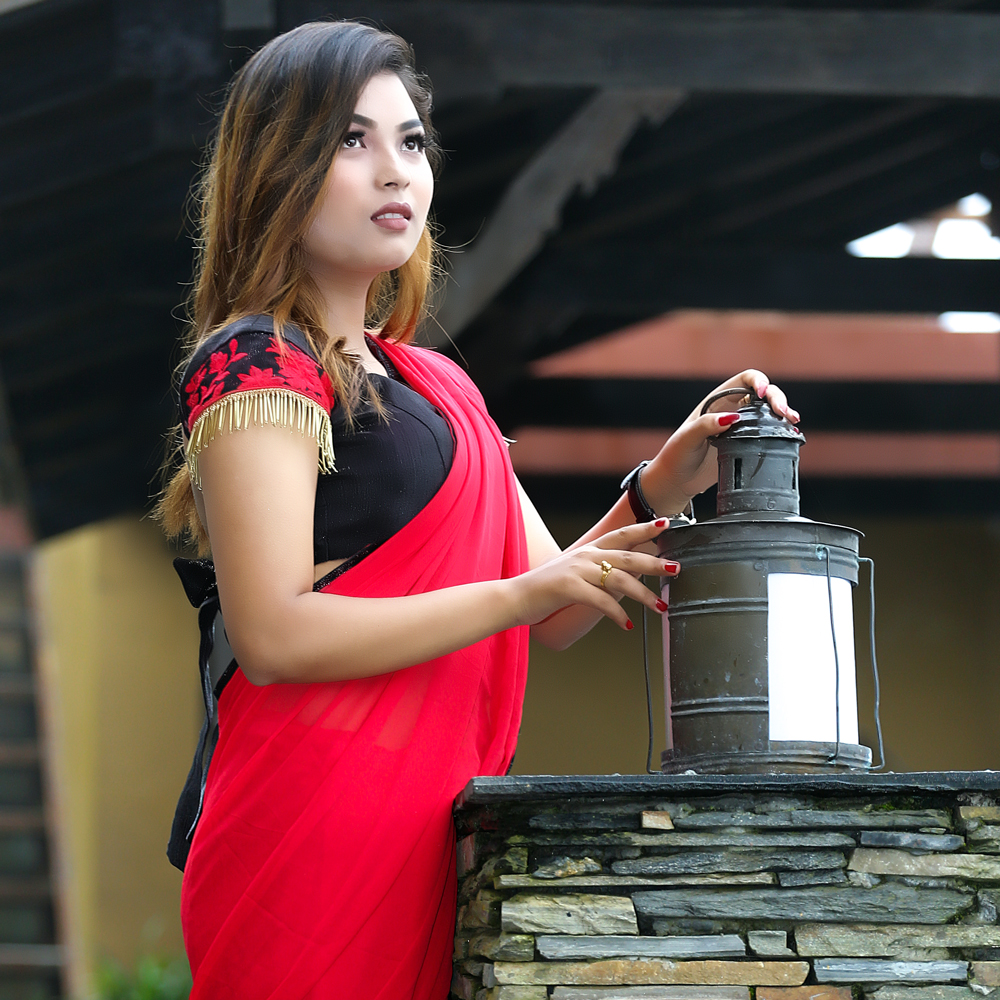
#DJ #model #musiclover
Barsha Maharjan
Model, DJ/Producers

Music video Model Dancer & Stage Performer model
Nisha Lama
Classical / Traditional Dancer, Model

WINNER OF MISS NOBEL NEPAL 2019 Model From ArtistNepal
Priya Malla Thakuri
Model, Runway Model, Promotional Model
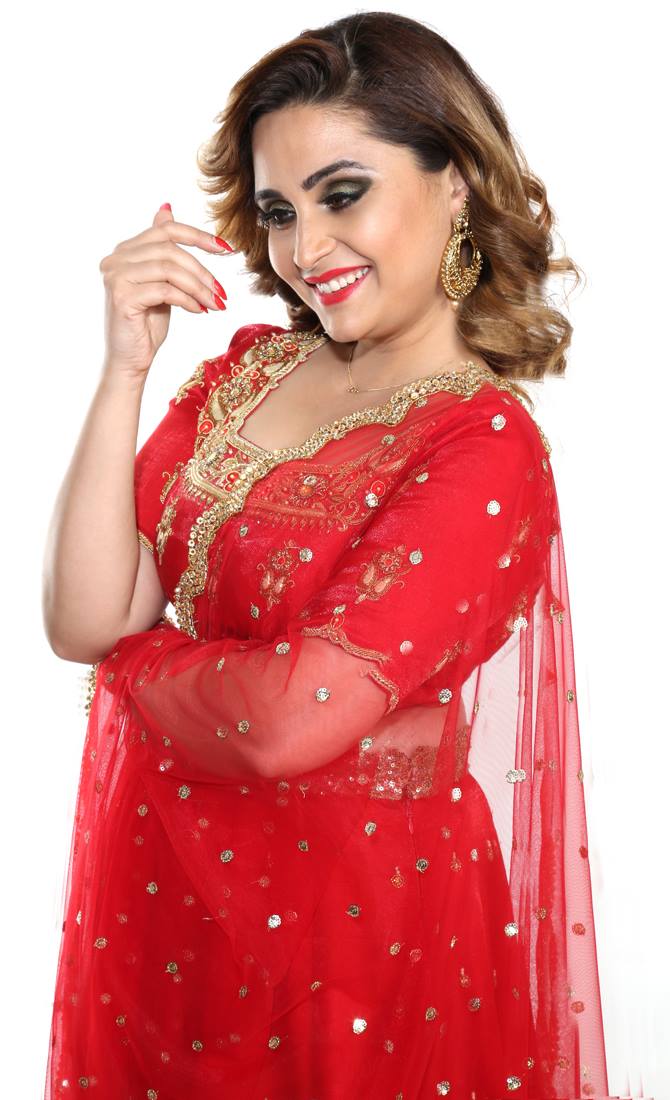
Sanchita Luitel is a renowned Nepali actress known for her contributions to the Nepali film industry. Born on May 2, 1983, in Kathmandu, Nepal, she has been active in the industry since 2001. She gained recognition for her performances in various films, including Apsara (2001), Muna Madan (2003), Kohi Mero (2010), Dasdhunga (2010), Radha (2016), and Hajar Juni Samma (2019). She was previously married to Akash Shah, but later married Nikhil Upreti, a fellow Nepali actor, in 2009. The couple has two children together. Over the years, she has established herself as one of the leading actresses in Nepal, known for her versatility and strong screen presence.
Sanchita Luitel
Actress

Miss Gorkha -Winner of Best photogenic Photoshoot at - ArtistNepal Studios
Manju Dhakal
Model, Promotional Model

Sarala Thapa
Model
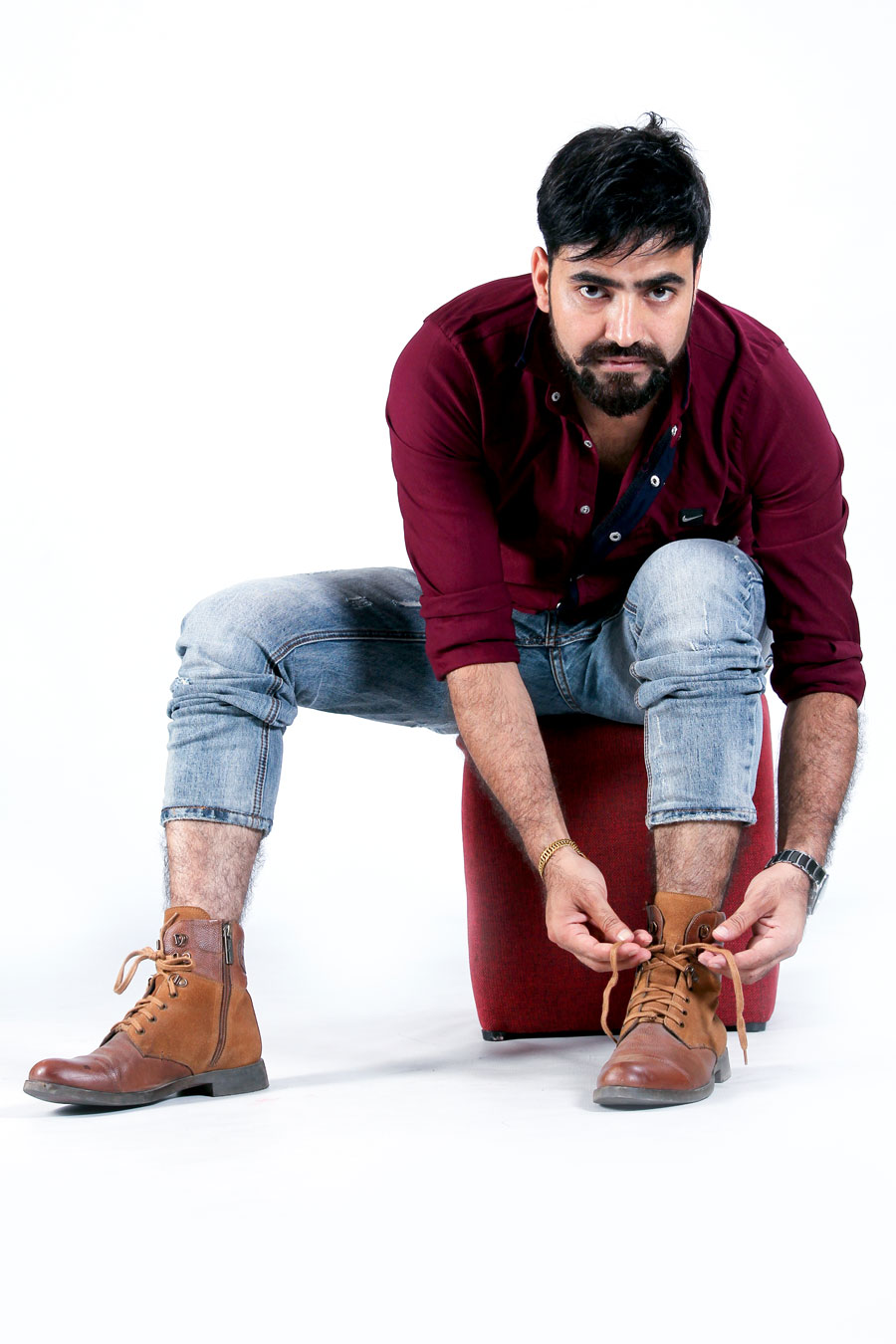
Nayan Dc is a music video model and dancer. He has acted in many music videos and some commercials. He is also a successful zumba and aerobic instructor.
Nayan DC
Classical / Traditional Dancer, Model