
Explore Artists
Browse through 2,004 talented actors, musicians, dancers, filmmakers and creative professionals from Nepal.
2,618
All Artists
194
Actor
222
Actress

Saru Shrestha is a new Nepali model. She's started her modeling journey from ArtistNepal. At 5ft, 2 inches tall Saru has experience the Fashion Show & Beauty pageant. This photo taken by Kuber Tamang of ArtistNepal Studios and Gauri Rumba Shrestha in makeup.
Saraswati Shrestha
Model, Runway Model
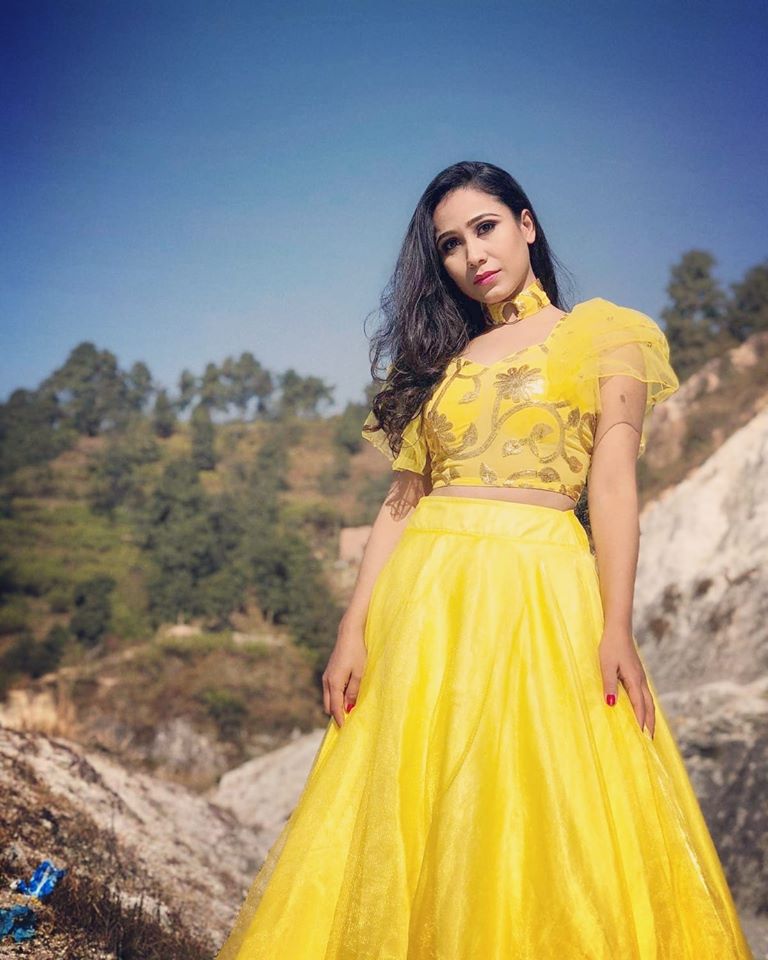
Shamita Shrestha is a Nepalese singer and model. She initially got 'Best Photogenic' by participating in a pageant called "Mrs Beautiful Nepal" and later acted in the song "Maya garchhu" as the first music video. Now making her first musical gift "Mutu ra Timi ma", with the introduction of the model itself. Which was directed by ArtistNepal.com founder Nava Dhungel.
Shamita Shrestha
Music Artists
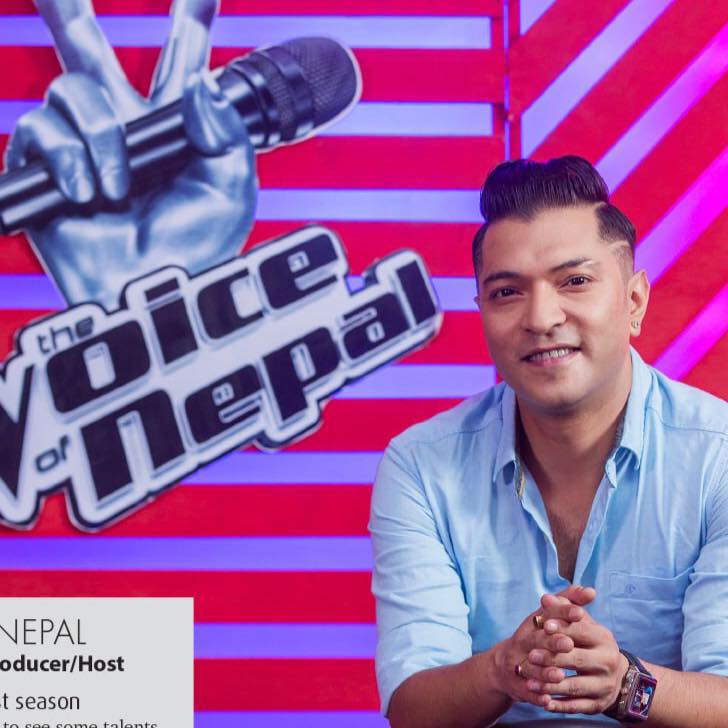
ushil Nepal is a well-known media personality, radio jockey (RJ), and video jockey (VJ) from Nepal. Born on November 7, 1978, in Kathmandu, he has been a prominent figure in the Nepali media industry since 1997. Career Highlights Television and Radio: Sushil has worked for various television and radio stations, including Kantipur Television, Image Channel, and Radio Kantipur. He has been a senior producer, actor, and host, contributing significantly to the Nepali entertainment industry. Popular Shows: He is best known for hosting popular singing reality shows like "Nepal Idol" and "The Voice of Nepal". His engaging presentation style has made him a favorite among audiences. Current Work: Sushil is currently the executive producer and host of "The Voice of Nepal".
Sushil Nepal
Radio Jockey [RJ], Media Personality, Video Jockey (VJ)
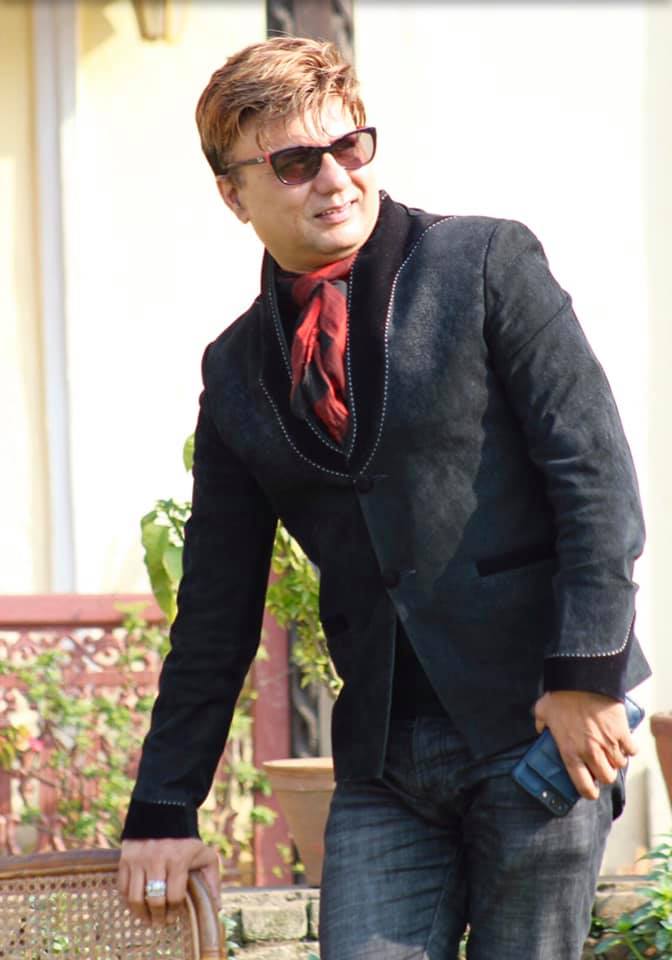
UZZWAL BHANDARY is a renowned comedian of Nepal. He has been acting in theaters, TV and cinema for the past 30 years. He is also a successful businessman, artist and program presenter. UZZWAL BHANDARY who is popularly known as Ujju Darling is the host of the longest talk show named ‘Ujju Darling.’ The popularity of Ujju Darling reached the soaring height with his totally out of the box concept that is different from other conventional shows. With the successful 600+ on air episodes, ujju darling has also made a record as the host of longest talk show[2007 t0 2018] program. The program was prepared by Nepal1 television more than 11 years ago and since then, Ujju Darling never had to turn behind.The show ujju darling is directed,concept and script also uzzwal bhandary himself
Uzzwal Bhandari
Actor, Comedian Artists, TV Producers
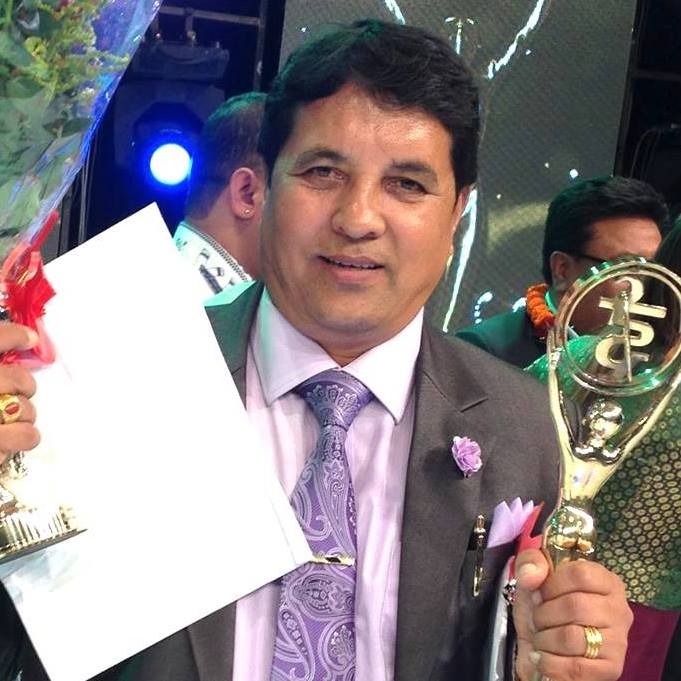
Nabin Dhungel is a well-known name in the field of Nepali folk songs. He has recorded almost 50 songs on Radio Nepal, and many of his songs have become popular among folk music lovers. Nabin Dhungel became the first in the national folk song competition in 2038 B.S. The song he sang for the first time in his life, "Kaacho Katara... Ma Janchhu Rangkhola Roka Motara," is still popular among folk lovers. Notable Songs "Machhi Marana Ho Dai Ho" "Dori Ko 3 Funda" "Sali Bhena" "Saikala Sarara" Musical Albums "Chari Himalama" (2048 B.S.) "Pipal Sangai Bar" (2043 B.S.) "Dori Ko 3 Funda" (2045 B.S.) "Purbeli Kanchho" (2056 B.S.) "Sali Bhena" (2059 B.S.) "Tirkha Metaideu" (2063 B.S.)
Nabin Dhungel
Music Artists, Folk Singer
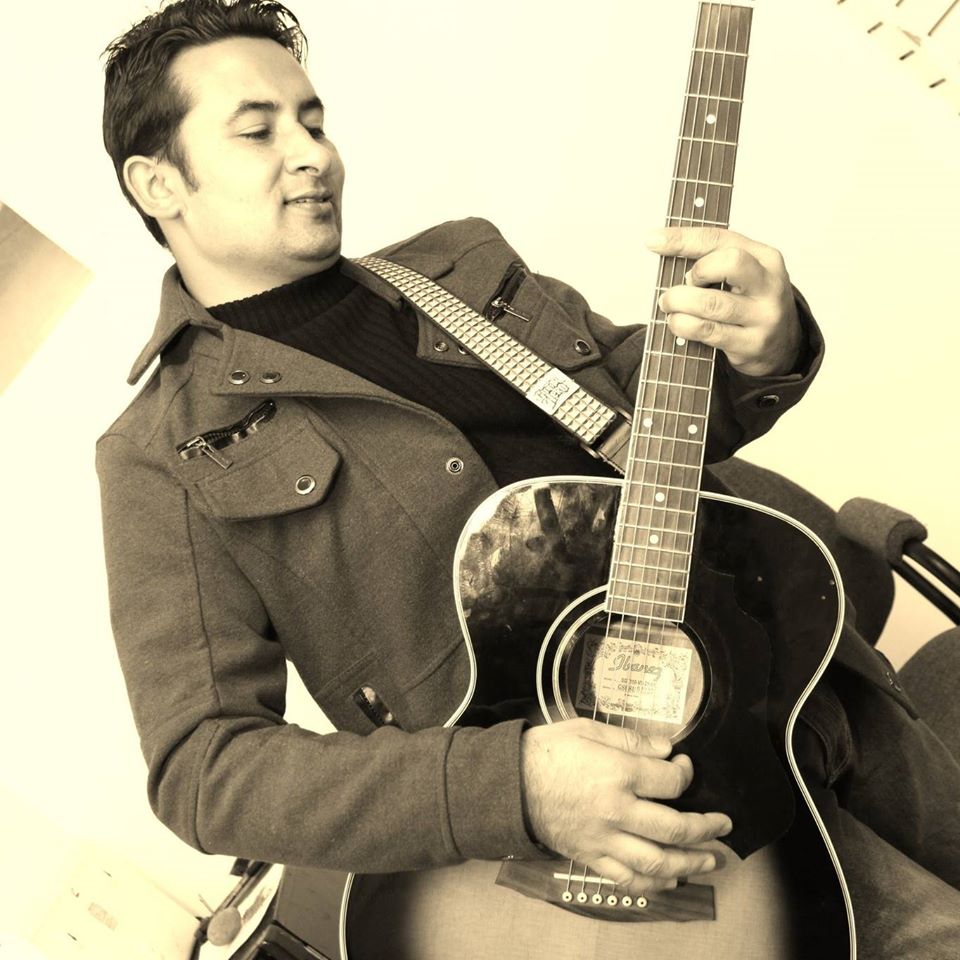
Avay Dhungel is a singer, musician and songwriter. Most of the songs they sing, they give their own words and music. Born in Okhaldhunga, Pokali VDC, folk singer Avay Dhungel recently lives in the US. Avay's father Nabin Dhungel is also a popular folk singer. Avay sang 'purbeli kanchho', 'supari jai ko mala', aakashaima are very popular songs, "Sali Bhena" is the most popular song he has given to music. Over two dozen songs have been voiced by Avay Dhungel so far and six albums have been released.
Avay Dhungel
Music Artists, Folk Singer
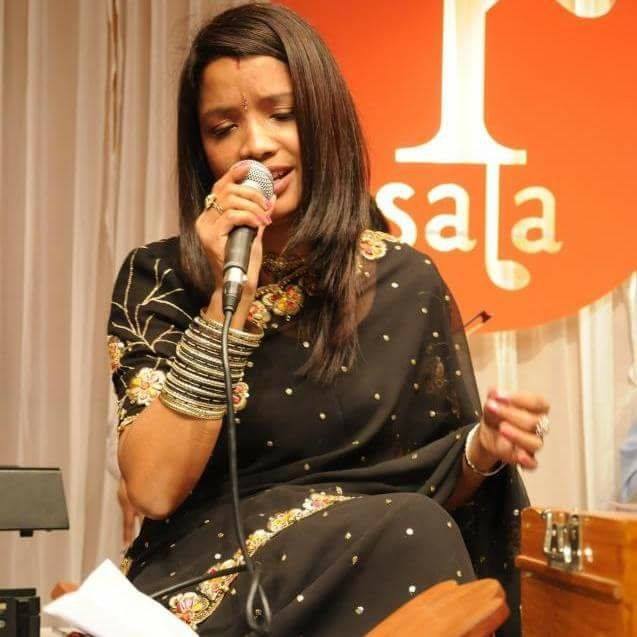
First entry in music: with children's song in Radio Nepal competition in 1985 First playback singing: ka bata kachhuwa chorus/ (movie- chot) First solo song: kasari samjhu ma( album-Bina Mausam ko Barsaat/1989) First solo album: Ragini (2003) No of songs: around 300 (nepali, newari, hindi, punjabi) No of album released: 22 First visualised Song: chithi pathauchhu (2003) Musical tours: -inside Nepal : Pokhara, Narayanghat, Nepalgunj, Solukhumbu, -outside Nepal: London,Bombay, Scotland, Switzerland,Beijing(china), Dubai Prizes won: Different prizes in cultural progrms by different organisations. NYC Celebrity singer of the Year 2006 in UK, Global motion picture award 2019 Dubai Recent released album: Revival(2014) Recently performed first solo program SUR SADHANA on magh 26 2076 at Sanskritik sansthan,nachghar, Jamal
Angela Singh shrestha
Music Artists
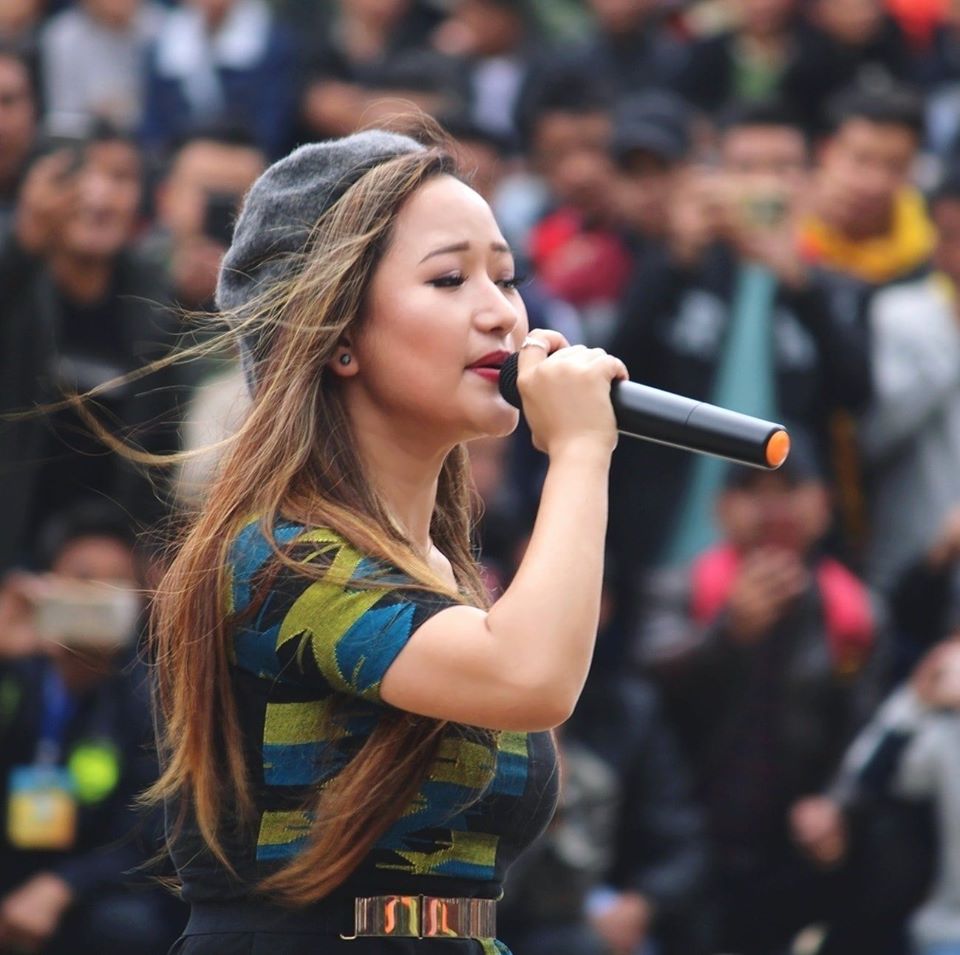
Melina Rai is Singer at Nepali music industry and most beautiful Nepali singer of beautiful song "Kutu ma Kutu" from Nepali movie "Dui Rupaiyan". Melina Rai is chorus singer and dance teacher, she started getting noticed after giving hits like "Kammar mathi patuki" and "Sirai ma sirbandi". Early Life Melina Rai is originally from Khotang district of Nepal, although she was born in Darjeeling and spent childhood there. Education Melina Rai started her schooling from Darjeeling but the age of 10 while she was in class 3, she moved to Kathmandu with their parents. Music Career
Melina Rai
Music Artists, Playback Singer
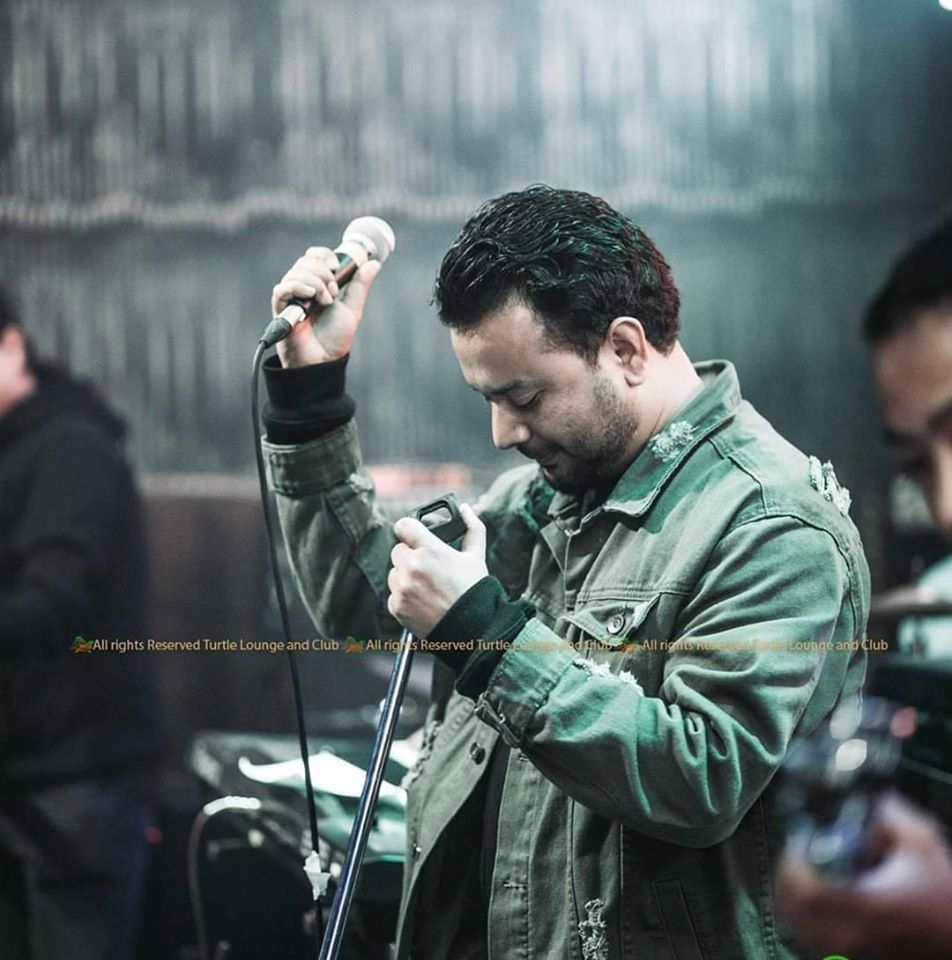
Sugam Pokharel was born 20 September, 1979 in Mangalbaaray, Morang, he is one of the most renowned singers of Nepali Music Industry. He was a very shy kid in his child days. He is also a popular RJ. Sugam Pokharel born in eastern Nepal is a highly acclaimed Nepali pop singer whose songs had created sensation in the Nepali pop music industry.He is well known as both singer and composer. He is the youngest child of two brothers and two sisters. From his earlier life he had an interest in music and used to sing in his school function and gatherings etc. His voice is his pride. His childhood days were in Biratnagar. He used to listen the songs of Sanjay Shrestha, Deep shrestha and Harish Mathema which unknowingly influenced him towards his destiny. Sugam Pokheral began his singing career when he was in teen age. He got job as an RJ in Radio Sagarmatha.Soon after his SLC,he rushed away to kathmandu as all the students do to search a way for the aims and ideas.Initially having no desire to sing a song as a professional singer or having not any aim to be a singer, later he thought of recording a song and had a wish to record a song.
Sugam Pokharel
Music Artists, Playback Singer
The term "wildflower" conjures images of untamed landscapes, awash with color and teeming with life. In the context of home gardening, wildflowers represent an opportunity to bring a slice of this natural beauty into our own backyards. The allure of wildflowers lies not only in their aesthetic appeal but also in their ability to thrive with minimal intervention, making them a sustainable choice for gardeners of all levels.
Saman Maharjan
Magician
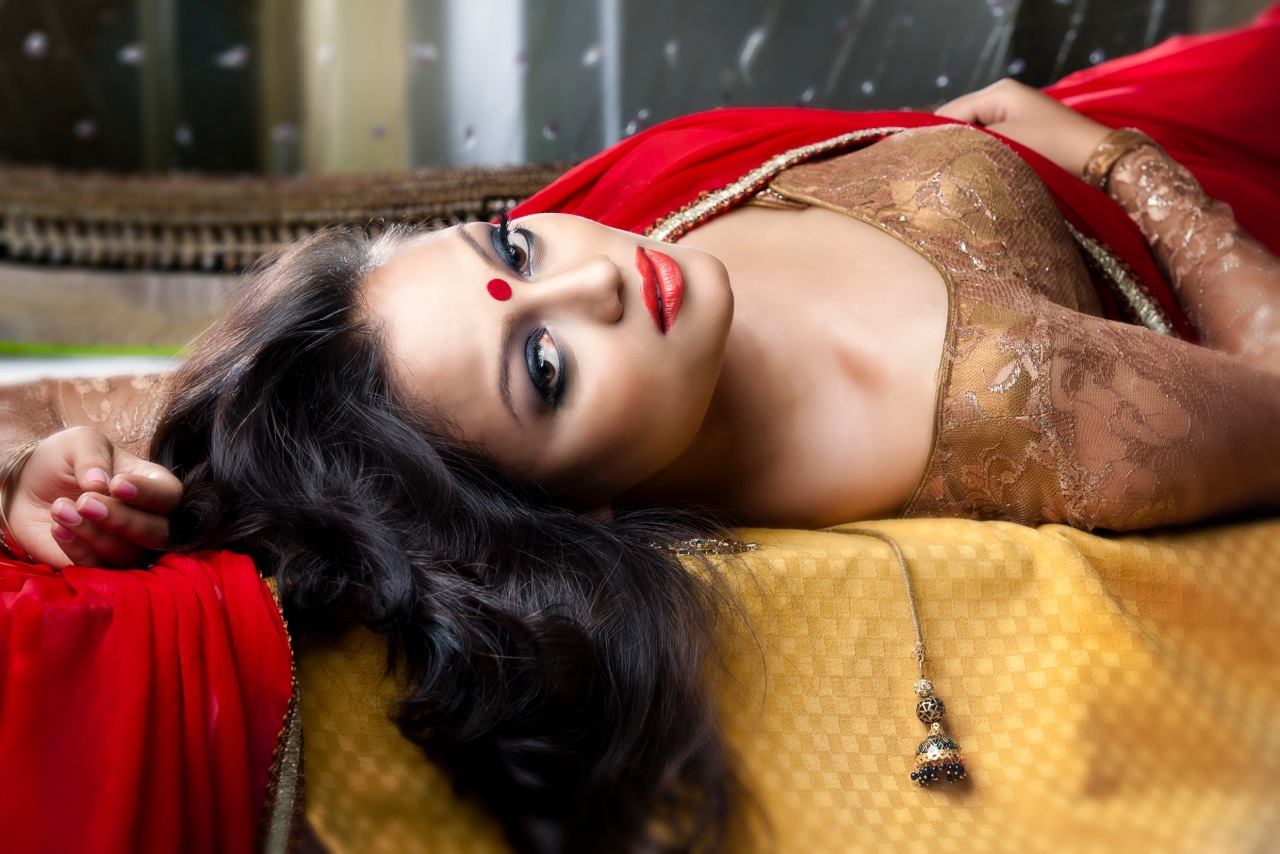
Reecha Sharma | A Nepali Actress also as Model who initially showed up as top 10-semi finalist in the Miss Nepal 2007 contest & also an admired appearance for her performance in music videos and ramps. She can also be recalled with her debut film First Love, trailed by MERO LOVE STORY, HIGHWAY, LOOT, VISA GIRL and UMA. Forthcoming movies like ZINDAGI ROCKS, JANGEY, TALAK JUNG VS TULKEY and KO AAFNO are pending. Also awarded with Critics Award 2014 for UMA she remains Youth Ambassador for Habitat of Humanity... Acting in few movies after she debuted in her first movie named First Love and her second movie called My Love Story. Beside that some movies like Highway and Visa Girl are ready for release. She is the one who was with lead role in Blockbuster movie "LOOT".
Reecha Sharma
Actress

Junu BK is a permanent resident of Dhanakuta, stay in Kathmandu. Due to her passion for dance, she started dancing at an early age while studying in Kathmandu. Having learned dance from AASTHA KALA KENDRA, she is passionate about dance in all genres including culture, hip hop, classical, modern. Currently she works as a dance teacher in some schools and cultures" she was Dance Instructor and choreographer at love of dance academy..
Junu BK
Classical / Traditional Dancer, Model, Actress, Dance Choreographer
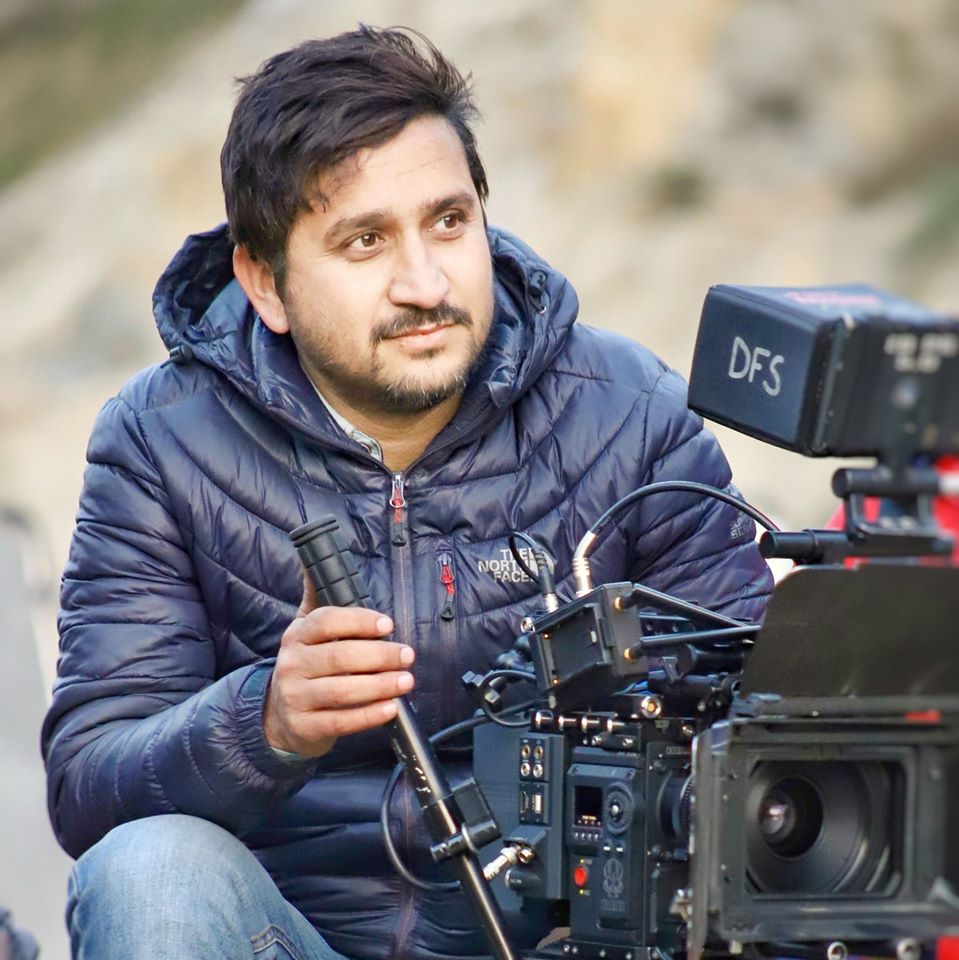
Arjun Tiwari is a highly skilled and busy cinematographer in the Nepali film industry. Here are some key highlights about him: Career and Contributions Early Career: Arjun Tiwari started his career in television but later transitioned to freelancing, where he has made a significant impact. Versatility: He has worked on a wide range of projects, including music videos, documentaries, TV commercials, and feature films. Reputation: Known for his expertise and creativity, Tiwari is one of the most sought-after cinematographers in Nepal. Notable Works Music Videos: Tiwari has shot numerous music videos, contributing to the visual appeal and storytelling of Nepali music. Reality Show: Tiwari has demonstrated his skill as DOP in popular reality shows of Nepal. He has been involved in 'The Voice of Nepal', 'Dancing Star Nepal', 'The Voice of Kids Nepal' among others. Documentaries and Commercials: His work extends to documentaries and TV commercials, showcasing his versatility and ability to adapt to different formats. Feature Films: He has also been involved in shooting feature films, bringing his unique vision and technical skills to the big screen
Arjun Tiwari
Cinematographer
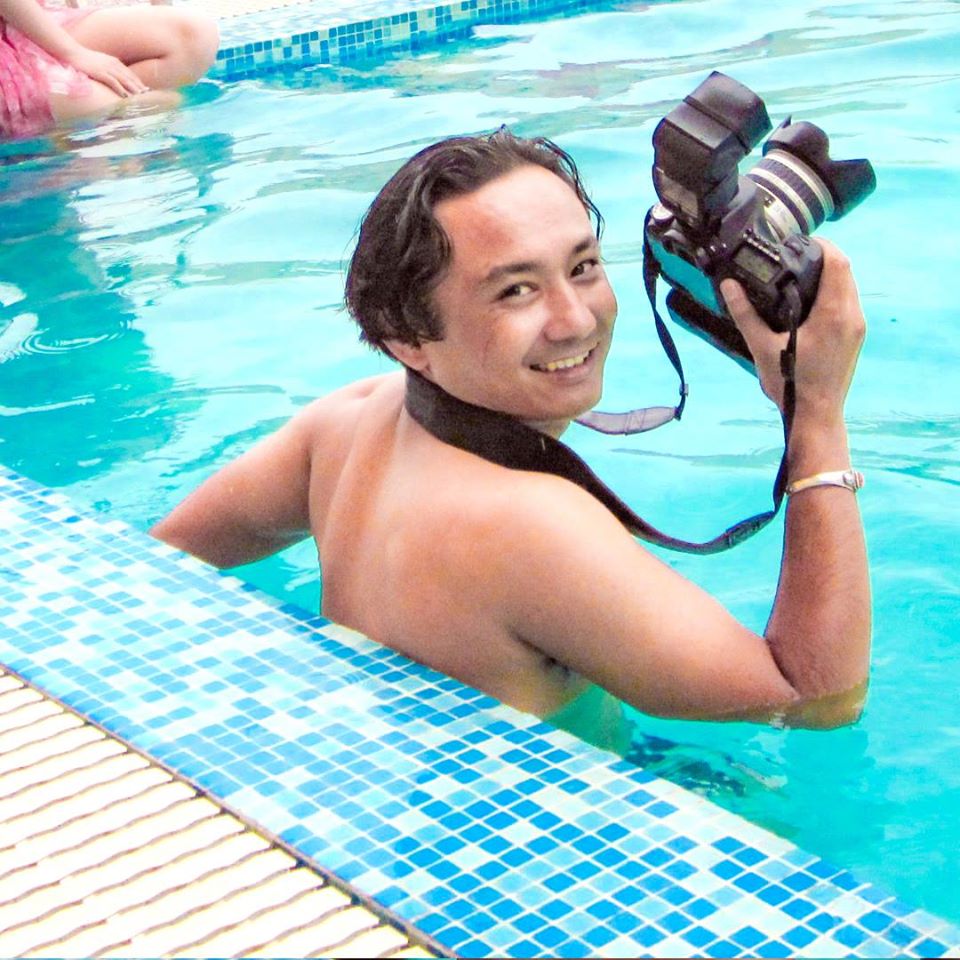
Kamal Shrestha is a Popular glamour & Commercial Photographer in Nepal. also Creative Graphic Designer & owner of glamournepal.com Since 1995, he has been working as a fashion and commercial photographer for many National News Papers as well as monthly Entertainment Magazines and Advertising Agencies in Nepal. Besides, photography Kamal shrestha associated with Video Production Companies and Ad Agencies as a freelancer videographer under he has done one movie, numerous Music-Videos, TV commercials, TV programs, Social TV Campaigns and many more. He has done numerous Album Cover Designs for Nepalese Singers too.
Kamal Shrestha
Photographer
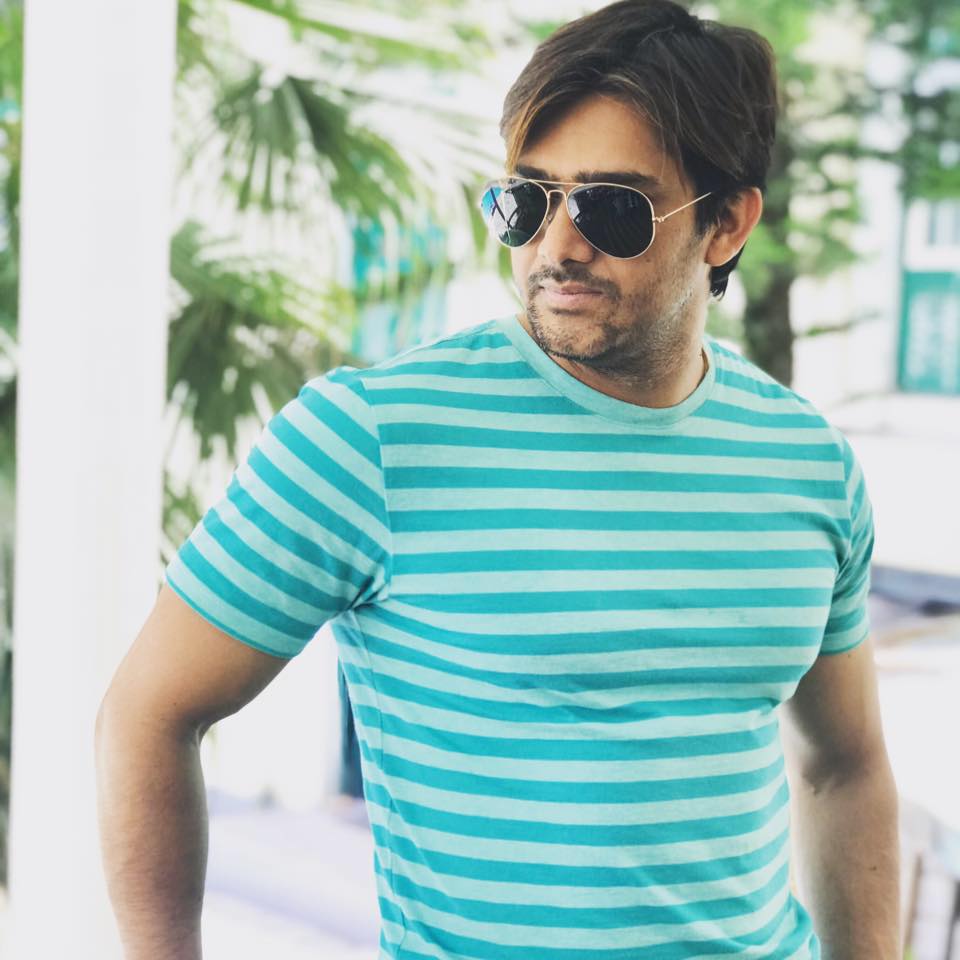
Bishal Bhandari is a Producer Director at Nepali Film Industry. Owner/Managing Director at Three Production Pvt. Ltd. and Producer Director at Comedy Champion.He has previously worked as a producer on The Voice of Nepal and Nepal Idol. He Studied Acting & Direction at Aarohan Gurukul.
Bishal Bhandari
Film Director, Music Video TVC Director, Media Personality
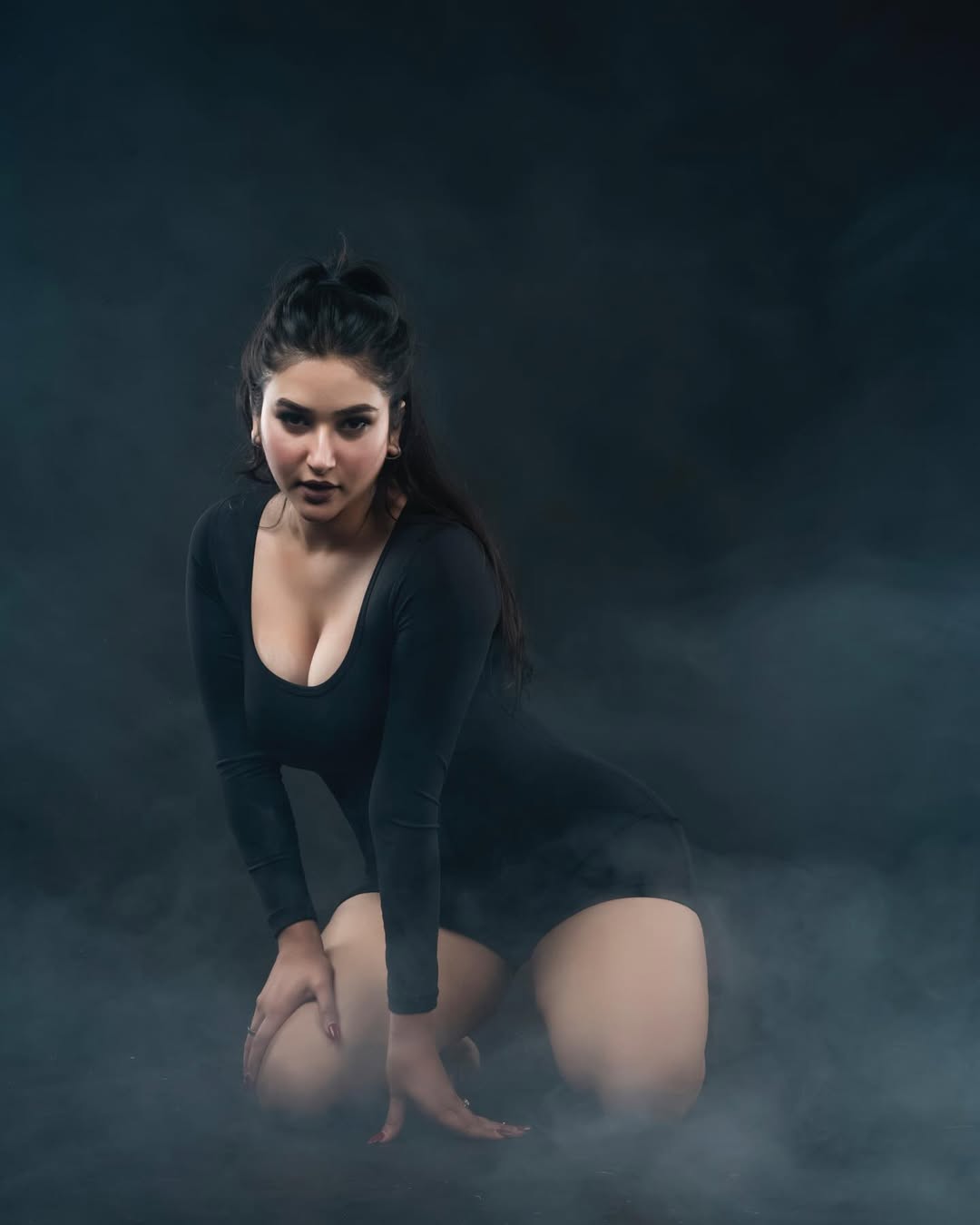
Swikriti Dhungel is a model from Nepal. She has gained recognition for her work in the fashion industry and has participated in various modeling events and shows. Swikriti was also a contestant in the Miss SEE Star-2018 pageant.
Swikriti Dhungel
Model, Actress

Rukmila Adhikari is a talented Nepali model and artist. She has made a name for herself in the modeling industry and has also ventured into acting. Rukmila gained attention by acting in the music video for the song "Mutu Bhitra" by singer Tara Lakxman Limbu. She is currently taking professional salsa dance training with choreographer Binayak Das Shrestha and studying acting at the Mala Art academy, started by artist Saroj Khanal. Rukmila has appeared in several music videos, commercials, and more, showcasing her versatility and dedication to her craft. She is also active on social media platforms like TikTok, where she shares her creative work and connects with her fans
Rukmila Adhikari
Model

Rekha Thapa is a Nepalese film actress, model and film maker. She was a top ten finalist for Miss Nepal in 1999. She has performed in over 100 national awarded commercial movies. She owns her own movie production house called " Rekha Films". Rekha Thapa is a Founde / President of the Rekha Thapa Foundation of Nepal , She is also a social worker who is helping the poor families and children who are in need. Because of her popularity in the country and the abroad, now Rekha Thapa wants to spend her valuable time in social development of Nepal. #photography - Mahesh Pradhan
Rekha Thapa
Actress, Film Director, Film Maker/ Producer
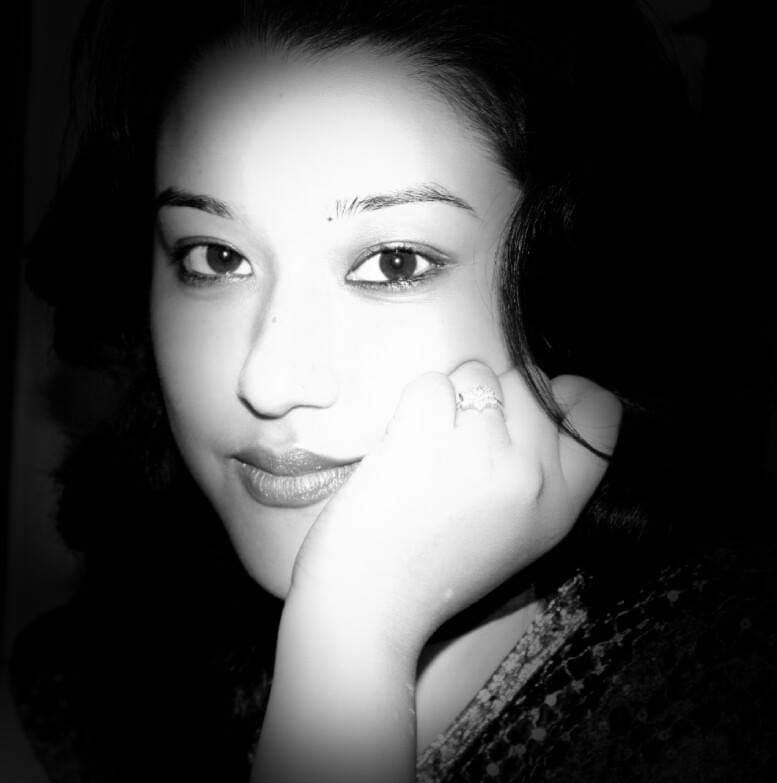
Suniti Adhikari The Singer The human voice is the organ of the soul and when adorned with lyrics & music stirs many a soul, beyond all, whether material or abstract. But this voice too, needs a human face with an expression that can evoke a million emotions and transport the listeners unto a trance. Such is the voice of Suniti Adhikari, Nepal’s face for blissful and pure singing. It is this very voice that sang “Bahaar Sangai” and swept across like a pleasant breeze, a breath of fresh air in the world of Nepali music way back in 2006. Her magnetic persona and hypnotic voice, warms the hearts of millions of music fans in Nepal, in fact worldwide
Suniti Adhikari
Music Artists, Playback Singer
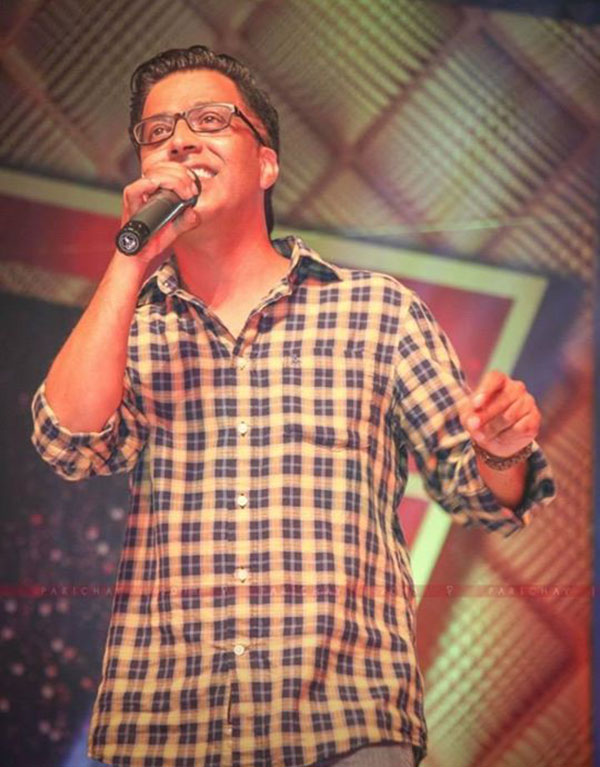
Sanup Paudel is a professional singer of Nepal. He was born in Shillong, India. He is the youngest among four siblings. Sanup rose to fame after a singing contest had come up, called Geet Bahar, run by Gulshan Kumar in Mumbai. Sanup was at the age of nineteen when he applied for this contest and was finally selected. Early life and Education He learned the classical music, under the singer Shukla Dham, after completion of his bachelor education in Ethnomusicology at the Kathmandu University. A few after completion of this education, he got a chance to enroll in School of Oriental and African Studies in the UK for about half a year. Born and raised in India he came to Nepal in the year 1997 as a young musician. He registered for vocal lessons from Prabhu Raj Dhaka as some school lessons and also private classes outside of school.
Sanup Poudel
Music Artists, Playback Singer

Birochan Malla

Prashna Shakya is a Nepali pop singer. In 2003, Hits FM awarded her Best Pop Performance Female. Prashna Shakya was born in Dharan, Nepal. Her parents are Sumitra and Binod Shakya. She has a sister and brother. When she was a teenager, her parents wanted her to pursue sports in school. Shakya preferred music and performed at school and began taking music lessons, including studying under Dibya Khaling. She participated in a singing contest by Radio Nepal and was named a finalist.
Prashna Shakya
Music Artists, Playback Singer
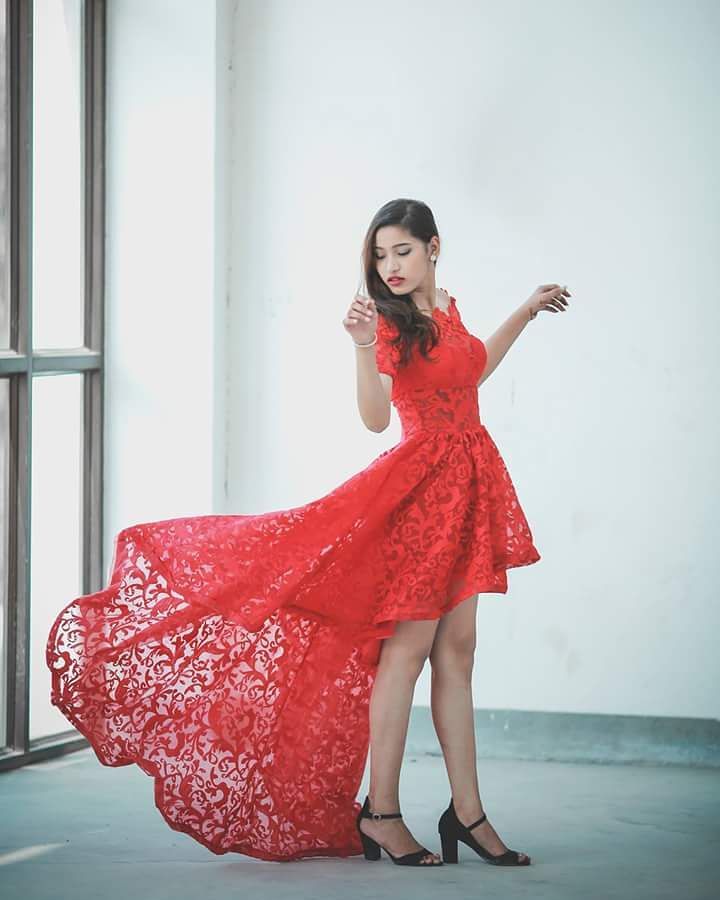
Hi I am Aasha Shakya and I have been modeling for past 3 years. I stand 5 feet and 7 inches tall. I have done different types of photoshoots as well as runways. I've been featured in tgif for three times and have done many photoshoots for different clothing stores. Thankyou!
Anisha Shakya
Model, Runway Model
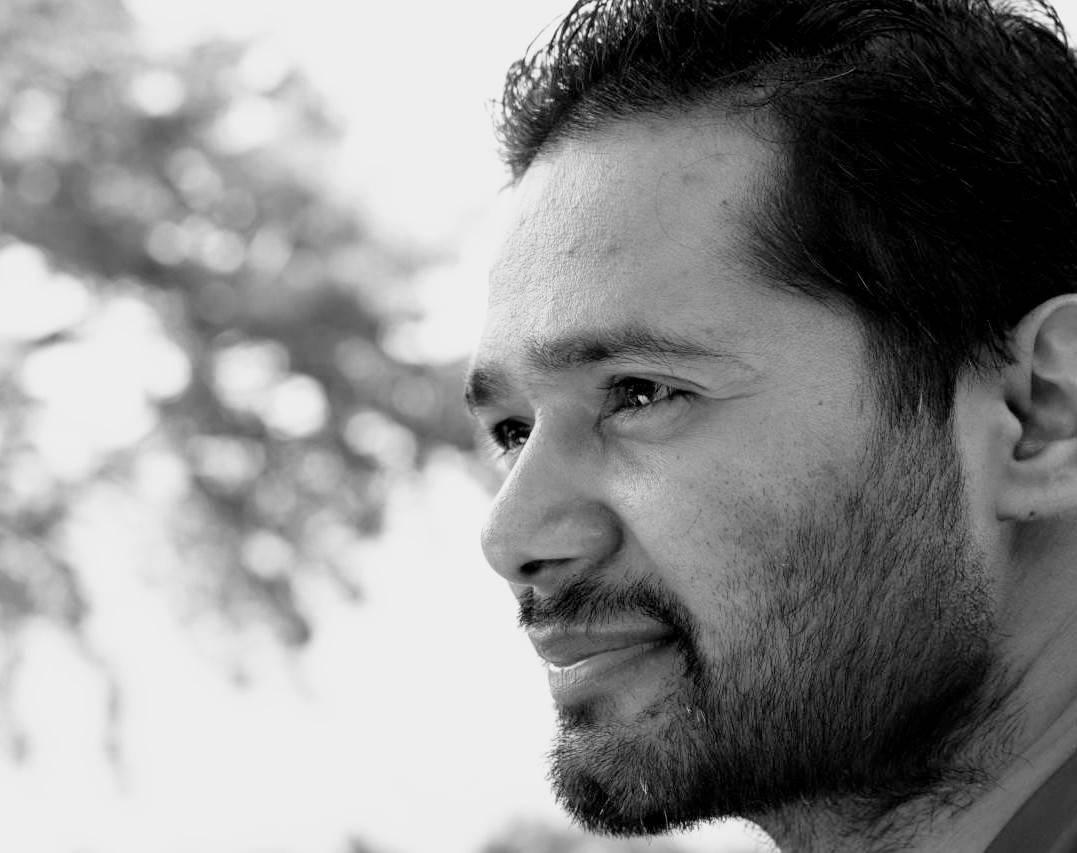
Safar Pokharel is a well-known Nepali media personality, radio jockey (RJ), and voiceover artist. He has been a radio presenter at Hits FM 91.2 since 2001 and has also appeared in a few movies, including "Red Monsoon" (2013), "Jatra" (2017), and "Dhanapati" (2018). Career Highlights Radio Presenter: Safar has been a prominent voice on Hits FM 91.2 for over two decades. Voiceover Artist: He has lent his voice to various commercials, audiobooks, and other projects. Actor: Safar has appeared in several Nepali films, showcasing his versatility as an artist. Personal Life Safar Pokharel continues to inspire many with his dedication to the media industry and his ability to connect with audiences through his work.
Safar Pokharel
Radio Jockey [RJ], Media Personality, Voiceover Artist
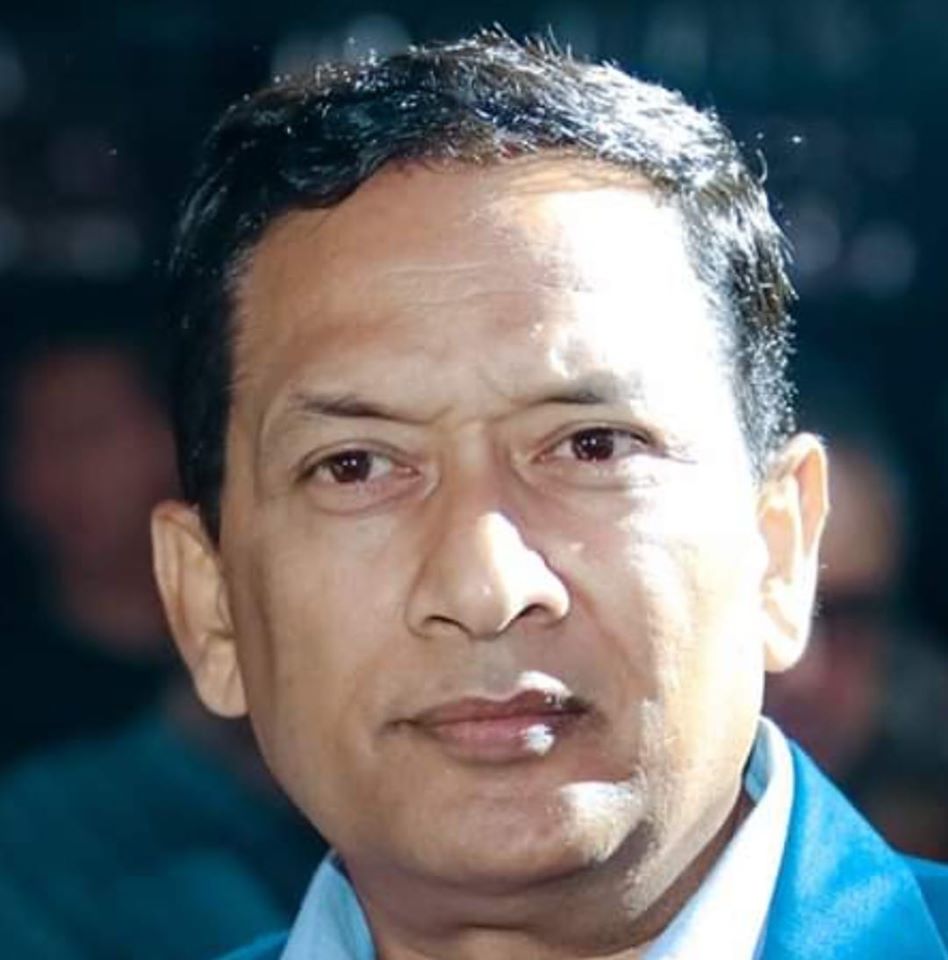
Madhav Wagle is a prominent Nepali actor, filmmaker, and producer. He has made significant contributions to the Nepali film industry, both in front of and behind the camera. Career Highlights Film Producer: Madhav Wagle is known for producing successful films like "Loot" (2012), "Resham Filili" (2015), and "Loot 2" (2017). Film Distributor: He started his career as a film distributor before establishing his own production company, Princess Movies, and later the distribution company, Popcorn Pictures. Notable Films: Some of his notable productions include "First Love" (2010), "Chhadke" (2013), "Mission Paisa Reloaded" (2015), and "Love Sasha" (2017).
Madhav Wagle
Actor, Film Maker/ Producer
Chandu Chaudhary
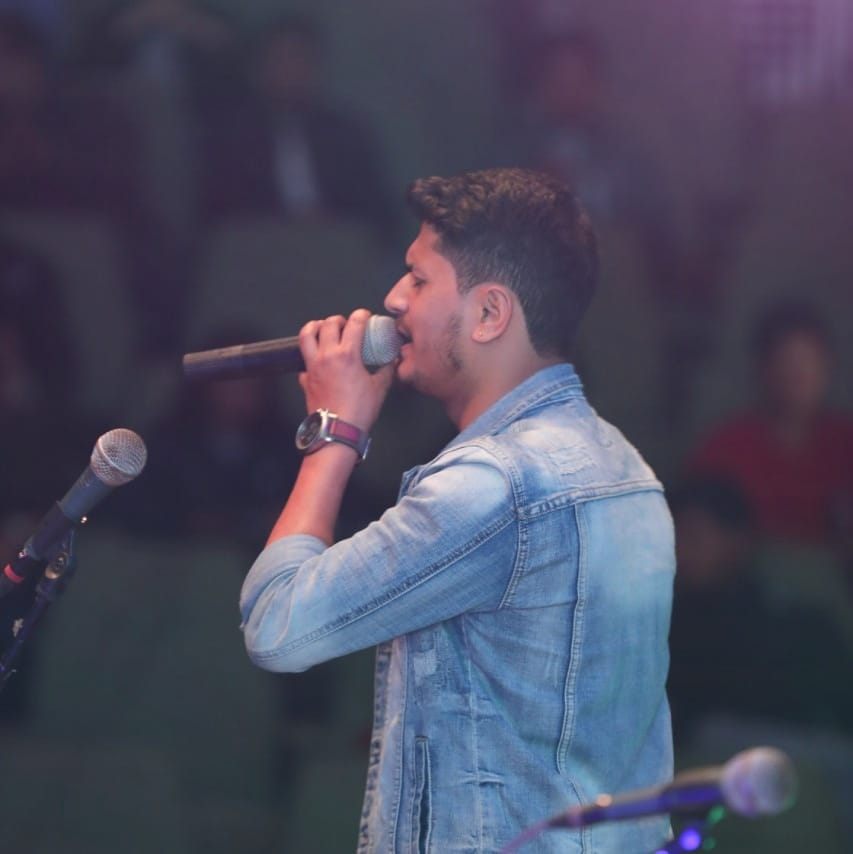
Mahendra Raj Baral is a Nepali singer known for his melodious romantic and modern songs, earning a strong following across radio, digital platforms, and live performances. His popular tracks include “Timro Yaad,” “Mero Man,” “Suna Suna,” and “Aankha Ko Nani.” Baral has been recognized for his consistent vocal presence in Nepali contemporary music, receiving multiple radio chart placements, stage show honors, and appreciation awards from Nepali cultural organizations in Nepal and abroad. His warm vocal tone and heartfelt delivery continue to make him a favorite among Nepali music listeners.
Mahendra Raj Baral
Singer/ Performer
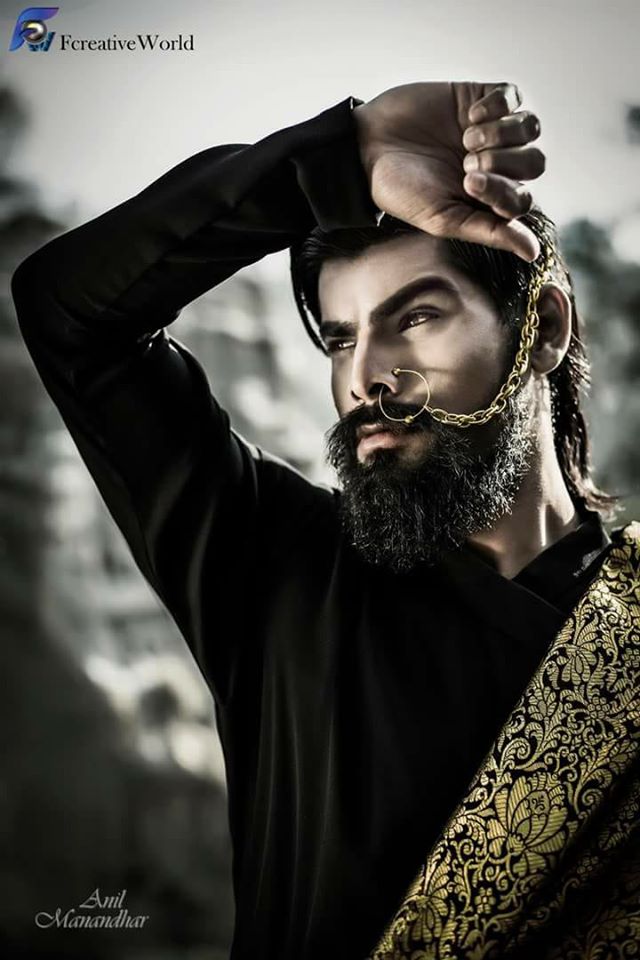
Actor, Model and Theatre Artist from Nepali Movie Industry. Winner of Mr. Popular of Nepal. Have done so many Movies, Music Videos, Ads, Short Movie, Fashion Show and Photoshoots.
shekhar subedi
Model, Actor, Theatre Artists, Fashion Choreographer
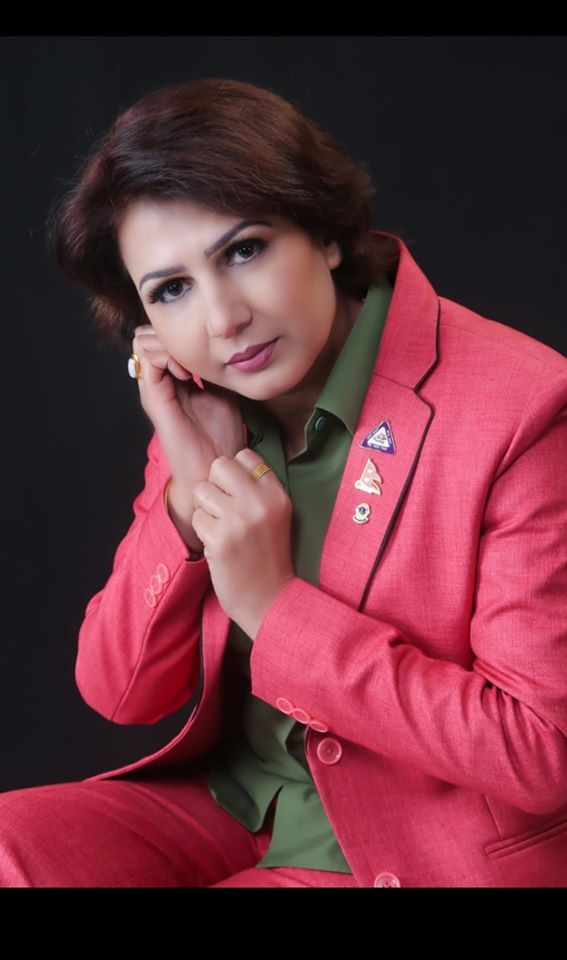
Tara Adhikari is a talented Nepali lyricist known for his captivating lyrics and contributions to the Nepali music industry. He has written lyrics for numerous popular songs and albums, showcasing his creativity and talent. Notable Works "Chadke Najar": A music video featuring lyrics by Tara Adhikari. "Manaibhari": An album with lyrics by Tara Adhikari. "Sunaulo Tara": Another album featuring his lyrical work. Career Highlights Tara Adhikari has collaborated with various artists and musicians, creating memorable songs that resonate with audiences. His work spans different genres and styles, making him a versatile and respected figure in the Nepali music scene.
Tara Adhikari
Lyricist
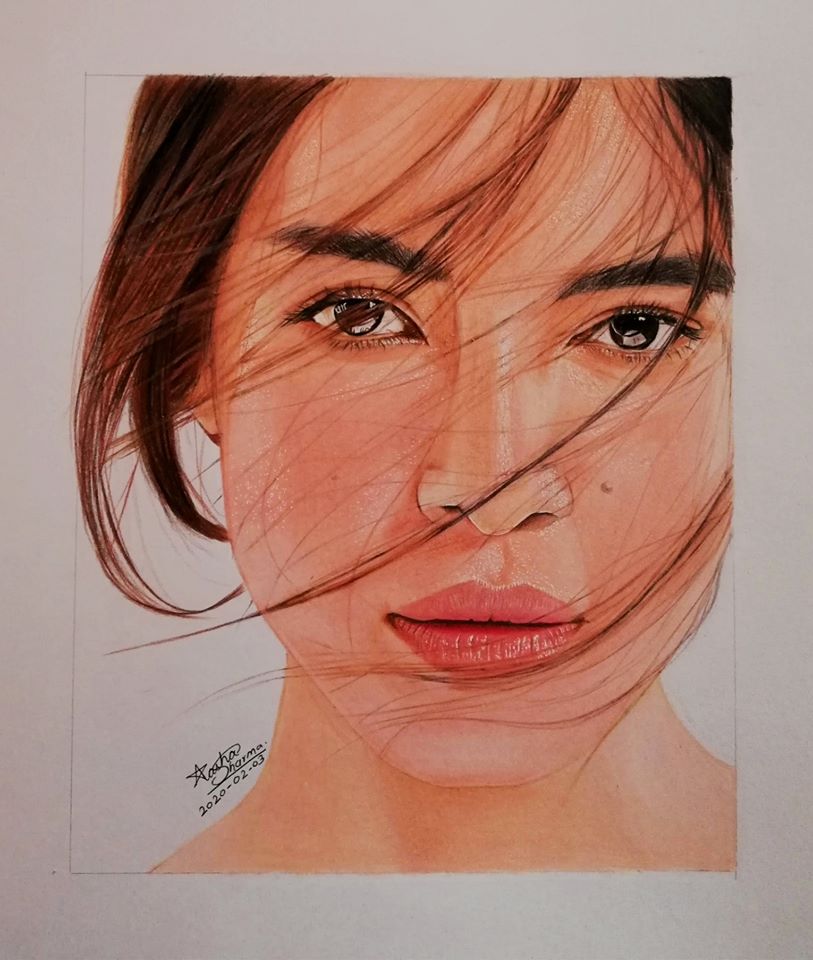
Aasha Sharma
Visual Artists, Professional Painter, Performing Artists

Sushma Adhikari was born at Kailali (Nepal) to Ganga Dhar Adhikari and Manu Kumari Adhikari. She did her schooling from Panchodaya Higher Secondary School, Nepal and completed her undergraduate program from Kathmandu University. Sushma Adhikari was good Badminton player but she did not take her game to the national level as she had set her sights on the glamorous world of showbiz. Sushma Adhikari is also a well known face of music videos. She started her modelling journey through the song ‘Rog ho ki dosh ho’ and has acted in over 200+ music videos till date. She is now consider as one of the finest face of Nepali Cine world. Sushma Adhikari made her cinematic debut with "Anoutho Prem Katha" A film by Kanchan Shahi. The film did average business at box office. Thereafter, a series of successful films followed such as "Pipal "and "Deewaana2". Sushma next successful movie was "Jay Madesh". Her performance in "Jay Madesh" is well praise by Tarai (plan) audience and she became a sensation in Tarai region of Nepal till date. She also played in the super hit music video " Ghumera Julfai - Popular Teej (folk) Song " and "Mero Dhadkan" sung by well known singer Rajesh Payal Rai and other hundreds of contemporary, and Folk Music Videos. Filmography: Some of her super hit movies includes "Anautho Prem Katha, Peepal, Diwana 2, Khurpa and currently working in three different movies which are due to release in Q3 2017
Sushma Adhikari
Model, Actress
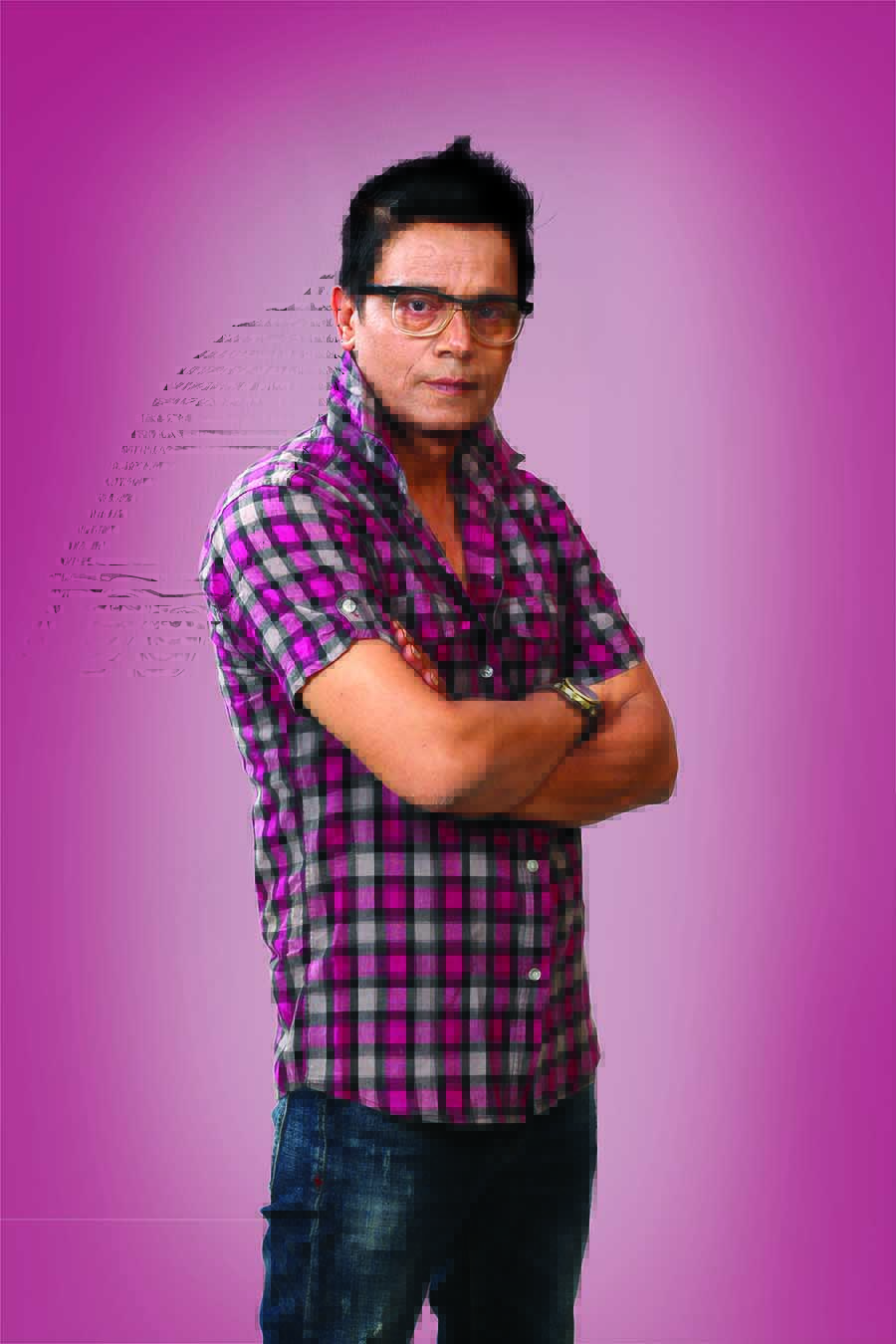
Anup Baral is a renowned Nepali actor, acting coach, and film director. Born on April 4, 1968, in Pokhara, Nepal, he has made significant contributions to the Nepali film and theater industry. Career Highlights Acting: Anup Baral has acted in numerous films, including "Dasdhunga" (2010), "Fitkiree" (2014), "Tandav" (2014), "Junge" (2014), "Sadanga" (2015), "Fanko" (2016), "Damaruko Dandibiyo" (2018), "Dokh" (2022), and "Pani Photo" (2022). Directing: He has directed several plays and films, showcasing his versatility and dedication to the craft. Awards: Anup has won several awards, including the National Film Award for Best Actor for "Dasdhunga" and the NEFTA Film Award for Best Supporting Actor for "Damaruko Dandibiyo". Personal Life Family: Anup is married to Deeya Maskey, an actress and producer in the Nepali film industry. Education: He has a strong background in theater and has been a significant figure in promoting Nepali theater. Anup Baral continues to inspire many with his dedication to the arts and his significant contributions to the entertainment sector. 🌟
Anup Baral
Actor, Film Director, Acting Coach
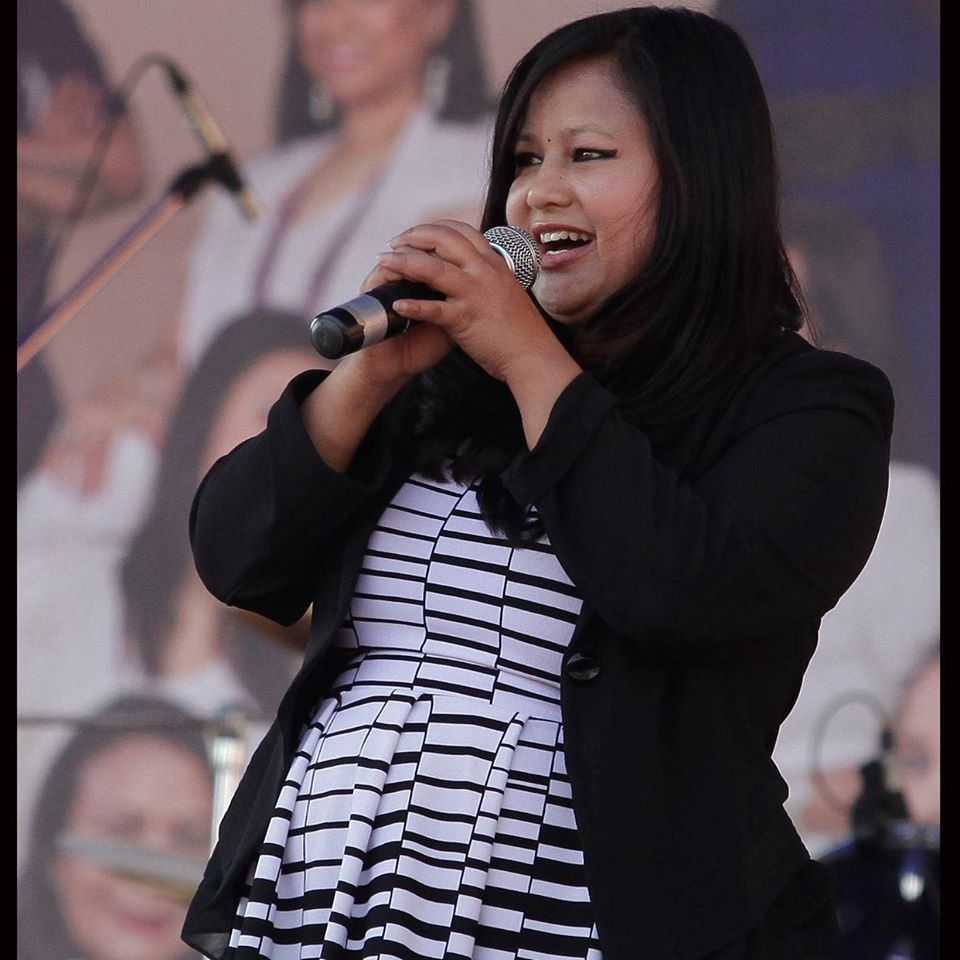
Shruti Rajya Laxmi Singh is a talented Nepali singer and performer. She began her musical journey in 2008 and has since made a significant impact in the Nepali music industry. Shruti is also a descendant of the late King Jay Prithvi Bahadur Singh, who was a journalist and the founder of Nepal's first daily newspaper, Gorkha Patra. Career Highlights Debut Album: Her debut album, "Shruti," was launched with a grand event. Popular Songs: Some of her notable songs include "Namsari," "Kahile Aauchau Timi Bhana," "Timigara Ya Nagara," "Pratikshya," and "Aakash Ko Chhano." Collaborations: Shruti has worked with renowned artists like Nabin K. Bhattarai, Sugam Pokhrel, and Rajesh Payal Rai.
Shruti Rajya Laxmi Singh
Music Artists

Karishma Rawal, to be a permanent resident of Achham. From an early age, Karishma, who loves modeling, is exploring her future in the art field. Karishma is also a successful health technician. She did not say that she would soon come to the videos saying that her family had taken steps in modeling.
Karishma Rawal
Model
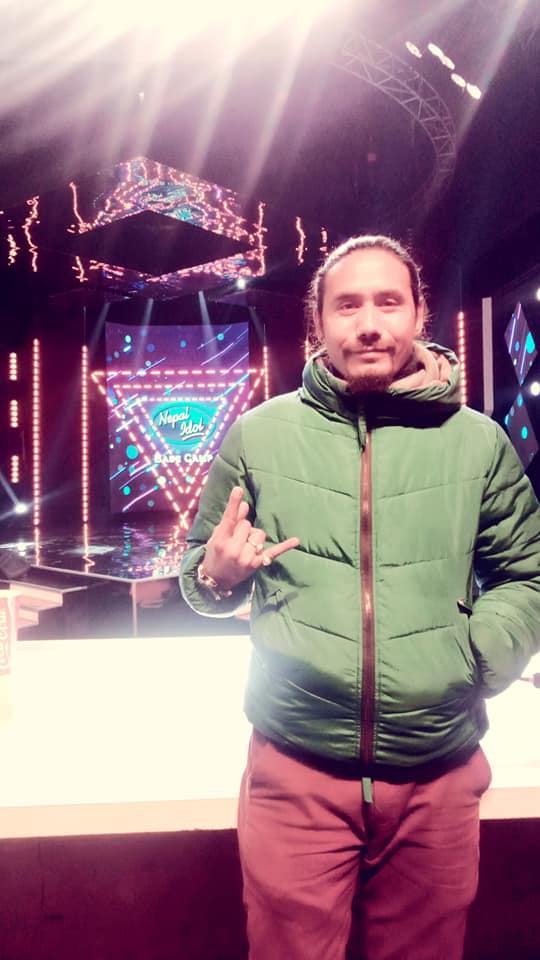
Nakul Karki is a talented Nepali lyricist, music arranger, singer, and performer. He has made significant contributions to the Nepali music industry with his captivating lyrics, compositions, and performances. Career Highlights First Album: "Janma" (2010) from Conch Creative International Pvt. Ltd./Conch Music. Training: He has received extensive training in vocals, guitar, percussion, and keyboards from institutions like Sadhana Kala Kendra, Anurag Kala Kendra, Gurukul, Saregamapa, and Deepchandee (2000-2008). Social Affiliations: Member of Deepchandee Musical Group and Executive Member of the Association of Alumni Students. Notable Works Albums: "Janma" and contributions to various other music projects. Popular Songs: "Kina yati mitho" (Mohani Mantra), "Bebo" (Mohani Mantra), and "Hera timro" (Pulse Vol.-1). Personal Life Parents: Ganesh Bahadur Karki (father) and Manju Karki (mother). Training on Master of Ceremony: Reiyukai Nepal (2008). Nakul Karki continues to inspire many with his music and dedication to his craft. 🎶
Nakul karki
Music Artists, Music Arranger, Lyricist

Mamata, who has a permanent home in Dhangadhi, started modeling from ArtistNepal. With a height of 5ft.3 inches, Mamata is aiming to become a successful model in the future.
Mamata Mangranti
Classical / Traditional Dancer, Model
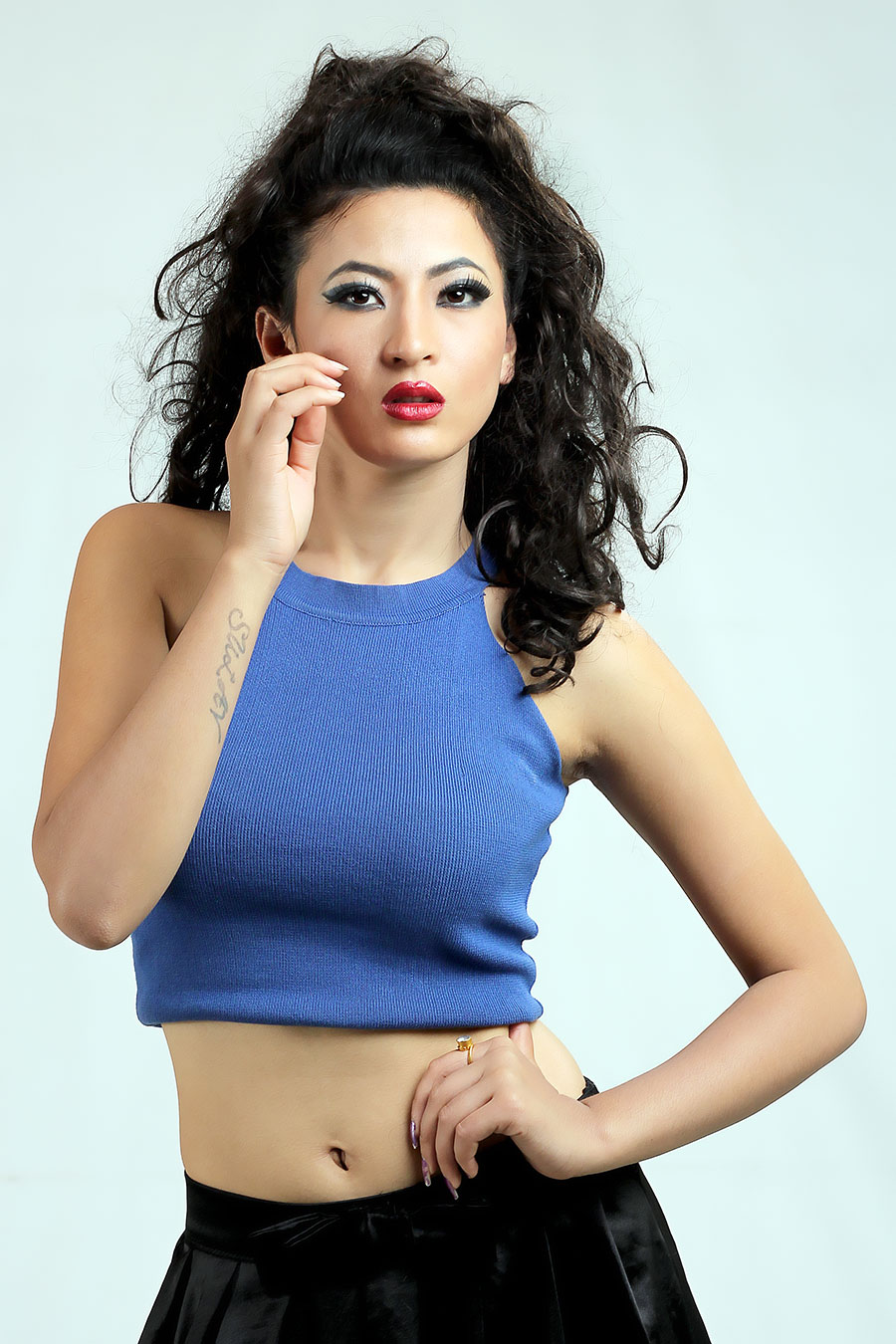
Angel Shrestha is a talented Nepali model and actress. She started her career through ArtistNepal at the age of 15 and has since appeared in numerous music videos, commercials, and some Nepali films. Angel has also done a guest role in an item song in a film. She has traveled to various countries, including Dubai, Qatar, Australia, and several European countries, for her work. Career Highlights Music Videos: Featured in many popular music videos. Commercials: Acted in various commercials, showcasing her versatility. Films: Appeared in some Nepali films, including guest roles. Personal Life Angel Shrestha continues to make her mark in the Nepali entertainment industry with her dedication and talent. 🌟
Angel Shrestha
Model
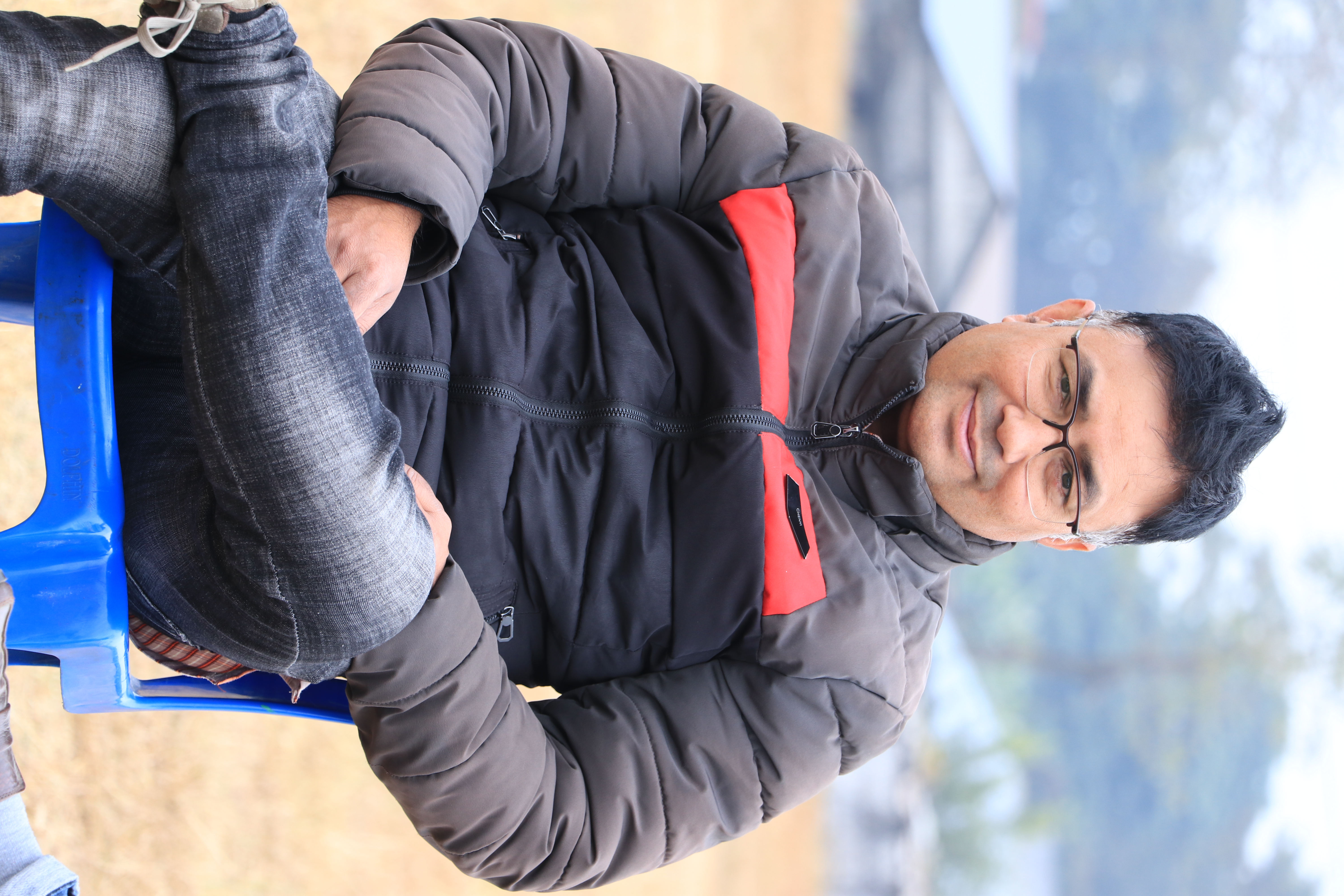
I am Dance Director of film industry .Dance Director Association Nepal as a central Senior Vice-President!!
Pradip Shrestha
Dance Choreographer, Music Video TVC Director
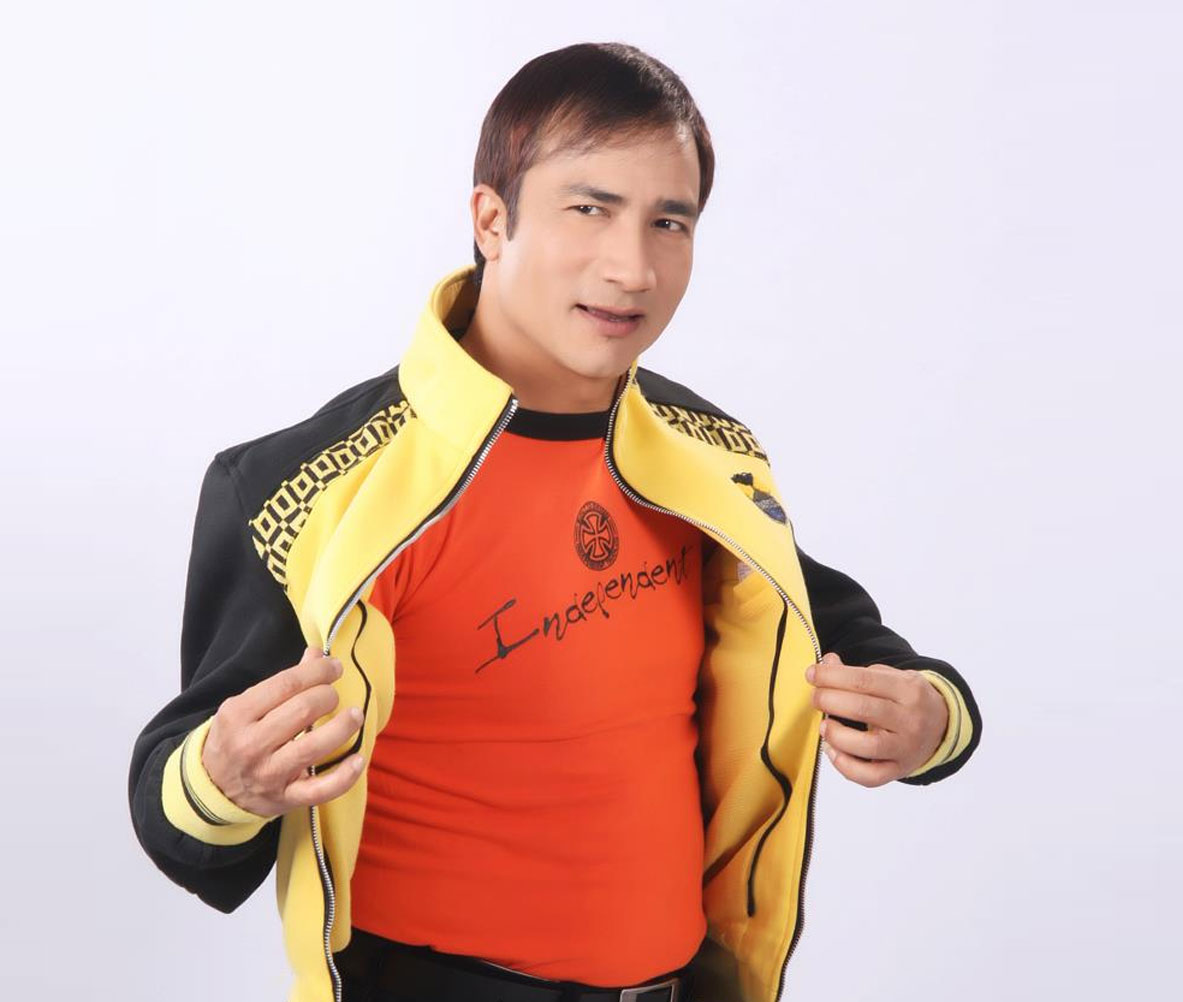
Bhuvan Das Shrestha (also known as Bhuvan Shrestha) is a leading Nepali dance director, choreographer, and instructor, widely recognized for shaping modern dance direction in Nepali cinema. Born on August 11, he currently serves as the Chairman/President of the Dance Directors Association Nepal, the umbrella body representing Nepali film choreographers.
Bhuvan Das Shrestha
Dance Choreographer

Pranima Dahal is a model,newsreader,television presenter,emcee and event manager . She has been working on entertainment industry and is successful in the work she is doing.
Pranima Dahal
Classical / Traditional Dancer, Model, Video Jockey (VJ)
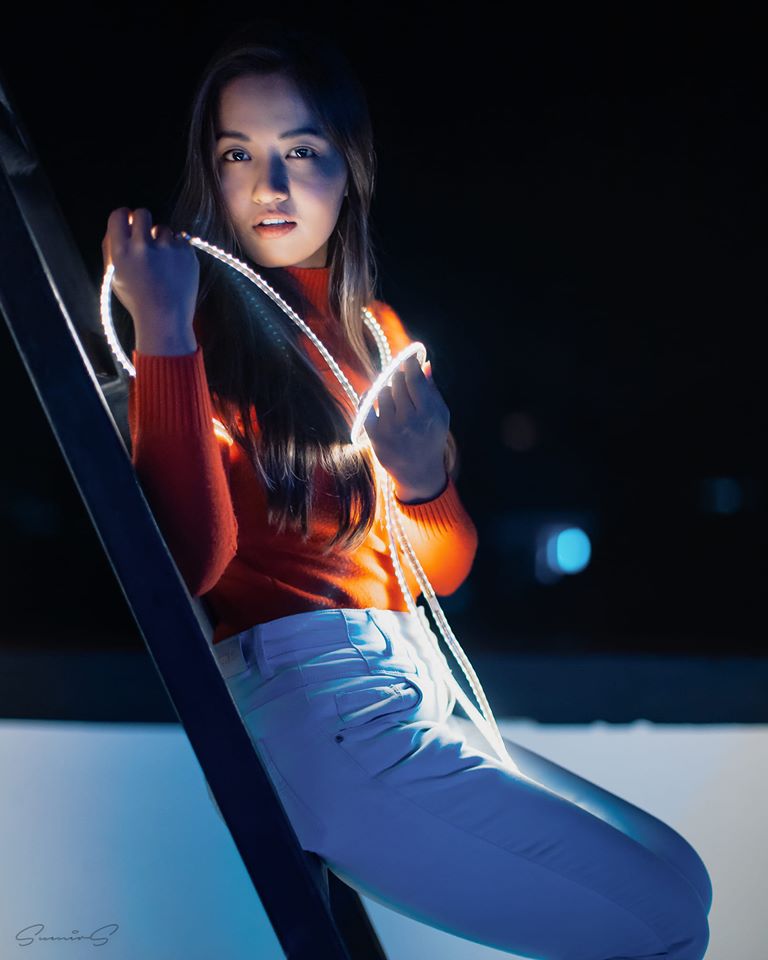
Nikhita Thapa is a talented Nepali playback singer and performer. She has made significant contributions to the Nepali music industry with her captivating voice and engaging performances. Career Highlights Popular Songs: Some of her notable songs include "Sirsirey," "Rang," and "Narou Timi." Collaborations: She has worked with various artists, including Brijesh Shrestha and Tuladhar Darnal. Awards: Nikhita was nominated for the Image Awards 2014 in the category of 'Best New Artist of the Year' for her song "Ma Ta Timro Naphape Ko Manche" from the album "SATYATA-2" by Gobind Prasad Upadyay.
Nikhita Thapa
Music Artists, Playback Singer
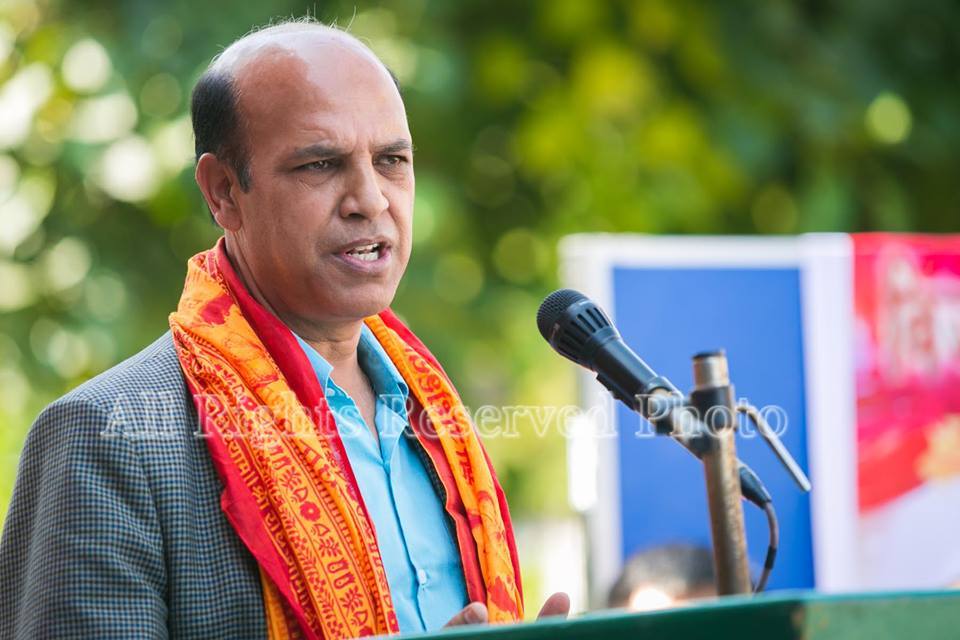
Subash Chandra Dhungel is a renowned Nepali lyricist and songwriter. He has composed nearly 500 songs, with around 80 of them recorded. Some of his notable works include the songs "Chot K Ho Byatha K Ho" sung by Arun Thapa and "Sinki Achara" sung by Ram Thapa. Career Highlights Popular Songs: "Chot K Ho Byatha K Ho," "Sinki Achara," and many more. Collaborations: Worked with various artists, including Arun Thapa and Ram Thapa. Albums: Contributed to numerous albums and music projects. Social Media Presence YouTube: Subash Chandra Dhungel Official Subash Chandra Dhungel continues to inspire many with his lyrical talent and dedication to the Nepali music industry. 🎶
Subash Chandra Dhungel
Lyricist
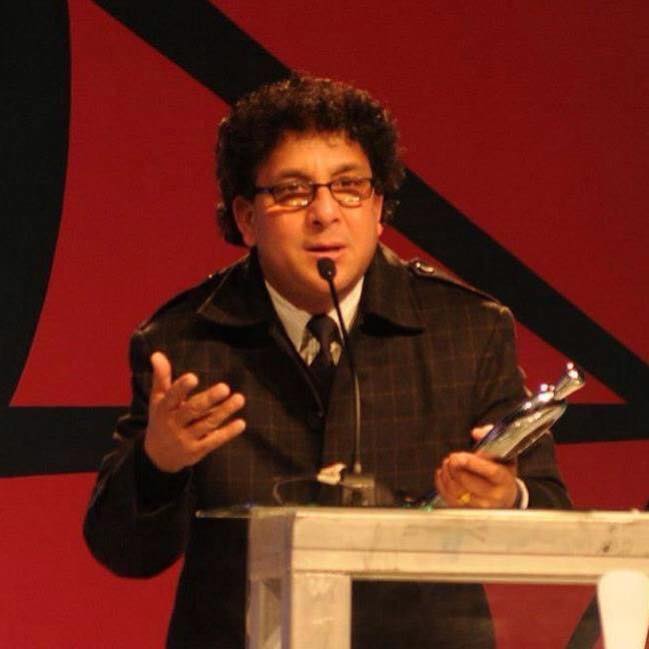
With idiosyncrasy in Aadhunik and Nepali filmy songs, Raju Singh is one of those heads in Nepali Music Industry who has expertise in time conditional music creation and rules most of the antros on radios and TVs. Born on Mangsir 26th 2026 in Kathmandu, Putalisadak as the eldest son of senior musician late. Bhagat Singh. Raju Singh has a brother and four sisters in his family. His whole family is music-loving. His brother Kalyan Singh and sister Dhanusha Singh too have an inclination towards music. Having risen in a musical environment, he was influenced by music in his early childhood and hence decided to do something in music industry. He says that his family was a factor which induced a sense of responsibility and challenge in him. Disciplined and hard working from his early life, Raju Singh post graduated from Tribhuvan University and holds a similar degree in music too. He did Diploma from London University in Eastern music. Raju gives credit for his success to his family’s musical background and hard work. He was told that Nepali musicians aren’t educated. He was moved by this statement and hence he carried his education along with music. He is dedicated towards Nepali music and at the same time he teaches in well established colleges both music and other subjects. Most of the songs, whose musical compositions are done by Raju Singh, are big hit. Because of this he considers himself as a luck favored person. He’s given music in more than 500 songs and released 20 plus albums. He has also worked as judge in numbers of musical programs. He has worked with all genres of singers ranging from new to old. We can’t ignore the fact that most of the songs that have gained and are gaining popularity are Raju’s creation.
Raju Singh
Music Director

A well known television personality, Sonam Pakhrin has also popular up as a well known singer, Director in Nepali music industry. He left his television career after giving it eight years of his life only to leave behind talking in front of the camera and to start working behind it. He has also directed a documentary “A day in katja’ for a foreign project which he considers to be close to his heart. Sonam Pakhrin has definitely won hearts of many fans, first with his sweet talks on television and now, with his melodious voice and direction.
Sonam Pakhrin
Model, Music Video TVC Director, Media Personality
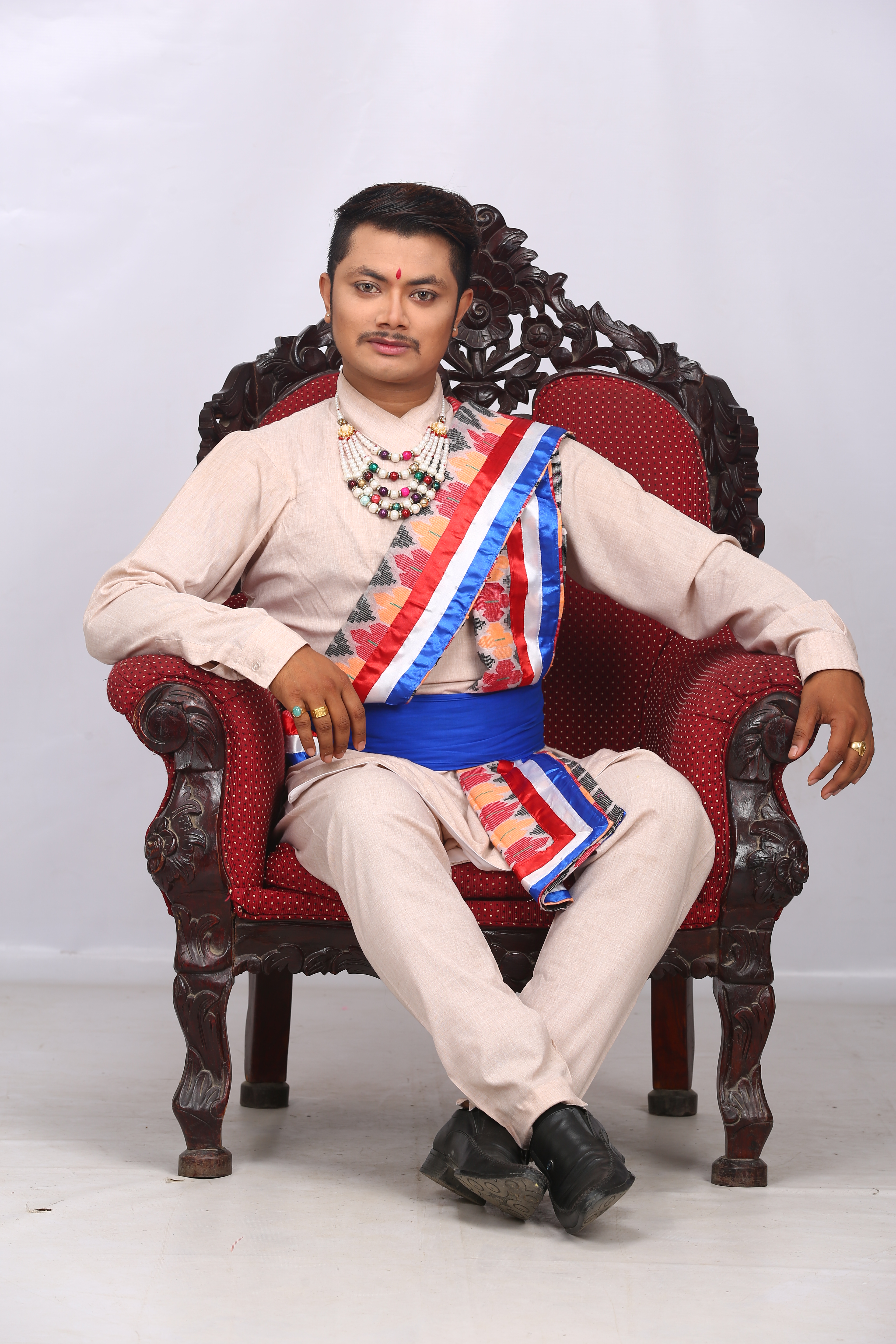
#Major Achievement:# I had performed Solo Dance performance for the first time in Nepal organized by Sanskritik Sansthan Naachaghar , Jamal(Full Ownership Of Nepal Government) and Dance Director Association Nepal, Lalitpur Branch (2075 Asar 3/17 june 2018 in NaachaGhar) including form:-Namaskar Dance and Guru Bandana -Kartik Nacha( 380 years old mallakalin dance)-Kumar dance -Charya Dance-Pancha Kapal (Mahankal ) Dance -Folk Dance-Jhaure Dance -Western- Salsa Dance -Bharatanatyam- Kritanam(Bo Sam boo) -Kathak-Kaliya daman -Closing Dance -Aama(Mother) Dance. National Youth Talent Award 2076/2019A.D with Cash One Lakh, Receiving award from Deputy Prime Minister awarded by Ministry Of Youth And Sport , Government OF Nepal. Winner Indian Classical Dance Compitation, International Level, International Taj Rang Festival 2019 in Agra ,India. Guru samman in chhenai 2076/2019A.D from chhenai. National Youth Talent Award 2075/2018A.D From Rastriya Nagarik Bikash Samaj. Represent Pradesh no 3 as a Dance Director to presentation Kartik naach in Nritya utsav 2019. First male T.U. certified dancer in Bharatanatyam. Gold medalist -Senior Diploma, Kathak Dance, Prayag Samiti, Allahabad, (Kalanidhi Indira Sangeet Mahavidhyalay) 2016AD. Gold medalist -Junior Diploma, Kathak Dance, Prayag Samiti, Allahabad, (Kalanidhi Indira Sangeet Mahavidhyalay)2015AD. First Prizeworthy NRs. 30,000-Kathak Dance Competition National wide, Sanatan Dharma Sewa Samiti (2015 AD). #Solo Dance Performance# *Swojan Raghubanshi Ekal Nritya Saagh , Organized by Sanskritik Sansthan Naachaghar , Jamal(Full Ownership Of Nepal Government) and Dance Director Association Nepal, Lalitpur Branch (2075 Asar 3/17 june 2018 in Naacha ghar, Kathmandu) . *Ghat Sandhya, Organized by subaha Banaras (2019 juanary 2,ashi ghaat, Banaras, India). *Yala maya classic program , Organized by Yala maya cafe, Patandoka (2076 asar 2/19 june2019 in patan doka,Lalitpur) *International music day 2019,Orgnized By kalanidhi Indira sangeet mahavidhayala, (2076 asar 8/23 june 2019, pulchock,Lalitpur). *Pasupathi aarati ,Organized by Pasupathi Bikash Kosh samiti(2076 sharwan 6/ 22 july 2019 in Pasupathi Natha temple). *Solo newaa dance performance, Organized by newaa dey daboo jhapa,dhurlabari jhapa(2076 kartik 23/9 november 2019,jpasang lyamu smriti jaycess pratisthan dhullabari jhapa). *Culture for child protection solo dance by Swojan raghubanshi 2020, Organized by Nepal beautician assacation(2076 poosh 19/4 january2020,patan museum ,lalitpur). *Pasupathi aarati ,Organized by Pasupathi Bikash Kosh samiti(shivaratri in Pasupathi Natha temple). #Workshop Delivered# *Training Facilitator - Sankritik Sansthan Rastriya Nachghar Provided 4 Days Workshop as Trainer for Pradesh 1 with 100 trainees as 100 Dance Directors from 14 Districts of Pradesh 1.(2074 Bhadra 28 to Asoj 1) *Provided 2 Days Workshop as Trainer for Itahari Saskritik Mahotsab with 75trainees as 75 Dance Directors from itahari Sub Metropolitan.(2075 Jesta 23 to 24) *Provided 4 Days Workshop as Trainer for Sadhana Saskritik Kala kendra with 10 trainees as 10 Dance Directors from Butwal(2075 Asaar 17 to 20) #Represented Nepal as Nepali typical and Charya Dancer Internationally# *International Taj Ranga Festival 2019 in Agra ,India. *Camel Festival 2019 in Riyad, Saudi Arab. *International House Complex Annaul day 2019 in Banaras ,India. *International folk dance seminar 2018 in banaras, india. *Ghat Sandhya 2018 in ashi ghat ,banars ,india. *DR.APJABDUL KALAM FOUNDATION,HOWRAH W.B. 2018, kalkatta, india. *Beijing International Culture Exhibition 2016 in China. *International Ethnic Folk Lore Festival 2015 in New Delhi. *The 9th Surin International Folklore Festival 2014 in Thailand. *3rd Bhutan International Trade Fair 2012, bhutan. *Hailand Park Buddha Purnima Festival 2011 in bijaywida ,india. *Arniko Samaj Program 2010 in Tibet. *Kullu Dashara Festival 2010 in India. *Global Village Festival 2008/09 in Dubai. *China International Online Travel Fair 2008 in China. *Expo Zaragoza 2008 in Spain. *World Leisure Expo 2006 in China. #Performance in music videos as Lead Actor# *Akal jhukal-Devaki maharjan and Arjun maharjan, Highlights Nepal (2018 AD). *Aakasha chekera chekinna - Prem Krishna Bajhagain, Highlights Nepal (2017 AD). *Badhai chha timilai - Rupa Giri, Music Nepal (2017 AD). *Jay jay matribhumi - Nirjan Maharjan, Highlights Nepal (2017 AD). *Lya lya taala - Nabin Maharjan and Dipa Maharjan, Highlights Nepal (2017 AD). *Likka chona peyakha sway wone nule maicha - Shiva Raj Joshi and Ratna Shova Maharjan, Tokha Darshan (2016 AD). *Dhaka topi - Jjuna Prasi and Ganesh Paudel, Musical Time (2014 AD). #OrganiZations involved# *Dance Direction Association Nepal, Lalitpur Branch – Founder President (2017 AD - Present). *Bishwo Kritimani Yuwaa Sangh Nepal, Lalitpur Branch – Founder President (2016 AD - Present). *Youth for Positive Change – Vice President (2015 AD – Present). *Dance and Music Academy Nepal – Founder Board Member (2016 AD – Present). *Kartik Naach as Dancer - Since 7 Years Old And Running (More than 300 years old publicly shown Newar Traditional Dance). *Classic Culture Center and Classic Event Management – Proprietor. *Kathmandu Jaycees – Vice President 2016, Event Co-ordinator Commission Director 2016, Megha Event Co-ordintor Commission Director 2017. *Sadhana Kala Kendra – Official Dance Director.
Swojan Raghubanshi
Classical / Traditional Dancer, Actor, Dance Choreographer
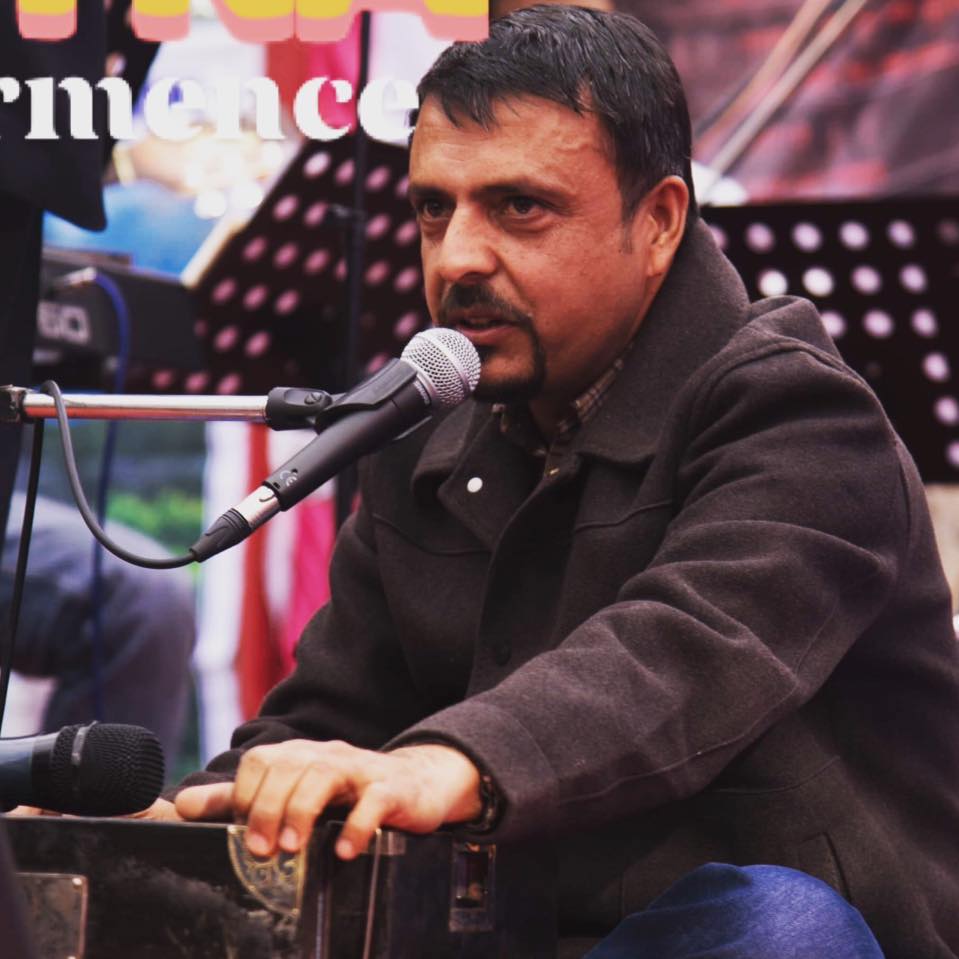
Danney Niroula is a famous Nepali music composer and singer. He started his music career early from his childhood. Till, he has composed above 200 songs and vocal has been given to above 50 songs of modern genre.
Danney Niraula
Music Artists

Gauri Tamang is a Makeup & Hair Artist. She is also the official makeup artist of ArtistNepal Studios. She also has her own beauty salon and training center, called 'S.G.S'S Beauty Care & Makeup Studio', in Joropati. She is also the director of there. She has also worked as a makeup artist on many Beauty pageants, Photoshoots, AD shoots & music videos.
Gauri Tamang
Make-up & Hair Artists
Hema Shrestha

Nabin K Bhattarai is the singer and principal musician in Nepal. He has given his fans 14 music albums till date. His music has a pop and rock combo that found success with a blend of ’70’s rock influences and slick hooks. Nabin K Bhattarai got his first musical break through his single “Ankhama Timilai” and never looked back. Issuing single after single and scoring hits in various radio formats Nabin K Bhattarai embedded his name in the music history of Nepal. People believe that his music is different and enticing at the same time.
Nabin K Bhattarai
Music Artists, Playback Singer
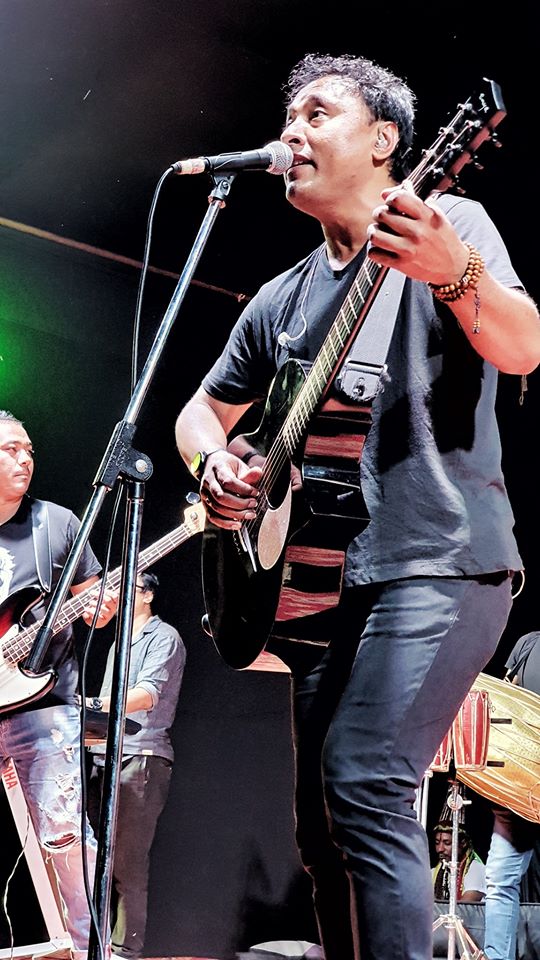
Deepak Bajracharya is one of the famous Nepali singer and lyricist from Kathmandu Nepal. He has sung several songs till date. He is one of the most commercially successful singer in Nepal. He has done several tours around the world. In 2011, he toured the United States to promote Nepal Tourism Year 2011. His career in the music industry began with the release of his first album in 2047 B.S. with his former band “Lituluns” and “Chodi Gayo Priye” was the first song he recorded officially.
Deepak Bajracharya
Music Artists, Music Band
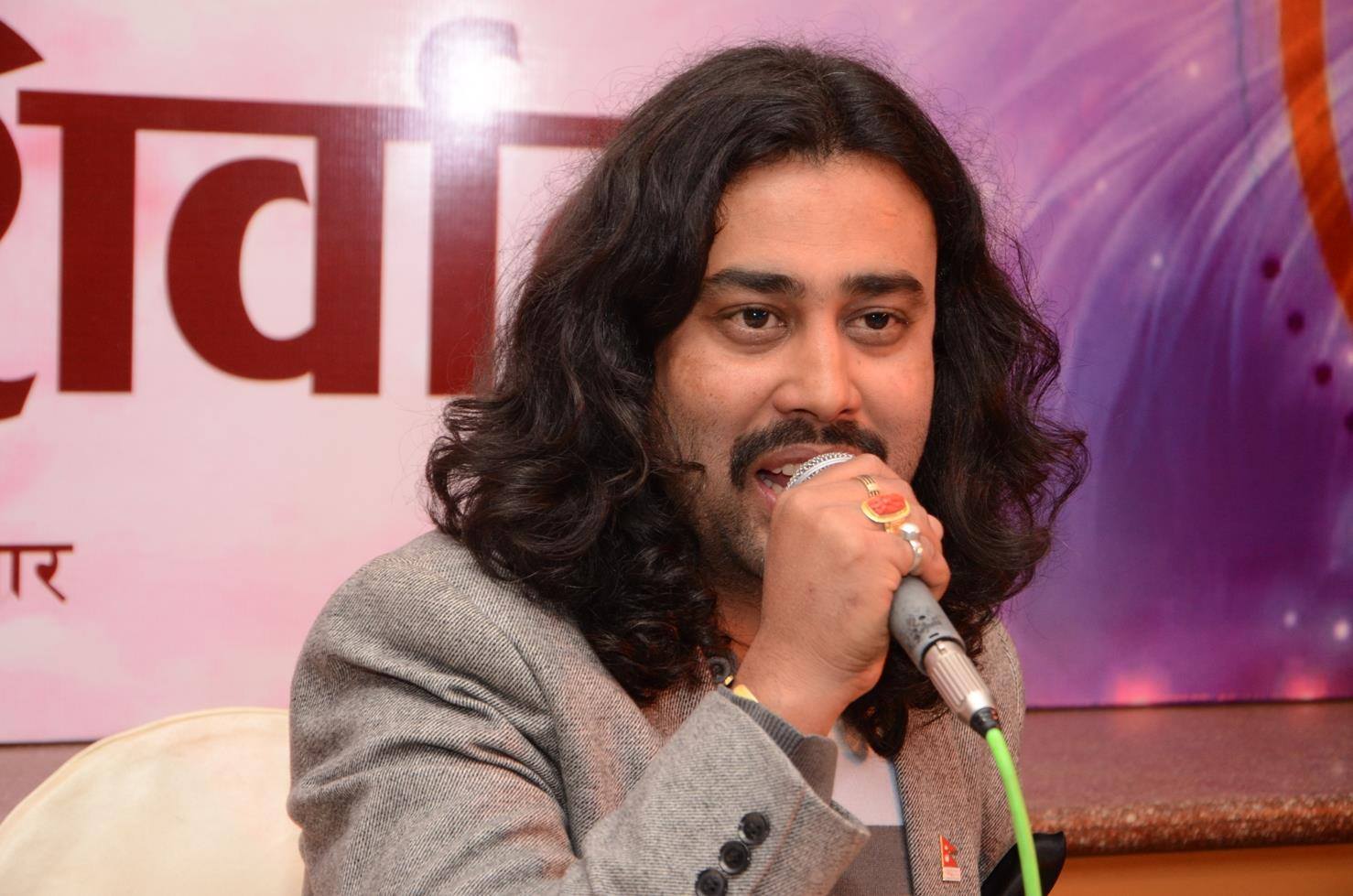
Satya Raj Acharya was born on Jan 12, 1978 to father Bhakta Raj Acharya (Nepal’s legendary singer and music composer & Bhajan Shiromani) and mother Sushila Acharya with one sibling brother Swaroop Raj Acharya at Thasikhel, Lalitpur 14. He is a prominent and prolific singer, versatile composer, song writer, ghazal writer, actor and film producer of Nepal. Satya Raj Acharya was brought up in a musical atmosphere. He was chanted and fascinated by music and used to listen to his father’s songs all day. Apart from successful singer, he is also known for highly acclaimed music composer, song writer, and actor and is one of the finest singers in Nepal. Satya Raj Acharya needs no introduction. The man who refined Nepali music and is the pride of the entire nation and also the idol of many newly upcoming talent of Nepal all over the world need no preamble. Satya Raj Acharya is also known for experimenting with his own style and image to over more than 1500 songs, composed for ten movies as a music director and sung more than 100 songs to Nepali movies. He has received praise from veteran singers like Ustad Gulam Ali Khan and Bhajan Samrat Anup Jalota. He has also collected numerous honors and awards,
Satya Raj Acharya
Music Artists, Actor, Playback Singer
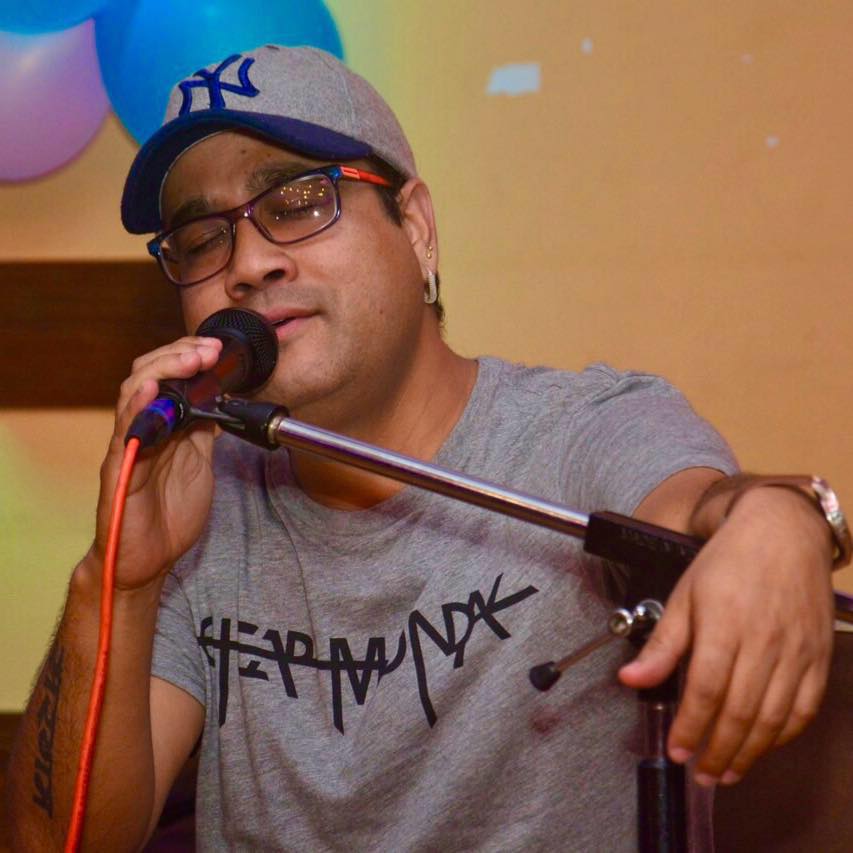
Swaroop Raj Acharya is very well known Singer and Composer of Nepal.He is the Younger son of legendary Singer and Composer BHAJANSHIROMANI BHAKTA RAJ ACHARYA and Younger Brother of well known Singer and Composer SATYA RAJ ACHARYA. He has sung more than 3,000 songs till date in modern,pop,bhajan,ghazal and playback singing and also in different movies. He is highly influenced by the singing style of his father.He is also the composer who has composed many songs in feature films and different genre of Music.
Swaroop Raj Acharya
Music Artists, Playback Singer
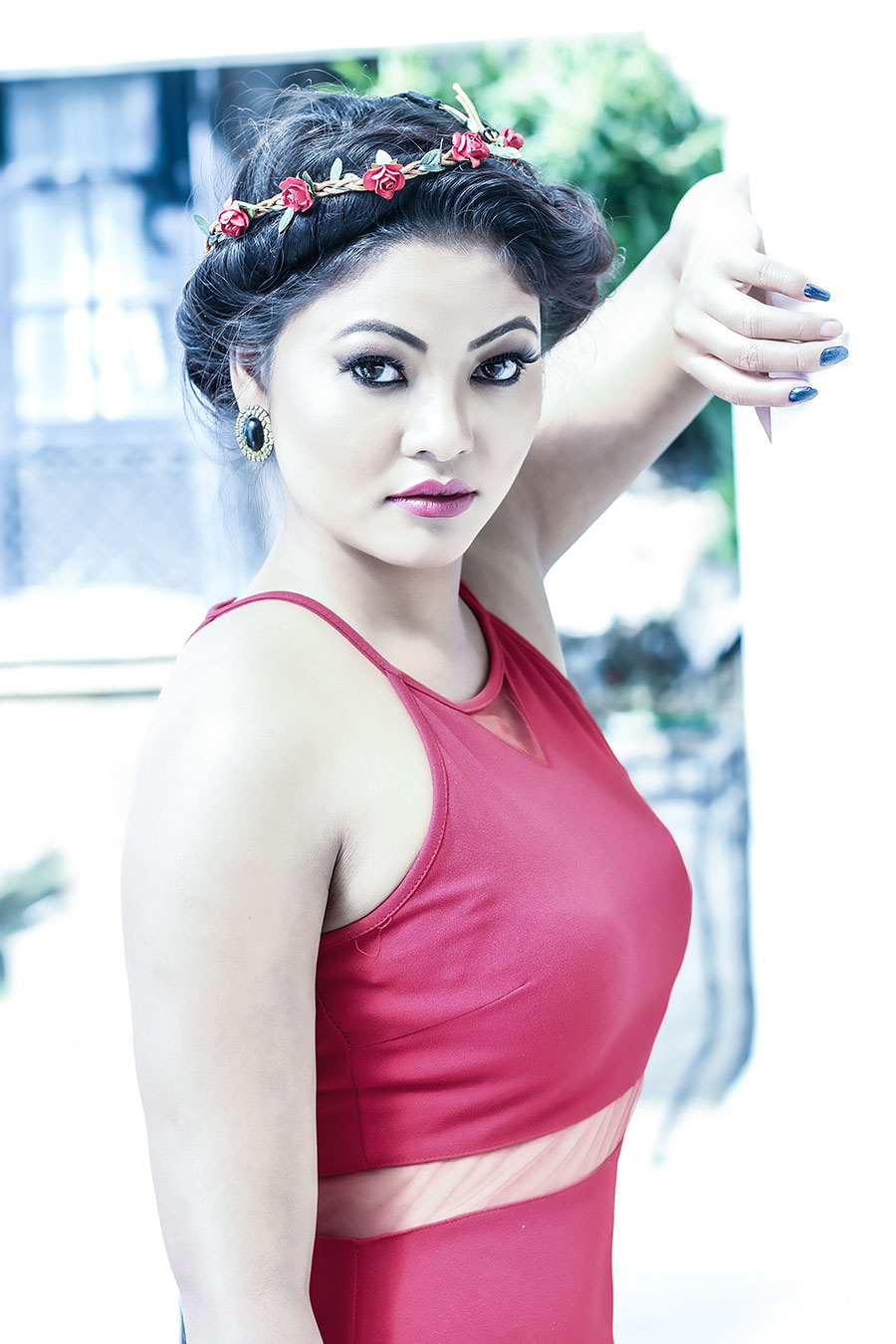
Binu Shakya is a talented Nepali belly dancer and model. She has gained significant recognition for her captivating performances and has been featured in various music videos and live shows. Career Highlights Belly Dancing: Binu is known for her exceptional belly dancing skills and has performed at numerous events and shows. Modeling: She has also worked as a model, showcasing her versatility and talent in the fashion industry.
Binu Shakya
Model, Belly Dancer
rapraveen Shrestha
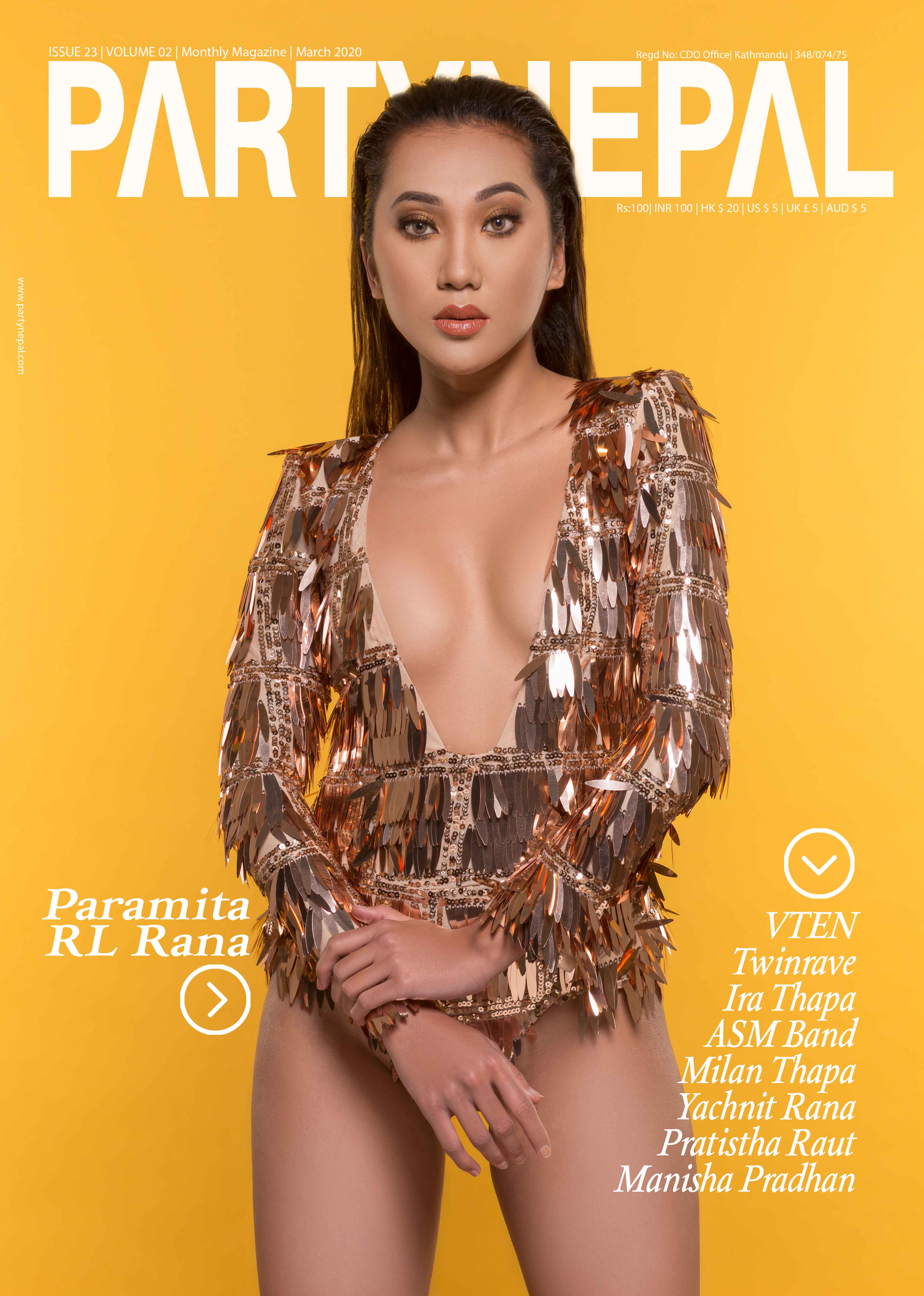
Paramita Rajya Laxmi Rana, known professionally as Paramita RL Rana or simply Paramita Rana, is a Nepalese film actress, model, singer and an Influencer. She debuted as an actress from Chapali Height 2 opposite Ayushman Joshi.
Paramita RL Rana
Model, Actress
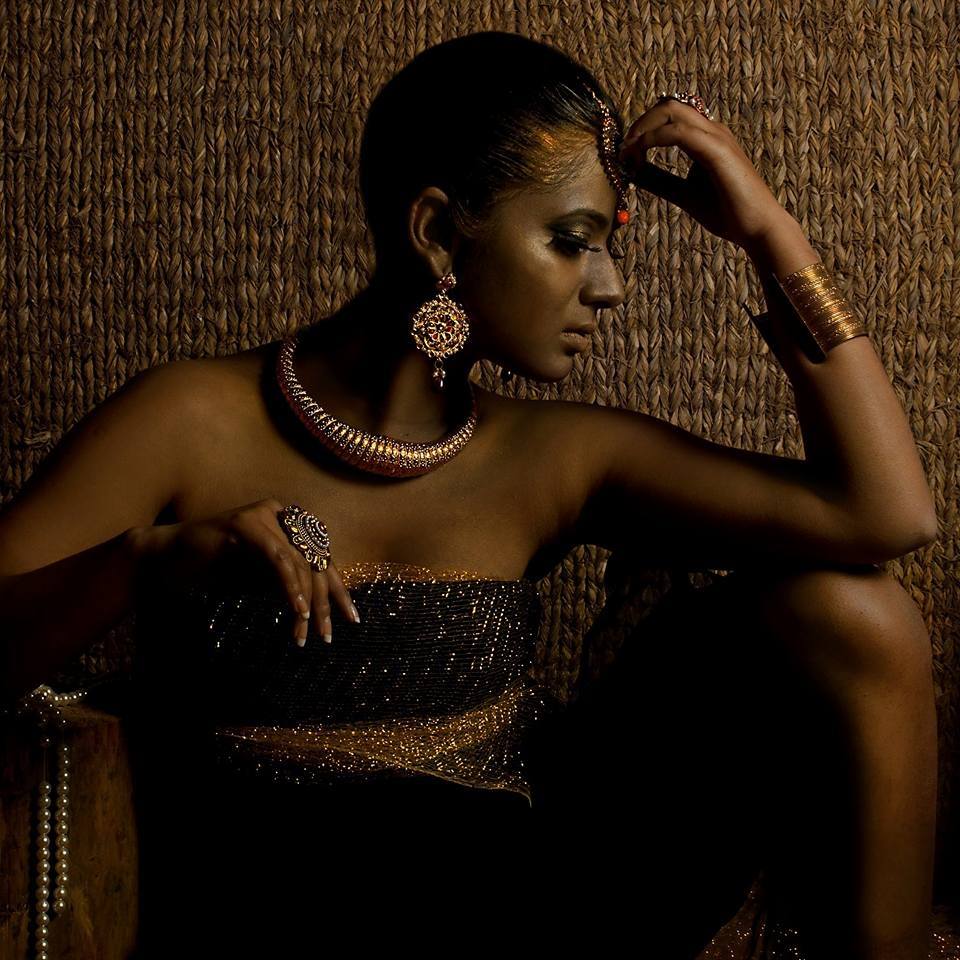
Keki Adhikari is a Nepalese film actress and a professional model. She has appeared in numerous music videos, television commercials, print ads and more than a dozen of Nepali movies. She started off her career featuring in several music videos before making it into the silver screen. She made her acting debut with Swor opposite Raj Ballav Koirala. She subsequently earned wide recognition for her performances in I Am Sorry and Masan, Mayako Barima, Mahasus, Biteka Pal and Mero Best Friend. She recently made her debut in theater with historical play Chaarumati, written by writer and a researcher Satyamohan Joshi.
keki Adhikari
Actress, Film Maker/ Producer
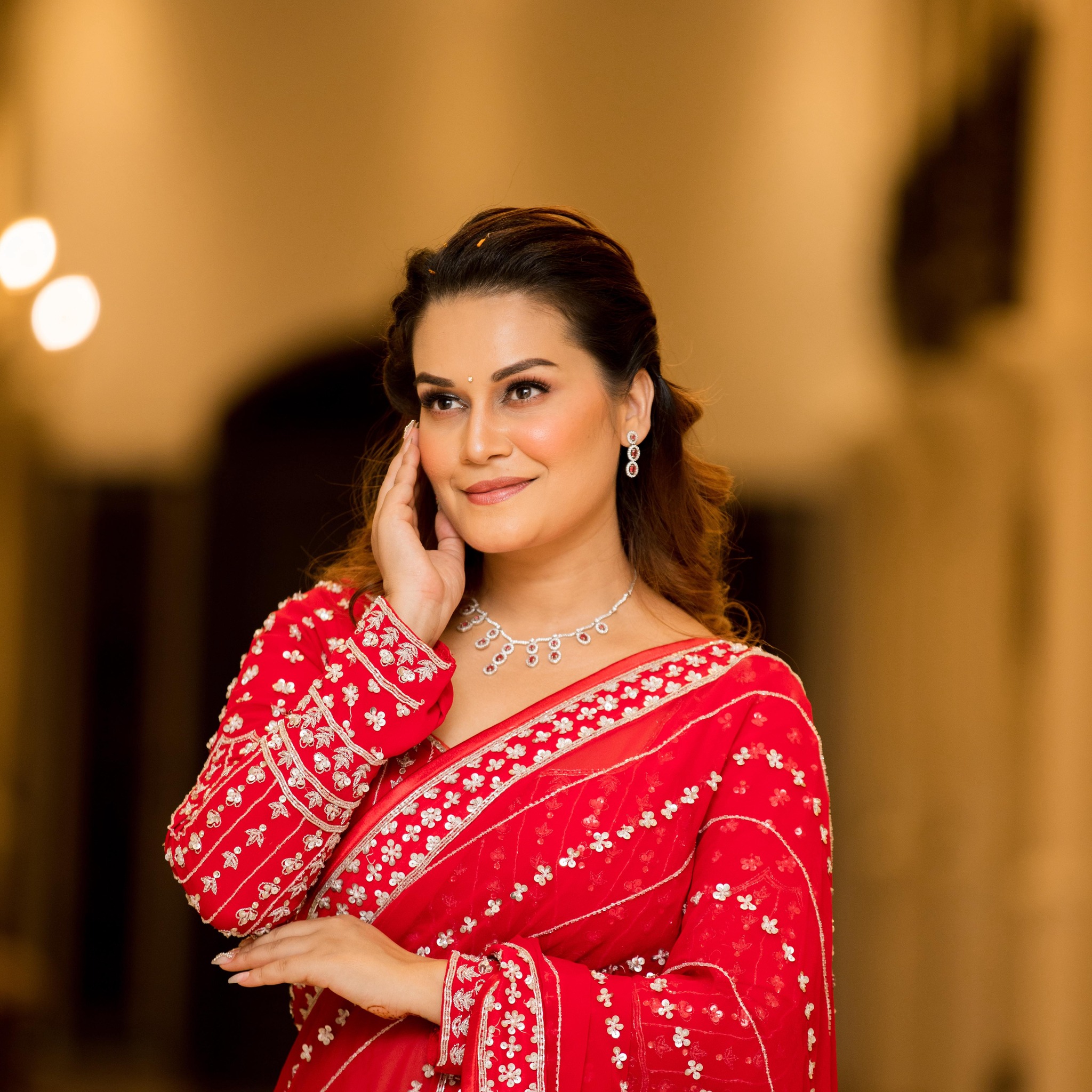
Reema Bishwokarma is a Nepali actress, beauty queen, model, VJ and television journalist . She was born on 5 August in Bardiya, Gulariya, Nepal. Reema did her first screen time when she was in grade 6 or 7 hosting a TV program “Jada Jadye” at an early age. She did her Lower-secondary schooling from Bhassara Secondary School, but completed her SLC from Navaratna Secondary School. Recently, she is doing bachelor 3rd year in Mass Communication from Pinnacle Academy. Before starting her acting career, she had worked as a VJ for Nepal Television and a news caster for National TV. She started her acting career from the music video Jindagibhar Saath Dinchhu Bhannele by Chris KC. This pretty girl Reema is highly appreciated in the Nepali music video by Shreya Ghosal’s Chayechha Basanta.Later she enter into Nepali movie industry. She debuted in the movie ‘Swor’ as an actress. The movie was released in 2011. The movie Swor directed by Prasanna Poudel under the production of MRS Movies Pvt. Ltd. Similarly, she did the movie like Visa Girl, Ritu and so on. Reema went to Rajasthan for the shooting of a music video and also went to Australia for the shooting of the movie “Ritu”. World recognized her from international franchise reality show "Nepal Idol". She co-hosted "Nepal Idol" which was highly praised by the Nepali speaking people around the world.
Rima Bishwokarma
Actress, Media Personality
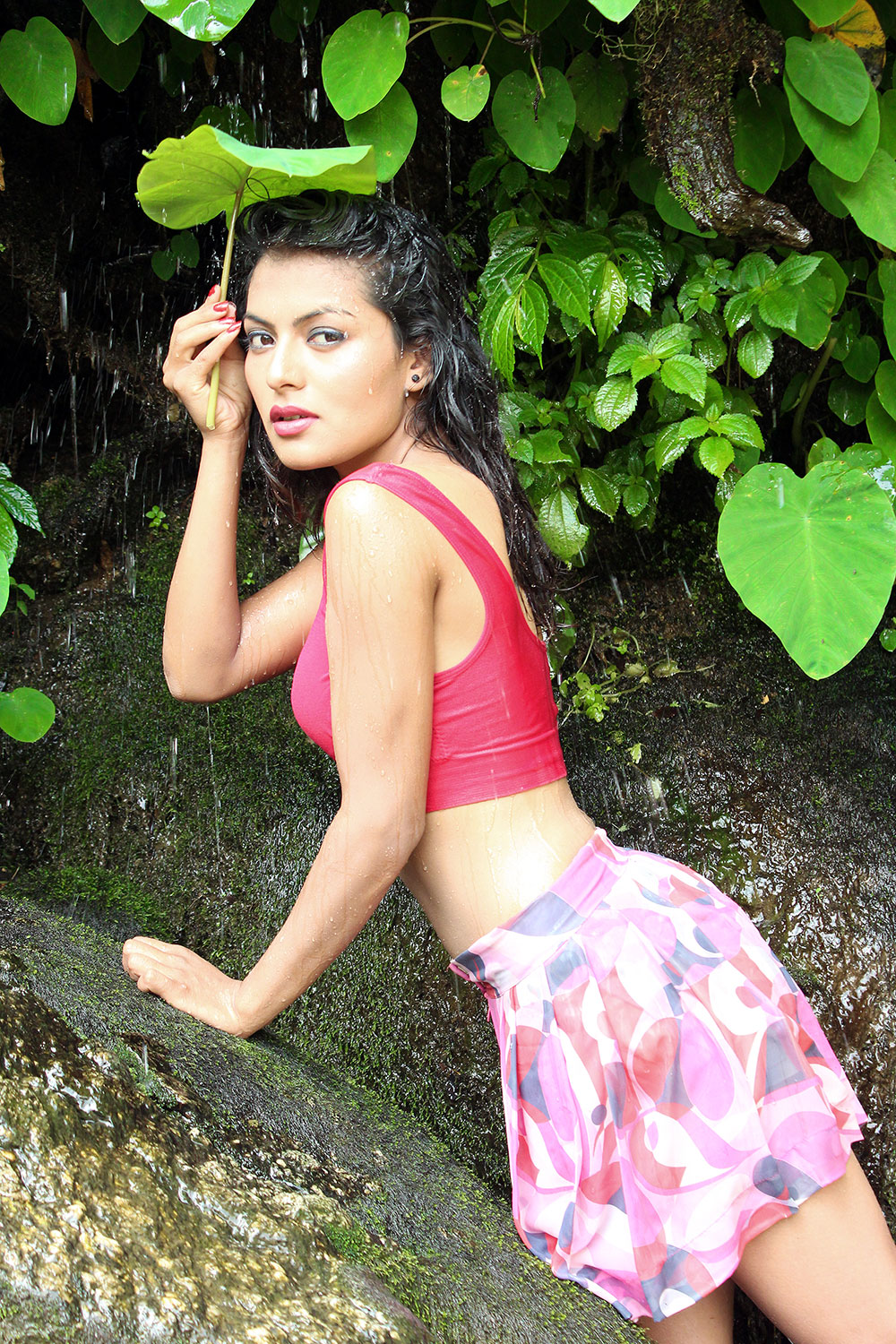
Supriya Katuwal is a renowned model, Actress and news anchor of Nepal. Her journey began as a music video artist. Supriya has done more than 100 music videos, some commercials, many photoshoots. Supriya is currently working as a program producer and presentor on AP1 Television.
Supiya Katuwal
Model, Actress, TV Presenter/ Host
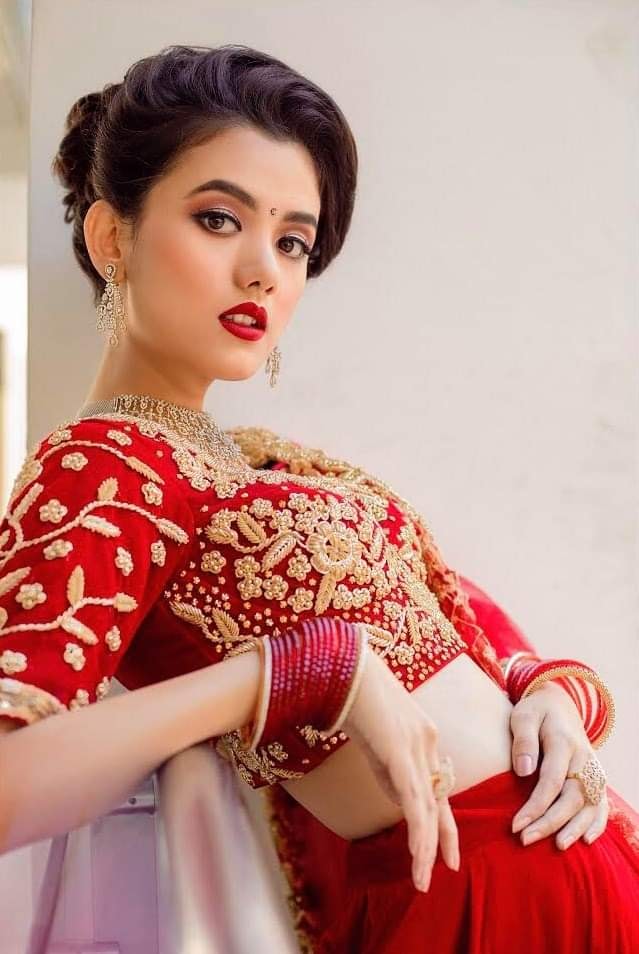
Kusum Gurung is a talented Nepali actress known for her captivating performances in the Nepali film industry. She made her debut with the movie "Meri Mamu" and has since gained recognition for her work. Career Highlights Debut Movie: "Meri Mamu" Beauty Pageant: Runner-up for Kid Queen Kathmandu 2004 Notable Works: Featured in music videos like "Timi Nabhaye" by Hemanta Rana and "Mamta" by Naren Limbu Theater: Played the character "Subbeni Kaki" in the play "Hariyo Dhunga" Personal Life Birthdate: October 7, 1997 Education: Bachelor's degree in Business Administration from the UK, currently pursuing a course in Arts and Entertainment in Nepal
Kusum Gurung
Actress