
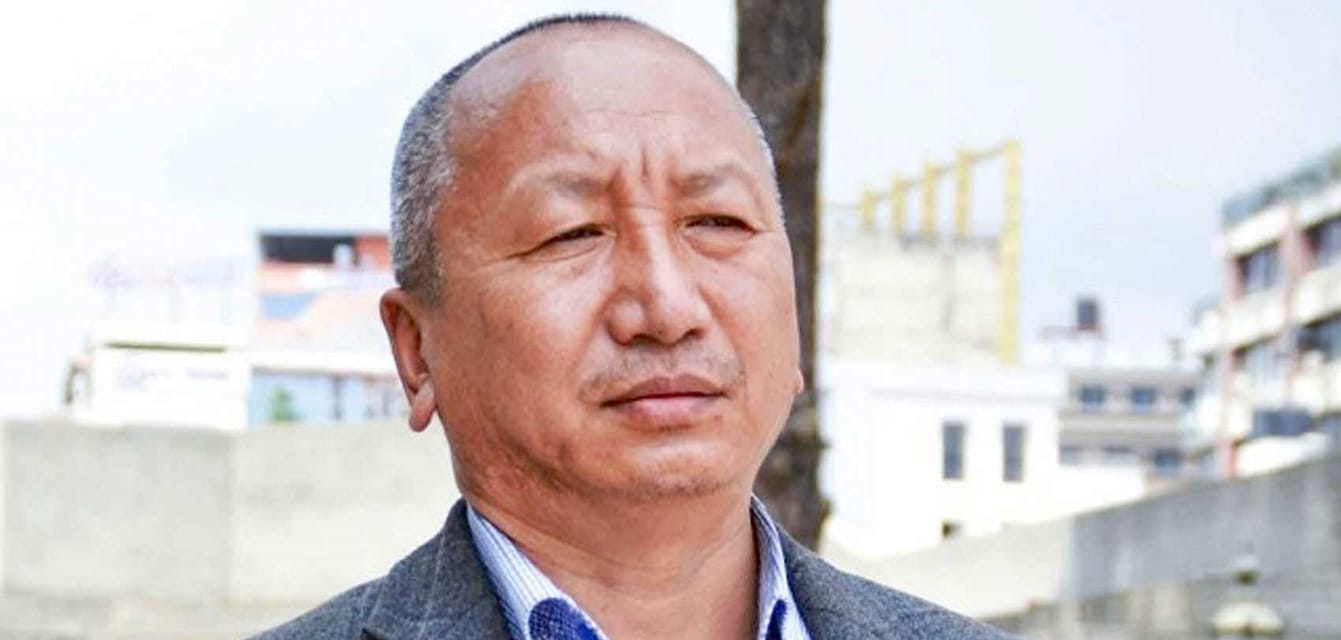
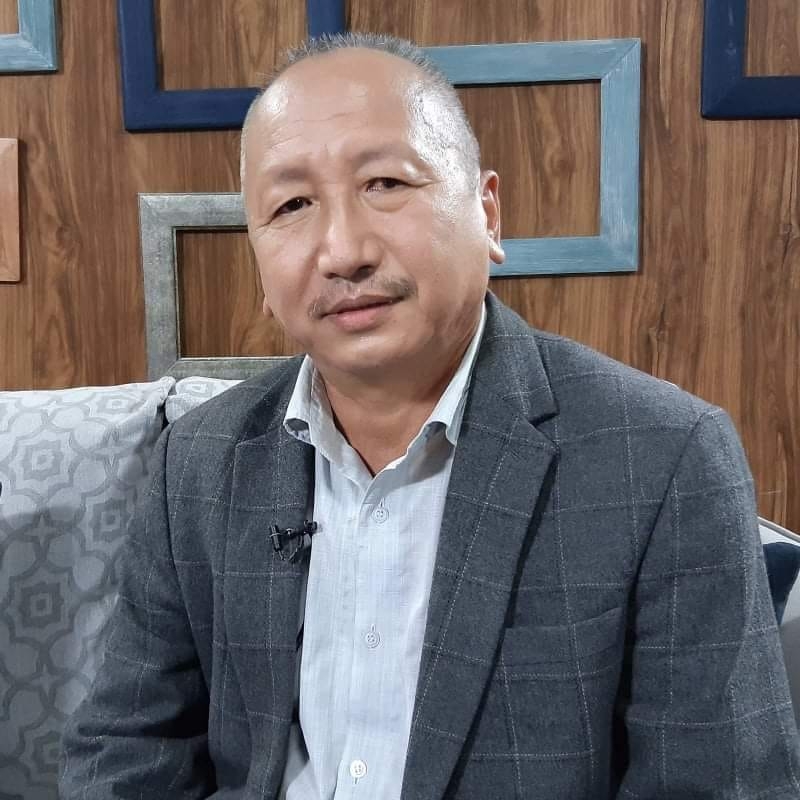
Shrawan Mukarung
@shrawanmukarung · Lyricist, writer-author
Shrawan Mukarung is a Nepali poet, writer, and lyricist known for his revolutionary and socially conscious works. Born on June 8, 1968, in Dilpa village, Bhojpur district, Nepal, he has published two books of poetry, one book of songs, one book of dr...
Biography
Shrawan Mukarung is a Nepali poet, writer, and lyricist known for his revolutionary and socially conscious works. Born on June 8, 1968, in Dilpa village, Bhojpur district, Nepal, he has published two...
Personal Info
Career Highlights
1
Films
—
Awards
26 yrs
Experience
—
Rating
Similar Artists
Artists you might also like
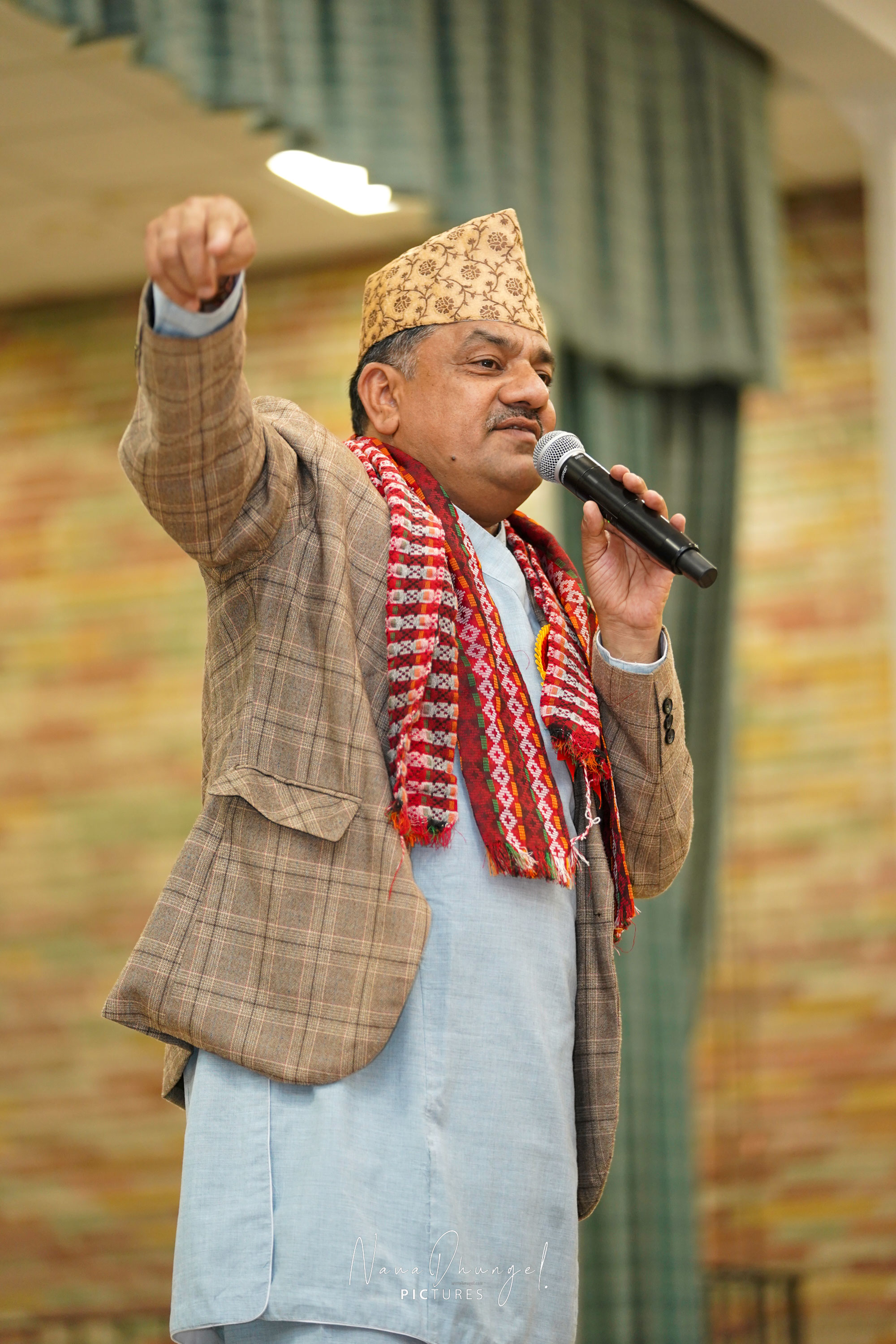
Dr. Naba Raj Lamsal is a Nepali poet, radio journalist, and government official. He was born on July 23, 1969, in Jyamrung, Dhading, Nepal. He has made significant contributions to Nepali literature and media, serving as the Director of Program Division at Radio Nepal and previously working as a correspondent for BBC Nepali Service. Career Highlights Dr. Lamsal began his poetry journey in 1984, publishing his first poem in Arunodaya newspaper. Over the years, he has written several epic poems, including: Paile Pichhe Sagarmatha (2004) Karn: Mahakavya (2009) Udum Udum Lagcha (2016) Dhara: Mahakavya (2017) Agni: Mahakavya (2021) – Winner of the Madan Puraskar (2022) Personal Life & Legacy Dr. Lamsal holds a PhD in Nepali Literature from Tribhuvan University. He has won multiple national literary awards, including the National Poem Competition and National Lyrical Music Competition. His work has been recognized for its depth, cultural significance, and poetic excellence.
Naba Raj Lamsal
Lyricist, Radio Jockey [RJ], writer-author
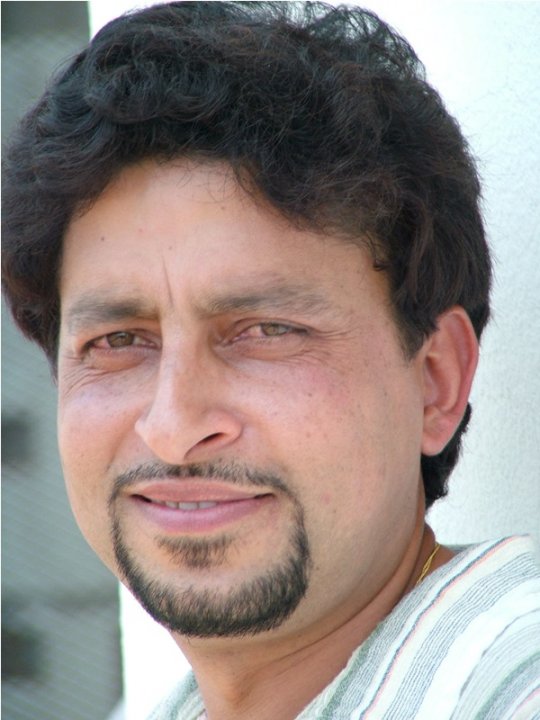
Arun Tiwari is a celebrated Nepali lyricist best known for penning timeless and emotionally charged songs that have touched millions. His lyrics—rich in human psychology, deep emotion, and poetic insight—reflect the bittersweet truths of life, love, and solitude. A prime example is his iconic song, "Janminda Eklai, Marda Ni Eklai", sung by Karna Das. The song became a cultural phenomenon and a defining moment in both their careers. Early Life & Inspiration Born on September 21 in Kathmandu, Arun was raised by his late parents Sudhanidhi Tiwari and Lalita Tiwari. From a young age, he was drawn to literature and poetry. He began writing poems during his school years at Shaheed Smarak and Bijaya Smarak schools. Inspired by his uncle, the eminent poet Bhimnidhi Tiwari, Arun’s talent blossomed as he presented his work at various school and national events, often rewarded with notebooks and pens—a testament to his early recognition. Academic Journey Arun completed his higher education at Tri-Chandra Campus, later earning a degree in History from Tribhuvan University. Despite his academic path, it was poetry and songwriting that truly defined his life's purpose. Musical Career & Milestones His songwriting journey began in earnest in 2049 B.S. (1992 A.D.) with the song "Sapana Hainan Mera Najarma" during his college years. Encouraged by friends, he approached composer Tika Bhandari, and the song was later recorded at Music Nepal's Kalikasthan studio by singer Nagendra Shrestha, with a modest budget of NPR 4,000. However, it was his 2058 B.S. song "Janminda Eklai", written in just three minutes, that catapulted him to national fame. In 2059 B.S., Ranjana Cassette Center paid NPR 30,000 for the lyrics—an unprecedented amount at the time for a single song’s words, marking a milestone for lyricists in Nepal. Arun has since written over 1,000 songs, with more than 400 composed and recorded. His work spans themes of heartbreak, romance, reflection, and societal truths. Published Works Albums: Sawan (2054 B.S.) Maya Sabailai (2056 B.S.) Bachnuko Artha (2057 B.S.) Effects (2059 B.S.) Swikaarokti (2061 B.S.) Best of Arun (2065 B.S.) Books: Eklai Eklai (2063 B.S.) Nadhkine Ishwor (2064 B.S.) Selected Poems of Arun (2066 B.S.) Influences & Personal Touches Arun draws inspiration from legendary figures such as Gopal Yonzon, Prakash Sayami, Karna Das, and Gulzar. He shares a fond memory of Prakash Sayami, who once gifted him a wrapped book—“Mera Kuch Saaman” by Gulzar—saying, “You have the flavor of Gulzar. This book is for you.” Arun still treasures that book as a symbol of mentorship and recognition. Legacy Arun Tiwari’s journey from a school poet to one of Nepal’s most respected lyricists is a testament to passion, perseverance, and artistic integrity. Through his heartfelt lyrics and poetic soul, he continues to inspire a new generation of artists and music lovers alike.
Arun Tiwari
Lyricist
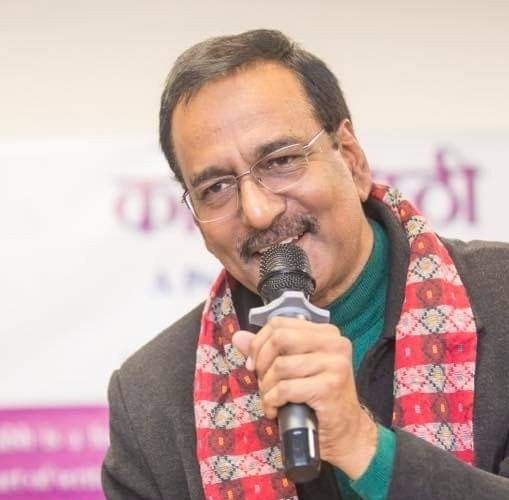
Rajendra Shalabh (also credited as Rajendra Salav) is a veteran Nepali filmmaker and lyricist whose career spans cinema, literature, media, and cultural programming. Active since 1990, he has directed notable Nepali films such as Bijaya Parajaya (1990), Bhauju (1993), and Paribhasha (1994), and contributed as a lyricist and writer across multiple projects.Beyond cinema, Shalabh is recognized as a poet, cultural organizer, and media professional. He has been involved in poetry recitation programs, literary events, and audiovisual poetry projects featuring major Nepali poets. His multidisciplinary work extends into television production, education, and entertainment management, including serving as Executive Director of CG Entertainment and working as a Law Associate at Tribhuvan University.
Rajendra Shalabh
Lyricist, Film Director
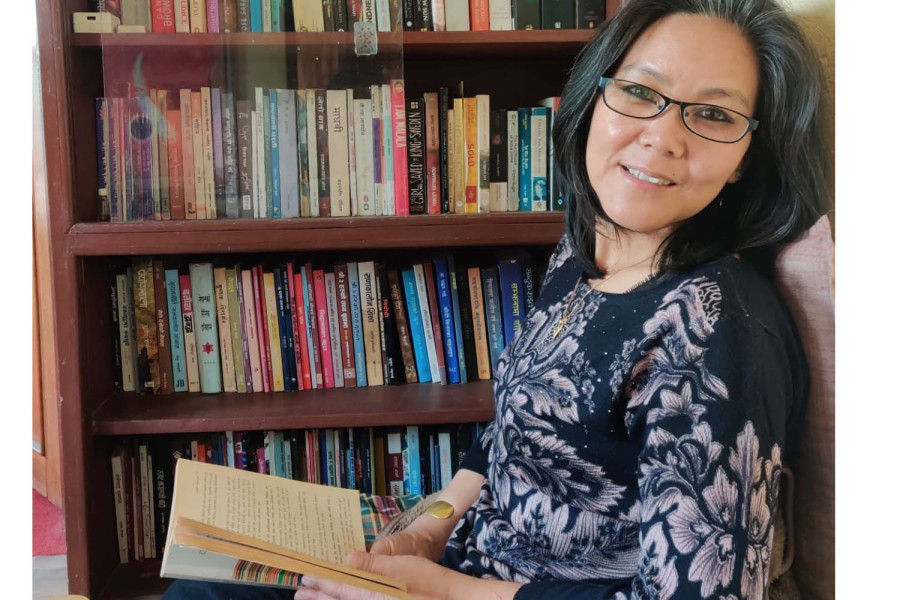
Manisha Gauchan is a Nepali writer, screenwriter, novelist, playwright, researcher, and former television journalist whose work spans literature, radio drama, journalism, and cinema. Recognized for her socially conscious storytelling, she explores themes of human emotions, disability, inclusion, identity, gender, and social justice through both fiction and screenwriting.Beginning her literary journey with poetry, Gauchan has established herself as a respected voice in contemporary Nepali literature. She is the author of four published books: the poetry collection Phoolharuko Rang Chaina (2003), the novel Walliko Diary (2006), Whitecane (2014), and Prativahan (2023). Her writings are widely appreciated for their emotional depth, character-driven narratives, and realistic portrayal of marginalized communities.Beyond literature, Gauchan has worked as a television journalist at Avenues Television, a Senior Radio Playwright at Antenna Foundation Nepal, and a freelance writer and researcher. Her multidisciplinary background has enriched her storytelling, allowing her to bridge journalism, literature, and visual media while advocating for inclusive narratives and social awareness.Expanding her creative journey into cinema, Manisha Gauchan co-wrote the screenplay for the Nepali feature film Bob Dai, directed by Praveen Shrestha. The project marks one of her notable contributions to the Nepali film industry as a screenwriter, bringing her literary sensibilities to the medium of film.
Manisha Gauchan
Screenwriter/Script Writer, writer-author, Writing & Literature