
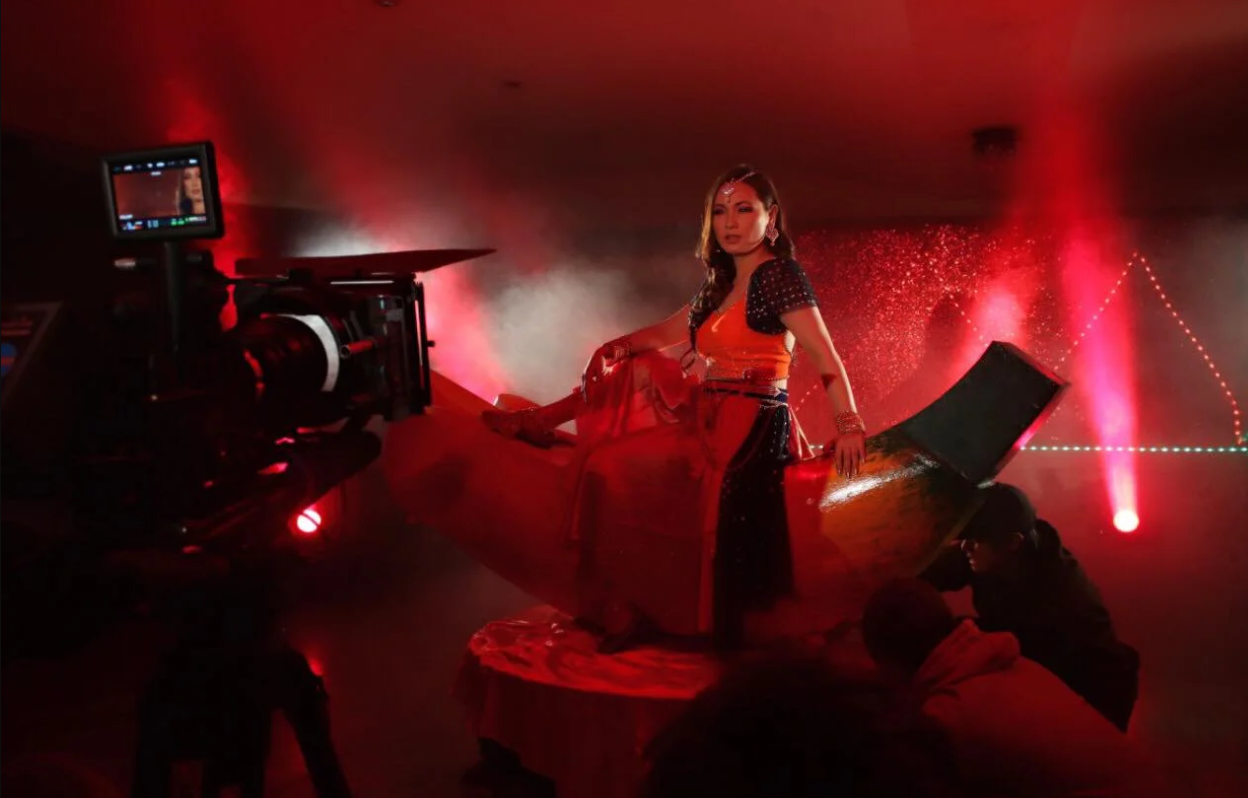

Barun Kawasi
@barun-kawasi · Film Director
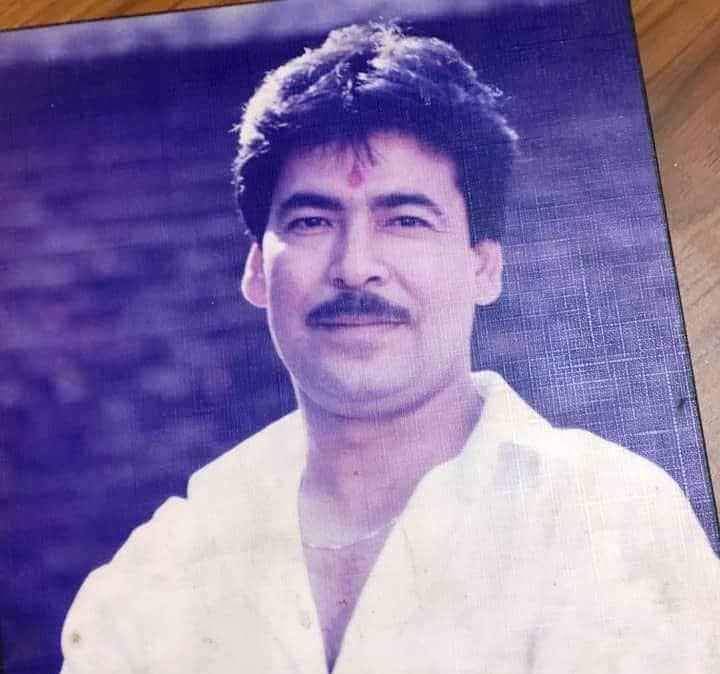
Barun Kawasi is the director of Jhoda (1987), known for his grounded storytelling and realistic portrayal of rural Nepali life. His direction emphasizes emotional authenticity, social themes, and character‑driven narratives, making Jhoda a notable fi...
Biography
Barun Kawasi is the director of Jhoda (1987), known for his grounded storytelling and realistic portrayal of rural Nepali life. His direction emphasizes emotional authenticity, social themes, and char...
Personal Info
Career Highlights
1
Films
—
Awards
—
Experience
—
Rating
Similar Artists
Artists you might also like
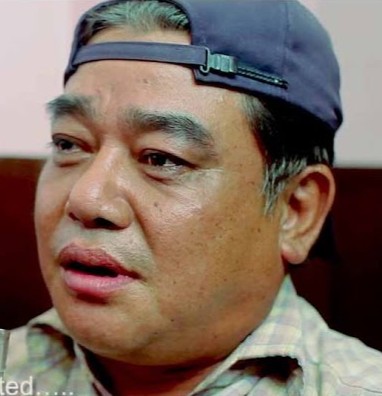
Shyam Rai is a veteran Nepali film artist who has remained active in the industry for more than four decades. He began his cinematic journey in 1984 with the film “Basudev,” marking the start of a long and diverse career. Rai is known not only as an actor but also as a director, executive producer, legal advisor, assistant director, clap coordinator, and special appearance artist, reflecting his wide creative range. He has acted in over 37 films, including notable titles such as “Seto Bagh” (2015), “Rato Ghar” (2017), and “Bihe Pass” (2023). His recent works include “Hostel 3” (2025) and “Magne Raja” (2025). As a director, Shyam Rai has left a strong mark with films like “Chot” (1990), “Sankalpa” (1993), “Abala” (1996), “Guru Chela” (1998), “Aankha Lobhi Man Papi” (2003), and “Samarpan” (2004). Respected for his dedication, versatility, and long-standing contribution, Shyam Rai remains one of the most experienced and multifaceted figures in Nepali cinema
Shyam Rai
Actor, Film Director
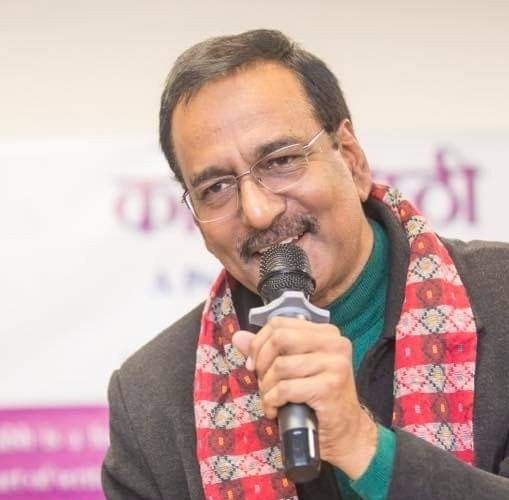
Rajendra Shalabh (also credited as Rajendra Salav) is a veteran Nepali filmmaker and lyricist whose career spans cinema, literature, media, and cultural programming. Active since 1990, he has directed notable Nepali films such as Bijaya Parajaya (1990), Bhauju (1993), and Paribhasha (1994), and contributed as a lyricist and writer across multiple projects.Beyond cinema, Shalabh is recognized as a poet, cultural organizer, and media professional. He has been involved in poetry recitation programs, literary events, and audiovisual poetry projects featuring major Nepali poets. His multidisciplinary work extends into television production, education, and entertainment management, including serving as Executive Director of CG Entertainment and working as a Law Associate at Tribhuvan University.
Rajendra Shalabh
Lyricist, Film Director
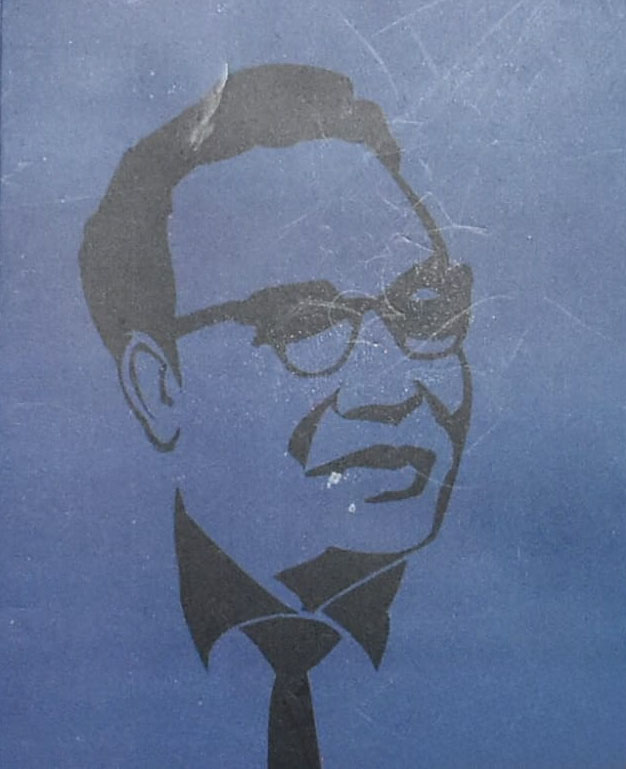
D.B Pariyar was a pioneering Nepali filmmaker best known for directing, writing, and shaping Satya Harischandra (1950), widely regarded as the first Nepali‑language feature film. Working from India during the early diaspora era of Nepali cinema, Pariyar helped establish the narrative, technical, and cultural foundations that later filmmakers would build upon. His contribution marked a defining moment in the transition from stage traditions to cinematic storytelling for Nepali audiences. Though historical documentation remains limited, Pariyar’s role as director, scriptwriter, and story creator positions him as one of the earliest architects of Nepali film history
D.B. Pariyar
Film Director
Gagan Birahi was a prominent Nepali film producer, director, writer, and lyricist, known for his versatile contributions to Nepali cinema and literature. Active from the early 1990s, he worked across filmmaking, screenwriting, and songwriting, earning recognition as a multi‑talented creative figure in the industry.He made his film debut with Sankalp (1993), followed by contributions to several notable films including Miteri Gaun and Badal. As a lyricist, he wrote songs for films such as Bhauju and Truck Driver, showcasing his poetic depth and narrative sensitivity.Gagan Birahi directed Miteri Gaun, the first Nepali feature film fully shot in Japan, marking a milestone in Nepali cinema’s international production history. Alongside filmmaking, he remained active in literature, writing poems, stories, and lyrics throughout his career.His final published work was the poetry collection “Hastakshar”, which he released from his hospital bed, demonstrating his lifelong dedication to writing even during his final days.Gagan Birahi passed away in October 2018 at the age of 61, leaving behind a respected legacy in both Nepali cinema and literature.
Gagan Birahi
Lyricist, Film Director, Film Maker/ Producer