
Subrat Raj Acharya
@subratrajacharya · Film Director, Music Video TVC Director, Media Personality
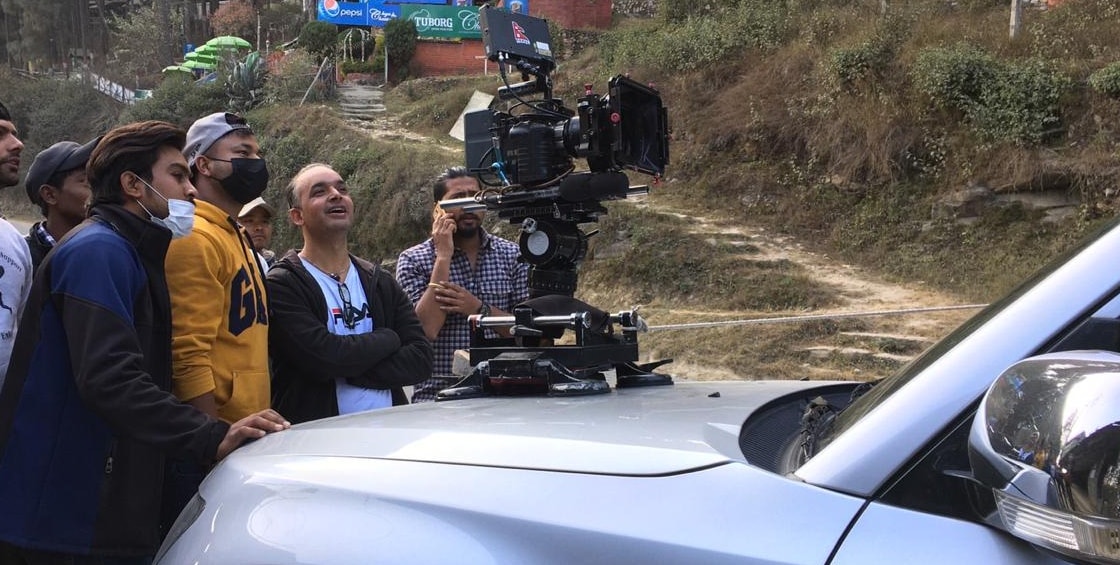
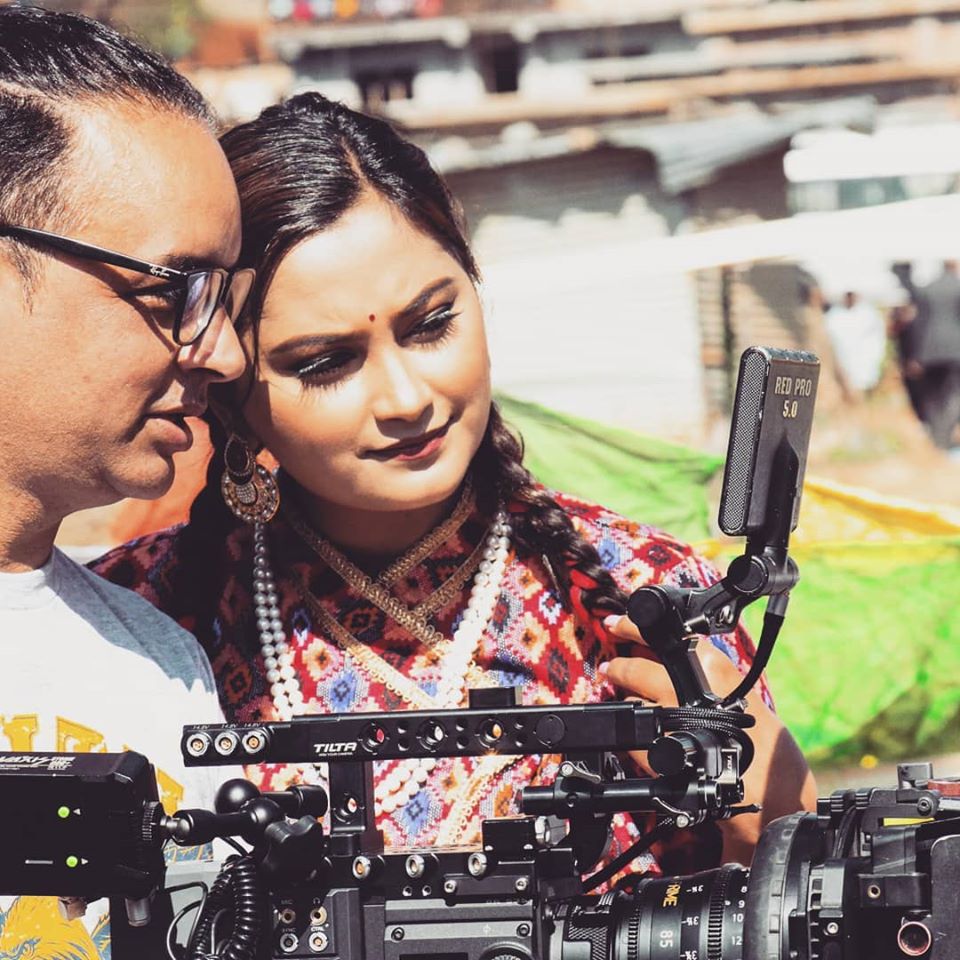
Subrat Raj Acharya is a Nepali media personality and director. He was associated with Kantipur Weekly for a long time. He has directed many music videos. He has also acted in movies and music videos. The first film he directed was ADHKATTI. The s...
Biography
Subrat Raj Acharya is a Nepali media personality and director. He was associated with Kantipur Weekly for a long time. He has directed many music videos. He has also acted in movies and music video...
Personal Info
Career Highlights
4
Films
—
Awards
—
Experience
—
Rating
Similar Artists
Artists you might also like
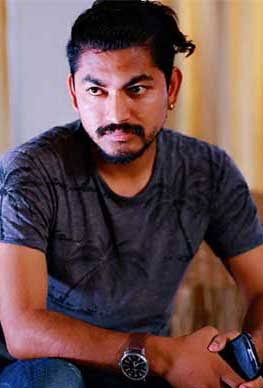
Dipak Oli (दीपक ओली) is a Nepali film director in the Nepalese cinema industry, known for helming social dramas and narrative feature films.
Dipak Oli
Film Director
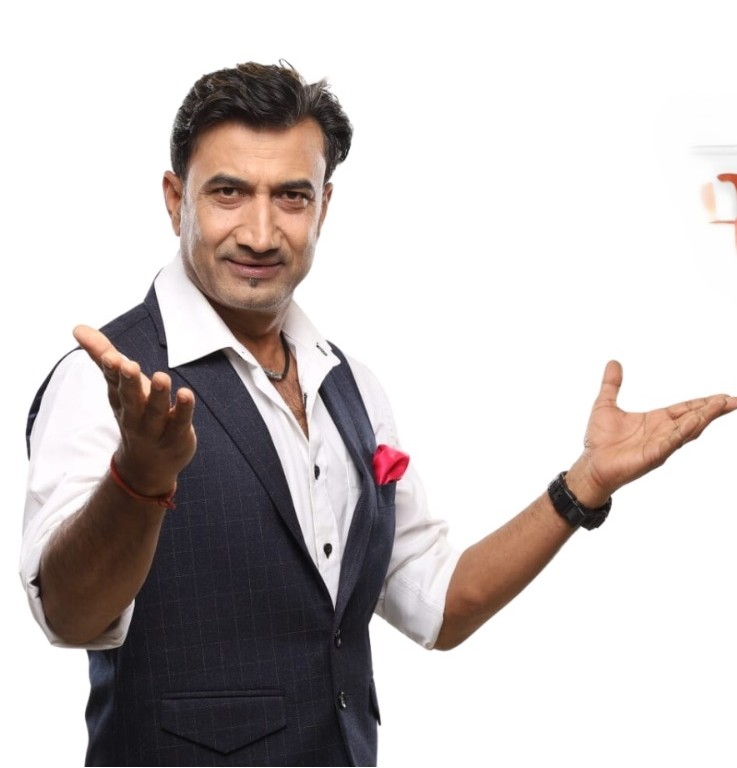
GP Timalsena is a Nepali actor and media artist known for his long involvement in television, short films, and awareness‑based visual projects. Active across multiple phases of Nepal’s entertainment scene, he has contributed to a range of social‑message serials, cultural programs, and character‑driven roles that highlight everyday Nepali life. His steady presence in front of the camera, combined with years of collaboration with various production teams, has made him a familiar face in community‑focused storytelling and broadcast media.
GP Timalsena
Media Personality

Suraj Sunuwar is a Nepali film director, writer, and producer based in Nepal and Hong Kong.
Suraj Sunuwar
Film Director
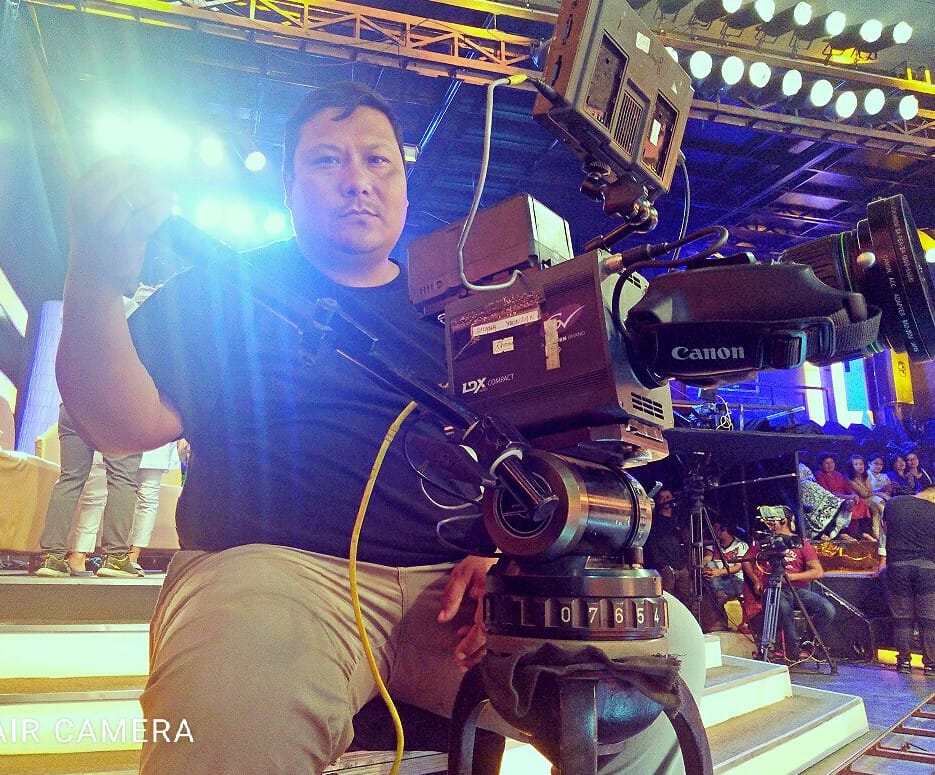
Amrit Sunuwar is a talented Nepali cinematographer and music video director. He has worked on numerous music videos and advertisements, showcasing his skills and creativity. Amrit is currently a senior camera person at AP1 Television. Career Highlights Music Videos: Amrit has directed and worked on various music videos, including "Rella - MT. 8848" and "Bhijyo Mero Rato Pacchyauri Chhadi Diyo" by Bibek Maharjan. Advertisements: He has also directed commercials, such as the Reliable Nepal Life Insurance TVC. Personal Life Amrit Sunuwar continues to make significant contributions to the Nepali entertainment industry with his dedication and talent. 🌟
Amrit Sunuwar
Cinematographer, Music Video TVC Director