
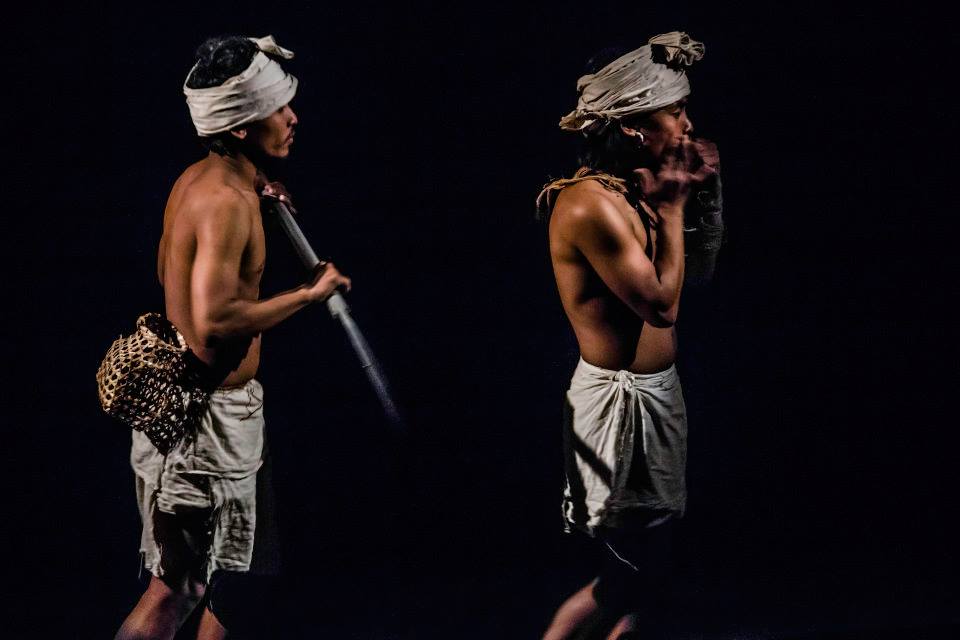

Sajan Thapa Magar
@sajanthapamagar · Theatre Artists, Performing Artists
Sajan Thapa Magar is a Theatre Artist & Nepali Film actor known for his roles in films such as "Pashupati Prasad" (2016), "Dokh" (2022), and "Naakaa" (2017). He has gained recognition for his performances and has built a reputation in the Nepali ...
Biography
Sajan Thapa Magar is a Theatre Artist & Nepali Film actor known for his roles in films such as "Pashupati Prasad" (2016), "Dokh" (2022), and "Naakaa" (2017). He has gained recognition for his perf...
Personal Info
Career Highlights
1
Films
—
Awards
—
Experience
—
Rating
Similar Artists
Artists you might also like
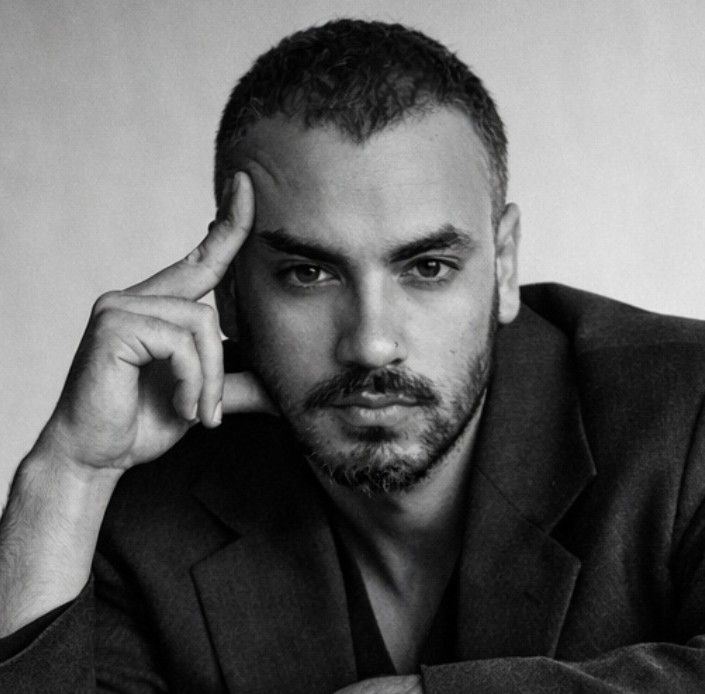
Gaurav Bista is a Nepali film and theatre actor who made his cinematic debut in 2023 with the feature films Chi Musi Chi and Parastree, both in lead roles. Active in theatre since 2017, he has built a strong craft foundation that shapes his nuanced screen performances. He appears in major upcoming films including Pitambar (2025), Ek Mutthi Badal (2026), and My Share of Sky, positioning him as one of the rising actors of contemporary Nepali cinema.
Gaurav Bista
Actor, Theatre Artists
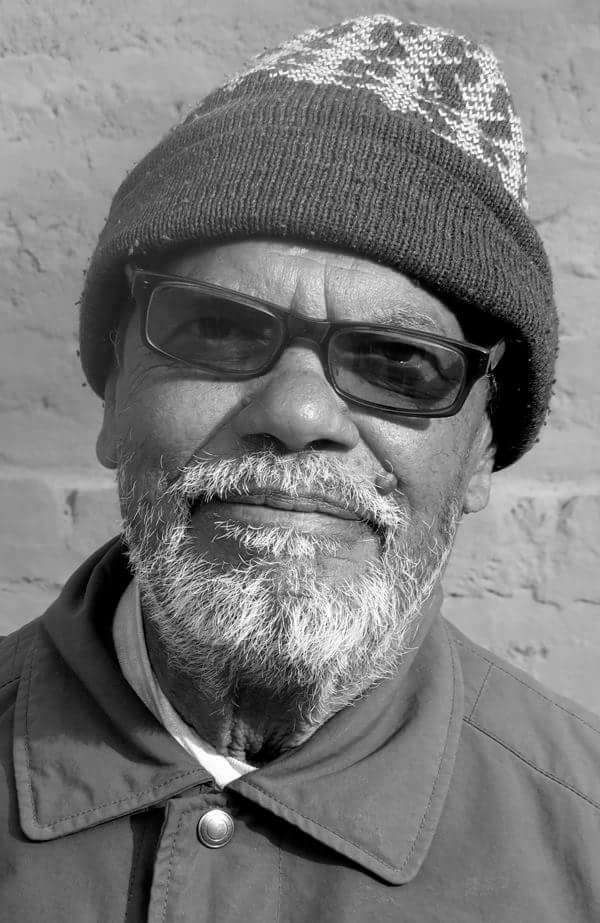
Bishnu Bhakta Phuyal (Nepali: विष्णुभक्त फुँयाल; 23 Bhadra 1994 B.S. – 19 Poush 2073 B.S. / 1937–2017 A.D.) was a distinguished Nepali theatre, film, television, and radio actor whose artistic career spanned more than five decades. Renowned for his dedication to the stage, expressive acting, and distinctive voice, he became one of Nepal's most respected performing artists. His contributions to theatre, radio drama, television serials, and cinema earned him widespread recognition, while his unforgettable performances made him a beloved figure among audiences across generations.Born in Thakalmat, Bageshwori, Bhaktapur, Bishnu Bhakta Phuyal was the youngest son of Kul Prasad Phuyal and Mahamaya Phuyal. Growing up in a culturally rich environment, he developed an early passion for acting and performing arts.Phuyal began his acting journey in 2019 B.S. (1962/63 A.D.) by performing in the Nepal Bhasa (Newar language) play Karmaya Bhog, marking the beginning of a lifelong commitment to theatre. Over the following decades, he became one of the country's most active stage actors, performing in hundreds of theatrical productions throughout Nepal. Deeply devoted to live theatre, he often expressed that stage acting provided a unique satisfaction that no other medium could replace. He particularly cherished performing in rural communities, believing that taking theatre directly to the people was one of the greatest joys of being an artist.In addition to theatre, Phuyal established himself as a familiar face in Nepali television and cinema. He appeared in around 200 television serials and 42 Nepali feature films, portraying a wide range of memorable characters. His versatility enabled him to move seamlessly between dramatic, comedic, and character-driven roles, earning admiration from audiences and fellow artists alike.His powerful and distinctive voice also made him a prominent figure in radio drama. Having performed in hundreds of radio plays and radio features, even Phuyal himself admitted that he had lost count of the number of productions in which he had participated. His voice became instantly recognizable to radio listeners throughout Nepal, making him one of the most familiar voices in Nepali broadcasting.Among television audiences, Bishnu Bhakta Phuyal became especially popular through the long-running comedy series Tito Satya, where he portrayed the father of actress Deepashree Niraula. His humorous character, energetic performance, and memorable catchphrase "You're My Love", delivered with a distinctive hip-hop style, became immensely popular and remains one of the most iconic comedic moments in Nepali television.Beyond acting, Phuyal was also a playwright. His collection of ten plays, titled Badhyata, was published in 2059 B.S. (2002 A.D.), reflecting his creative contribution not only as a performer but also as a writer.Throughout his career, he traveled extensively across Nepal, bringing theatre to cities, towns, and remote villages. As a cultural ambassador, he also visited countries including the United Kingdom, Bangladesh, and India, representing Nepali performing arts on international platforms. His lifelong dedication earned him numerous awards and honors in recognition of his outstanding contribution to Nepal's theatre and entertainment industry.Bishnu Bhakta Phuyal remained devoted to the stage until his final moments. On 19 Poush 2073 B.S. (January 3, 2017), while portraying King Janak in the play Maharshi Yagyavalkya at the Rastriya Nachghar in Kathmandu, directed by Badri Adhikari, he suddenly collapsed during the live performance. Despite immediate medical attention, he could not be revived. His passing shocked Nepal's artistic community and became one of the most poignant moments in the history of Nepali theatre.Ironically, Phuyal had often expressed his wish to spend his final days serving the stage and had once said he hoped to die while performing. That wish was fulfilled, making his final performance a lasting symbol of his unwavering devotion to theatre.Today, Bishnu Bhakta Phuyal is remembered as one of Nepal's finest character actors and a true man of the theatre. Through hundreds of stage productions, countless radio dramas, television serials, and films, he dedicated his life to the performing arts. His passion, humility, memorable performances, and lifelong commitment continue to inspire generations of Nepali actors and theatre enthusiasts.
Bishnu Bhakta Phuyal
Character Artists, Theatre Artists, Film Artists
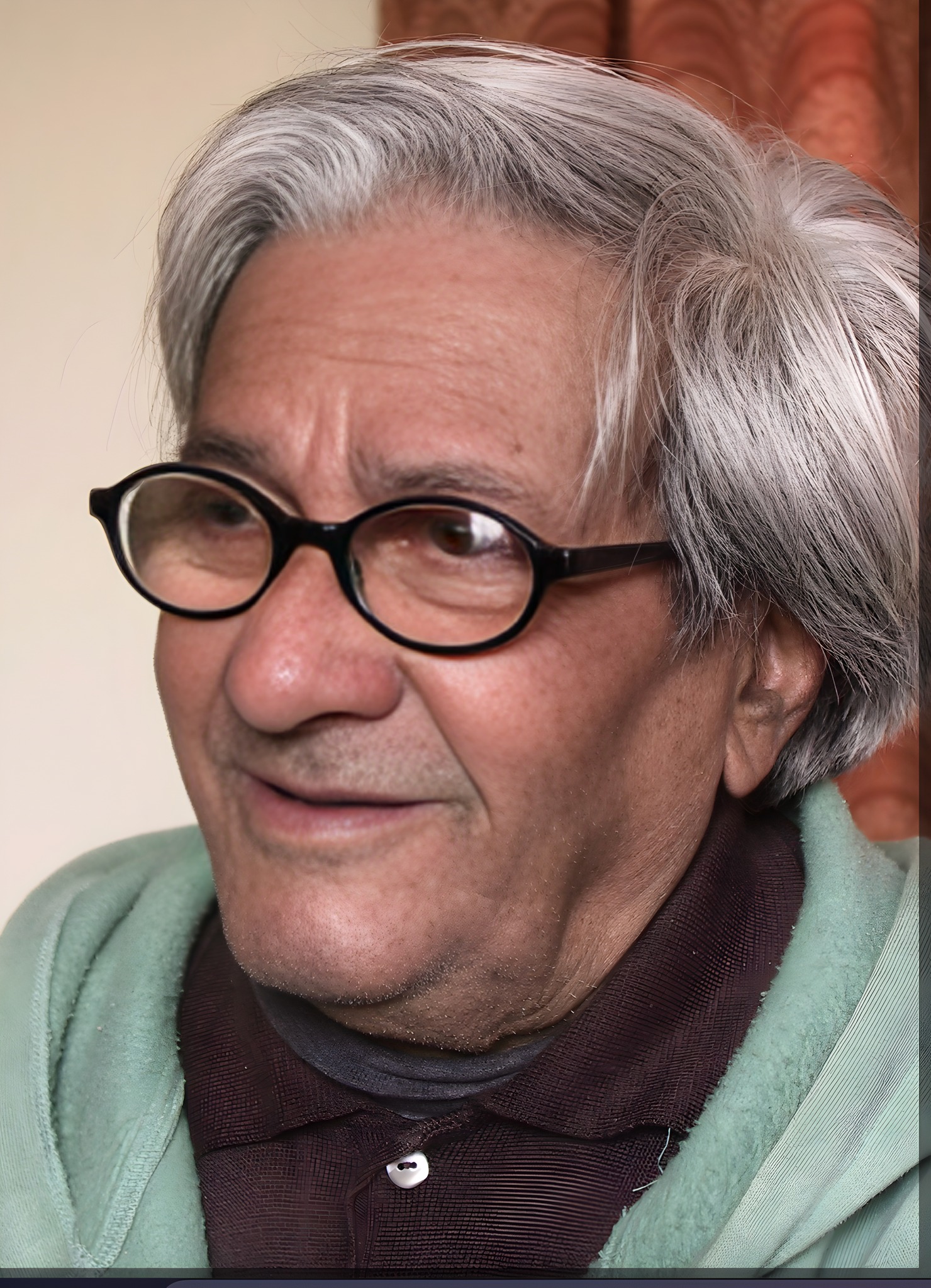
Hari Prasad Rimal is honored as one of the foundational figures of Nepali performing arts, celebrated for his pioneering contributions to theatre, music, and cinema. Widely recognized as Nepal’s first radio singer, he recorded Mero Mann Ma Timro for Radio Nepal in 1951, marking a historic milestone in the nation’s broadcasting and musical culture. Rimal was also a prominent stage actor and later transitioned into film, appearing in early Nepali classics such as Aama (1964). His expressive performances, disciplined craft, and commitment to artistic excellence helped shape the identity of modern Nepali acting. Over his long career, he received multiple honors acknowledging his influence on theatre, music, and the evolution of Nepal’s cultural landscape
Hari Prasad Rimal
Actor, Theatre Artists, Singer/ Performer

Sarita Giri is a prominent Nepali theatre actor and film artist known for her powerful performances and strong foundation in stage acting. She began her artistic journey shortly after completing her School Leaving Certificate (SLC), initially entering theatre without prior intention but later continuing due to overwhelming audience appreciation for her early performances.A trained theatre professional, Sarita Giri holds a diploma in theatre studies from Gurukul and has participated in various national and international workshops, including Alternative Theatre in India, Physical Theatre in New York, and Puppet Theatre in the Philippines. Her dedication to the craft has established her as one of the refined performers emerging from Nepal’s theatre movement.Transitioning from stage to screen, she has played significant roles in Nepali cinema, appearing in films such as Machha Machha (2019), Aama (2020), Kagaz Patra, Lappan Chhappan 2 (2020), Changa Chet, Sungava, and Red Monsoon. Her performance in Gurudakshina earned her the Best Actress award at the Dcine Awards, highlighting her versatility across both theatre and film mediums.Recognized as one of the finest theatre artists in Nepal, Giri has consistently emphasized the importance of theatre as a strong foundation for acting. She has actively participated in discussions and festivals, advocating for the growth of theatre and cinema in Nepal while continuing to contribute to both mediums with impactful roles.
Sarita Giri
Character Artists, Theatre Artists, Film Artists