
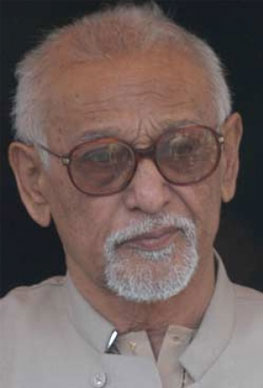
Prakash Thapa
Late Artists@prakash-thapa · Film Director
Prakash Thapa is regarded as one of the legendary directors of Nepali cinema, known for shaping the visual and narrative style of the industry during its formative decades. Active primarily in the 1980s and 1990s, he directed several influential film...
Biography
Prakash Thapa is regarded as one of the legendary directors of Nepali cinema, known for shaping the visual and narrative style of the industry during its formative decades. Active primarily in the 198...
Personal Info
Career Highlights
7
Films
1
Awards
46 yrs
Experience
—
Rating
Similar Artists
Artists you might also like
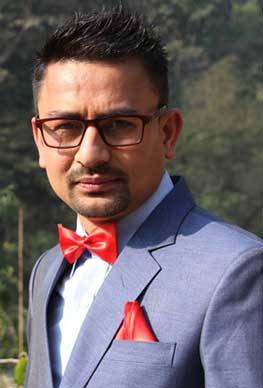
Suraj Bhusal is a Nepali film director and screenwriter who made a significant impact on modern youth-centric Nepali cinema in the mid-2010s.
Suraj Bhusal
Film Director
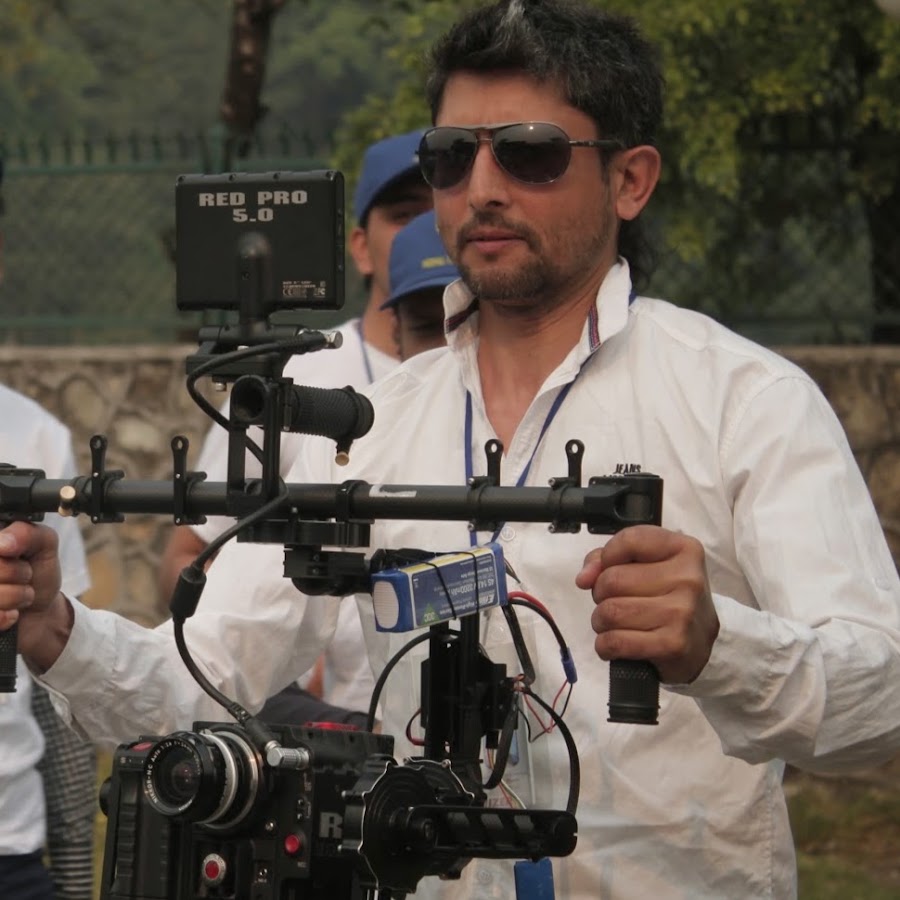
Yogesh Ghimire is a Nepali film director and writer who began his directorial career in the 2000s after working extensively as a chief assistant director on films such as Pirati Afai Hudo Raicha, Timrai Lagi, Kranti, Kanchi Nani, and Maidaan. Transitioning to direction with titles like Sapoot, Samjhana, Timi Matra Timi, Samjhana, Mero Maya Timilai, and Na Birse Timilai Na Paye Timilai, he later gained wider recognition through Notebook, Bhool Bhulaiyaa, Prem Diwas, and Radha, noted for emotional storytelling and mainstream appeal.
Yogesh Ghimire
Film Director
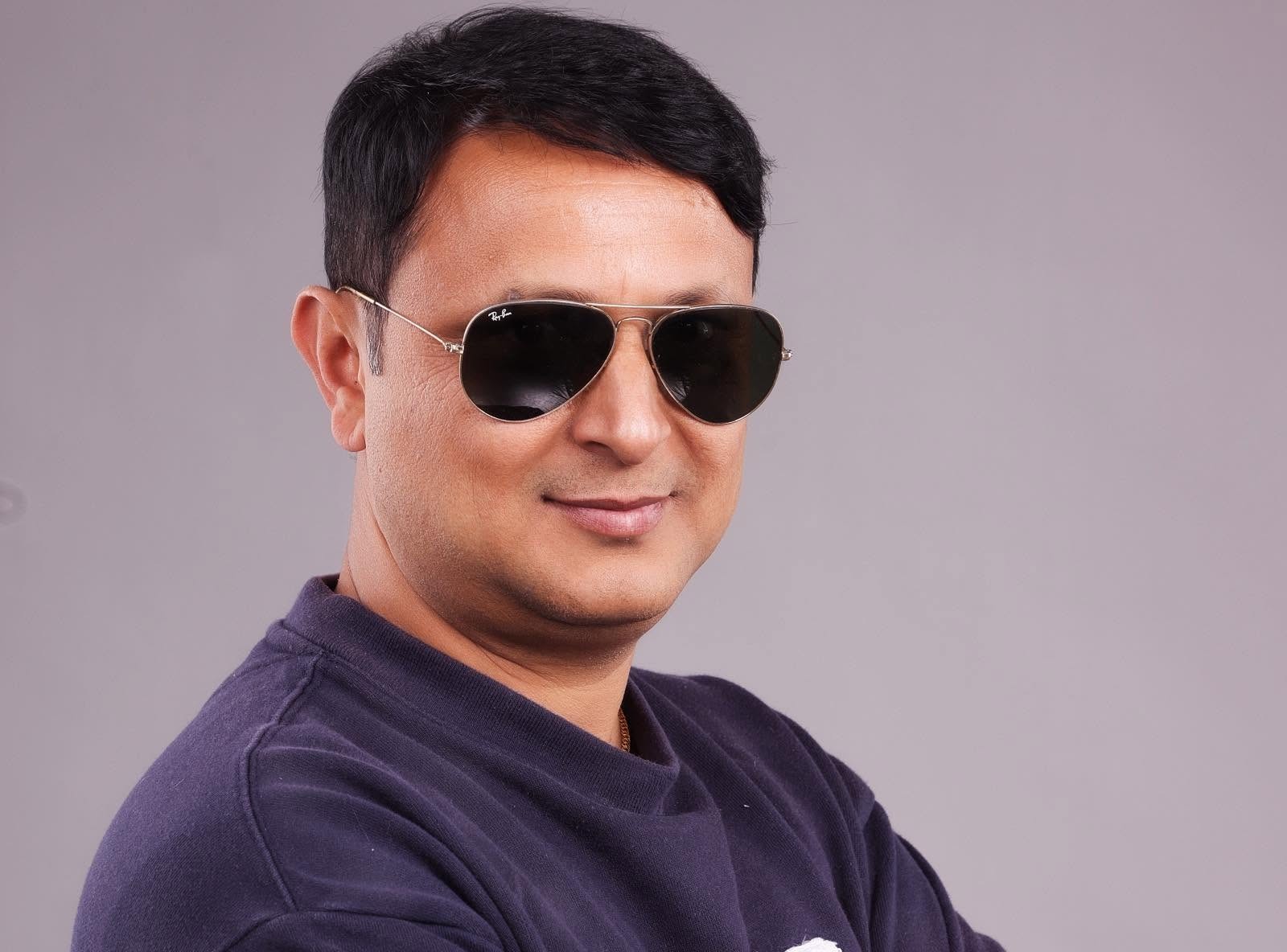
Ghanashyam Lamichhane is a Nepali filmmaker and director from Pokhara, active in cinema since 2000. Beginning his creative journey in theatre in 1998, he transitioned into film direction and established himself through works such as Dhauli (2014), Panche Baja (2018), Agnidahan (2017), London to Paris, and Chitra (2024). He has also directed TV serials including Aadha Khusi and Karkale Mamako Chautari, and produced the latter. With over 20 music videos, multiple documentaries, short films, and seven feature films, Lamichhane is recognized for his grounded storytelling and was honored with the Special Jury Award by the Film Development Board for Agnidahan in 2018.
Ghanashyam Lamichane
Film Director

Ugen Chhopel (also credited as Ugyen Chopel) is a Nepali film director and screenwriter best known for shaping the emotional, character‑driven style of late‑1980s and 1990s Nepali cinema. He made a landmark debut with the classic Saino (1988), a film that became a cultural milestone and later inspired the Hindi TV series Ajnabi. Chhopel continued his directorial journey with Bandhu (1992), Trishna (1991), Nepali Babu (1999), and the acclaimed fantasy‑drama Badal Paree (2001). His work spans Nepali and Indian productions, marked by emotional depth, strong performances, and cross‑cultural storytelling. Chhopel is also the nephew of actor Danny Denzongpa, linking him to a prominent artistic lineage.
Ugen Chhopel
Film Director