
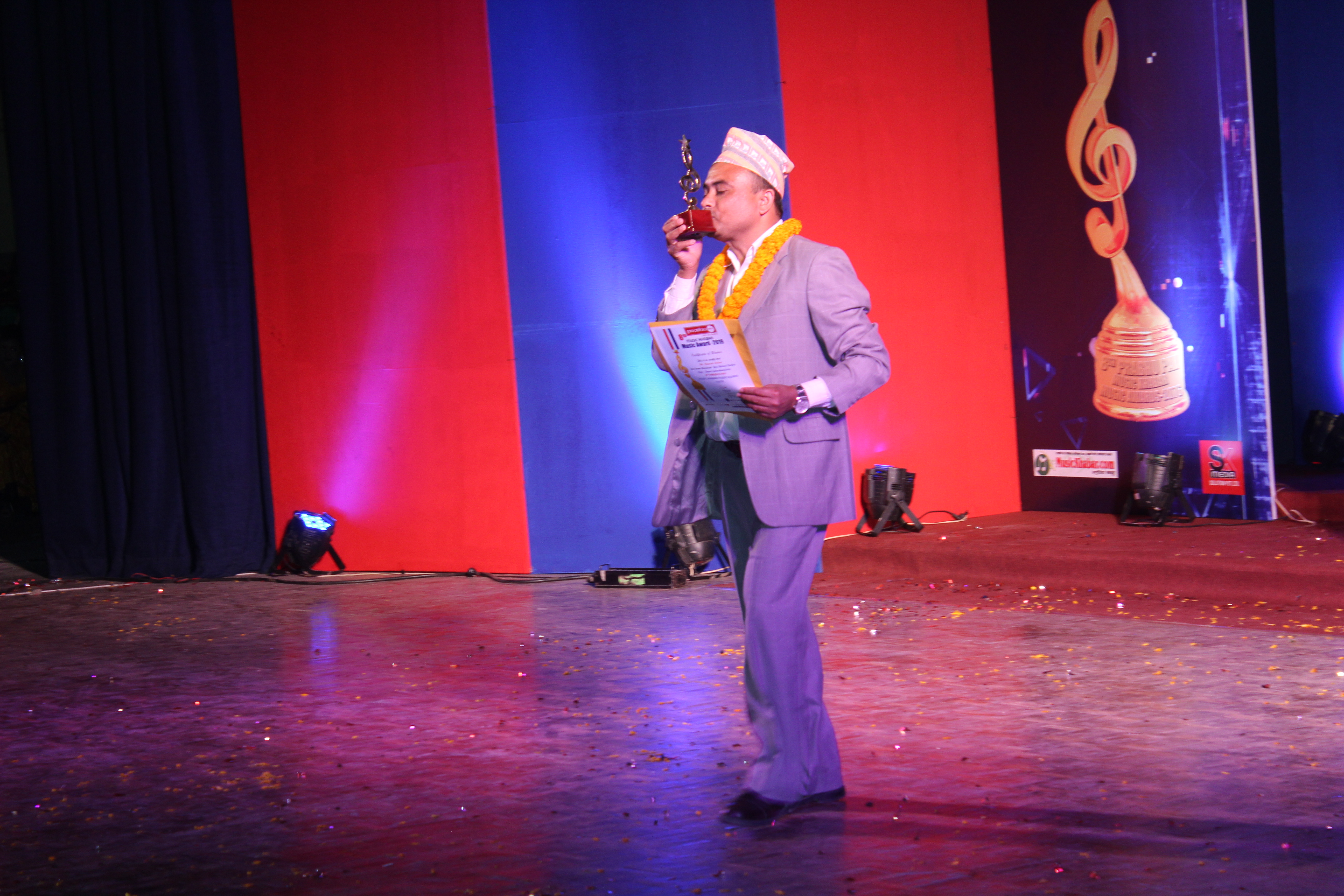

Ramesh Dahal
@o7e3vr6g12 · Lyricist
Ramesh Dahal is a Nepali lyricist who is writing lyrics for two and a half decades. Ramesh was born as an elder son of Pashupati Prasad and mother Balkumari Dahal in Dolakha. He has penned over a thousand songs. Among them, around three hundred songs...
Biography
Ramesh Dahal is a Nepali lyricist who is writing lyrics for two and a half decades. Ramesh was born as an elder son of Pashupati Prasad and mother Balkumari Dahal in Dolakha. He has penned over a thou...
Personal Info
Career Highlights
—
Films
5
Awards
—
Experience
—
Rating
Testimonials
“MSc. Environmental Science & Policy”
— Clark University
“MA Sociology”
— Tribhuvan University
Similar Artists
Artists you might also like
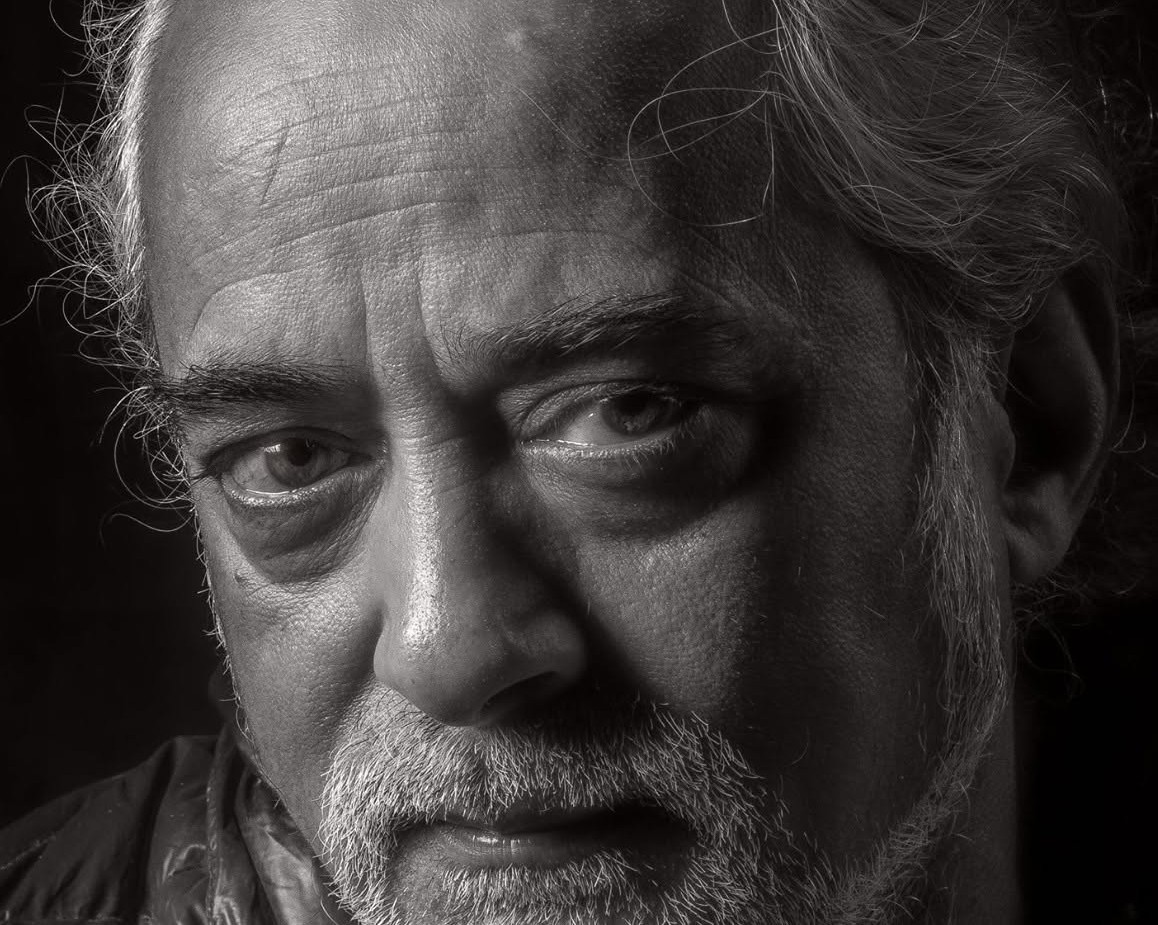
Viplob Pratik is a Nepali poet, lyricist, novelist, and editor known for his socially conscious poetry, modern Nepali lyrics, and editorial contributions to contemporary literature. Active since the late 1990s, he has published acclaimed poetry collections, novels, and lyrical works that explore themes of identity, politics, human emotion, and cultural transformation. His writing blends sharp observation with lyrical depth, establishing him as a distinctive voice in modern Nepali literature.
Viplob Pratik
Lyricist, Poet, Writing & Literature
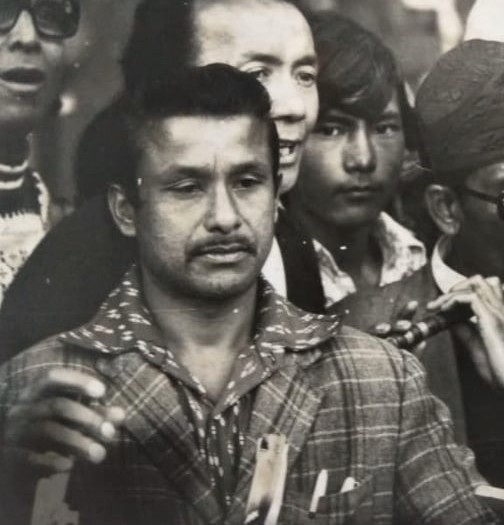
Jitendra Bardewa (Nepali: जितेन्द्र बर्देवा; 8 March 1942 – 2 July 1995) was one of the legendary figures of Nepali music and is widely regarded as one of the "Trimurti" (Trinity) of modern Nepali music. A gifted singer, songwriter, composer, music arranger, sitar player, and presenter, he made remarkable contributions to the development of Nepali modern music and remains one of its most versatile and influential musicians.Born in Darjeeling, India, Bardewa developed a deep interest in music from an early age. He became one of the closest and most accomplished disciples of the legendary Amber Gurung, who played a pivotal role in shaping his musical career. In 1956, Bardewa succeeded his mentor as the Head of the Music Department of the Lok Manoranjan Branch in Darjeeling, continuing the institution's rich musical legacy.Early in his career, Bardewa joined the renowned musical ensemble Sangam Club, alongside Peter J. Karthak, Sharan Pradhan, Ranjit Gazmer, and Aruna Lama. During his time with the group, he emerged as a talented singer and lyricist. One of Sangam Club's most memorable songs, "Hera Na Hera Kancha," a duet by Aruna Lama and Jitendra Bardewa, won a major music competition and remains one of the most cherished classics in Nepali music.Seeking greater artistic freedom, Bardewa later established his own musical group, Shravan, where his extraordinary talent flourished. As a sitar player, lyricist, composer, singer, music arranger, and presenter, he excelled in all six disciplines, earning widespread admiration for his creativity and musical excellence.Jitendra Bardewa wrote, composed, arranged, and performed many timeless Nepali songs that continue to resonate with listeners today. His best-known classics include "Ek Raat Thiyo Bharkharkai Thiyo," "Kopilamai," "Dhalkija Hai Joban Din Dhalke Jastai," and "Ban Dadheko Dekhinchha Hai," along with numerous other memorable compositions. His songs are celebrated for their poetic lyrics, rich melodies, and sophisticated musical arrangements.Throughout his career, Bardewa helped elevate the artistic standard of Nepali modern music by blending classical influences with contemporary musical expression. His versatility and dedication earned him lasting respect among musicians and audiences alike, making him one of the defining architects of Nepali music's golden era.Jitendra Bardewa passed away on 2 July 1995 at the age of 53. Although his life was cut short, his extraordinary body of work continues to inspire generations of singers, composers, and music lovers. Today, he is remembered as one of the greatest pioneers of Nepali modern music, whose timeless creations remain an invaluable part of Nepal's musical heritage.
Jitendra Bardewa
Music Director, Lyricist, Singer/ Performer

Anil Sthapit is a popular Name in the field of art. He is best known as a designer, photographer, songwriter and director. As a designer Anil Sthapit has done more then five hundreds of creative designed. He has designed most of the popular music albums to be produced from 2060 to 2070 BS. As a photographer Anil is also a creative photographer. Most of the album cover photos he designed were taken by him. As a lyricist Many songs written by Anil Sthapit are popular. Santosh Lama's batuwa, Hemant Rana's sikka and other songs are popular. As Director Music videos directed by Anil Sthapit were very popular. Batuwa, Puspa Gurung's rog ho ki video is more popular.
Anil Sthapit
Photographer, Lyricist, Visual Artists
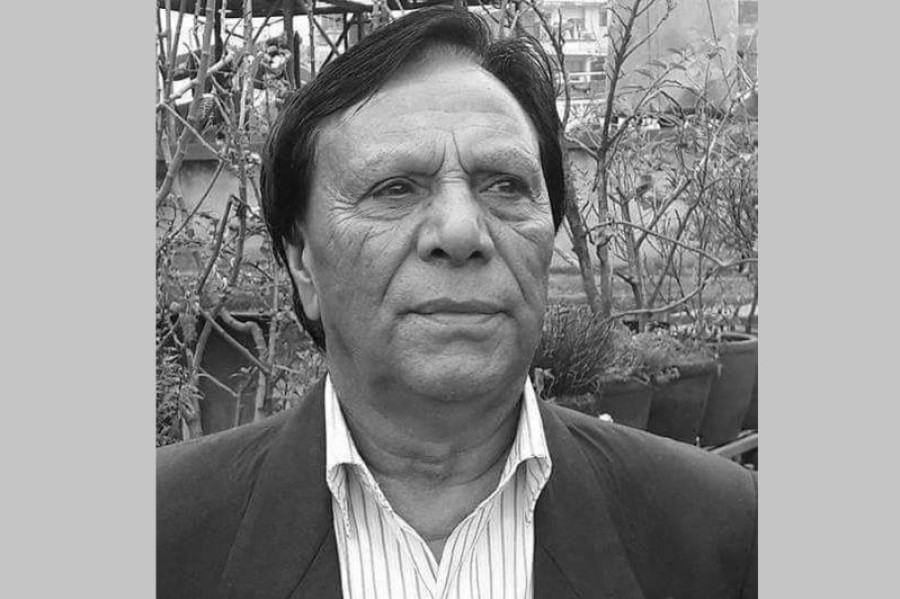
Bishwa Ballabh (born Ashoj 29, 2002 BS – died October 9, 2024) was a celebrated Nepali lyricist, poet, and Radio Nepal creator, known for writing more than 250 recorded songs that shaped modern Nepali music. Beginning his career as a teacher in Nuwakot, he later joined Radio Nepal, where he wrote and recorded iconic songs such as Bhagyale Khushi Khosera Lagyo, Shubhakamana, and Dherai Din Bho Timro Jhajhalko. He also hosted the popular program “Phulbari” and contributed to drama writing and direction. The younger brother of renowned writer Ishwar Ballabh, he remained an influential literary figure throughout his life. His passing at age 80 marked a significant loss to Nepali music and literature.
Bishwa Ballabh
Lyricist