


Dayaram Pandey
@dayaram-pandey · Lyricist
Dayaram Pandey is a Nepali lyricist known for his active contribution to modern Nepali music, film songs, and cultural programs, recognized for his clean lyrical style and growing leadership presence in Nepali creative organizations. He has written s...
Biography
Dayaram Pandey is a Nepali lyricist known for his active contribution to modern Nepali music, film songs, and cultural programs, recognized for his clean lyrical style and growing leadership presence...
Personal Info
Career Highlights
7
Films
—
Awards
22 yrs
Experience
—
Rating
Similar Artists
Artists you might also like
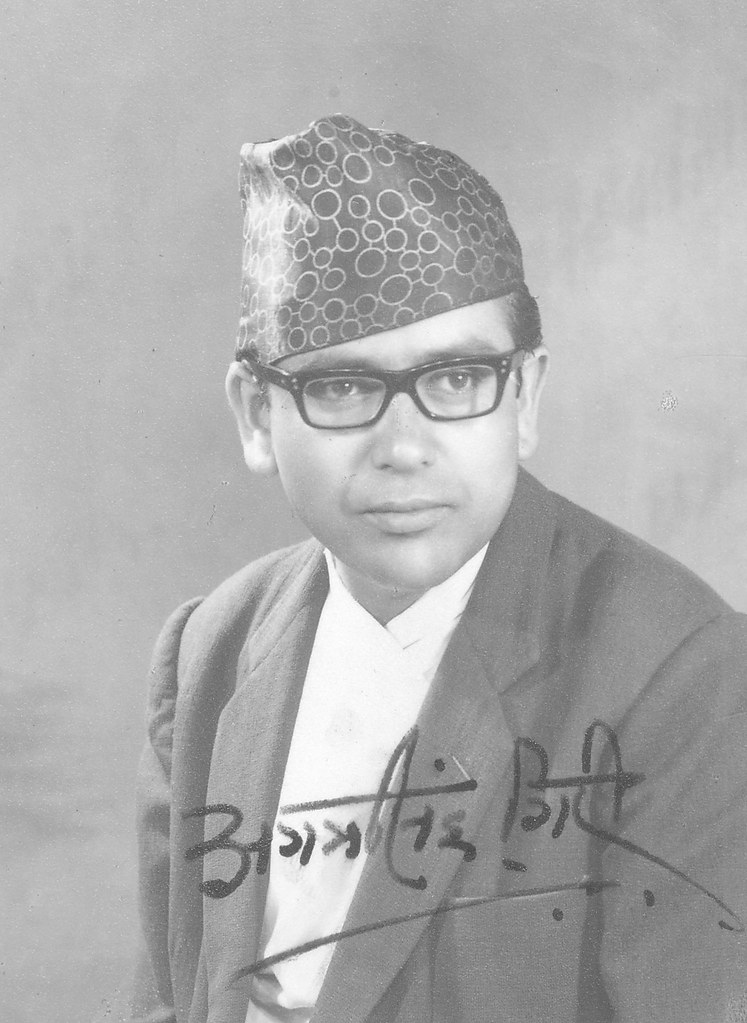
Agam Singh Giri (Nepali: आगम सिंह गिरी; 27 December 1927 – 31 January 1971) was one of the most influential Nepali-language poets and lyricists of the twentieth century. An Indian Gorkha writer from Darjeeling, West Bengal, India, he is celebrated for his profound contribution to Nepali literature and for giving voice to the identity, emotions, and aspirations of the Nepali-speaking community through his poetry and songs.Born as Hemraj Giri, he developed a passion for literature at an early age and began writing poetry while still a student. His first published poem, "Gorkhako Jay Hos," appeared in 1946, marking the beginning of a distinguished literary career. Inspired by both Nepali and world literature, Giri's writing blended lyrical beauty with themes of patriotism, humanity, social justice, love, and hope.Alongside poetry, Agam Singh Giri earned lasting recognition as a lyricist, writing several timeless Nepali songs. His famous lyric "Naulakhe Tara Udayo" remains one of the classics of Nepali music. His poems and songs are admired for their emotional depth, simplicity, and powerful expression.His notable literary works include Yaad (1955), Aatmakatha (1959), Jeevan Geet (1960), Aansu (1968), and the acclaimed Yuddha ra Yoddha (1970). He also contributed to the growth of Nepali literature by editing literary magazines and encouraging emerging writers.Despite passing away on 31 January 1971 at the age of 43, Agam Singh Giri left an enduring legacy. Today, he is remembered as one of the greatest Nepali-language poets and lyricists, whose timeless works continue to inspire readers, musicians, and literary enthusiasts across Nepal, India, and the global Nepali-speaking community.
Agam Singh Giri
Lyricist, writer-author, Writing & Literature
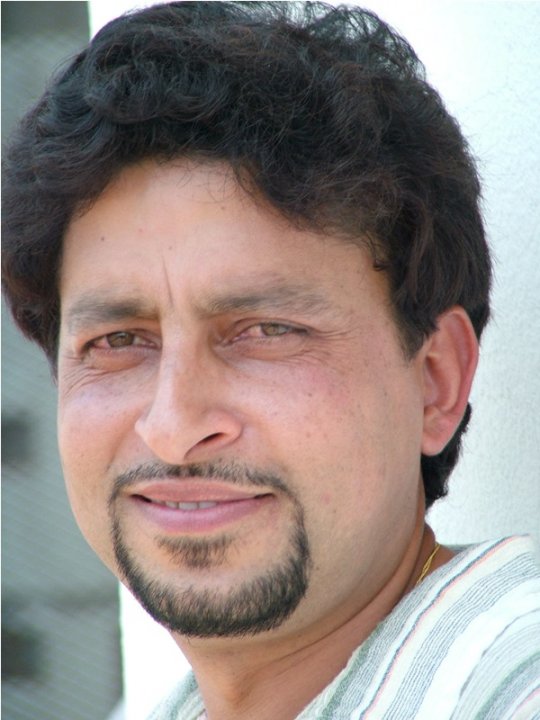
Arun Tiwari is a celebrated Nepali lyricist best known for penning timeless and emotionally charged songs that have touched millions. His lyrics—rich in human psychology, deep emotion, and poetic insight—reflect the bittersweet truths of life, love, and solitude. A prime example is his iconic song, "Janminda Eklai, Marda Ni Eklai", sung by Karna Das. The song became a cultural phenomenon and a defining moment in both their careers. Early Life & Inspiration Born on September 21 in Kathmandu, Arun was raised by his late parents Sudhanidhi Tiwari and Lalita Tiwari. From a young age, he was drawn to literature and poetry. He began writing poems during his school years at Shaheed Smarak and Bijaya Smarak schools. Inspired by his uncle, the eminent poet Bhimnidhi Tiwari, Arun’s talent blossomed as he presented his work at various school and national events, often rewarded with notebooks and pens—a testament to his early recognition. Academic Journey Arun completed his higher education at Tri-Chandra Campus, later earning a degree in History from Tribhuvan University. Despite his academic path, it was poetry and songwriting that truly defined his life's purpose. Musical Career & Milestones His songwriting journey began in earnest in 2049 B.S. (1992 A.D.) with the song "Sapana Hainan Mera Najarma" during his college years. Encouraged by friends, he approached composer Tika Bhandari, and the song was later recorded at Music Nepal's Kalikasthan studio by singer Nagendra Shrestha, with a modest budget of NPR 4,000. However, it was his 2058 B.S. song "Janminda Eklai", written in just three minutes, that catapulted him to national fame. In 2059 B.S., Ranjana Cassette Center paid NPR 30,000 for the lyrics—an unprecedented amount at the time for a single song’s words, marking a milestone for lyricists in Nepal. Arun has since written over 1,000 songs, with more than 400 composed and recorded. His work spans themes of heartbreak, romance, reflection, and societal truths. Published Works Albums: Sawan (2054 B.S.) Maya Sabailai (2056 B.S.) Bachnuko Artha (2057 B.S.) Effects (2059 B.S.) Swikaarokti (2061 B.S.) Best of Arun (2065 B.S.) Books: Eklai Eklai (2063 B.S.) Nadhkine Ishwor (2064 B.S.) Selected Poems of Arun (2066 B.S.) Influences & Personal Touches Arun draws inspiration from legendary figures such as Gopal Yonzon, Prakash Sayami, Karna Das, and Gulzar. He shares a fond memory of Prakash Sayami, who once gifted him a wrapped book—“Mera Kuch Saaman” by Gulzar—saying, “You have the flavor of Gulzar. This book is for you.” Arun still treasures that book as a symbol of mentorship and recognition. Legacy Arun Tiwari’s journey from a school poet to one of Nepal’s most respected lyricists is a testament to passion, perseverance, and artistic integrity. Through his heartfelt lyrics and poetic soul, he continues to inspire a new generation of artists and music lovers alike.
Arun Tiwari
Lyricist

Manoj Khadka is a passionate Nepali lyricist whose words bridge music, emotion, and meaning across generations. While his professional journey spans over two decades, working with renowned agencies such as SAARC, the World Bank, USAID, DFID, American Red Cross, and several other international, inter-governmental, and nonprofit organizations across Nepal, the USA, Africa, and many countries in Asia, songwriting becomes his creative passion — a space where he channels personal expression, cultural reflection, and social insight. His debut song, “Timi Je Bana Udaharan Bana”, performed by Pramod Kharel and Trishala Gurung, is a motivational piece especially cherished by children and educators. Among his most celebrated works is the historic song “Ghazal Unkai Geet Unkai”, which became the first-ever recorded song by three generations of the legendary Ghulam Ali Khan family — a rare and historic milestone in South Asian music history. His lyrical works have been brought to life by Nepal’s most respected voices, including “Gaughar Le Sodhyo Pardeshi Lai” by Ram Krishna Dhakal, “Tejasvi Apsara” by Menuka Poudel, “New York Sahar Ghumna” by Rajesh Payal Rai, and the powerful duet “Sensation” by Ram Krishna Dhakal and Pratap Das. Known for his ability to capture the nuances of romance, social dynamics, and cultural identity, Manoj’s songs resonate deeply with diverse audiences. His commitment to lyrical storytelling — grounded in emotion and cultural context — has positioned him as one of Nepal’s most thoughtful and boundary-crossing contemporary lyricists.
Manoj Khadka
Music Artists, Lyricist
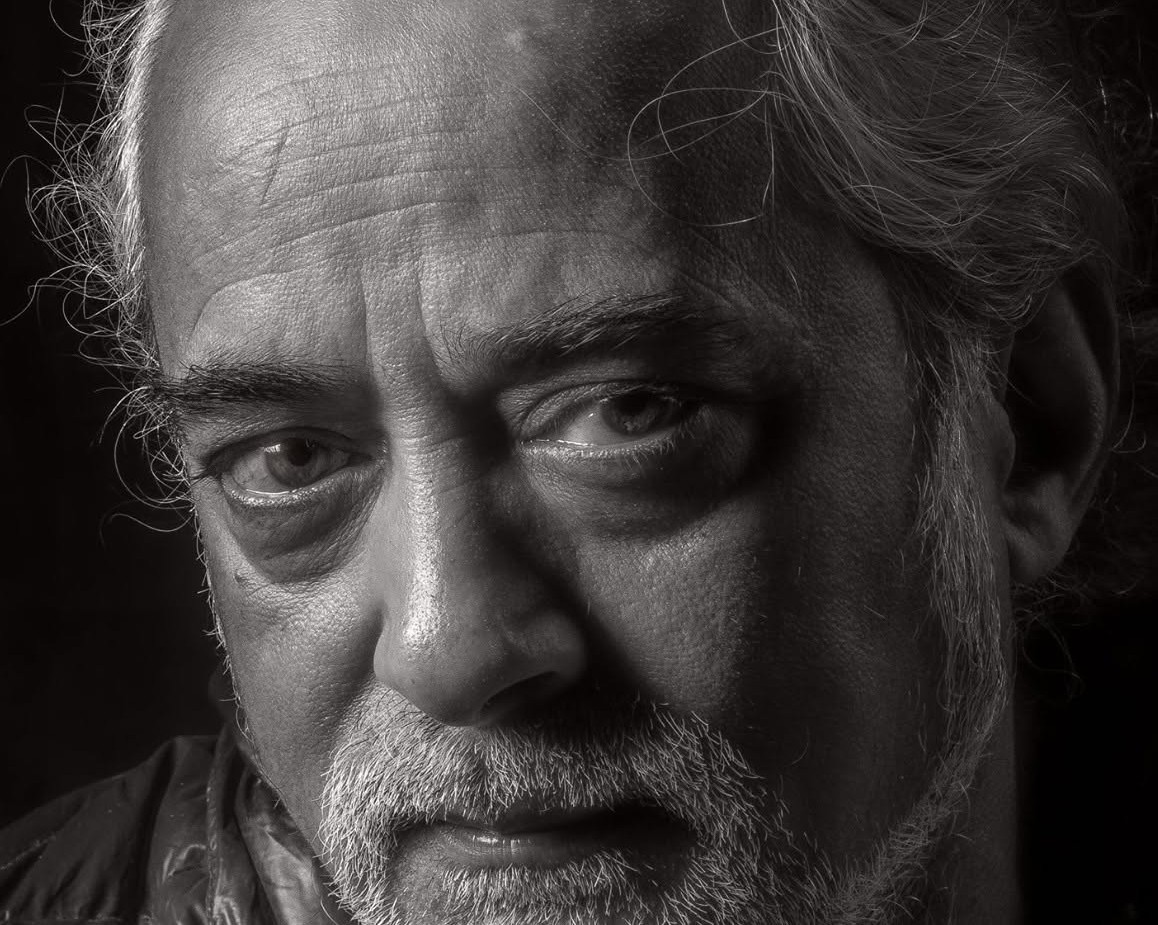
Viplob Pratik is a Nepali poet, lyricist, novelist, and editor known for his socially conscious poetry, modern Nepali lyrics, and editorial contributions to contemporary literature. Active since the late 1990s, he has published acclaimed poetry collections, novels, and lyrical works that explore themes of identity, politics, human emotion, and cultural transformation. His writing blends sharp observation with lyrical depth, establishing him as a distinctive voice in modern Nepali literature.
Viplob Pratik
Lyricist, Poet, Writing & Literature