


ACHYUT BAJAGAIN
@achyut-bajagain
Personal Info
Career Highlights
—
Films
—
Awards
—
Experience
—
Rating
Similar Artists
Artists you might also like
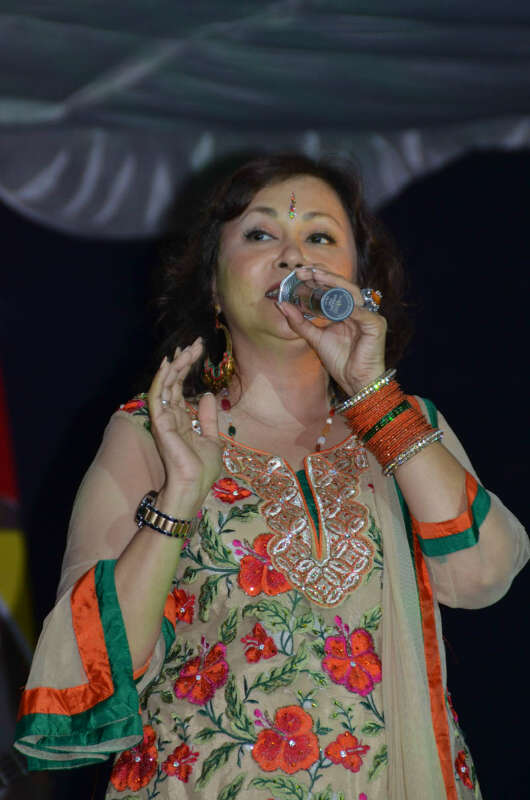
Poornima Shrestha, born Sushma Shrestha, is a celebrated Bollywood playback singer of Nepali Newar heritage whose voice defined several eras of South Asian music. Rising to fame as a child artist with hits like Hai Na Bolo Bolo and Tera Mujhse Hai Pehle, she later delivered chart‑toppers such as Kya Hua Tera Wada, earning multiple Filmfare nominations. Alongside her Indian career, she contributed significantly to Nepali music, singing beloved songs like “Ali Ali Haar Ho” (Sindoor), “Mero Maya Basyo Timro Mutuma”, “Jati Maya Laye Pani”, and several modern Nepali pop‑influenced tracks. With a career spanning five decades, Poornima remains one of the most enduring, versatile, and culturally connected voices in the region.
Poornima Shrestha
Playback Singer
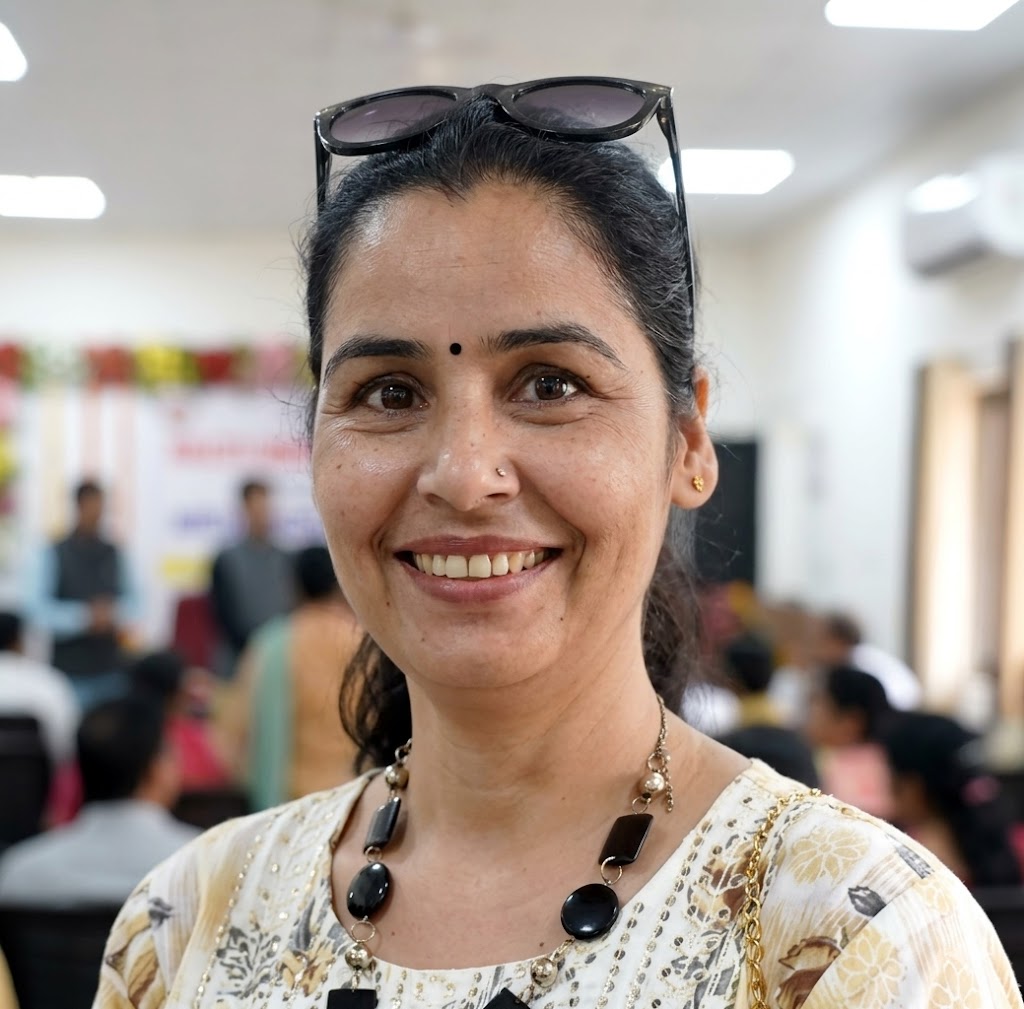
Megha Pokharel (मेघा पोखरेल) is a former Nepali film actress who was active in Nepali cinema during the mid-1990s. She is remembered for her appearances in social and romantic Nepali films and is considered one of the actresses associated with the 1990s generation of Nepali cinema. Although she remained active for a short period, her work in films like Soltini and Sannani helped her gain recognition among audiences of that era.Megha Pokharel appeared in the 1995 Nepali movie Soltini, directed by Arun Kumar Jha. The film featured actors including Lokendra Karki, Ravi Shah, Santosh Panta, Parvati Adhikari, and Chiranjibi Basnet. The movie became one of the notable social-romantic films of its time and introduced Megha Pokharel to mainstream Nepali film audiences.She later appeared in Sannani alongside Saroj Khanal, Hemanta Budhathoki, and Sunil Thapa.Megha Pokharel’s real name is believed to be Bimala Pokharel, while “Megha Pokharel” was used as her screen name during her film career. After the late 1990s, she gradually stayed away from the public film industry, her contribution remains part of the archival history of classic Nepali cinema.
Megha Pokharel
Actress

Melina Mainali, also known as Melu, is a talented Nepali singer. She was born on January 5, 2002, in Jhapa, Nepal. Melina gained widespread recognition after her mesmerizing audition video on Voice of Nepal, where her vocals and cute personality captured hearts. Let’s delve into her fascinating journey: Early Life: Melina is the youngest daughter of her parents, Ram Prasad Mainali and Laxmi Maya Mainali. She has an elder sister named Anita Mainali. Her passion for music blossomed from a young age. Blessed with a god-gifted voice, she honed her skills through practice and participation in interschool singing competitions and bhajan programs. Musical Career: Nepal Idol: Melina auditioned for Nepal Idol at a young age but wasn’t selected. Undeterred, she took this setback as a lesson and continued practicing. Voice of Nepal: In Voice of Nepal season 3, Melina sang “Lau Hai Maya” for her blind auditions and was selected for the Pramod team. She has emerged as one of the strong contestants in the show. Debut Song: After gaining popularity on Voice of Nepal, Melina made her debut in the music industry with the song “Choto Cha Jindagi”. The song, composed by Bhupu Pandey, portrays the lifestyle of economic migrants in the far-western region of Nepal. Melina’s vocals were well-acclaimed, establishing her name in the Nepali music industry. Popular Songs: Melina has collaborated with renowned singers like Kamal Khatri, Obi Rayamajhi, and Sunil Giri. Her songs “Fikka” and “Muglan” have garnered significant popularity, with “Fikka” trending at #1 on YouTube. Melina Mainali’s journey from a talented young singer to a rising star in the Nepali music scene is truly inspiring! 🎤
Melina Mainali
Music Artists
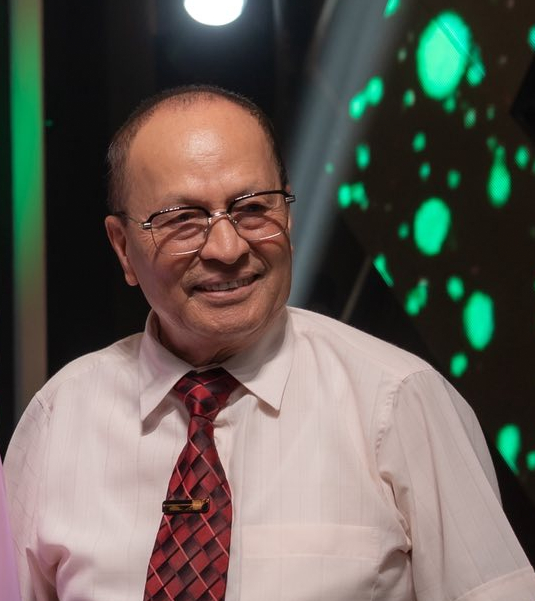
Basanta Shrestha is one of Nepal’s most prolific and influential choreographers, active from the early 1980s to the present, with a career spanning more than 150 films. Known for blending classical Nepali movement with modern cinematic rhythm, he helped define the visual language of Nepali song sequences across multiple eras of filmmaking. His choreography is recognized for precision, expressive storytelling, and the ability to elevate both folk and contemporary compositions. His collaborations with leading actors, directors, and filmmakers reflect his central role in shaping Nepali film dance.
Basanta Shrestha
Dance Choreographer