


Yam Thapa
@a181b142-250f-46c4-a045-73b449115d74 · Screenwriter/Script Writer, Film Director
Yam Thapa is a Nepali film writer and director known for his work across story, screenplay, dialogue, and direction in modern Nepali cinema. Active since 2014, he has contributed to several notable films, including Kohinoor (screenplay, dialogue), K ...
Biography
Yam Thapa is a Nepali film writer and director known for his work across story, screenplay, dialogue, and direction in modern Nepali cinema. Active since 2014, he has contributed to several notable fi...
Personal Info
Career Highlights
—
Films
—
Awards
8 yrs
Experience
—
Rating
Similar Artists
Artists you might also like

Shyam Rai is a veteran Nepali film artist who has remained active in the industry for more than four decades. He began his cinematic journey in 1984 with the film “Basudev,” marking the start of a long and diverse career. Rai is known not only as an actor but also as a director, executive producer, legal advisor, assistant director, clap coordinator, and special appearance artist, reflecting his wide creative range. He has acted in over 37 films, including notable titles such as “Seto Bagh” (2015), “Rato Ghar” (2017), and “Bihe Pass” (2023). His recent works include “Hostel 3” (2025) and “Magne Raja” (2025). As a director, Shyam Rai has left a strong mark with films like “Chot” (1990), “Sankalpa” (1993), “Abala” (1996), “Guru Chela” (1998), “Aankha Lobhi Man Papi” (2003), and “Samarpan” (2004). Respected for his dedication, versatility, and long-standing contribution, Shyam Rai remains one of the most experienced and multifaceted figures in Nepali cinema
Shyam Rai
Actor, Film Director
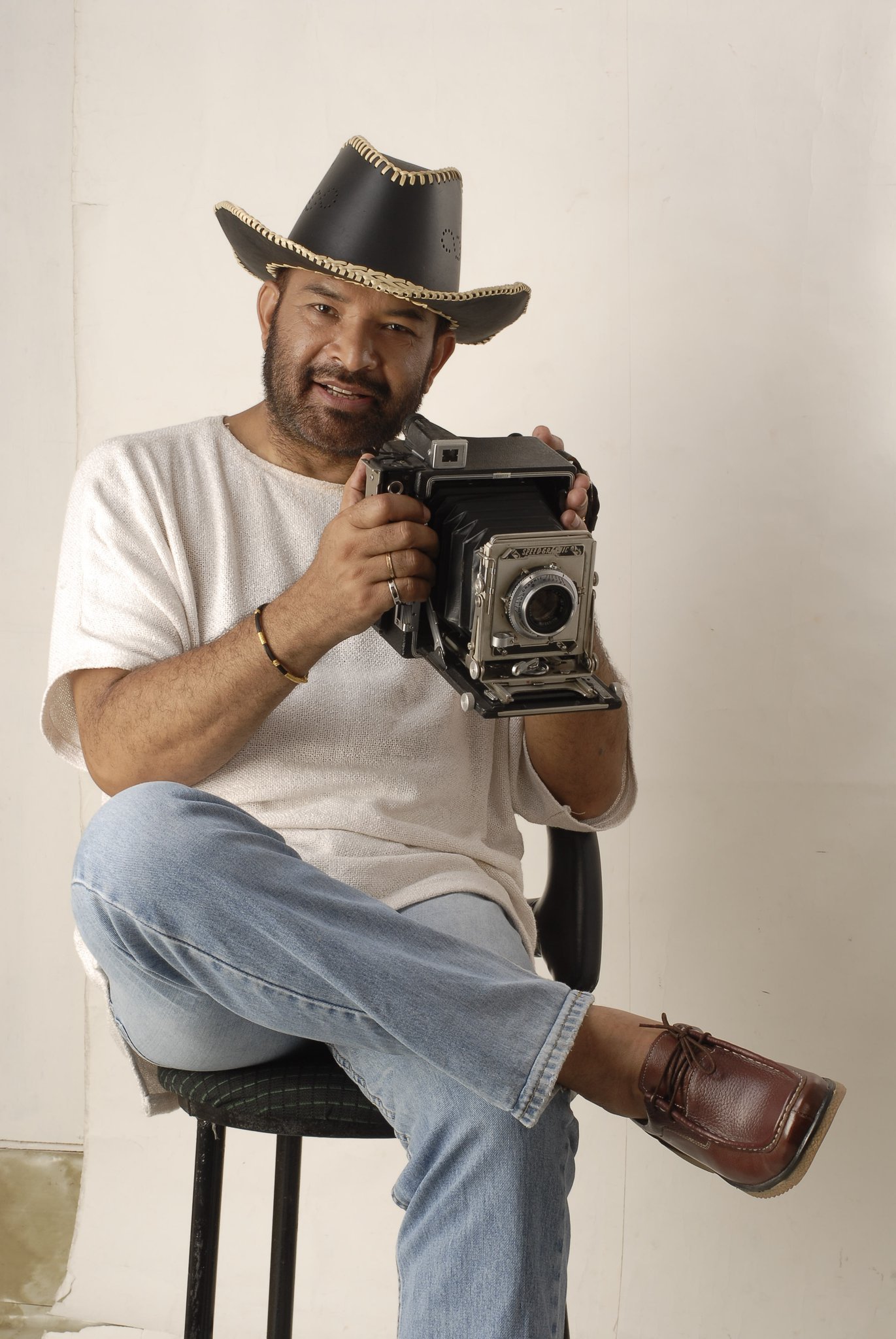
Tulsi Ghimire is a celebrated figure in Nepali cinema, known for his multifaceted contributions as a director, screenwriter, editor, actor, and lyricist. Born on July 15, 1951, in Kalimpong, India, he initially worked in Bollywood before transitioning to Nepali films. His debut as a director came with the movie Bansuri in 1981. He is best known for directing iconic Nepali films such as Kusume Rumal (1985), Lahure (1989), Deuta (1991), Dakshina (1994), and Darpan Chhaya (2001). Many of these films became blockbusters and are celebrated for addressing social issues and portraying deep human emotions. His work has left an indelible mark on the Nepali film industry.
Tulsi Ghimirey
Film Director, Performing Artists
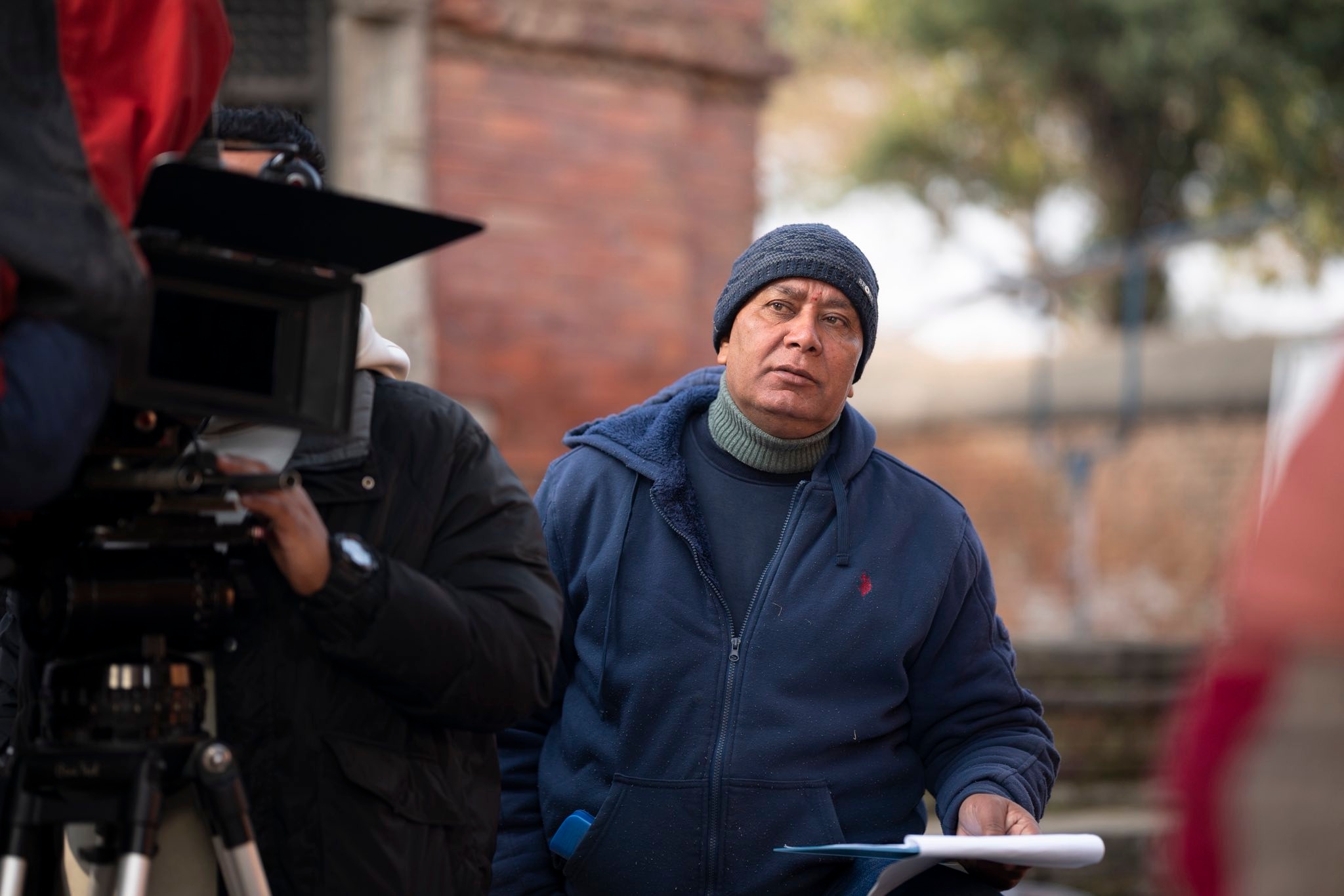
Gyanendra Bahadur Deuja is one of Nepal’s most influential film directors, screenwriters, and visual innovators, celebrated for introducing new cinematic techniques and for directing some of the most culturally significant films in Nepali cinema. Active since 1997, he is known for blending social issues, emotional storytelling, and technical experimentation in his films.Before entering cinema, Deuja served as a Deputy Director at Nepal Rastra Bank, balancing a parallel career in banking and filmmaking—an uncommon achievement in the industry. His artistic foundation began at Aarohan Theatre (now Gurukul), where he trained alongside respected Nepali actors and directors.His mentor, senior director Resh Raj Acharya, guided him through early work as chief assistant director in major tele-serials and films such as Sparsh, Dushman, Aama, Bandhan, and Tuhuro.
Gyanendra Bahadur Deuja
Film Director

Raj Bahadur Sane, born on April 14 in Jumla, Nepal, is a Nepali writer and director known for his contribution to socially grounded and character‑driven cinema. Beginning his career in 2012, he has worked on films such as Pathshala, The Return Hero, Lati, Vrindavan, Birangana, Doli, Good Friend, Silly Pho, Bulaki, Juna, and Sitamol. Sane earned national recognition after winning the National Film Award for Best Screenplay for Bulaki, establishing himself as a distinct creative voice in contemporary Nepali filmmaking.
Raj Bahadur Sane
Film Director